
Ear Irrigation – Indications, Contraindications

Patient Tools

Read, save, and share this guide

Use these quick tools to make this medical article easier to read, print, save, or share with a family member.

Patient Mode

Understand this article easily

Switch between simple English and easy Bangla patient notes. This is for education and does not replace a doctor consultation.

Ear irrigation is an important tool for adult and pediatric patients in the Emergency Department (ED) with ENT complaints. Irrigation can be used to clear ear cerumen, visualize tough-to-see tympanic membranes, and remove foreign bodies. This may reduce the need for subspecialist care and improve...

For severe symptoms, danger signs, pregnancy, child illness, or sudden worsening, seek urgent medical care.

বাংলা রোগী নোট এখনো যোগ করা হয়নি। পোস্ট এডিটরে “RX Bangla Patient Mode” বক্স থেকে সহজ বাংলা সারাংশ যোগ করুন।

এই তথ্য শিক্ষা ও সচেতনতার জন্য। এটি ডাক্তারি পরীক্ষা, রোগ নির্ণয় বা প্রেসক্রিপশনের বিকল্প নয়।

Article Summary

Ear irrigation is an important tool for adult and pediatric patients in the Emergency Department (ED) with ENT complaints. Irrigation can be used to clear ear cerumen, visualize tough-to-see tympanic membranes, and remove foreign bodies. This may reduce the need for subspecialist care and improve the patient’s hearing and quality of life.1 Commercial electronic and mechanical devices are available for irrigation and have been studied. Moulton...

Key Takeaways

  • This article explains Anatomy and Physiology in simple medical language.
  • This article explains Indications of Ear Irrigation in simple medical language.
  • This article explains Contraindications of Ear Irrigation in simple medical language.
  • This article explains Equipment of Ear Irrigation in simple medical language.
Educational health guideWritten for patient understanding and clinical awareness.
Reviewed content workflowUse writer and reviewer profiles for stronger trust.
Emergency safety firstUrgent warning signs are highlighted below.

Seek urgent medical care if you notice

These warning signs are general safety guidance. Local emergency numbers and clinical judgment should always come first.

  • Severe symptoms, breathing difficulty, fainting, confusion, or rapidly worsening illness.
  • New weakness, severe pain, high fever, or symptoms after a serious injury.
  • Any symptom that feels urgent, unusual, or unsafe for the patient.
1

Emergency now

Use emergency care for severe, sudden, rapidly worsening, or life-threatening symptoms.

2

See a doctor

Book a professional medical evaluation if symptoms persist, worsen, recur often, affect daily activities, or occur in a high-risk patient.

3

Learn safely

Use this article to understand possible causes, tests, treatment options, prevention, and questions to ask your clinician.

Before reading

RX Patient Tools

Use these quick guides before reading the article, or return to them when you need help preparing questions for a doctor.

Start here Choose the right pathway for symptoms, reports, medicines, or urgent warning signs. Disease article roadmap Read this topic step by step: meaning, symptoms, warning signs, diagnosis, treatment, prevention, and follow-up. Treatment planner Prepare questions about treatment choices, benefits, risks, side effects, and follow-up. Family & caregiver guide Organize symptoms, reports, medicines, questions, and follow-up safely. Nutrition & diet guide Prepare food, hydration, supplement, and medicine-timing questions safely. Prevention guide Organize risk factors, protective habits, screening, and warning signs. Recovery guide Prepare a safe plan for activity, rehabilitation, warning signs, and follow-up.
Definition

Ear irrigation is an important tool for adult and pediatric patients in the Emergency Department (ED) with ENT complaints. Irrigation can be used to clear ear cerumen, visualize tough-to-see tympanic membranes, and remove foreign bodies. This may reduce the need for subspecialist care and improve the patient’s hearing and quality of life.1 Commercial electronic and mechanical devices are available for irrigation and have been studied. Moulton and Jones presented the improved efficacy of foreign body removal using an electric ear syringe in an (ED) population. In this trick of the trade, we present a low cost and effective way of  “ear-rigation” taught to us by one of our veteran nurses using easily available tools in the ED.
Ear Irrigation - Indications, Contraindications

Anatomy and Physiology

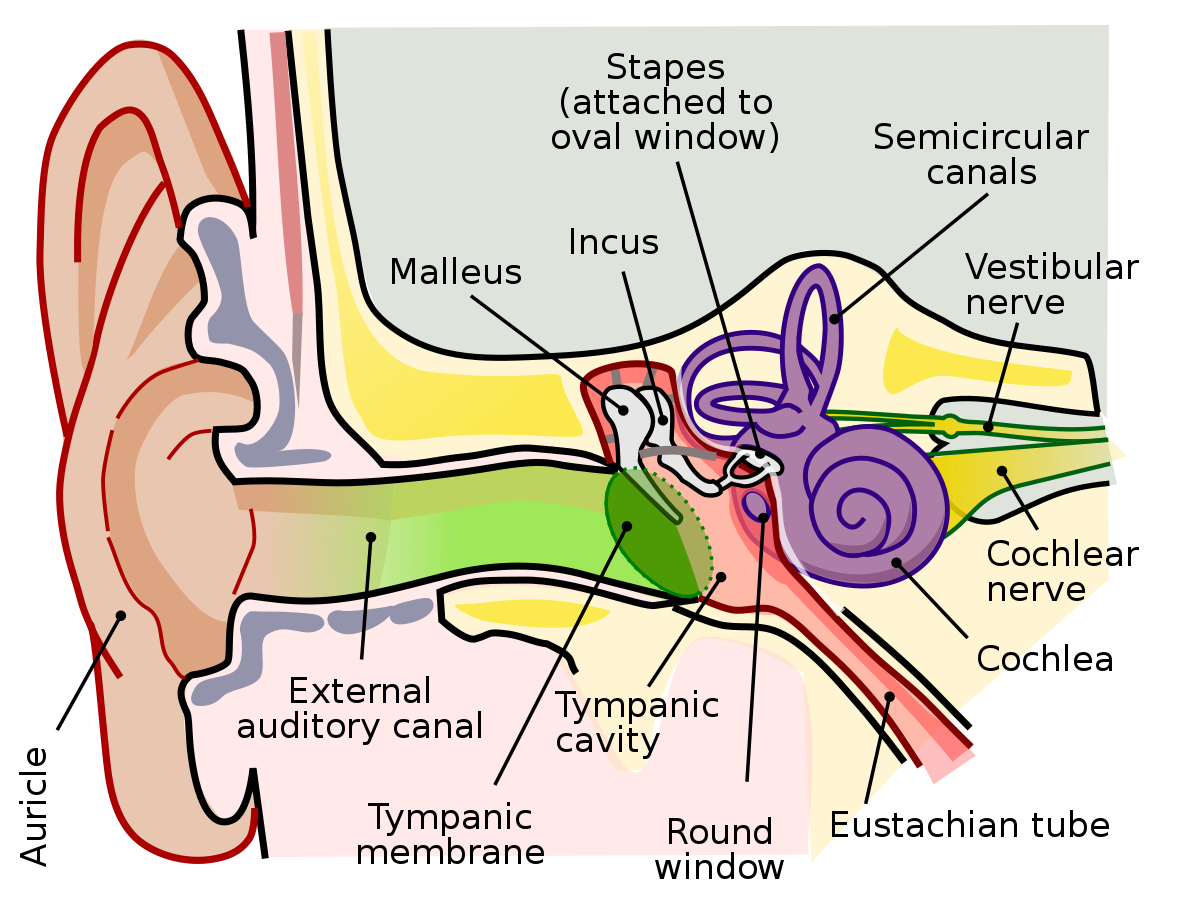
Following treatment of cerumen impaction, one should be able to evaluate the tympanic membrane anatomy. The normal coloring of a tympanic membrane is pearly gray and translucent. There is a cone of light in the anterior, inferior quadrant of the tympanic membrane, and it points towards the nose. One should also be able to observe the umbo and the handle of the malleus. The tympanic membrane is somewhat conical in shape, with a concavity noted at the umbo. A normal tympanic membrane has no perforation.

If you observe a bulging tympanic membrane, there is usually a distortion of the cone of light, and there is little to no visibility of the umbo and the handle of the malleus. This can indicate an infection or fluid in the middle ear space, a serious or purulent otitis media.

A Eustachian tube dysfunction usually causes a retracted tympanic membrane.

Coldwater should not be used for ear irrigation; the water temperature should be warm and close to the patient’s natural body temperature. Coldwater on the tympanic membrane can cause a sensation of dizziness due to cranial nerve VIII, the vestibulocochlear nerve. The vestibulocochlear nerve has two parts: the vestibular nerve and the cochlear nerve. The semicircular canals of the inner ear are innervated by the vestibular nerve, which is responsible for orientation in space, balance, and coordination. The cochlear nerve is responsible for promoting hearing.

Indications of Ear Irrigation

  • Cerumen impaction irritates the ear canal with itching, pain, chronic cough, or decreased hearing. Another indication of impactions is an inability to visualize the tympanic membrane due to cerumen when inspection of the tympanic membrane is needed.
  • Ear irrigation can also be used for caloric stimulation. This method is discussed in a different topic. 

Contraindications of Ear Irrigation

There are a few contraindications to performing irrigation of the ear including lack of patient consent.

  • These contraindications are a patient’s inability to sit upright, a patent tympanostomy tube, a patient who is unwilling or unable to sit still, foreign body present in the ear canal, perforated tympanic membrane, an opening into the mastoid, and severe swimmer’s ear (otitis externa).
  • Also, a history of middle ear disease, ear surgery, inner ear problems (especially vertigo), or radiation in the area is an additional reason to choose another method for cerumen dis-impaction.

Equipment of Ear Irrigation

Face Shield (universal precautions)

  • To safely perform ear irrigation, one should use an otoscope. You will need your cerumenolytic of choice. The water you will use for irrigation must be warmed before use. You can either use a thirty milliliter to a 60-mm syringe with a 16 or 18 gauge intravenous (IV) catheter attached (with the needle removed) or a pulsating water device (such as a WaterPik) to irrigate the impacted cerumen out of the ear. You will also need an ear irrigation basin or emesis basin to catch the water and pieces of cerumen as it leaves the ear.
  • Due to the availability of syringes and IV catheters when compared to pulsating water devices, the syringe and IV catheter method is more common.
  • A cerumen spoon or alligator forceps can be used to remove loose cerumen pieces following the ear irrigation procedure.

Personnel

  • An assistant can help by holding traction on the pinna. This straightens the ear canal, allowing for more efficient and effective cerumen removal.

Preparation

Some providers may choose to soften the wax before irrigation. Multiple agents may be used including mineral oil, 1% sodium docusate solutions, and carbamyl peroxide solutions.

  • Warm the solutions and the water that will be used during the irrigation to near body temperature to prevent dizziness. Cold solutions put in the ear are likely to have an uncomfortable effect on the patient, and it may make them dizzy or nauseous.
  • If using an IV catheter and syringe, ensure the needle is removed from the IV catheter.

Technique

  • Ask the patient to sit upright. Place your cerumenolytic of choice in the external auditory canal and leave it in the ear for fifteen to thirty minutes before initiating irrigation.
  • Draw up the warm water into the syringe and attach the IV catheter to the end of the syringe. Place the IV catheter into the external ear canal, no further than the cartilage/bone junction. The cartilaginous portion usually makes up the outer two-thirds of the external auditory canal.
  • Hold the emesis or ear irrigation basin tightly to the skin below the ear, in an attempt to catch the water during irrigation. This will help keep the patient from getting wet.
  • Direct the IV catheter superiorly and posteriorly in the ear canal so that the water will separate the cerumen from the tympanic membrane. Do not direct the water stream directly at the tympanic membrane, because this can cause perforation of the tympanic membrane.
  • Following irrigation, you can remove any loose pieces of wax with a cerumen scoop or alligator forceps, being careful not to damage the external auditory canal and the tympanic membrane.
  • To dry the remaining moisture in the external auditory canal, apply several drops of isopropanol. This step is especially contraindicated if the tympanic membrane is ruptured.

Following prolonged irrigation

  • Topical steroid containing suspension drops, such as ciprofloxacin/hydrocortisone drops, may be soothing to the external auditory canal. Some providers will prescribe these for a few days following the ear irrigation procedure.
  • Many providers prescribe bacterial infections. সহজ বাংলা: ব্যাকটেরিয়ার সংক্রমণের ওষুধ।" data-rx-term="antibiotic" data-rx-definition="An antibiotic is a medicine used to treat bacterial infections. সহজ বাংলা: ব্যাকটেরিয়ার সংক্রমণের ওষুধ।">antibiotic drops (example: fluoroquinolones) to patients at high risk for severe infections, such as diabetic patients. These drops are usually prescribed for several days following the ear irrigation procedure to prevent the complication of otitis externa.

Complications

Irrigation of the ear can lead to otitis externa, vertigo, perforation of the tympanic membrane, and middle ear damage if the tympanic membrane is perforated. These complications are less common with the syringe and IV catheter technique than when compared to the pulsating water device technique.

Using a cerumen spoon to remove remaining wax can cause damage to the skin covering the external auditory canal.

Symptoms of complications include sudden pain, ringing in the ears, loss of the ability to hear, nausea, and dizziness. If a patient experiences any of these symptoms, the provider should immediately stop and examine the ear canal and tympanic membrane with an otoscope.

If the tympanic membrane is ruptured, prescribe the patient oral antibiotics to treat otitis media prophylactically. Refer the patient to an otolaryngologist for specialty consult.

References

Doctor visit helper

Prepare before seeing a doctor

A simple rural-patient checklist to help you explain symptoms clearly, ask better questions, and avoid unsafe self-treatment.

Safety note: This is not a prescription or diagnosis. For severe symptoms, pregnancy danger signs, children with serious illness, chest pain, breathing difficulty, stroke-like weakness, or major injury, seek urgent care.

Which doctor may help?

Start with a registered doctor or the nearest qualified health center.

What to tell the doctor

  • Write when the problem started and how it changed.
  • Bring old prescriptions, investigation reports, and current medicines.
  • Write allergies, pregnancy status, diabetes, kidney/liver disease, and major past illnesses.
  • Bring one family member if the patient is weak, elderly, confused, or a child.

Questions to ask

  • What is the most likely cause of my symptoms?
  • Which danger signs mean I should go to hospital quickly?
  • Which tests are necessary now, and which can wait?
  • How should I take medicines safely and what side effects should I watch for?
  • When should I come for follow-up?

Tests to discuss

  • Vital signs: temperature, pulse, blood pressure, oxygen saturation
  • Basic physical examination by a clinician
  • CBC, urine test, blood sugar, or imaging only when clinically needed

Avoid these mistakes

  • Do not use antibiotics, steroid tablets/injections, or strong painkillers without proper medical advice.
  • Do not hide pregnancy, kidney disease, ulcer, allergy, or blood thinner use.
  • Do not delay emergency care when danger signs are present.

Medicine safety and first-aid guide

This section is for patient education only. It does not replace a doctor, pharmacist, or emergency care.

Safe first steps

  • Avoid heavy lifting, sudden bending, and prolonged bed rest.
  • Use comfortable posture and gentle movement as tolerated.
  • Discuss physiotherapy, X-ray, or MRI only when clinically needed.

OTC medicine safety

  • For mild back pain, pain-relief medicine may be discussed with a doctor or pharmacist.
  • Avoid repeated painkiller use if you have kidney disease, stomach ulcer, uncontrolled blood pressure, or are taking blood thinners.

Avoid these mistakes

  • Do not start antibiotics without a proper medical decision.
  • Do not use steroid tablets or injections casually for quick relief.
  • Do not delay emergency care because of home remedies.

Get urgent help if

  • Back pain with leg weakness, numbness around private area, loss of urine/stool control, fever, cancer history, or major injury needs urgent care.
Medicine names, dose, and timing must be decided by a qualified clinician or pharmacist after checking age, pregnancy, allergy, other diseases, and current medicines.

For rural patients and family caregivers

Patient health record and symptom diary

Write your symptoms, medicines already taken, test results, and questions before visiting a doctor. This note stays on your device unless you print or copy it.

Doctor to discuss: Doctor / qualified healthcare provider
Tests to discuss with doctor
  • Basic vital signs: temperature, pulse, blood pressure, oxygen level if needed
  • Relevant blood, urine, imaging, or specialist tests only after clinical assessment
Questions to ask
  • What is the most likely cause of my symptoms?
  • Which warning signs mean I should go to emergency care?
  • Which tests are really needed now?
  • Which medicines are safe for my age, pregnancy status, allergy, kidney/liver/stomach condition, and current medicines?

Emergency warning signs such as chest pain, severe breathing difficulty, sudden weakness, confusion, severe dehydration, major injury, or loss of bladder/bowel control need urgent medical care. Do not wait for online information.

Safe pathway to proper treatment

Care roadmap for: Ear Irrigation – Indications, Contraindications

Use this simple roadmap to understand the next safe steps. It is educational and does not replace examination by a doctor.

Go to emergency care if you notice:
  • Severe or rapidly worsening symptoms
  • Breathing difficulty, chest pain, fainting, confusion, severe weakness, major injury, or severe dehydration
Doctor / service to discuss: Qualified healthcare provider; specialist depends on symptoms and examination.
  1. Step 1

    Check danger signs first

    If danger signs are present, seek emergency care and do not wait for online information.

  2. Step 2

    Record the symptom story

    Write when symptoms started, severity, medicines already taken, allergies, pregnancy status, and test results.

  3. Step 3

    Visit a qualified clinician

    A doctor, nurse, or qualified healthcare provider can examine you and decide which tests or treatment are needed.

  4. Step 4

    Do only useful tests

    Do tests after clinical assessment. Avoid unnecessary tests, random antibiotics, or repeated medicines without diagnosis.

  5. Step 5

    Follow up and return early if worse

    If symptoms worsen, new warning signs appear, or treatment is not helping, return for review quickly.

Rural patient practical tips
  • Take a written symptom diary and all previous prescriptions/test reports.
  • Do not hide medicines already taken, even herbal or over-the-counter medicines.
  • Ask which warning signs mean urgent referral to hospital.

This roadmap is for education. A real diagnosis and treatment plan requires history, examination, and clinical judgment.

RX Patient Help

Ask a health question safely

Write your symptom story. A health professional or site editor can review it before any answer is prepared. This box is not for emergency care.

Emergency first: Severe chest pain, breathing trouble, unconsciousness, stroke signs, severe injury, heavy bleeding, or rapidly worsening symptoms need urgent local medical care now.

Frequently Asked Questions

Is this article a replacement for a doctor?

No. It is educational content only. Patients should consult a qualified clinician for diagnosis and treatment.

When should I seek urgent care?

Seek urgent care for severe symptoms, rapidly worsening condition, breathing difficulty, severe pain, neurological changes, or any emergency warning sign.

References

Add references, clinical guidelines, textbooks, journal articles, or trusted medical sources here. You can edit this area from the RX Article Professional Blocks panel.
