RX Patient Tools
Use these quick guides before reading the article, or return to them when you need help preparing questions for a doctor.
Phenylalanine is an essential amino acid (a building block for proteins in the body), meaning the body needs it for health but cannot make it. You have to get it from food. Phenylalanine is found in 3 forms.
- L-phenylalanine, the natural form found in proteins
- D-phenylalanine (a mirror image of L-phenylalanine that is made in a laboratory)
- DL-phenylalanine, a combination of the 2 forms
The body changes phenylalanine into tyrosine, another amino acid that is needed to make proteins and brain chemicals, including L-dopa, epinephrine, norepinephrine, and thyroid hormones. Because norepinephrine affects mood, different forms of phenylalanine have been proposed to treat depression. Symptoms of phenylalanine deficiency include:
- Confusion
- Lack of energy
- Depression
- Decreased alertness
- Memory problems
- Lack of appetite
On the other hand, a rare metabolic disorder called phenylketonuria (PKU) occurs in people who are missing an enzyme that the body needs to use phenylalanine. That causes high levels of phenylalanine to build up. If it is not treated before 3 weeks of age, PKU can cause severe, irreversible intellectual disability. In the United States, newborns are tested for PKU during the first 48 to 72 hours of life. Older, untreated children become hyperactive with autistic behaviors, including purposeless hand movements and rhythmic rocking.
People with PKU must eat a diet that avoids phenylalanine and take tyrosine supplements for optimal brain development and growth. Compliance with treatment in people with PKU has a greater impact on cognition during the first 12 years of life compared to the influence beyond 12 years.
Uses
Chronic pain
D-phenylalanine (but not L-phenylalanine) has been proposed to treat chronic pain. Two studies that appeared to show positive results had flaws that made the findings unreliable. Other studies have found D-phenylalanine to be no more effective than placebo in reducing pain. No randomized controlled trials have been done in the past 20 years to study any possible benefit of taking D-phenylalanine for chronic pain. More research is needed to determine its safety and effectiveness.
Parkinson disease
One animal study suggests that D-phenylalanine may improve rigidity, walking disabilities, speech difficulties, and depression associated with Parkinson disease. However, there is no evidence yet whether it would have the same effect in humans. More research is needed.
Vitiligo
Preliminary studies suggest that L-phenylalanine (oral and topical) strengthens the effect of UVA radiation for people with vitiligo. Vitiligo is a condition where irregular depigmentation (loss of color) causes white patches of skin. L-phenylalanine may lead to some darkening or repigmentation of the white patches, particularly on the face. However, more research is needed to see whether L-phenylalanine is truly effective.
Depression
Studies suggest that phenylalanine may be helpful as part of a comprehensive therapy for depression, most of the studies were done in the 1970s and 1980s and were not rigorously tested. People have reported that their mood improved when they took phenylalanine. Researchers think this is because phenylalanine increases production of brain chemicals, such as dopamine and norepinephrine. Other studies suggest that elevated phenylalanine concentrations are linked to mood swings. More research is needed to tell whether phenylalanine has any real effect on depression.
Dietary Sources
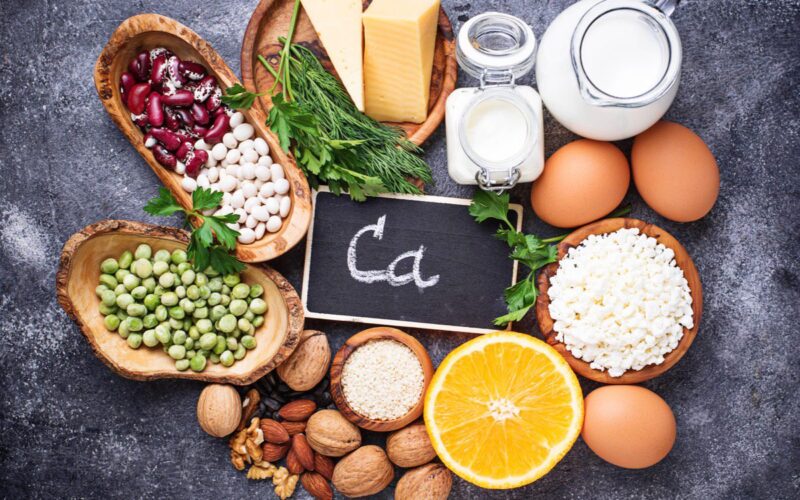
L-phenylalanine is found in most foods that contain protein, including beef, poultry, pork, fish, milk, yogurt, eggs, cheese, soy products (including soy protein isolate, soybean flour, and tofu), and certain nuts and seeds. The artificial sweetener aspartame is also high in phenylalanine.
D-phenylalanine is made in the laboratory but is not found in food.
Available Forms
- D-phenylalanine
- L-phenylalanine
- DL-phenylalanine (50/50 blend of D-phenylalanine and L-phenylalanine)
You can take phenylalanine as a capsule, powder, or tablet. You can also apply it as a topical cream.
How to Take It
Recommended dosages of phenylalanine vary depending on the health condition being treated. Speak to your doctor about what dose is right for you.
Precautions
Because of the potential for side effects and interactions with medications, you should only take dietary supplements under the supervision of a knowledgeable health care provider.
People with phenylketonuria (PKU), and women who are breastfeeding or are pregnant, should not take phenylalanine supplements. Aspartame, found in artificial sweeteners such as Nutrasweet, is a source of phenylalanine. People with PKU should not use aspartame. If you are pregnant, ask your doctor about using this artificial sweetener.
DL-phenylalanine should not be used in people taking antipsychotic drugs, as it may cause or worsen symptoms of tardive dyskinesia (TD). TDs are involuntary movements of the tongue, lips, face, trunk, and limbs that can occur in people taking antipsychotic drugs long term.
DL-phenylalanine may cause symptoms of anxiety, jitteriness, and hyperactivity in children.
Doses higher than 5,000 mg a day may be toxic and can cause nerve damage. High quantities of DL-phenylalanine may cause mild side effects such as nausea, heartburn, and headaches.
Possible Interactions
If you are currently being treated with medication (especially the following medications), you should not use phenylalanine without first talking to your health care provider.
Monoamine Oxidase Inhibitors: Monoamine oxidase inhibitors (MAOIs) are an older class of antidepressants drugs that are rarely used now. They include phenelzine (Nardil), isocarboxazid (Marplan), and tranylcypromine sulfate (Parnate). Taking phenylalanine while taking MAOIs may cause a severe increase in blood pressure (hypertensive crisis). This severe increase in blood pressure can lead to a heart attack or stroke. People taking MAOIs should avoid foods and supplements containing phenylalanine.
Baclofen: Phenylalanine may reduce absorption of baclofen (Lioresal), a medication used to relieve muscle spasms. Avoid taking Baclofen with a meal, especially one that is high in protein, or with phenylalanine supplements.
Levodopa: A few case reports suggest that phenylalanine may reduce the effectiveness of levodopa (Sinemet), a medication used to treat Parkinson disease. Some researchers think phenylalanine may interfere with the absorption of levodopa and worsen the person’s condition.
Selegiline: L-phenylalanine and the selective MAO inhibitor selegiline (Eldepryl, Deprenyl) may strengthen the antidepressant effects of phenylalanine. They should not be taken together.
Antipsychotic or neuroleptic drugs: L-phenylalanine may worsen TD, a side effect of these neuroleptic drugs. These drugs include phenytoin (Dilantin), valproic acid (Depakene, Depakote), and carbamazepine (Tegretol), among others.
Anjemo K, van Rijn M, Verkerk PH, Burgerhof JG, Heiner-Fokkema MR, van Spronsen FJ. PKU: high plasma phenylalanine concentrations are associated with increased prevalence of mood swings. Mol Genet Metab . 2011;104(3):231-4.
Camacho F, Mazuecos J. Oral and topical L-phenylalanine, clobetasol propionate, and UVA/sunlight–a new study for the treatment of vitiligo. J Drugs Dermatol . 2002;1(2):127-31.
Castro IP, Borges JM, Chagas HA, Tiburcio J, Starling AL, Aguiar MJ. Relatinships between phenylalanine levels, intelligence and socioeconomic status of patients with phenylketonuria. J Pediatr . 2012;88(4):353-6.
Dietary Guidelines for Americans 2005 . Rockville, MD : US Dept of Health and Human Services and US Dept of Agriculture; 2005.
Dillon EL, Sheffield-Moore M, Paddon-Jones D, Gilkison C, et al. Amino acid supplementation increases lean body mass, basal muscle protein synthesis, and insulin-like growth factor-I expression in older women. J Clin Endocrinol Metab . 2009 May;94(5):1630-7. Epub ahead of print.
Kliegman R. Nelson Textbook of Pediatrics . 19th ed. Philadelphia, PA: Elsevier Saunders; 2011.
Lotti T, Buggiani G, Troiano M, Assad GB, Delescluse J, De Giorgi V, Hercogova J. Targeted and combination treatments for vitiligo. Comparative evaluation of different current modalities in 458 subjects. Dermatol Ther . 2008 Jul;21 Suppl 1:S20-6.
MacLeod EL, Gleason ST, van Calcar SC, Ney DM. Reassessment of phenylalanine tolerance in adults with phenylketonuria is needed as body mass changes. Mol Genet Metab . 2009;98(4):331-7.
Poewe W. Treatments for Parkinson disease–past achievements and current clinical needs. Neurology . 2009 Feb 17;72(7 Suppl):S65-73.
Reuss S, Weiss C, Bayerl C. Phenylalanine and UVA for Vitiligo patients: probability of an effective treatment. Med Hypotheses . 2006;67(1):199-200.
Russell AL, McCarty MF. DL-phenylalanine markedly potentiates opiate analgesia – an example of nutrient/pharmaceutical up-regulation of the endogenous analgesia system. Med Hypotheses . 2000;55(4):283-8.
Sharman R, Sullivan K, Young RM, McGill J. Depressive symptoms in adolescents with early and continuously treated phenylketonuria; associations with phenylalanine and tyrosine levels. Gene . 2012;504(2):288-91.
Szczurko O, Boon HS. A systematic review of natural health product treatment for vitiligo. BMC Dermatol . 2008 May 22;8:2. Review.
Viau KS, Wengreen HJ, Ernst SL, Cantor NL, Furtado LV, Longo N. Correlation of age-specific phenylalanine levels with intellectual outcome in patients with phenylketonuria. J Inherit Metab Dis . 2011;34(4):963-71.
Vockley J, Andersson HC, Antshel KM, et al. Phenlalanine hydroxylase deficiency: diagnosis and management guideline. Genet Med . 2014;16(2):188-200.
Wissman P, Geisler S, Leblhuber F, Fuchs D. Immune activation in patients with Alzheimer’s disease is assocaitd with high serum phenylalanine concentrations. J Neurol Sci . 2013;329 (1-2):29-33.