Lysine – Uses, Indications, Dosage, Interactions

Patient Tools

Read, save, and share this guide

Use these quick tools to make this medical article easier to read, print, save, or share with a family member.

On this page6 sections

Article Summary

Amino acid K; L-lysine Lysine, or L-lysine, is an essential amino acid, meaning it is necessary for human health, but the body cannot make it. You have to get lysine from food or supplements. Amino acids like lysine are the building blocks of protein. Lysine is important for proper growth, and it plays an essential role in the production of carnitine, a nutrient responsible for...

Before reading

RX Patient Tools

Use these quick guides before reading the article, or return to them when you need help preparing questions for a doctor.

Start here Choose the right pathway for symptoms, reports, medicines, or urgent warning signs. Disease article roadmap Read this topic step by step: meaning, symptoms, warning signs, diagnosis, treatment, prevention, and follow-up. Treatment planner Prepare questions about treatment choices, benefits, risks, side effects, and follow-up. Family & caregiver guide Organize symptoms, reports, medicines, questions, and follow-up safely. Nutrition & diet guide Prepare food, hydration, supplement, and medicine-timing questions safely. Prevention guide Organize risk factors, protective habits, screening, and warning signs. Recovery guide Prepare a safe plan for activity, rehabilitation, warning signs, and follow-up.
Educational health guideWritten for patient understanding and clinical awareness.
Reviewed content workflowUse writer and reviewer profiles for stronger trust.
Emergency safety firstUrgent warning signs are highlighted below.
Choose your reading view

Patient View highlights a simple learning journey. Clinical View reveals structure, evidence, and editorial completeness.

Amino acid K; L-lysine

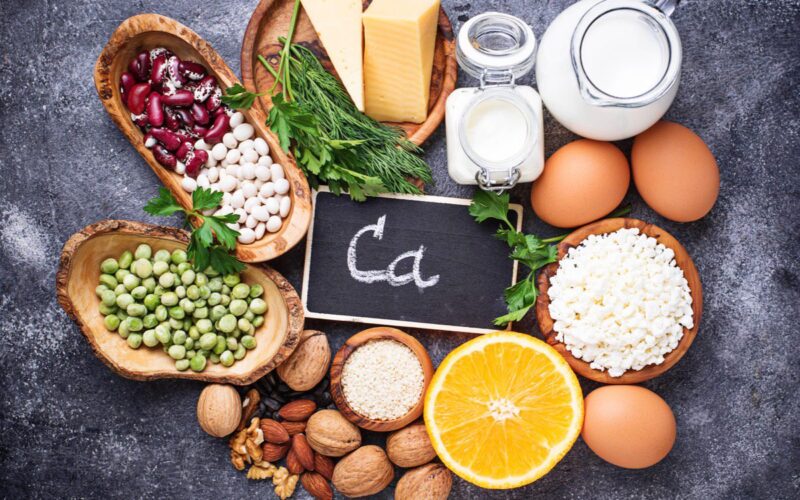
Lysine, or L-lysine, is an essential amino acid, meaning it is necessary for human health, but the body cannot make it. You have to get lysine from food or supplements. Amino acids like lysine are the building blocks of protein. Lysine is important for proper growth, and it plays an essential role in the production of carnitine, a nutrient responsible for converting fatty acids into energy and helping lower . Lysine appears to help the body absorb calcium, and it plays an important role in the formation of collagen, a substance important for bones and connective tissues including skin, , and .

Most people get enough lysine in their diet. Although athletes, burn patients, and vegans who do not eat beans may need more. If you do not have enough lysine, you may experience:

  • Agitation
  • Bloodshot eyes
  • Slow growth
  • Reproductive disorders

For vegans, legumes (beans, peas, and lentils) are the best sources of lysine.

Uses

Herpes simplex virus (HSV)Some studies suggest that taking lysine on a regular basis may help prevent outbreaks of cold sores and genital herpes. Others show no improvement. Lysine has antiviral effects by blocking the activity of arginine, which promotes HSV replication. One review found that oral lysine is more effective atpreventing an HSV outbreak than it is at reducing the severity and duration of an outbreak. One study found that taking lysine at the beginning of a herpes outbreak did not reduce symptoms. Most experts believe that lysine does not improve the healing of cold sores. But supplementation may reduce recurrences or improve symptoms.

Lysine helps the body absorb calcium and reduces the amount of calcium that is lost in urine. Since calcium is crucial for bone health, some researchers think lysine may help prevent bone loss associated with osteoporosis. Lab studies suggest that lysine in combination with L-arginine (another amino acid) makes bone-building cells more active and enhances production of collagen. But no studies have examined whether lysine helps prevent osteoporosis in humans.

Athletic performanceAthletes sometimes use lysine as a protein supplement. Some studies suggest lysine helps muscle tissue recover after stress.

Dietary Sources

Good sources of lysine include foods that are rich in protein, such as:

  • Meat, specifically red meat, pork, and poultry
  • Cheese, particularly parmesan
  • Certain fish, such as cod and sardines
  • Eggs
  • Soybeans, particularly tofu, isolated soy protein, and defatted soybean flour
  • Spirulina
  • Fenugreek seed

Brewer’s yeast, beans and other legumes, and dairy products also contain lysine.

Available Forms

Lysine is available in tablets, capsules, creams, and liquids, and is usually sold in the L-lysine form.

How to Take It

Pediatric

Speak with your pediatrician regarding appropriate dosages. is usually adjusted based on body weight.

Adult

Dosing depends on different factors. Talk to your doctor to determine the right dose for you.

Precautions

Because of the potential for side effects and interactions with medications, you should take dietary supplements under the supervision of a knowledgeable health care provider.

Lysine can increase the absorption of calcium. Use caution when taking large amounts of calcium while supplementing with lysine.

While lysine in the diet is considered safe, excessive doses may cause gallstones. There have also been reports of dysfunction, including Fanconi and .

Talk to your doctor before taking supplemental lysine if you have disease, disease, or if you are pregnant or breastfeeding.

Possible Interactions

If you are currently being treated with any of the following medications or supplements, you should not use lysine supplements without first talking to your doctor.

Arginine: Arginine and lysine share common pathways in the body. High levels of arginine may lower lysine levels in the body.

Aminoglycoside antibiotics (gentamicin, neomycin, streptomycin, etc.): Use with lysine may increase the risk of nephrotoxicity.


Beauman JG. Genital herpes: a review. Am Fam Physician . 2005 Oct 15;72(8):1527-34. Review.

Breau RH, Kokolo MB, Punjani N, et al. The effects of lysine anaolgs during pelvic surgery: a systematic review and meta-analysis. Transfus Med Rev . 2014;28(3):145-55.

Dietary Guidelines for Americans 2005 . Rockville, MD: US Dept of Health and Human Services and US Dept of Agriculture; 2005.

Fini M, Torricelli P, Giavaresi G, Carpi A, Nicolini A, Giardino R. Effect of L-lysine and L-arginine osteoblast cultures from normal and osteopenic rats. Biomed Pharmacother . 2001;55(4):213-220.

Gaby AR. Natural remedies for Herpes simplex. Altern Med Rev . 2006 Jun;11(2):93-101. Review.

Krymchantowski AV, Barbosa JS, Cheim C, Alves LA. Oral lysine clonixinate in the treatment of : a double-blind placebo-controlled study. Arq Neuropsiquiatr . 2001;59(1):46-49.

Rakel D. Integrative Medicine . 3rd ed. Philadelphia, PA: Elsevier Saunders; 2012.

Rao M, Chinnasamy N, Hong JA, et al. Inhibition of histone lysine methylation enhances cancer-testis antigen expression in lung cancer cells: implications for adoptive of cancer. Cancer Res . 2011;71(12):4129204.

Singh BB, Udani J, Vinjamury SP, et al., Safety and effectiveness of an L-lysine, zinc, and herbal-based product on the treatment of facial and circumoral herpes. Altern Med Rev . 2005;10(2):123-7.

Tfelf-Hansen P. The effectiveness of combined oral lysine acetylsalicylate and metoclopramide in the treatment of migraine attacks. Comparison with placebo and oral sumatriptan. Funct Neurol . 2000;15(Suppl 3):196-201.
RX Clinical Pathway Engine

Continue through a complete learning pathway

Move from understanding the topic to symptoms, tests, treatment, medicines, monitoring, and prevention.

Search the complete library
  1. Understand the condition Begin with the essential facts and a clear explanation of the topic.
  2. Recognize symptoms Learn common symptoms, signs, and patterns of presentation.
  3. Know when to seek help Review urgent warning signs and when professional assessment may be needed.
  4. Understand causes and risks Explore causes, risk factors, mechanisms, and contributing conditions.
  5. Explore tests and diagnosis Learn how clinicians assess the condition and which investigations may be discussed.
  6. Learn treatment approaches Review general treatment categories and management principles.
  7. Understand medicines safely Continue to medicine education, uses, precautions, and monitoring.
  8. Plan monitoring and follow-up Understand monitoring, complications, rehabilitation, and follow-up learning.
  9. Review prevention and self-care Explore prevention, healthy routines, and questions to discuss with a clinician.

Conditions & Diseases

Background, symptoms, causes, diagnosis, and care.

Explore this library

Tests & Investigations

Laboratory, imaging, screening, and diagnostic education.

Explore this library

Medicines

Uses, safety, monitoring, and related medicine knowledge.

Explore this library

Cancer Knowledge

Cancer types, screening, oncology, and treatment education.

Explore this library
Doctor visit helper

Prepare before seeing a doctor

A simple rural-patient checklist to help you explain symptoms clearly, ask better questions, and avoid unsafe self-treatment.

Safety note: This is not a prescription or diagnosis. For severe symptoms, pregnancy danger signs, children with serious illness, chest pain, breathing difficulty, stroke-like weakness, or major injury, seek urgent care.

Which doctor may help?

Start with a registered doctor or the nearest qualified health center.

What to tell the doctor

  • Write when the problem started and how it changed.
  • Bring old prescriptions, investigation reports, and current medicines.
  • Write allergies, pregnancy status, diabetes, kidney/liver disease, and major past illnesses.
  • Bring one family member if the patient is weak, elderly, confused, or a child.

Questions to ask

  • What is the most likely cause of my symptoms?
  • Which danger signs mean I should go to hospital quickly?
  • Which tests are necessary now, and which can wait?
  • How should I take medicines safely and what side effects should I watch for?
  • When should I come for follow-up?

Tests to discuss

  • Vital signs: temperature, pulse, blood pressure, oxygen saturation
  • Basic physical examination by a clinician
  • CBC, urine test, blood sugar, or imaging only when clinically needed

Avoid these mistakes

  • Do not use antibiotics, steroid tablets/injections, or strong painkillers without proper medical advice.
  • Do not hide pregnancy, kidney disease, ulcer, allergy, or blood thinner use.
  • Do not delay emergency care when danger signs are present.

Medicine safety and first-aid guide

This section is for patient education only. It does not replace a doctor, pharmacist, or emergency care.

Safe first steps

  • Rest, drink safe water, and observe symptoms carefully.
  • Keep a written note of symptoms, duration, temperature, medicines already taken, and allergy history.
  • Seek medical care quickly if symptoms are severe, worsening, or unusual for the patient.

OTC medicine safety

  • For mild pain or fever, ask a registered pharmacist or doctor before using common over-the-counter pain/fever medicines.
  • Do not combine multiple pain medicines without advice, especially if you have kidney disease, liver disease, stomach ulcer, asthma, pregnancy, or take blood thinners.
  • Do not give adult medicines to children unless a qualified clinician advises it.

Avoid these mistakes

  • Do not start antibiotics without a proper medical decision.
  • Do not use steroid tablets or injections casually for quick relief.
  • Do not delay emergency care because of home remedies.

Get urgent help if

  • Severe symptoms, confusion, fainting, breathing difficulty, chest pain, severe dehydration, or sudden weakness need urgent medical care.
Medicine names, dose, and timing must be decided by a qualified clinician or pharmacist after checking age, pregnancy, allergy, other diseases, and current medicines.

For rural patients and family caregivers

Patient health record and symptom diary

Write your symptoms, medicines already taken, test results, and questions before visiting a doctor. This note stays on your device unless you print or copy it.

Doctor to discuss: Doctor / qualified healthcare provider
Tests to discuss with doctor
  • Basic vital signs: temperature, pulse, blood pressure, oxygen level if needed
  • Relevant blood, urine, imaging, or specialist tests only after clinical assessment
Questions to ask
  • What is the most likely cause of my symptoms?
  • Which warning signs mean I should go to emergency care?
  • Which tests are really needed now?
  • Which medicines are safe for my age, pregnancy status, allergy, kidney/liver/stomach condition, and current medicines?

Emergency warning signs such as chest pain, severe breathing difficulty, sudden weakness, confusion, severe dehydration, major injury, or loss of bladder/bowel control need urgent medical care. Do not wait for online information.

Safe pathway to proper treatment

Care roadmap for: Lysine – Uses, Indications, Dosage, Interactions

Use this simple roadmap to understand the next safe steps. It is educational and does not replace examination by a doctor.

Go to emergency care if you notice:
  • Severe or rapidly worsening symptoms
  • Breathing difficulty, chest pain, fainting, confusion, severe weakness, major injury, or severe dehydration
Doctor / service to discuss: Qualified healthcare provider; specialist depends on symptoms and examination.
  1. Step 1

    Check danger signs first

    If danger signs are present, seek emergency care and do not wait for online information.

  2. Step 2

    Record the symptom story

    Write when symptoms started, severity, medicines already taken, allergies, pregnancy status, and test results.

  3. Step 3

    Visit a qualified clinician

    A doctor, nurse, or qualified healthcare provider can examine you and decide which tests or treatment are needed.

  4. Step 4

    Do only useful tests

    Do tests after clinical assessment. Avoid unnecessary tests, random antibiotics, or repeated medicines without diagnosis.

  5. Step 5

    Follow up and return early if worse

    If symptoms worsen, new warning signs appear, or treatment is not helping, return for review quickly.

Rural patient practical tips
  • Take a written symptom diary and all previous prescriptions/test reports.
  • Do not hide medicines already taken, even herbal or over-the-counter medicines.
  • Ask which warning signs mean urgent referral to hospital.

This roadmap is for education. A real diagnosis and treatment plan requires history, examination, and clinical judgment.

Internal learning pathway

Explore related RX articles

Related guides from RX Harun are grouped to help readers move from overview to symptoms, tests, treatment, and safe next steps.

Rx Dietary Supplements, Juices & Beverages
  1. Coenzyme Q10 Deficiency DefinitionCoenzyme Q10 deficiency means the body does not have enough coenzyme Q10 (also called CoQ10 or…
  2. Calcium – Food Source, Health Benefits, Daily Requirement DefinitionCalcium, the most abundant mineral in the body, is found in some foods, added to others,…
  3. Data Science Jobs and Skill Requirements DefinitionWhen it comes to data science and artificial intelligence (AI), you’ll often find a lot of intersections…
  4. Soda and Sugary Drinks DefinitionSoda and sugary drinks refer to carbonated beverages that often contain high levels of sugar. Soda,…
  5. Benefits Of Non-Alcoholic Wine DefinitionNon-alcohol drinkers, rejoice: There’s now an option for you too when it comes to enjoying some…
  6. How Many Bottles of Water Should I Drink a Day DefinitionWater is an essential component of the human body. Our body is composed of nearly 60%…