RX Patient Tools
Use these quick guides before reading the article, or return to them when you need help preparing questions for a doctor.
Iron is an essential mineral that is required for human life. Iron is found in the body’s red blood cells, which carry oxygen-rich blood to every cell in the body. Iron is also involved in producing adenosine triphosphate (ATP), the body’s energy source. Extra iron is stored in the liver, bone marrow, spleen, and muscles.
Not having enough iron can lead to anemia. The most common symptoms of anemia are weakness and fatigue. One reason people who are iron deficient get tired easily is that their cells do not get enough oxygen. Pregnant women, young women during their reproductive years, and children tend to be at the highest risk of iron deficiency. Iron deficiency anemia in children is associated with poor neurodevelopment. Anemia may be mild, moderate, or severe. It can be caused by blood loss, such as that from a bleeding ulcer, menstruation, severe trauma, surgery, or a malignant tumor. It can also be caused by an iron-poor diet, not absorbing enough dietary iron, pregnancy, and the rapid growth that takes place during infancy, early childhood, and adolescence.
On the other hand, too much iron in the body can lead to a condition known as hemochromatosis, which can cause insulin is low or not working well. সহজ বাংলা: রক্তে চিনি বেশি থাকার রোগ।" data-rx-term="diabetes" data-rx-definition="Diabetes is a condition where blood sugar stays too high because insulin is low or not working well. সহজ বাংলা: রক্তে চিনি বেশি থাকার রোগ।">diabetes, liver damage, and discoloration of the skin. Unlike other nutrients, excess iron cannot be excreted by the human body. For that reason, you should not take iron supplements without asking your doctor if you need extra iron.
According to the World Health Organization (WHO), iron deficiency is the number one nutritional disorder in the world. Up to 80% of the world’s population may be iron deficient, and 30% may have iron deficiency anemia.
Uses
Anemia
The most important use of iron supplements is to treat iron deficiency anemia, a condition marked by low levels of iron in the blood. Iron is important because it is a key component of hemoglobin, which carries oxygen to the entire body. Anemia can be caused by many conditions, including loss of blood during heavy menstruation, pregnancy, blood donation, bleeding ulcers, chronic heart failure, and surgery (before and after). There is also a type of anemia called anemia of chronic disease, which can occur in people with chronic kidney failure and those undergoing chemotherapy. Treatment for anemia should be directed by your doctor. If you feel tired and suspect you may have anemia, it’s important to see your doctor to get a diagnosis. Other conditions can also cause fatigue, and taking iron supplements if you don’t need them can be dangerous.
Exercise capacity/sports performance
Some studies suggest that iron deficiency, even at levels too low to cause anemia, can cause a lack of energy. A few studies have found that taking iron supplements improved sports performance in those who had slightly low levels of iron.
Cough associated with ACE inhibitor use
One side effect of taking ACE inhibitors to treat high blood pressure and heart failure is an irritating dry cough. The cough leads some people to stop taking their medications. One preliminary clinical study suggested that iron supplementation may soothe and even prevent cough associated with ACE inhibitors, including enalapril (Vasotec), captopril (Capoten), and lisinopril (Zestril or Prinivil). However, the evidence is too premature to know whether taking iron with ACE inhibitors to reduce dry cough is safe or effective.
Plus, it is important to note that taking ACE inhibitors at the same time as iron may lower the amount of iron absorbed by the body. If used together, the two should be taken at least 2 hours apart. Also, iron is associated with a risk for heart disease. For this reason, you should not take iron to combat an ACE inhibitor associated cough without the consent and supervision of your doctor.
Attention-deficit hyperactivity disorder (ADHD)
Symptoms of iron deficiency, including decreased attention, arousal, and social responsiveness, are similar to symptoms of ADHD. This has led researchers to speculate whether iron supplements could help children with ADHD who are deficient in iron. Preliminary evidence suggests iron supplements may help children who have low levels of iron. However, additional iron can be toxic in children who have normal levels. DO NOT give iron supplements to a child without a doctor’s supervision.
Iron deficiency in infants and children
Iron deficiency is a significant public health problem in infants and young children because their bodies need iron to grow and develop. Animal studies link iron deficiency with mental problems. Doctors sometimes recommend iron supplements. DO NOT give iron supplements to infants or children under 18 unless under the supervision of a doctor.
Dietary Sources
There are 2 types of iron you can get from food: heme and non-heme. Heme iron is more easily absorbed by the body. The best dietary sources of heme iron are lean red meat, poultry, fish, shellfish (particularly oysters), liver, and other organ meats.
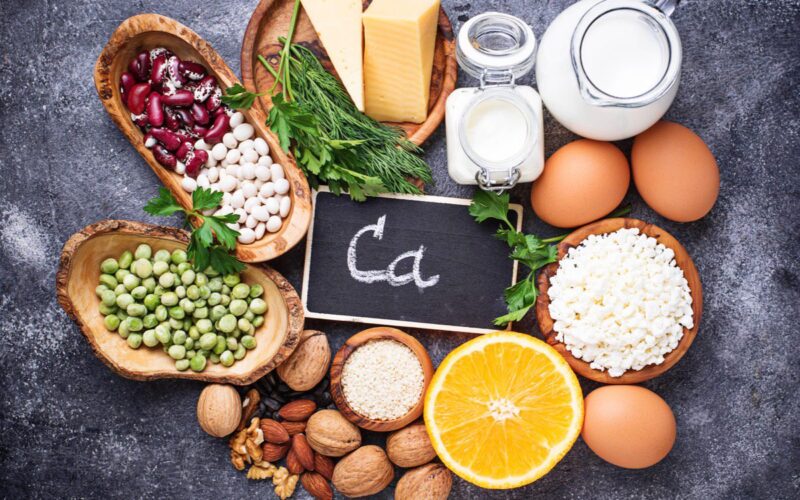
Sources of non-heme iron include dried beans and peas, legumes, nuts and seeds, whole grains, dark molasses, and green leafy vegetables. Some nutrients help the body better absorb this kind of iron. For example, vitamin C helps the absorption of non-heme iron, while calcium (including all dairy products), bran, tea, and unprocessed whole grain products block its absorption.
In the U.S., grain products such as breads and cereals, are fortified with iron to help increase the amounts in our diets. Studies show cooking food in iron pots can significantly increase iron status among vulnerable populations including pregnant women and children.
Available Forms
Ferrous sulfate is the most common type of iron supplement. Other available forms include ferrous fumarate, ferrous succinate, ferrous gluconate, ferrous lactate, ferrous glutamate, ferric ammonium citrate, and ferrous glycine.
In severe cases of anemia from low levels of iron, or if there is rapid blood loss leading to iron deficiency, iron and blood are administered intravenously (IV) in hospitals.
How to Take It
Recommendations for iron are provided in the Dietary Reference Intakes (DRIs), developed by the Institute of Medicine of the National Academy of Sciences.
Infants and children (under 18 years of age)
DO NOT give iron supplements to infants or children under 18 unless under the supervision of a doctor.
Breastfed babies easily absorb the iron in breast milk. The American Academy of Pediatrics (AAP) recommends that infants be exclusively breastfed for the first 6 months of life. However, iron-fortified baby formulas are also available. You should gradually introduce iron-enriched solid foods while still breastfeeding when your baby is older than 6 months of age. Infants weaned from breast milk before 12 months of age should receive iron-fortified infant formula.
Adult
Eat a well-balanced diet, and only use iron supplements under the direction of a physician.
Precautions
Because of the potential for side effects and interactions with medications, you should take dietary supplements only under the supervision of a knowledgeable health care provider.
The most common side effect from iron supplements is stomach upset, including discomfort, nausea, diarrhea, constipation, and heartburn. Taking iron supplements will often darken stool color.
Although the evidence is not clear, there may be an association between high iron stores and the risks of heart disease, cancer (such as breast cancer), and Alzheimer disease. In people with inflammatory bowel disease (Crohn disease and ulcerative colitis), the parts of the intestine that are inflamed appear to have higher amounts of iron.
Iron overload disease is usually due to an inherited condition called hemochromatosis. But it may occur in people who take large amounts of iron over a long period of time. Symptoms include skin discoloration, insulin is low or not working well. সহজ বাংলা: রক্তে চিনি বেশি থাকার রোগ।" data-rx-term="diabetes" data-rx-definition="Diabetes is a condition where blood sugar stays too high because insulin is low or not working well. সহজ বাংলা: রক্তে চিনি বেশি থাকার রোগ।">diabetes, and liver damage, among other potential complications. According to the U.S. Food and Drug Administration (FDA), taking up to 45 mg of iron per day is safe. Whether taking more than that over a long period of time is safe is unknown. Severe iron overdose occurs with amounts of iron 50 to 100 times greater than the recommended dietary dose. Such iron toxicity can destroy cells in the gastrointestinal tract, which can cause vomiting, bloody diarrhea, and even death. Iron poisoning is the most common accidental poisoning in children. Keep iron supplements in childproof bottles and out of reach of children.
Intravenous (IV) iron, given in hospitals to treat severe anemia, can lead to headache, fever, swollen lymph nodes, painful joints, hives, and worsening of stiffness, or reduced movement. সহজ বাংলা: জয়েন্টের প্রদাহ।" data-rx-term="arthritis" data-rx-definition="Arthritis means joint inflammation causing pain, swelling, stiffness, or reduced movement. সহজ বাংলা: জয়েন্টের প্রদাহ।">arthritis: Rheumatoid arthritis is an autoimmune joint disease causing infection, or irritation, often causing pain, swelling, heat, or redness. সহজ বাংলা: শরীরের প্রদাহ; ব্যথা, ফোলা বা লালভাব হতে পারে।" data-rx-term="inflammation" data-rx-definition="Inflammation is the body’s response to injury, infection, or irritation, often causing pain, swelling, heat, or redness. সহজ বাংলা: শরীরের প্রদাহ; ব্যথা, ফোলা বা লালভাব হতে পারে।">inflammation, pain, and swelling. সহজ বাংলা: রোগপ্রতিরোধ ব্যবস্থার ভুল আক্রমণে জয়েন্টের প্রদাহ।" data-rx-term="rheumatoid arthritis" data-rx-definition="Rheumatoid arthritis is an autoimmune joint disease causing inflammation, pain, and swelling. সহজ বাংলা: রোগপ্রতিরোধ ব্যবস্থার ভুল আক্রমণে জয়েন্টের প্রদাহ।">rheumatoid arthritis. In rare instances, it can cause anaphylaxis, a life-threatening allergic reaction.
Possible Interactions
Iron can interfere with the absorption of many different medications. For this reason, it is best to take iron supplements at least 2 hours before or 2 hours after taking medications. If you are being treated with any of the following medications, you should not use iron without talking to your health care provider first.
These medications should not be taken with iron:
- Allopurinol (Zyloprim): Used to treat gout, this medicine can increase the amount of iron stored in the liver.
- Penicillamine: Concomitant use with iron may reduce the absorption of penicillamine.
- Nonsteroidal anti-inflammatory drugs (NSAIDs): These drugs increase the risk of stomach bleeding. Because iron supplements can also cause stomach upset, you should not take iron supplements if you take NSAIDs unless under your doctor’s supervision.
The following medications may reduce the absorption of iron:
- Cholestyramine and Colestipol: Doctors prescribe these 2 medications, known as bile acid sequestrants, to lower cholesterol.
- Medications used to treat ulcers, GERD, or other stomach problems: Some of these medications change the PH in stomach acid, making it harder to absorb iron. One class of medications, known as H2 receptor blockers, include cimetidine (Tagamet), ranitidine (Zantac), famotidine (Pepcid), and nizatidine (Axid). It is possible that a similar effect could occur with proton pump inhibitors, including esomeprazole (Nexium), lansoprazole (Prevacid), and omeprazole (Prilosec). So far there is no evidence that people who take proton pump inhibitors have lower levels of iron.
- Antacids: Antacids such as TUMS and Rolaids may decrease the absorption of iron.
Iron decreases the absorption of the following medications:
- Tetracyclines: Antibiotics that include doxycycline (Vibramycin), minocycline (Minocin), and tetracycline.
- Quinolones: Antibiotics that include ciprofloxacin (Cipro), norfloxacin (Noroxin), and levofloxacin (Levaquin).
- Bisphosphonates: Medications used to treat osteoporosis, including alendronate (Fosamax), risedronate (Actonel), etidronate (Didronel), ibandronate (Boniva), and zoledronate (Zometa).
- ACE inhibitors: Medications used to treat high blood pressure, including captopril (Capoten), enalapril (Vasotec), and lisinopril (Zestril or Prinivil).
Iron may reduce the effectiveness or blood levels of the following medications:
- Carbidopa and Levodopa: Iron lowers blood levels of carbidopa and levedopa (Sinemet). It is unclear if iron lowers the effectiveness of these drugs.
- Levothyroxine: Iron may decrease the effectiveness of this thyroid replacement hormone. Your doctor should monitor your thyroid function closely if you take iron supplements with thyroid medications, including Armour Thyroid and levothyroxine (Synthroid).
Lastly, birth control medicines may increase iron levels. If you are taking oral contraceptives, be careful not to take multiple vitamins that contain iron.
Christen Y. Oxidative stress and Alzheimer disease. Am J Clin Nutr . 2000;71(suppl):621S-629S.
Coad J, Pedley K. Iron deficiency and iron deficiency anemia in women. Scand J Clin Lab Invest Suppl . 2014;224:82-9.
Cogswell ME, Looker AC, Pfeiffer CM, Cook JD, Lacher DA, Beard JL, et al. Assessment of iron deficiency in US preschool children and nonpregnant females of childbearing age: National Health and Nutrition Examination Survey 2003-2006. Am J Clin Nutr . 2009 May;89(5):1334-42. Epub ahead of print.
Dayal M, Barnhart KT. Noncontraceptive benefits and therapeutic uses of the oral contraceptive pill. Semin Reprod Med . 2001;19(4):295-303.
Dietary Guidelines for Americans 2005 . Rockville, MD: US Dept of Health and Human Services and US Dept of Agriculture; 2005.
Domellof M. Benefits and harms of iron supplementation in iron-deficient and iron-sufficient children. Nestle Nutr Workship Ser Pediatr Program . 2010;65:153-62.
Domellof M. Iron requirements, absorption and metabolism in infancy and childhood. Curr Opin Clin Nutr Metab Care . 2007;10(3):329-35.
Dopheide JA, Pliszka SR. Attention-deficit-hyperactivity disorder: an update. Pharmacotherapy . 2009 Jun;29(6):656-79. Epub ahead of print.
Gera T, Sachdev HP, Nestel P, Sachdev SS. Effect of iron supplementation on haemoglobin response in children: systematic review of randomised controlled trials. J Pediatr Gastroenterol Nutr . 2007;44(4):468-86.
Gurusamy KS, Nagendran M, Broadhurst JF, Anker SD, Richards T. Iron therapy in anaemic adults without chronic kidney disease. Cochrane Database Syst Rev . 2014;12:CD010640.
Hercberg S, Preziosi P, Galan P. Iron deficiency in Europe. Public Health Nutr . 2001;4(2B):537-545.
Hinton PS, Giordano C, Brownlie T, Haas JD. Iron supplementation improves endurance after training in iron depleted, nonanemic women. J Appl Physiol . 2000;88(3):1103-1111.
Hoffman. Hematology: Basic Principles and Practice . 5th ed. Philadelphia, PA: Elsevier Churchill Livingstone; 2008.
Institute of Medicine. Dietary Reference Intakes for Vitamin A, Vitamin K, Arsenic, Boron, Chromium, Copper, Iodine, Iron, Manganese, Molybdenum, Nickel, Silicon, Vanadium, and Zinc. Washington, DC: National Academy Press. January 9, 2001.
Jensen JT, Speroff L. Health benefits of oral contraceptives. Obstet Gynecol Clin North Am . 2000;27(4):705-721.
Khoshfetrat MR, Mohammadi F, Mortazavi S, et al. The effect of iron-vitamin C co-supplementation on biomarkers of oxidative stress in iron-deficient female youth. Biol Trace Elem Res . 2013;153(1-3):171-7.
Killip S, Bennett JM, Chambers MD. Iron deficiency anemia. Am Fam Physician . 2007;75(5):671-8.
Kulkarni SA, Ekbote VH, Sonawane A, Jeyakumar A, Chiplonkar SA, Khadilkar AV. Beneficial effect of iron pot cooking on iron status. Indian J Pediatr . 2013;80(12):985-9.
Le Jemtel T. Mediators of anemia in chronic heart failure. Heart Fail Clin . 2010;6(3):289-93.
Lee SC, Park SW, Kim DK, Lee SH, Hong KP. Iron supplementation inhibits cough associated with ACE inhibitors. Hypertension . 2001;38(2):166-170.
Liehr JG, Jones JS. Role of iron in estrogen-induced cancer. Curr Med Chem . 2001;8(7):839-849.
Mittal R, Marwaha N, Basu S, Mohan H, Ravi Kumar A. Evaluation of iron stores in blood donors by serum ferritin. Indian J Med Res . 2006;124(6):641-6.
Okonko D, Mandal A, Missouris C, Poole-Wilson P. Disordered iron homeostasis in chronic heart failure: prevalence, predictors and relation to anemia, exercise capacity, and survival. J Am Coll Cardiol . 2011;58(12):1241-51.
Polin. Fetal and Neonatal Physiology . 4th ed. Philadelphia, PA: Elsevier Saunders; 2011.
Rucklidge JJ, Johnstone J, Kaplan BJ. Nutrient supplementation approaches in the treatment of ADHD. Expert Rev Neurother . 2009 Apr;9(4):461-76.
Say AE, Gursurer M, Yazicioglu MV, Ersek B. Impact of body iron status on myocardial perfusion, left ventricular function, and angiographic morphologic features in patients with hypercholesterolemia. Am Heart J . 2002;143(2):257-264.
Sempos C, Looker AC, Gillum RE, McGee DL, Vuong CV, Johnson CL. Serum ferritin and death from all causes of cardiovascular disease: The NHANES II Mortality Study. Ann Epidemiol . 2000;10(7):441-448.
Tappel A. Heme of consumed red meat can act as a catalyst of oxidative damage and could initiate colon, breast and prostate cancers, heart disease and other diseases. Med Hypotheses . 2007;68(3):562-4.
Torkos S. Drug-nutrient interactions: a focus on cholesterol-lowering agents. Int J Integrative Med . 2000;2(3):9-13.
van Empel VP, Lee J, Williams TJ, Kaye DM. Iron deficiency in patients with idiopathic pulmonary arterial hypertension. Heart Lung Circ . 2014;23(3):287-92.
Weinberg ED. Are iron supplements appropriate for iron replete pregnant women? Med Hypotheses . 2009 May 30. [Epub ahead of print].
Ziegler EE, Nelson SE, Jeter JM. Iron status of breastfed infants is improved equally by medicinal iron and iron-fortified cereal. Am J Clin Nutr . 2009;90(1):76-87.