
Phyllanthus Emblica commonly known as gooseberry is a small to medium-sized, low, deciduous tree, 5–25 m tall. It is also known as “tayberries” because of the ancient belief that fairies used bushes of gooseberry to hide from danger. The bush begins fruiting 2-3 years after plantation. Berries come in many shapes, colors, and tastes. They can be round, oval, pear-shaped or elongated, green, white, yellow, purple, red-brown or black color, sweet and tart. Their outer surface can be smooth or fuzzy (hairy) with conspicuous veins. Inside, a berry may hold 15-30 tiny edible seeds. In general, the berries measure 1-2 cm in width and weigh about 4 g to 10 g. One gooseberry bush produces 8 to 10 pounds of fruit per season. Gooseberry can produce fruit and survive at least 20 years in the wild.
| Gooseberry Quick Facts | |
|---|---|
| Name: | Gooseberry |
| Scientific Name: | Phyllanthus Emblica |
| Origin | Nepal, India, and Sri Lanka, throughout South-East Asia to southern China. |
| Colors | Pale green changing to yellow when mature |
| Shapes | Depressed globose drupe 2–4 cm in diameter, with six vertical striations |
| Taste | The sweet, slightly tart taste |
| Calories | 66 Kcal./cup |
| Major nutrients | Vitamin C (46.22%) Total dietary Fiber (16.84%) Carbohydrate (11.75%) Copper (11.67%) Manganese (9.39%) |
| Health benefits | Cancer, Improving Appetite, Diarrhea and Dysentery, Infection, Brain health, Heart Disease, Digestion, Diuretic Activity, Diabetes, Menstrual Cramps, Metabolic Activity, Aging, Calcium Absorption, Eye Care, Haircare |
Gooseberry (Ribes spp.) scientifically known as Phyllanthus emblica is a small spiny bush in the family Rosaceae which is grown for its edible fruit of the same name. It is also known as “tayberries” because of the ancient belief that fairies used bushes of gooseberry to hide from danger. The plant is native to Nepal, India, and Sri Lanka, throughout South-East Asia to southern China. Apart from gooseberry, it is also known as Amla, Emblic, Indian Gooseberry, Malacca Tree, and Myrobalan. The bush begins fruiting 2-3 years after plantation. One gooseberry bush produces 8 to 10 pounds of fruit per season. Gooseberry can produce fruit and survive at least 20 years in the wild. Fredonia, Pixwell, Downing, and Poorman are a few of the popular varieties of Gooseberry.
GOOSEBERRY FACTS
| Name | Gooseberry |
|---|---|
| Scientific Name | Phyllanthus Emblica |
| Native | Native to Nepal, India and Sri Lanka, throughout South-East Asia to southern China. |
| Common/English Name | Amla, Emblic, Indian Gooseberry, Malacca Tree, Myrobalan. |
| Name in Other Languages | Nepalese: Amalaa Vietnamese : Chùm Ruôt Nui Burmese: Mai Kham India: Amluki ( Assam ) Russian : Fillantus Emblika Chinese: An Mo Le Philippines: Nelli German: Amalanbaum Thailand : Ma-Khaam Pom Indonesia : Kemlaka ( Java ) Malaysia: Kik ( Semang ) Danish: Grå Myrobalan; Persian: Amla French : Emblique Officinale Spanish: Mirobalano Khmer: Kan Tot Dutch : Kembaka Mylobalanen Baum Sri Lanka: Ambula Arabic: Amlag Tibetan: Kyou-rhoo-rah Italian: Uva Spina Laos: Mak Kham Pom Flemish: Stekbes |
| Plant Growth Habit | Fast-growing, small to medium-sized, low, deciduous tree |
| Growing Climate | Grows in tropical and subtropical regions from near sea level. It grows equally well in arid and wet or humid conditions. It is a light-demanding plant, common in grassy areas, brush, and village groves. |
| Soil | The species is not fastidious of soil type and grows on a wide range of soil types ranging from sandy loam to clay, light or heavy, and slightly acidic to slightly alkaline. It flourishes in deep, fertile soil. It is moderately drought-resistant but some cultivars may be sensitive to drought and frost. It is fire-resistant and is one of the first trees to recover after a fire. |
| Plant Size | 5–25 m tall |
| Bark | Thin, smooth, grey, peeling in patches, with numerous knobs, |
| Trunk | Trunk often crooked and gnarled, up to 35 cm in diameter; |
| Branchlets | Branchlets are glabrous or finely pubescent, 10–20 cm long, usually deciduous |
| Leaf | Biseriate alternate, thin, simple, light green, subsessile, closely-set leaves, resembling pinnate leaves with narrowly oblong, 5–25 mm × 1–5 mm lamina, rounded and more or less oblique base, acute or obtuse and mucronate apex and pinnate-nerved |
| Flower | Greenish-yellow, fascicled in axils of leaves or fallen leaves, unisexual. The male flowers are numerous at the base of young twigs, the female flowers Solitary and higher up the twig. Male flowers are shortly pedicellate, with six pale green perianth lobes 1.5–2.5 mm long and three entirely connate stamens, six disk glands alternating with the perianth lobes; female flowers sessile, with six somewhat larger perianth lobes, a cup-like six-angular disk, and a superior three celled, glabrous ovary crowned by three styles, connate for more than half of their length and deeply bifid at apex. |
| Fruit Shape & Size | Depressed globose drupe 2–4 cm in diameter, with six vertical striations |
| Fruit weight | About 4 g to 10 g. |
| Fruit Color | Pale green changing to yellow when mature |
| Fruit Skin | Thin, translucent |
| Taste | The sweet, slightly tart taste |
| Seed | Two trigonous, 4–5 mm × 2–3 mm seeds. |
| Varieties/Types |
|
| Major Nutrition | Vitamin C (Ascorbic acid) 41.6 mg (46.22%) Total dietary Fiber 6.4 g (16.84%) Carbohydrate 15.27 g (11.75%) Copper, Cu 0.105 mg (11.67%) Manganese, Mn 0.216 mg (9.39%) Vitamin B6 (Pyridoxine) 0.12 mg (9.23%) Vitamin B5 (Pantothenic acid) 0.429 mg (8.58%) Potassium, K 297 mg (6.32%) Iron, Fe 0.46 mg (5.75%) Phosphorus, P 40 mg (5.71%) |
| Health Benefits |
|
| Calories in 1 cup (150 gm) | 66 Kcal |
Gooseberry Scientific Classification
Scientific Name: Phyllanthus emblica
| Rank | Scientific Name & (Common Name) |
|---|---|
| Kingdom | Plantae (Plants) |
| Subkingdom | Tracheobionta (Vascular plants) |
| Superdivision | Spermatophyta (Seed plants) |
| Division | Magnoliophyta (Flowering plants) |
| Class | Magnoliopsida (Dicotyledons) |
| Subclass | Rosidae |
| Order | Euphorbiales |
| Family | Euphorbiaceae (Spurge family) |
| Genus | Phyllanthus L. (Leafflower) |
| Species | Phyllanthus emblica L. (Emblic) |
| Synonyms |
|
Plant
Gooseberry is a fast-growing, small to medium-sized, low, deciduous tree, 5–25 m tall; trunk often crooked and gnarled, up to 35 cm in diameter; bark thin, smooth, grey, peeling in patches, with numerous knobs, main branches angular and densely pubescent. The plant has sharp thorns all along its woody branches. It is normally found growing in tropical and subtropical regions from near sea level. It grows equally well in arid and wet or humid conditions. It is a light-demanding plant, common in grassy areas, brush, and village groves. The plant is not fastidious of soil type and grows on a wide range of soil types ranging from sandy loam to clay, light or heavy, and slightly acidic to slightly alkaline. It flourishes in deep, fertile soil. It is moderately drought-resistant but some cultivars may be sensitive to drought and frost. It is fire-resistant and is one of the first trees to recover after a fire. Branchlets are glabrous or finely pubescent, 10–20 cm long, usually deciduous.
Leaves
The buds perk up early in the spring, dotting the stems with green when most other plants are still tawny. Leaves are alternate, single, deeply lobed, and glossy dark green (European types), or pale to gray-green and sometimes finely pubescent (American types). The stems are thin, becoming woody, with a large thorn at each axil. American gooseberry stems are densely bristly, with one or more additional thorns at each axil. Leaf size and number are reduced under heat or light stress and are easily burned by intense sunlight. Plants that have been subject to drought may make a new growth flush after deep irrigation. If the roots are lost, regrowth will wait until the following spring.
Flowers
Flowers are greenish-yellow, fascicled in axils of leaves or fallen leaves, unisexual. The male flowers are numerous at the base of young twigs, the female flowers solitary and higher up the twig. Male flowers are shortly pedicellate, with six pale green perianth lobes 1.5–2.5 mm long and three entirely connate stamens, six disk glands alternating with the perianth lobes; female flowers sessile, with six somewhat larger perianth lobes, a cup-like six-angular disk, and a superior three celled, glabrous ovary crowned by three styles, connate for more than half of their length and deeply bifid at apex. The flowers are self-fertile and pollinated by wind and insects, including bees. Each flower bud opens to yield from one to four flowers, depending on the cultivar.
Fruit
Fruit, borne singly or in pairs at the axils, is a berry with many minute seeds at the center. A gooseberry is a depressed globose drupe 2–4 cm in diameter; with six vertical striations. The color of the berries is usually green, but there are red (to purple), yellow, and white variants. (Ribes hirtellum fruit can be green or dark purple to black. Fruits of the European gooseberry may be very large, like a small plum, but are usually 1 inch long, less in width. American gooseberry fruits are smaller (to 1/2 inch), perfectly round, all becoming pink to wine-red at maturity. In general, the berries weigh about 4 g to 10 g. The fruit skin is thin, translucent, and adherent to the very crisp, juicy, concolorous flesh. Inside, a berry may hold 15-30 tiny edible seeds. Skin color is most intense in full sunlight. Berries generally drop when overripe. The fruit has a flavor all its own, the best dessert cultivars as luscious as the best apple, strawberry, or grape.
History
Phyllanthus Emblica commonly known as gooseberry is considered to have originated in Nepal, India, and Sri Lanka, throughout South-East Asia to southern China. It is widely cultivated for its fruits throughout its natural area of distribution, particularly in India, and also in the Mascarene Islands (Réunion, Mauritius), the West Indies (Cuba, Trinidad), Central America (Honduras, Costa Rica), and the West Indies and Japan. Formerly it was cultivated in Madagascar. It is commonly cultivated in home gardens in India, Malaysia, Singapore, and southern China. Nowadays because of its wonderful taste and health-promoting benefits, it is grown throughout the world.
Nutritional value
Apart from its sweet, slightly tart taste, gooseberry is a good source of nutrients, vitamins and minerals. Consuming 150 grams of gooseberry offers 41.6 mg of Vitamin C, 6.4 g of Total Dietary Fiber, 15.27 g of Carbohydrate, 0.105 mg of Copper, 0.216 mg of Manganese, 0.12 mg of Vitamin B6, 0.429 mg of Vitamin B5, 297 mg of Potassium, 0.46 mg of iron and 40 mg of Phosphorus.
Nutritional value of Gooseberries, Raw
Calories 66 Kcal. Calories from Fat 7.83 Kcal.
| Proximity | Amount | % DV |
|---|---|---|
| Water | 131.8 g | N/D |
| Energy | 66 Kcal | N/D |
| Energy | 276 kJ | N/D |
| Protein | 1.32 g | 2.64% |
| Total Fat (lipid) | 0.87 g | 2.49% |
| Ash | 0.74 g | N/D |
| Carbohydrate | 15.27 g | 11.75% |
| Total dietary Fiber | 6.4 g | 16.84% |
| Minerals | Amount | % DV |
|---|---|---|
| Calcium, Ca | 38 mg | 3.80% |
| Iron, Fe | 0.46 mg | 5.75% |
| Magnesium, Mg | 15 mg | 3.57% |
| Phosphorus, P | 40 mg | 5.71% |
| Potassium, K | 297 mg | 6.32% |
| Sodium, Na | 2 mg | 0.13% |
| Zinc, Zn | 0.18 mg | 1.64% |
| Copper, Cu | 0.105 mg | 11.67% |
| Manganese, Mn | 0.216 mg | 9.39% |
| Selenium, Se | 0.9 µg | 1.64% |
| Vitamins | Amount | % DV |
|---|---|---|
| Water-soluble Vitamins | ||
| Vitamin B1 (Thiamin) | 0.06 mg | 5.00% |
| Vitamin B2 (Riboflavin) | 0.045 mg | 3.46% |
| Vitamin B3 (Niacin) | 0.45 mg | 2.81% |
| Vitamin B5 (Pantothenic acid) | 0.429 mg | 8.58% |
| Vitamin B6 (Pyridoxine) | 0.12 mg | 9.23% |
| Vitamin B9 (Folate) | 9 µg | 2.25% |
| Folate, food | 9 µg | N/D |
| Folate, DEF | 9 µg | N/D |
| Vitamin C (Ascorbic acid) | 41.6 mg | 46.22% |
| Fat-soluble Vitamins | ||
| Vitamin A, RAE | 22 µg | 3.14% |
| Vitamin A, IU | 435 IU | N/D |
| Vitamin E (alpha-tocopherol) | 0.56 mg | 3.73% |
| Lipids | Amount | % DV |
|---|---|---|
| Fatty acids, total saturated | 0.057 g | N/D |
| Palmitic acid 16:00 (Hexadecanoic acid) | 0.028 g | N/D |
| Stearic acid 18:00 (Octadecanoic acid) | 0.02 g | N/D |
| Fatty acids, total monounsaturated | 0.076 g | N/D |
| Oleic acid 18:1 (octadecenoic acid) | 0.076 g | N/D |
| Fatty acids, total polyunsaturated | 0.476 g | N/D |
| Linoleic acid 18:2 (octadecadienoic acid) | 0.407 g | N/D |
| Linolenic acid 18:3 (Octadecatrienoic acid) | 0.069 g | N/D |
| Others | Amount | % DV |
|---|---|---|
| Flavonoids | ||
| Cyanidin | 13.1 mg | N/D |
| Peonidin | 1.2 mg | N/D |
| Flavan-3-ols | ||
| (+)-Catechin | 2.5 mg | N/D |
| (+)-Gallocatechin | 0.7 mg | N/D |
| Flavonols | ||
| Kaempferol | 1.3 mg | N/D |
| Quercetin | 1.8 mg | N/D |
| Proanthocyanidin | ||
| Proanthocyanidin dimers | 2.6 mg | N/D |
| Proanthocyanidin trimers | 2.2 mg | N/D |
| Proanthocyanidin 4-6mers | 7.1 mg | N/D |
| Proanthocyanidin 7-10mers | 7.1 mg | N/D |
| Proanthocyanidin polymers (>10mers) | 103.3 mg | N/D |
*Above mentioned Percent Daily Values (%DVs) are based on 2,000 calorie diet intake. Daily values (DVs) may be different depending upon your daily calorie needs. Mentioned values are recommended by the U.S. Department of Agriculture. They are not rxharun.com recommendations. Calculations are based on average age of 19 to 50 years and weigh 194 lbs. Source: https://ndb.nal.usda.gov/
Health benefits of Gooseberry
The gooseberry features a higher nutrient content and is also obtainable in white-colored, green, or even red types. One-fourth of the everyday requisite of vitamin C is available in the average offering of gooseberries. Gooseberries usually have an acidic sour taste to them, yet recently, new versions have been discovered to become fairly sweet. These types of berries are generally utilized whilst producing jams, jellies as well as puddings.
Gooseberries are not typically the most popular of fruits, and lots of individuals don’t have any idea exactly what a gooseberry is, however, this unusual, somewhat sour fruit has numerous health advantages. From assisting in avoiding aging to maintaining the body power from problems, this particularly remarkable gooseberry has numerous healthy and balanced advantages!
Some of the reasons to eat Gooseberry are listed below-
1. Eye Care
Regular consumption of Gooseberry juice along with honey is quite beneficial for improving eyesight, and research has shown it to improve nearsightedness and cataracts while decreasing intra-ocular tension. This is mainly due to its remarkable content of carotene, which has long been known for its powerful effect on vision-related disorders, including those that stem from free radical activity. Vitamin A and carotenes reduce macular degeneration, night blindness, and strengthen your vision before the age-related degeneration from free radicals can occur!(1)
2. Digestion
Just like most of the fruits, gooseberry is very high in fiber. Fiber helps to add bulk to the stool and helps food move through the bowels and keeps bowel movements regular. This reduces the chances of constipation, and fiber bulk up loose stools, and decreases diarrhea. Fiber also encourages the secretion of gastric and digestive juices, hence food is digested efficiently, nutrients are absorbed in an optimal way, and you feel lighter and healthier.
Reducing constipation can also help protect you from several gastrointestinal disorders, even colorectal cancer!(2)
3. Diabetes
Gooseberry consists of chromium, which has a therapeutic value for diabetic patients. Indian Gooseberry encourages the isolated group of cells that secrete the hormone insulin, thus decreasing blood sugar in diabetic patients and keeping their body balanced as well as healthy. When blood sugar is reduced, it means that glucose is also being used by the cells as functional energy, thus the metabolism is stronger and you have more energy, without the plunges and spikes in blood sugar that are so dangerous for diabetic patients. Chromium also improves the effect of beta-blockers, which are used for heart health, by decreasing the LDL cholesterol content of the body.(3)
4. Calcium Absorption
Gooseberry helps the body absorb calcium in a positive way. Calcium is a crucial component of our bones, teeth, and nails, and also ensures that we have attractive lustrous hair. Thus, regular consumption of vitamin C-rich fruit like Indian gooseberries is a wonderful way to keep the body looking and feeling great!(4)
5. Cancer
Gooseberry is a rich source of antioxidants which is effective to prevent DNA cell damage from free radicals. Similarly due to its high Oxidative Radiance Activity Capacity (ORAC), it protects cell damage from oxidative stress. The Best part of Gooseberry is that it doesn’t lose its nutrient value even in powdered form. During the research, it was found that Gooseberry has a tremendous effect on multiple cancers.
First, it slows down the growth of cancer. Later it starts killing the cancer cells. After complete slowdown, it also starts to kill the cancer cells. Also, the major part is that it didn’t harm any healthy cells. It shows beneficial in preventing and protecting from cancer. It is effective to prevent the growth and spread of cancer cells. It is effective to prevent tumor cell growth.(5), (6), (7)
6. Menstrual Cramps
Gooseberry consists of a huge variety of minerals and vitamins which are quite useful in the treatment of menstrual cramps. Since it takes a while for the necessary elements to accumulate in the body, it is better to consume gooseberry on a regular basis so it is always in the system and menstrual cramps can be prevented every month for women.(8)
7. Brain health
Gooseberry consists of a huge amount of vitamin and minerals that helps to improve brain health. Due to the high iron in the blood, it offers oxygen to the brain. Also, it improves memory.
Apart from that, it contains a high amount of antioxidants; it is effective to prevent degeneration of the brain caused due to oxygen-free radicals. Therefore, it provides complete health benefits to the brain.
Additionally, Gooseberry is effective to protect from Alzheimer’s disease but not to cure it.(9), (10)
8. Aging
Aging is common with the increase in age. But the process of aging is totally changed. Skin starts to show signs of aging at an early age.
These early signs of aging are due to an unhealthy diet, pollution, stress, and much more.
Gooseberry helps you fight the problem of aging due to its high antioxidants content. Oxidative Radiance Activity Capacity (ORAC) value is 3387 micromole per 100 g. Free radicals are known to damage healthy cells. They damage healthy skin and accelerate the process of aging. But antioxidants fight these free radicals and slow down the process of aging.(11), (12)
9. Diarrhea and Dysentery
Due to its strong cooling and laxative properties, Gooseberry is a wonderful component in remedies for diarrhea and dysentery. It offers great relief for the gastric syndrome as well as hyperchlorhydria (burning sensation in the abdomen). As a laxative, it helps flush out toxins or harmful substances you may have eaten that are causing your discomfort or illness, thus removing it from your system so the healing process can begin, and cooling the burning and discomfort often felt when diarrhea occurs.(13)
10. Haircare
Gooseberry is used in several hair tonics because it enhances hair growth and hair pigmentation. It fortifies the roots of the hair, maintains color, and improves luster. Regular consumption of fresh gooseberry or applying its paste on hair roots improves hair growth and color. Gooseberry oil is quite popular in India because it has been shown to decrease the chances of hair loss and baldness. This quality is due to the carotene content of gooseberry, as well as its iron content and general antioxidant capacity, which reduces hair loss by not allowing free radicals to damage hair follicles or impact the hormones that can cause premature hair loss.(14)
11. Improving Appetite
Regular consumption of Gooseberry powder with butter and honey before a meal improves appetite. It also helps to balance nitrogen levels, thus increasing weight in a healthy way.(15)
12. Heart Disease
Gooseberry helps to strengthen the heart muscles, so the heart pumps blood effortlessly throughout the body. By decreasing excess cholesterol buildup, the chromium can reduce the chances of atherosclerosis or plaque buildup in the vessels and arteries. This reduces the chances of strokes and heart attacks. The iron content encourages the creation of new red blood cells, increasing circulation and the oxygenation of organs and cells to maximize growth and regeneration of tissue while keeping the blood vessels and arteries clean.(16)
13. Diuretic Activity
Besides being a fruit that is very high in water, Gooseberry is slightly diuretic in nature. This means that it increases the frequency as well as the volume of urination. Urination helps to eliminate unwanted toxins and excess levels of water, salts, and uric acid from the body. Additionally, it can help you lose weight since up to 4% of urine is actually composed of fat. Thus, a diuretic substance is always essential for keeping our kidneys healthy and also preventing urinary infections and uterine infections. Gooseberry is a great way to do this.(17)
14. Infection
Gooseberries have antibacterial and astringent attributes; so it protects the body against infection and improve the body’s immune response. They are also a very good source of vitamin C, which is eminent for their impressive antioxidant abilities and their stimulation of the immune system. It increases the white blood cell count in the body, which is the main line of defense for the immune system since white blood cells attack and remove foreign toxins and substances in the bloodstream and throughout the body.(18)
15. Metabolic Activity
Regular consumption of protein-rich foods is one of the most significant ways to stay healthy since proteins are an essential part of our body’s metabolic activities. Our enzymes can break down plant proteins into amino acids and reunite them into usable proteins for our body. Protein is essential for cellular growth; muscle development, organ health, and a wide range of other metabolic activities that we need to remain healthy and happy!(19)
How to Eat
- Emblic fruit is extremely rich in vitamin C and is edible fresh, cooked, dried, or pickled.
- Fruit is cooked in various cuisines in a dhal (lentil) preparation and in a sweet dish male ka murabba indigenous to the northern part of India (wherein the berries are soaked in sugar syrup for a long time) which is traditionally consumed after meals in Andra Pradesh.
- Fresh fruits are also baked in tarts.
- It is a common practice for Indian housewives to cook the fruits with sugar and saffron and give one or two to a child every morning.
- Fruit is used as a sour seasoning in sambal and day or in place of tamarind pulp in Indonesia and Malaysia.
- Ripe or half-ripe fruits are used to make sweetmeats, jams, jellies, “emblic myrobalan” fruit preserves, candies, emblic powder, chutney, pickles, and relishes.
- Emblic preserves are manufactured and marketed in large quantities in India.
- Preserved amblics are available in enameled cans or crystallized as a confection.
- Emblic flesh can be dried and made into chips.
- Fruit juice is used to flavor vinegar.
- Fruit is extensively used by local Thais to quench their thirst when walking in the forest in Thailand.
- Phyllanthus drink prepared from fruit extract is commonly known, and wine made from fruit extract is sold in the market in China.
- Tart, astringent quality berries are favored in fish, poultry, and meat dishes.
- Berries are also used in muffins, pie-fillings, and ice creams.
- They are also used to flavor beverages such as sodas, flavored waters, or milk, and can be made into fruit wines and teas.
- Gooseberries can be preserved in the form of jams, dried fruit, or as the primary or a secondary ingredient in pickling, or stored in sugar syrup.
Other Traditional Uses and benefits of Gooseberry
- According to Baliga and Dsouza Emblica Officinalis is debatably the most important medicinal plant in the Indian traditional system of medicine, the Ayurveda.
- Various parts of the plant are used to treat a range of diseases, but the most important is the fruit.
- Fruit is used either alone or in combination with other plants to treat many ailments that include common cold and fever; as a diuretic, laxative, liver tonic, refrigerant, stomachic, restorative, alterative, antipyretic, anti-inflammatory, hair tonic; to prevent peptic ulcer and dyspepsia, and as a digestive.
- The fruit has been used in Ayurveda as a powerful Rasayana and in traditional medicine for the treatment of diarrhea, jaundice, and inflammation.
- Gooseberry is used as a Rasayana to promote longevity, and traditionally to enhance digestion, to treat constipation, reduce fever, reduce cough, alleviate asthma, stimulate hair growth, purify the blood, strengthen the heart, benefit the eyes, enliven the body, and enhance intellect.
- Gooseberry is the primary and most important constituent of an ancient Ayurvedic polyherbal formulation called Chyavanaprash which is used as a Rasayana, and in the treatment of chronic lung and heart diseases, infertility, and mental disorders.
- For sexual rejuvenation, Chyavanprash is added into warm milk or spread on toast, and consume every day.
- Triphala composed of the three medicinal fruits Emblica of Officinalis, Terminalia chebula, and Terminalia belerica is an important herbal preparation in the traditional Indian system of medicine, Ayurveda.
- Triphala is an antioxidant-rich herbal formulation and possesses diverse beneficial properties.
- Triphala is used to cleanse the body tissues, pacify all three Ayurvedic doshas, and act as a Rasayana to promote good health and long life.
- Triphala is administered for hemorrhoids, chronic dysentery, enlarged liver, biliousness, and other disorders.
- Fresh fruit is purgative and used as poultices.
- Fruit juice is taken internally for dyspepsia and as a diuretic.
- The unripe fruit is cored and the exuding juice is used topically in conjunctivitis.
- Unripe fruits are also made into pickles and given as aperients before meals to stimulate the appetite in anorexia.
- Dried fruit is used as a decoction to treat ophthalmia when applied externally, and is used internally as a hemostatic and antidiarrheal.
- The boiled, reconstituted dried fruit, blended into a smooth liquid with a small quantity of honey or jaggery added is beneficial in anorexia, anemia, biliousness dyspepsia, and jaundice.
- This is also an excellent restorative in chronic rhinitis and fever, with swollen and dry red lips and rashes about the mouth.
- Dried fruit prepared as a decoction and taken on a regular basis is useful in menorrhagia and leucorrhea and is an excellent post-partum restorative.
- Powder prepared from dried fruit is an effective expectorant as it stimulates the bronchial glands.
- An infusion made by steeping dried fruit overnight in water also serves as an eyewash, as does an infusion of the seeds.
- Liquor made from the fermented fruits is recommended as a treatment for indigestion, anemia, jaundice, some cardiac problems, nasal congestion, and retention of urine.
- Emblic leaves are taken internally for indigestion and diarrhea or dysentery, especially in combination with buttermilk, sour milk, or fenugreek.
- Decoction of the leaves is used as a mouthwash and as a lotion for sore eyes.
- The plant is considered an effective antiseptic in cleaning wounds, and it is also one of the many plant palliatives for snakebite and scorpion stings.
- Flowers are considered refrigerant and aperient, and the roots are said to be emetic.
- The bark is strongly astringent and used in the treatment of diarrhea.
- The milky sap of the fresh bark is mixed with honey and turmeric and administered in cases of gonorrhea.
- Root bark, mixed with honey, is applied to inflammations of the mouth.
- Seeds are burnt, powdered, and mixed in oil as useful pruritis for scabies or itch.
- Seeds are used in treating asthma, bronchitis, diabetes, and fevers.
- Seeds are fried in ghee and ground in congee is applied to the forehead to stop bleeding from the nose.
- Ma-khatam pom fruits are traditionally used as an expectorant, antipyretic, diuretic, anti-diarrhoeal, and anti-scurvy in Thailand.
- Emblic has been used for anti-inflammatory and antipyretic treatments by rural populations in its growing areas.
- Malays use a decoction of their leaves to treat fever.
- Dried fruit is used for dysentery and a poultice of it on the head the pulp of the fruit is smeared on the head to dispel headache and vertigo caused by excessive heat in Indonesia.
Other Facts
- The hard but flexible redwood, which is susceptible to warping and splitting, is used for minor construction, furniture, implements, gunstocks, hookahs, and ordinary pipes.
- Wood is used to clarify the water in crude aqueducts and inner braces for wells.
- Branches and chips of the wood are thrown into muddy streams for clarification and to impart a pleasant flavor.
- Wood serves also as fuel and a source of charcoal.
- Tannin-rich bark, as well as the immature fruit and leaves, are highly valued and widely used for tanning in India and Thailand, often in combination with other tanning materials such as chebulic myrobalan and beleric myrobalan.
- Twig bark is mainly esteemed for tanning leather.
- Leaves and fruits are used for animal fodder, whereas leaves can also be applied as green manure.
- Essential oil is distilled from the leaves for use in perfumery.
- Leaves and immature fruits are used for dyeing matting, bamboo wickerwork, silk, and wool into light-brown or yellow-brown hues.
- Matting can be dyed dark colors with a decoction of the bark.
- The fruits are used to prepare black ink and a hair dye.
- In Hinduism, the amla is considered as a sacred tree worshipped as Mother Earth.
Gooseberry recipes 17th & 18th centuries
The gooseberry increased in recognition like a cooking component within sweets, sauces, wines as well as jellies. An incredibly earlier formula for ” Sauce for green geese ” is available in Gervase Markham’s The English Housewife, imprinted in 1615. Typically, fully developed geese were killed at Christmas whenever gooseberries just weren’t in season. Even so, younger goslings, or even green geese, were consumed during the early summer season using a “feaberry” sauce as a compliment. (Feaberry may be the older English term for gooseberries and is also still utilized in aspects of northern England.)
Gooseberry fool remains to be probably the most well-known gooseberry quality recipe in the united kingdom as well as very first shown up in print within an unknown publication dated 1658: The Complete Cook, Expertly Recommending The Readiest Wayes, Whether Italian, Spanish or French, For Dressing of Flesh and Fish, Ordering of Sauces or Making of Pastry.
Elizabeth Smith’s The Complete Housewife of 1739 includes a recipe for protecting gooseberries simply by slicing them in imitation of trips as well as lacing them along with the syrup. This particular menu was obviously time-consuming yet extremely popular! Whilst Smith utilized green gooseberries just for this menu, some others utilized huge red dessert gooseberries. Smith’s book also includes a recipe for gooseberry jam, gooseberry cream, gooseberry wine as well as gooseberry tansy. Tansy’s were sweets produced initially together with the herb tansy, considered to be ideal for digestive problems.
19th century
Within the Nineteenth-century gooseberries were developed extensively in the united kingdom as well as were an important part of the nutritious diet. Throughout the mid-Victorian era (1850 to 1880), study (Clayton & Rowbotham, 2009) implies that habitants of the UK loved an optimum of physical health, together with a diet full of fresh new, organically produced fruit, vegetables, fish, meat as well as nuts having a lower consumption of sugar, alcohol as well as tobacco. Gooseberries were an invaluable factor in the periodic continuity of fresh fruit.
Competing gooseberry development become popular in the united kingdom, especially in the northwest of England. In 1829 Charles Knight extolled the benefits of the gooseberry in numerous areas of the united kingdom. He noticed that, when bigger gooseberries could possibly be developed further more south, their flavor enhanced while you journeyed towards the cooler north. The very best tastes he obtained in Aberdeen as well as Inverness within the northeast of Scotland.
Mrs. Beeton’s Book of Household Management, (1861) consists of numerous well-known gooseberry quality recipes, which include jelly, jam, pudding, a sauce to compliment Spanish mackerel, tart, trifle, vinegar as well as a fool. She also offers a menu for glowing gooseberry wine which she recommends needs to be produced from gooseberries which are totally developed yet up to now unripe. Usually, she recommends the usage of white or even green gooseberries in her own recipes. Knight, on the flip side, favors the yellow gooseberry for desserts and also to create a glowing wine which he likens to champagne.
20th century to the present day
Right after its glory days within the Nineteenth century, the gooseberry grew to become much less trendy throughout the Twentieth century, even though it continued to develop within British gardens as well as allotments.
The gooseberry’s decrease in recognition might have been partly because of the total destruction of the UK’s gooseberry populace during the early 1900s with a mold invasion from North America. It absolutely was progressively re-introduced, crossing European along with American mildew-resistant stresses.
The gooseberry has, in recent times, obtained the attention of celebrity chefs just like Hugh Fearnley Whittingstall, and is also beginning to see something of the resurgence.
Types of Gooseberry
Gooseberries are usually bigger, tangy relatives of currants. You’ll find so many versions grown all over the world. In the United States, gooseberries which are mild green whenever unripe along with a golden or even pinkish to purplish color whenever vine-ripened are most popular.
1. European Types
Traditional cooking gooseberries are European types that are indigenous to North Africa and also the Caucasus Mountains. They’re bigger and much tastier as compared to their American relatives, although they provide their gene pools to the American types. Even though European gooseberries might be as huge as little plums, their typical dimension is about 1 inch lengthy. Colors consist of white, yellow, red as well as purple shades, and also fruit skins could possibly be smooth, rough or even protected in bristles. For exceptional taste, the California Rare Fruit Growers suggests “Hinnonmakis Yellow.”
a. Fredonia
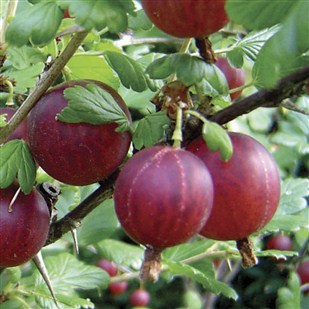 Fredonia is an excellent late cultivar. The bushes are reasonably energetic as well as effective. The berries are extremely big, dark red, appealing, as well as top quality.
2. American Types
American gooseberry plants are indigenous to the northeastern United States. Even though they tend to be more productive and much more resistant against ailment as compared to European versions, they will carry smaller-sized berries which are inferior in flavor. “Glendale” is a lot more resistant to the total sun when compared with some other types. It absolutely was particularly bred to complete in hotter areas, just like individuals present in Mediterranean climates. Simply because European types could be grown in most areas that assist gooseberry farming, these are suggested overall American kinds.
a. Pixwell
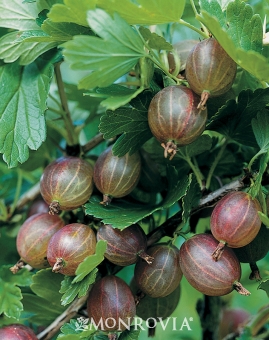 Axwell is really a sturdy, profitable cultivar along with fruit which is medium-sized, usually carried in groupings, as well as pink whenever complete ripe. The fruit hangs on lengthy, slim stems, is of excellent quality, and is also easily gathered. Canes are just reasonably thorny.
b. Downing
Downing is really a regular green-colored gooseberry. The plants are energetic as well as extremely profitable. The fruit is just medium-sized, along with lean skin and ideal quality.
c. Poorman
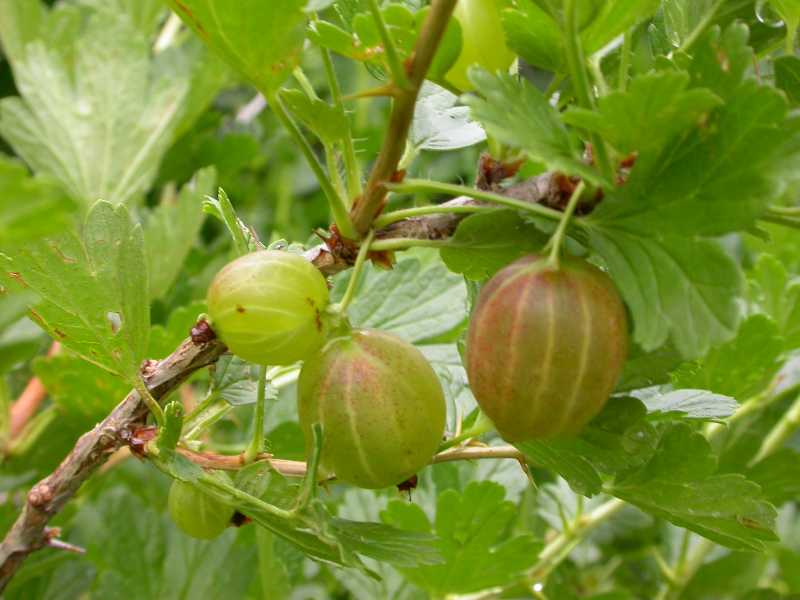 Poorman, even though it has just medium-sized fruit, still is one of the biggest of the American cultivars. The berries are usually red and also great in quality, ripening about 1 week sooner than Downing. The plants are strenuous, effective, and much less thorny as compared to various other cultivars. The fruit is excellent for fresh new consumption whenever totally ripe. Poorman is recommended for use at home.
How to store Gooseberry
The tart gooseberry offers a taste to cakes, jams as well as wines. The under-ripe berries are favored for jam-producing, however, the completely ripe berries are usually much less sour and best suited to use within sweets as well as drinks. Freezing enables you to store the gooseberries up until you are prepared to prepare them. Choose firm berries which have developed or even almost developed their full color. Freeze the berries right after harvesting so that they do not undergo a decrease in taste or even quality.
- Place the gooseberries within a huge bowl. Sort the berries, eliminating any kind of hooked-up stems as well as smashed berries.
- Fill the bowl along with cool water. Swish the berries about together with your hand. Skim off any kind of stems or even blossoms which flow to the top of the water.
- Pour the gooseberries right into a colander. Rinse out below cool water. Pat the berries dry that have a clean towel.
- Line a tray or even pan along with the wax paper. Distribute the gooseberries on the lined tray on one level.
- Set the tray within the freezer. Freeze the gooseberries for 4 to 8 hours, or even till they’re freezing solid.
- Transfer the frozen gooseberries into a freezer storage bag. Press the air out from the bag as well as seal it closed. Return the bag to the freezer unless you are prepared to make use of the gooseberries.
Ways to Eat Gooseberry
Gooseberry can be eaten raw:
- Buy gooseberries from stores along with a fast turnover on produce to make sure freshness. Choose unripe greenish gooseberries in case you are consuming them in cake or even like a homemade fruit spread. Select golden gooseberries in case you are consuming them as are, or even go for pinkish to purplish berries for the very least sour taste. They move from pink to purple while they mature.
- Peel off the husks of the gooseberries if you buy unpeeled fruits and take away them using their stems. Rinse out the gooseberries away completely below cold flowing water. Dry all of them with clean paper towels. Cut off the stem as well as tail ends using a razor-sharp, no serrated knife, or even kitchen scissors.
- Snack on fresh new, raw gooseberries, add them to salads as well as fruit salads, or even make use of them like a garnish for sweets if yours are not too sour or even tart.
- Poach peeled, cleaned as well as sliced up gooseberries to decrease their tartness if yours usually are not tasty enough to be consumed raw. Fill up a moderate saucepan midway along with water and produce it to cook above moderate warmth. Add some gooseberries and switch the heat right down to lower. Poach them till their seeds are freed as well as their skins retract.
- Puree gooseberries for the number of utilizes if you like not to consume them in berry type. Combine all of them right up until even if yours are not too sour or even tart to consume raw. If they’re very sour or even tart, poach them initially, and then press them through the strainer or even food mill.
- Juice gooseberries simply by mixing 8 cups of the fruit along with 1 cup of cool water within a big saucepan. Provide the water to the boil above medium-high warmth, and then decrease the warmth to medium-low. Cook the contents for Ten minutes, after that pour the juice right into a bowl by means of 3 layers of cheesecloth. Shake the cheesecloth out in the bowl to move the color of the gooseberries, if you want.
References
- https://www.ncbi.nlm.nih.gov/pmc/articles/PMC3649719/
- https://www.ncbi.nlm.nih.gov/pmc/articles/PMC6315720/
- https://www.ncbi.nlm.nih.gov/pmc/articles/PMC3419346/
- https://www.ncbi.nlm.nih.gov/books/NBK11795/
- https://www.ncbi.nlm.nih.gov/pmc/articles/PMC5291486/
- https://fruits.edpsciences.org/articles/fruits/abs/2012/05/fruits120033/fruits120033.html
- http://www.fao.org/3/cb2395en/CB2395EN.pdf
- https://www.fao.org/in-action/inpho/crop-compendium/fruits-vegetables/en/
- https://www.fao.org/3/cb2395en/online/src/html/fruit-and-vegetables.html
- http://www.fao.org/3/cb2395en/CB2395EN.pdf
- https://en.wikipedia.org/wiki/Fruit
- https://en.wikipedia.org/wiki/List_of_food_plants_native_to_the_Americas
- https://en.wikipedia.org/wiki/List_of_culinary_fruits
- https://www.hsph.harvard.edu/nutritionsource/what-should-you-eat/vegetables-and-fruits/
- https://www.betterhealth.vic.gov.au/health/healthyliving/fruit-and-vegetables
- https://www.cdc.gov/healthyweight/healthy_eating/fruits_vegetables.html
- https://www.botanical-online.com/en/botany/fruits-types-characteristics
- https://www.fda.gov/food/laboratory-methods-food/mpm-v-9-fruits-and-fruit-products-v-51-v-78
- https://www.fda.gov/food/food-labeling-nutrition/nutrition-information-raw-fruits-vegetables-and-fish
- https://onlinelibrary.wiley.com/doi/abs/10.1111/mcn.12208
- http://news.discovery.com/earth/
- https://www.cabi.org/isc/datasheet/
- https://www.science.org/
- https://plants.ces.ncsu.edu/plants/
- https://www.sciencedirect.com/topics/agricultural-and-biological-sciences/fruit-vegetable
- https://www.researchgate.net/publication/
- https://www.ams.usda.gov/grades-standards/fruits
- https://www.aphis.usda.gov/aphis/resources/traveler/intl-travel/fruits-vegetables/fruits-vegetables
- https://snaped.fns.usda.gov/seasonal-produce-guide
- https://www.nass.usda.gov/Publications/Highlights/2015/FruitsNutsBerries_AgCensusHighlights.pdf
- https://plants.usda.gov/home/plantProfile?
- https://www.fs.fed.us/wildflowers/ethnobotany/food/nuts.shtml
- https://downloads.usda.library.cornell.edu/usda-esmis/files/zs25x846c/sf269213r/6t054c23t/ncit0521.pdf
- https://agr.wa.gov/departments/business-and-marketing-support/farm-to-school-toolkit/
- https://health.gov/sites/default/files/2020-01/DGA2000.pdf
- https://www.farmers.gov/archived/cfap2/specialty
- https://www.hsph.harvard.edu/nutritionsource/
- https://www.foodsafety.gov/food-safety-charts/food-safety-during-power-outage
- https://clinicaltrials.gov/ct2/show/
- https://botany.org/home/careers-jobs/careers-in-botany/what-is-botany.html
- https://www.healthbenefitstimes.com/category/fruits
- http://www.hear.org/pier/species/
- https://www.itis.gov/servlet/SingleRpt/SingleRpt?
- http://www.theplantlist.org/tpl1.1/record/
- https://www.fs.fed.us/database/feis/plants/tree/
- https://www.itis.gov/servlet/SingleRpt/SingleRpt?
- https://eol.org/pages/
- https://www.crfg.org/pubs/ff/gooseberry.html
- https://en.wikipedia.org/wiki/Gooseberry
- https://www.rhs.org.uk/advice/grow-your-own/fruit/gooseberries
- http://wiki-fitness.com/health-benefits-gooseberry-amla-nutrition/
- https://www.plantvillage.org/en/topics/gooseberry/diseases_and_pests_description_uses_propagation
- http://www.fruit.cornell.edu/mfruit/gooseberries.html
- http://www.5aday.co.nz/facts-and-tips/fruit-vegetable-info/gooseberries.aspx
- https://www.mskcc.org/cancer-care/integrative-medicine/herbs/emblica-officinalis
- http://davesgarden.com/guides/pf/go/70572/

