
Passiflora edulis, commonly known as passion fruit, is a vine species of passion flower native to southern Brazil through Paraguay and northern Argentina. It is cultivated commercially in tropical and subtropical areas for its sweet, seedy fruit. The fruit is a pepo, a type of berry, round to oval, either yellow or dark purple at maturity, with a soft to firm, juicy interior filled with numerous seeds. The fruit is both eaten and juiced, the juice is often added to other fruit juices to enhance the aroma.
| Passion Fruit Quick Facts | |
|---|---|
| Name: | Passion Fruit |
| Scientific Name: | Passiflora edulis |
| Origin | Southern Brazil, Paraguay to northern Argentina |
| Colors | Green when young turning to yellow, greenish-yellow or purplish as they mature |
| Shapes | Fleshy berry, ovoid or globose, 1-1.4 cm long, 4-5 cm in diameter |
| Taste | The fresh, sweet yet slightly tart taste |
| Calories | 229 Kcal./cup |
| Major nutrients | Vitamin C (78.67%) Total dietary Fiber (64.47%) Iron (47.25%) Carbohydrate (42.45%) Vitamin B2 (23.62%) |
| Health benefits | Prevents Cancer and Treats Insomnia |
Passion Fruit scientifically known as Passiflora edulis is actually a shallow-rooted, tendril-climbing, evergreen vine that belongs to the family of Passifloraceae. It is also known as black passionfruit, maracuya, passion fruit, passionflower, purple granadilla, purple passion fruit, purple water lemon, qarandila and yellow passion fruit. The plant is native to southern Brazil, Paraguay to northern Argentina, but is now grown in tropical and subtropical climates throughout the world. Genus name comes from the Latin words passio meaning passion and flos meaning a flower for the flower’s symbolism of the crucifixion of Christ. It is cultivated commercially in tropical and subtropical areas for its sweet, seedy fruit and is widely grown in several countries of South America, Central America, the Caribbean, Africa, Southern Asia, Israel, Australia, Hawaii (Liliko’i) and United States.
Plant Description
Passion fruit is a vigorous, herbaceous, perennial climber that grows about 0.5-2 m in length. The plants grows in tropical and subtropical mesic to wet environments especially forests and scrub, forest edges, forest gaps and riparian areas in forests and usually prefers well-drained soil with plenty of moisture in the growing season. Stem is slender, angular, striate, glabrous or puberulent.
Leaves
Leaves are alternate, in the form of a horseshoe or a ‘v’, with three main veins, coriaceous, with two divergent lobes, forming an angle of 45-93° between them, the lobes are oblanceolate, oblong, or linear, 2.2-6.5 × 0.4-1.4 cm, with rounded or acuminate apices, the base cuneate or rounded, the margin undulate, revolute; upper surface slightly leathery, glossy green or yellow-green; lower duller green, with prominent venation; petioles 3-5 mm long, canaliculate, without glands; stipules filiform, approximately 4 mm long; tendrils simple, filamentous. This vine clings to supports by coiled tendrils.
Flower & Fruit
Flower is solitary, up to 7 cm in diameter. Sepals are oblong, green, 4-6 mm long and petals are pale green, oblong, as long as the sepals; corona of two series of filiform filaments, pale green, as long as the sepals; gynophore approximately 2 mm long, tubular; stamens 5; ovary claviform, the styles recurved, the stigmas capitate. Flowering takes place from Jul to August. Passion flowers are followed by fleshy berry, ovoid or globose, 1-1.4 cm long and 4-5 cm in diameter. The fruit is green when young turning to yellow, greenish-yellow or purplish as they mature. The fruit has tough outer rind which covers firm, juicy meat along with abundance of seeds. Fruit normally weights in between 35-50 g. Seeds are numerous, elliptical, small, hard, dark-brown or black, pitted, approximately 2.3 mm long, with transverse striae. Ripe fruits are edible off the vine or combined into a variety of food products such as beverages, jellies, fruit salads and sherbets. The fruit is both eaten and juiced; passion fruit juice is often added to other fruit juices to enhance aroma.
History
Purple and yellow passion fruit are native to Brazil. They were cultivated by the Aztecs, who prepared refreshments and drinks with them. It was introduced to Europe in 1629 thanks to the Spanish Jesuit missionaries. This fruit is hugely cultivated in Hawaii, Australia, South Africa, Venezuela, Brazil, Peru, Ecuador and Colombia. The sweet granadilla is cultivated all over South America, as well as in Hawaii and Kenya. The giant granadilla is mainly cultivated in the Andean area of South America and in Thailand, Indonesia and Malaysia. The chalupa is cultivated in South America. Finally, the banana passion fruit has a Colombian origin, from the Andean area.
The United Nations Agriculture and Food Organization (FAO) gathers the production and export data of different tropical fruit, among which are the carambola, cherimoya, feijoa, guava, mangosteen, passion fruit, rambutan, sapote, etc. Today it is grown throughout the world because of its unique taste and wonderful health benefits.
Types of Passion Fruit
The genus Passiflora (Passifloraceae) is definitely the wealthiest in fruit varieties with more than 60 examples. A number of varieties may also be of decorative interest due to the single, magnificent type of their flowers, plus some can be used for their sedative, antispasmodic, anti-bacterial as well as anti-insect qualities. A number of grown varieties are explained.
1. Purple Passion Fruit
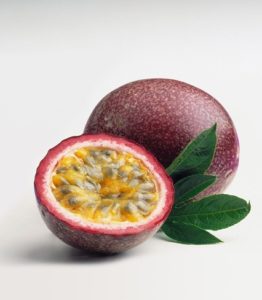
This is one of the most common varieties which feature tiny globular or ovoid fruits, about 4 to 9 centimeters in length and 4 to 7 centimeters in diameter. They have a breakable pericarp and a darkish yellow pulp which occupies 35 to 50% of the fruit’s weight. It has its origin in Southern Brazil, Northern Argentina and Paraguay.
2. Yellow Passion Fruit
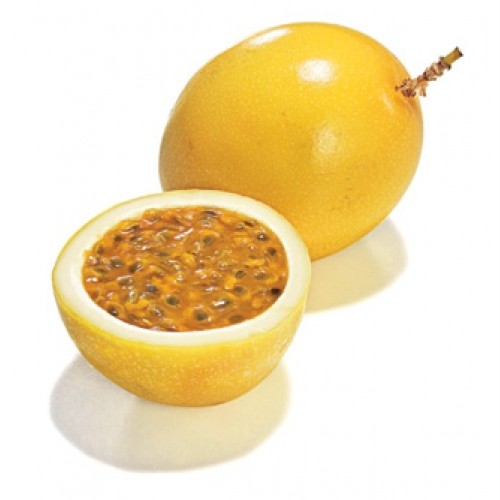
Yellow passion fruit is more energetic in comparison to the purple variety. These fruits are spherical to oblong and have a smooth yellow surface. Their pericarp is tougher and they are larger with a length of 6 to 12 centimeters and diameter of 4 to 7 centimeters. They are comparatively less savory and a little more acidic.
3. Sweet Passion Fruit
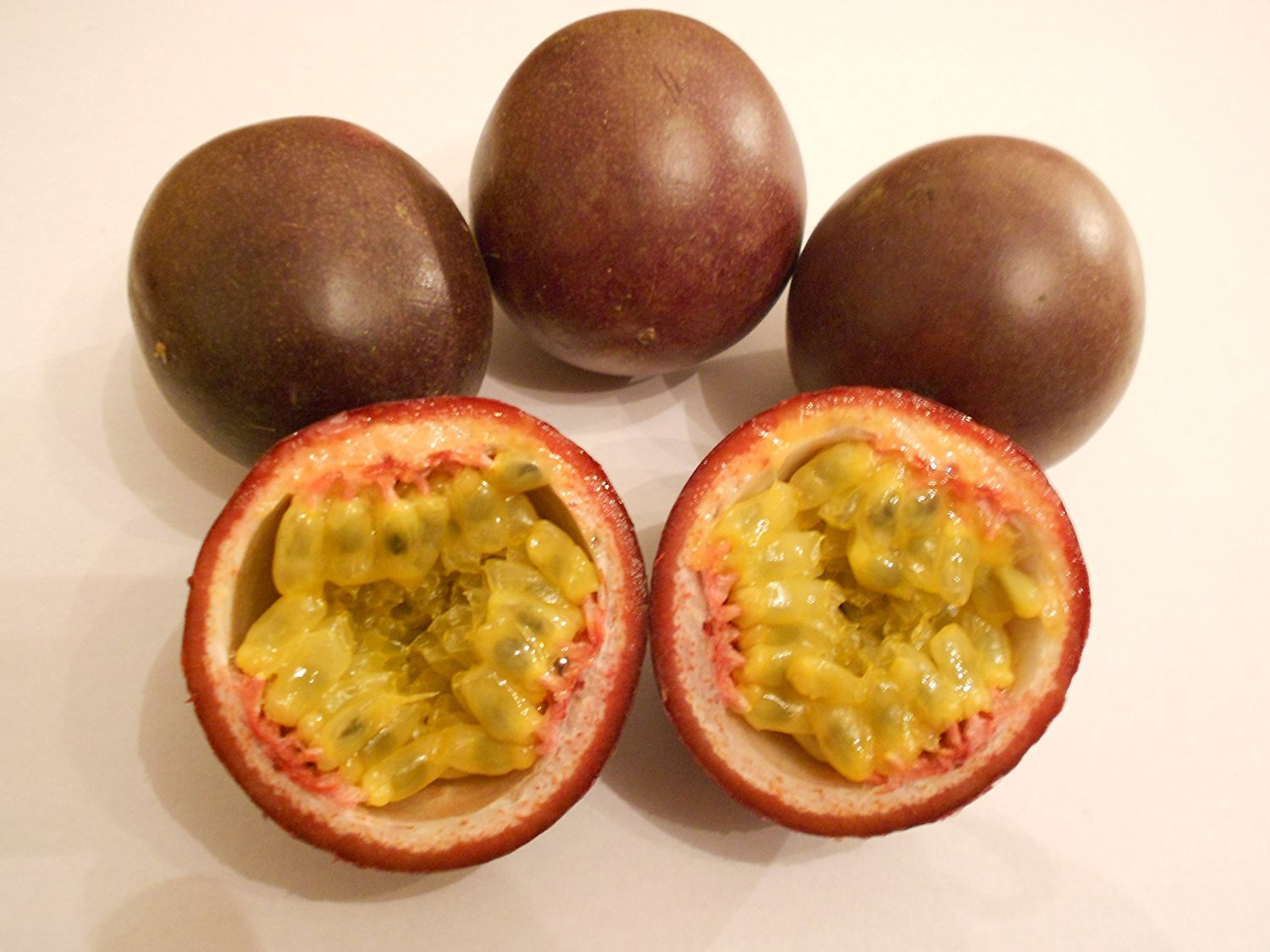
Also known as sweet granadilla, this fruit is widely found in Mexico, Bolivia and Venezuela. The fruits are spherical to ovoid in shape measuring 5 to 9 centimeters in length and 4 to 7 centimeters in diameter. Its pericarp is slim and breakable, pale brown to orange and often violet in color with little pale spots or blotches. It has a pale grey pulp which is fragrant and somewhat acidulous.
4. Giant Passion Fruit
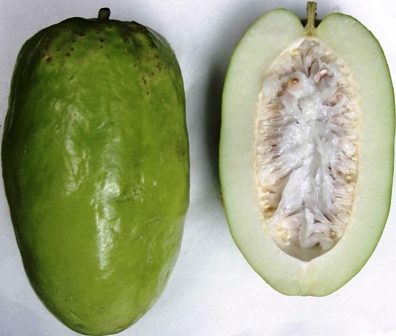
This fruit has its origin in the West Indies. It is yellowish-green and sometimes pinkish in color. It is ovoid to oblong in shape measuring about 20 to 30 centimeters in length and 18 centimeters in diameter. It has a pale white to orangey pulp which is sweet and acidulous.
5. Banana Passion Fruit
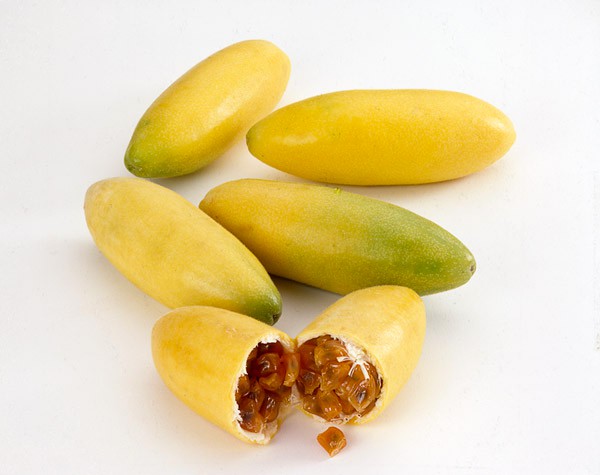
This is basically an oblong fruit measuring about 6 to 20 centimeters in length and 3 to 5 centimeters in diameter. It has a pale yellow and sometimes green pericarp which is thin and versatile yet leathery. Its pulp is salmon pink to dark orange in color and occupies 60% of the fruit’s weight. It has a lower level of acidity and a pleasant fragrance with astringent qualities.
Nutritional value of Passion Fruit Purple, raw
Calories 229 K cal. Calories from Fat 14.85 K cal.
| Proximity | Amount | % DV |
|---|---|---|
| Water | 172.11 g | N/D |
| Energy | 229 Kcal | N/D |
| Energy | 958 kJ | N/D |
| Protein | 5.19 g | 10.38% |
| Total Fat (lipid) | 1.65 g | 4.71% |
| Ash | 1.89 g | N/D |
| Carbohydrate | 55.18 g | 42.45% |
| Total dietary Fiber | 24.5 g | 64.47% |
| Total Sugars | 26.43 g | N/D |
| Minerals | Amount | % DV |
|---|---|---|
| Calcium, Ca | 28 mg | 2.80% |
| Iron, Fe | 3.78 mg | 47.25% |
| Magnesium, Mg | 68 mg | 16.19% |
| Phosphorus, P | 160 mg | 22.86% |
| Potassium, K | 821 mg | 17.47% |
| Sodium, Na | 66 mg | 4.40% |
| Zinc, Zn | 0.24 mg | 2.18% |
| Copper, Cu | 0.203 mg | 22.56% |
| Selenium, Se | 1.4 µg | 2.55% |
| Vitamins | Amount | % DV |
|---|---|---|
| Water-soluble Vitamins | ||
| Vitamin B2 (Riboflavin) | 0.307 mg | 23.62% |
| Vitamin B3 (Niacin) | 3.54 mg | 22.13% |
| Vitamin B6 (Pyridoxine) | 0.236 mg | 18.15% |
| Vitamin B9 (Folate) | 33 µg | 8.25% |
| Folate, food | 33 µg | N/D |
| Folate, DEF | 33 µg | N/D |
| Choline | 17.9 mg | 3.25% |
| Vitamin C (Ascorbic acid) | 70.8 mg | 78.67% |
| Fat-soluble Vitamins | ||
| Vitamin A, RAE | 151 µg | 21.57% |
| Vitamin A, IU | 3002 IU | N/D |
| Beta Carotene | 1753 µg | N/D |
| Beta Cryptoxanthin | 97 µg | N/D |
| Vitamin E (alpha-tocopherol) | 0.05 mg | 0.33% |
| Vitamin K (phylloquinone) | 1.7 µg | 1.42% |
| Lipids | Amount | % DV |
|---|---|---|
| Fatty acids, total saturated | 0.139 g | N/D |
| Palmitic acid 16:00 (Hexadecanoic acid) | 0.106 g | N/D |
| Stearic acid 18:00 (Octadecanoic acid) | 0.033 g | N/D |
| Fatty acids, total monounsaturated | 0.203 g | N/D |
| Oleic acid 18:1 (octadecenoic acid) | 0.203 g | N/D |
| Fatty acids, total polyunsaturated | 0.97 g | N/D |
| Linoleic acid 18:2 (octadecadienoic acid) | 0.968 g | N/D |
| Linolenic acid 18:3 (Octadecatrienoic acid) | 0.002 g | N/D |
| Isoflavones | Amount | % DV |
|---|---|---|
| Daidzein | 0.02 mg | N/D |
| Genistein | 0.02 mg | N/D |
| Total isoflavones | 0.05 mg | N/D |
*Above mentioned Percent Daily Values (%DVs) are based on 2,000 calorie diet intake. Daily values (DVs) may be different depending upon your daily calorie needs. Mentioned values are recommended by the U.S. Department of Agriculture. They are not rxharun.com recommendations. Calculations are based on average age of 19 to 50 years and weigh 194 lbs. Source: https://ndb.nal.usda.gov/
Health Benefits of Passion Fruit
Passion fruit is not only delicious as juice but also could be turned into several dishes and desserts. Furthermore, passion fruit is also rich of certain nutrients which makes this fruit is highly recommended to consume regularly. Below is the list of health benefits of passion fruit:
1. Prevents Cancer
Passion fruit is also a powerful source to enhance anti-carcinogenic activity in the body. Antioxidants in passion fruit mainly remove free radicals, which are known for mutating the DNA of healthy cells into cancerous ones. Passion fruit contains vitamin A, various flavonoids, and phenolic compounds, all of which have been linked to anti-cancer properties, particularly in terms of oral and lung cancers.(1)
2. Improves Bone Health
Passion fruit is a rich source of minerals like iron, copper, magnesium, and phosphorus. It is a very important fruit for increasing mineral bone density and bone strength. Some of these minerals are integral parts in creating additional bone matter, strengthening existing bone matter, and speeding up repair. This can be a means of eliminating, preventing or alleviating the symptoms of osteoporosis and the associated pain and inflammation that occurs when bones deteriorate with age and activity.
3. May Help Reduce Inflammation
Passion fruit peels consists of higher antioxidant content which give them powerful anti-inflammatory effects when they’re taken as a supplement. Research examined the effects of a purple passion fruit peel supplement on symptoms of asthma over four weeks and obtained a positive outcome.
Other research has examined the effects of purple passion fruit peel extract on joint pain and function in people with knee osteoarthritis. This is a painful condition caused by inflammation in the knee joint.(2), (3)
4. Younger looking skin
Antioxidants found abundantly in passion fruit are good for our skin. Passion fruit consists of antioxidants like Vitamin A, Vitamin C, riboflavin and carotene. These antioxidants reduce the production of free radicals in our body. Free radicals are generated by our body cells as a by-product and can cause skin aging. The anti-inflammatory properties of passion fruit tend to soothe our skin.
5. Treats Insomnia
Drinking a glass of cold passion fruit juice helps to relax our nerves and has a calming effect on the mind. Passion fruit is often used to cure digestive problems and gastric diseases. This fruit is beneficial for people with insomnia or sleeping disorders. It possesses somniferous properties, which when taken before going to bed, help you to relax and have a peaceful sleep. Glass of passion fruit juice before going to bed is quite effective in this regard.(4)
6. Aids Digestion
Passion fruits are a good source of fiber, and a single serving provides the human body with approximately 98% of its daily requirement. Fiber is an essential component of a healthy diet since it is the substance that accelerates healthy digestion of food and the regulation of bowel movements. Passion fruit is a good source of soluble fiber, both in the pulp and in the rind, which acts as a bulk laxative, moving food through the digestive tract and reducing exposure time of the colon to any toxins. It also reduce signs of constipation by regulating bowel movements, scrubs the blood vessels clean of excess cholesterol, and even prevent gastrointestinal conditions like colorectal cancer! (5)
7. Weight Loss
Passion fruit is a wonderful option for dieters as it is low in calories, sodium and fat. A 100 gram serving of passion fruit provides just 97 calories. It also has a high content of carbohydrates and natural sugars. These nutrients are effective in reducing cholesterol levels in the body. High fiber content, on the other hand, fills you up, thus reducing your cravings for other foods. This results in weight loss and maintenance of ideal body weight.(6)
8. Improves Circulation
When combined with the vasodilation properties of potassium, the high iron and copper content of passion fruit can really make an impact. Iron and copper are both essential components of red blood cell production. Once the RBC count increases and the vessels are dilated, then healthy, oxygenated blood can flow freely to required parts of the body, encouraging the metabolic activity in all the organ systems and boosting productivity and efficiency. Healthy blood flow is necessary for proper functioning! (7), (8)
9. Soothes Respiratory Conditions
Recent research have shown that a combination of several extracts from the purple passion fruit peel creates a new mixture of bioflavonoids, which have an expectorant, sedative, and soothing effect on the respiratory system. It has been positively connected to a reduction in asthma attacks, wheezing, and whooping cough. (9)
10. Reduce the Risk of Arthritis
Beta carotene found abundantly in passion fruit has the ability to reduce the risk of arthritis. Arthritis is a condition whereas there is inflammation in the joint and beta-carotene in passion fruit is not a magic solution to deal with this condition.
11. Cardiovascular Health
Passion fruit consists of good amount of phenolic acids and flavonoids that helps in protecting your heart. Polyphenols found in seeds have been found to promote vasorelaxation i.e. extending of blood vessels as a result of relaxation of smooth muscle cells inside the blood vessel walls. This extension of blood vessels causes a reduction in vascular stress, thus promoting heart health. It also contains plant sterols that help in lowering the cholesterol levels, thus contributing to cardiovascular benefits.(10)
12. Good for Eye Health and Vision
As we all know that any fruits or vegetables that contain vitamin A will be good for eye health and vision. Additionally, flavonoid, one of the active antioxidant is also found adequately in passion fruit. Flavonoid is widely known as powerful substances which are beneficial for eye health; it provides additional protection to the cornea and assists in taking care free radicals that could cause some harmful effect to healthy cells.
13. Helpful in Curing Anemia
Anemia is caused due to reduced concentrations of red blood cells or hemoglobin. Passion fruit, being a rich source of non-heme or plant-based iron can help to combat this problem. A cup of raw passion fruit provides nearly 4 milligrams of iron. The daily requirement is 6 micrograms for men and 8.1 micrograms for women. Besides, the Vitamin C in passion fruit helps the body soak up its iron content.(11)
14. Boosts Immunity
Passion fruit consist of huge amount of vitamin C, carotene, and cryptoxanthin which are actually immune-strengthening elements. A single serving of passion fruit (100 grams) provides about 30 mg of vitamin C. All of these vitamins act as antioxidants, which hunt free radicals from the body and neutralize them before they can harm the organ systems and result in conditions like cancer, heart disease, or premature aging. Furthermore, vitamin C stimulates the activity of white blood cells and the rest of the immune defense system, thereby protecting you from common illnesses and serious diseases at the same time.(12)
15. Maintain the Healthy Hair
Potassium together with copper and combined with some vitamins like vitamin A, vitamin C, vitamin B2 and vitamin B6 will provide great solution for healthy hair. They will help to distribute oxygen to support the circulation system in your scalp. Healthy scalp means healthy follicles, healthy follicles means healthier and stronger hair.
16. Reduces Blood Pressure
If you eat one serving of passion fruit each day, you can satisfy 1/4 of your potassium needs instantly. Potassium is a vital mineral in the human body for a number of reasons, one of which is its role as a vasodilator. It relaxes the tension of blood vessels and promotes increased blood flow. This reduces the strain on the heart and increases overall cardiovascular health. Furthermore, potassium is necessary to maintain the proper fluid balance of the body’s cells. Movement between membranes is often only allowed through potassium-regulated channels, so proper amounts of this mineral are of extreme importance. So make sure you pop a passion fruit into your lunch once in a while to keep your heart healthy and your cells functioning!(13), (14)
17. Relieves Asthma
Being highly nutritious and healthy, passion fruit can soothe asthma attacks. Moreover, it contains Vitamin C which has a blocking effect of histamine that causes asthma symptoms. A recent research has proved that the purple passion fruit extract, being rich in flavonoids, can ease wheezing.(15)
Traditional uses and benefits of Passion Fruit
- The pulp of the fruit is stimulant and tonic.
- Passion fruit juice and the leaves and flowers of the passion vine contain the alkaloid, Harman, which has a mild sedative effect and can aid in inducing sleep.
- Passion fruit is quite beneficial for healthy bones, tissues and heart.
- It helps in reducing the symptoms of asthma, by reducing allergy and respiratory tract inflammations.
- It can also cure coughs, whooping coughs and bronchitis.
- The fruit is also used to treat depression and anxiety in traditional medicines.
- This fruit is even used for curing mild urinary tract infections and increasing libido.
- Its seeds help to relieve constipation and prevent hemorrhoids.
- Passion fruit pulp slows down the aging of the skin by protecting collagen.
- Seeds contain oils that help to control wrinkles and keep the skin moist.
- Drinking passion fruit tea is a traditional cure for insomnia.
- The calming nature of passion fruit makes it good for reducing stress and anxiety.
Culinary Uses
- In Australia and New Zealand, it is added to fruit salads, and fresh fruit pulp or passion fruit sauce is commonly used in desserts, including as a topping for pavlova and ice cream, a flavoring for cheesecake, and in the icing of vanilla slices.
- A passion fruit-flavored soft drink called Passiona has also been manufactured in Australia since the 1920s.
- Passion fruit mousse is a common dessert, and passion fruit pulp is routinely used to decorate the tops of cakes.
- In the Dominican Republic, it is used to make juice and Fruit preserves. Passion fruit-flavored syrup is used on shaved ice, and the fruit is also eaten raw, sprinkled with sugar.
- Passion fruit is used to make fruit juice and is commonly eaten as a whole fruit in East Africa.
- Passion fruit is used to make juice or is eaten raw with chili powder and lime in Mexico.
- Passion fruit is used to prepare desserts such as passion fruit mousse, cheesecake, ice cream, and to flavor yogurts and cocktails in Paraguay.
- Passion fruit is used in several desserts, especially cheesecakes in Peru.
- Passion fruit is used as a base for a variety of liqueurs and mousses in Portugal.
- It is used in juices, ice cream or pastries in Puerto Rico.
- In South Africa, it is used to flavor yogurt. It is also used to flavor soft drinks such as Schweppes’ “Sparkling Granadilla” and numerous cordial drinks.
- It is often eaten raw or used as a topping for cakes and tarts.
- Passion fruit juice, along with faluda, is one of the most popular refreshments in Sri Lanka.
- Passion fruit is used as a dessert flavoring for malasadas, cheesecakes, cookies, ice cream and mocha in Hawaii.
- Passion fruit is also favored as a jam or jelly, as well as butter.
How to Eat Passion Fruit
To eat this tropical fruit, you need to slice or rip open the rind to expose the colorful, juicy flesh and seeds. When they are open, the seeds are edible, so you can eat them together with the colorful flesh and juice. The white film separating the rind from the flesh is also edible, but most people don’t eat it since it’s very bitter.m Passion fruit is a very versatile fruit and can be used in a variety of ways. Many people enjoy the fruit raw and eat it straight out of the rind.
Some of the more popular ways to use passion fruit include:
- Drinks: It can be squeezed through a sieve to make juice, added to cocktails or used to make a cordial to flavor water, like this.
- Desserts: It is often used as a topping or flavoring for cakes and desserts, like this cheesecake or this mousse.
- On salads: It can be used to add a crunchy texture and sweet flavor to salads like this one.
- In yogurts: Mix it with natural yogurt to make a delicious snack.
Other Facts
- Edible oil is obtained from the seed.
- With its very attractive flowers, it is also desirable as an ornamental or garden plant for homes around the world with suitable climate.
How to store Passion Fruit
Passion fruit is available in darkish purple or even yellow types. Whenever you choose passion fruit, look at it for wrinkles. The old and wrinkly skin signifies ripeness. Ripe passion fruit may also have a standard color with no green areas. In case the passion fruit has not yet ripened totally, you are able to encourage the ripening tactic to complete in your own home. As soon as the passion fruit ripens, it requires stored correctly to extend the life expectancy.
- Wash the passion fruit beneath cool flowing water. Dry up the passion fruit totally along with paper towels.
- Place the passion fruit within brown paper bags. Let the fruit to ripen.
- Place the passion fruit within the fridge. Keep the fruit within the refrigerator for the best outcomes.
- Store the passion fruit for approximately a couple weeks.
Freezer
- Wash the passion fruit completely along with cool water.
- Cut the passion fruit in two. Scoop out of the pulp into a bowl.
- Place the pulp directly into ice cube trays.
- Freeze the passion fruit. Eliminate the fruit from the ice cube trays and also store the frozen fruit within a freezer container or even freezer bag.
- Store the frozen passion fruit for approximately eight months.
Warning and Caution of Passion Fruit
After discussing the list of passion fruit’s health benefit, finding out about the caution of this fruit is also necessary; especially for you who are planning to put this fruit into your daily diet menu. It is due to the possibility of passion fruit to interact negatively toward some substances that mostly found in drugs.
If you are currently in specific diet program with medication or currently under doctor order to consume certain supplements, discussing this matter with your doctor is intensely recommended. Below are some lists of warnings and caution you should know about passion fruit, for further detail, consulting this with your doctor is a must to be done:
1. Excess Consumption of Passion Fruit is Dangerous for Diabetes Patients
Passion fruit is rich in carbohydrate and natural sugar. Though the sugar contained in passion fruit naturally is good for human’s health but it could be dangerous for patient who is suffering from diabetes which already have difficulty in dissolving the excess sugar in their blood. So it is far better to avoid this fruit at all cost for those who are presently suffering high blood sugar level.
2. Contained Sedative Properties
It has been mentioned a bit in some point above that passion fruit contained sedative properties called alkaloid. In moderate amount the function of this sedative substance becomes the healing properties but in excess amount, this substance could cause some problem with the nerve system. Instead of calming effect, this substance could cause some kinds of panic attacks.
3. Passion Fruit might Interact Negatively Toward some Drugs
There are some cases that show negative interaction of passion fruit toward some drugs. For those who are presently receiving depression and anxiety medicines, consulting this matter with the professional is highly recommended before adding passion fruit as part of daily diet. Some medical cases also show that passion fruit cannot be consumed by those who recently consuming aspirin which has anti-coagulant properties, the effect may cause the dilute of the blood excessively.
References
- https://www.ncbi.nlm.nih.gov/pmc/articles/PMC3649719/
- https://www.ncbi.nlm.nih.gov/pmc/articles/PMC6315720/
- https://www.ncbi.nlm.nih.gov/pmc/articles/PMC3419346/
- https://www.ncbi.nlm.nih.gov/books/NBK11795/
- https://www.ncbi.nlm.nih.gov/pmc/articles/PMC5291486/
- https://fruits.edpsciences.org/articles/fruits/abs/2012/05/fruits120033/fruits120033.html
- http://www.fao.org/3/cb2395en/CB2395EN.pdf
- https://www.fao.org/in-action/inpho/crop-compendium/fruits-vegetables/en/
- https://www.fao.org/3/cb2395en/online/src/html/fruit-and-vegetables.html
- http://www.fao.org/3/cb2395en/CB2395EN.pdf
- https://en.wikipedia.org/wiki/Fruit
- https://en.wikipedia.org/wiki/List_of_food_plants_native_to_the_Americas
- https://en.wikipedia.org/wiki/List_of_culinary_fruits
- https://www.hsph.harvard.edu/nutritionsource/what-should-you-eat/vegetables-and-fruits/
- https://www.betterhealth.vic.gov.au/health/healthyliving/fruit-and-vegetables
- https://www.cdc.gov/healthyweight/healthy_eating/fruits_vegetables.html
- https://www.botanical-online.com/en/botany/fruits-types-characteristics
- https://www.fda.gov/food/laboratory-methods-food/mpm-v-9-fruits-and-fruit-products-v-51-v-78
- https://www.fda.gov/food/food-labeling-nutrition/nutrition-information-raw-fruits-vegetables-and-fish
- https://onlinelibrary.wiley.com/doi/abs/10.1111/mcn.12208
- http://news.discovery.com/earth/
- https://www.cabi.org/isc/datasheet/
- https://www.science.org/
- https://plants.ces.ncsu.edu/plants/
- https://www.sciencedirect.com/topics/agricultural-and-biological-sciences/fruit-vegetable
- https://www.researchgate.net/publication/
- https://www.ams.usda.gov/grades-standards/fruits
- https://www.aphis.usda.gov/aphis/resources/traveler/intl-travel/fruits-vegetables/fruits-vegetables
- https://snaped.fns.usda.gov/seasonal-produce-guide
- https://www.nass.usda.gov/Publications/Highlights/2015/FruitsNutsBerries_AgCensusHighlights.pdf
- https://plants.usda.gov/home/plantProfile?
- https://www.fs.fed.us/wildflowers/ethnobotany/food/nuts.shtml
- https://downloads.usda.library.cornell.edu/usda-esmis/files/zs25x846c/sf269213r/6t054c23t/ncit0521.pdf
- https://agr.wa.gov/departments/business-and-marketing-support/farm-to-school-toolkit/
- https://health.gov/sites/default/files/2020-01/DGA2000.pdf
- https://www.farmers.gov/archived/cfap2/specialty
- https://www.hsph.harvard.edu/nutritionsource/
- https://www.foodsafety.gov/food-safety-charts/food-safety-during-power-outage
- https://clinicaltrials.gov/ct2/show/
- https://botany.org/home/careers-jobs/careers-in-botany/what-is-botany.html
- https://www.healthbenefitstimes.com/category/fruits
- http://www.hear.org/pier/species/
- https://www.itis.gov/servlet/SingleRpt/SingleRpt?
- http://www.theplantlist.org/tpl1.1/record/
- https://www.fs.fed.us/database/feis/plants/tree/
- https://www.itis.gov/servlet/SingleRpt/SingleRpt?
- https://eol.org/pages/
- http://www.theplantlist.org/tpl/record/kew-2559735
- http://www.plantnames.unimelb.edu.au/Sorting/Passiflora.html
- https://www.itis.gov/servlet/SingleRpt/SingleRpt?search_topic=TSN&search_value=22223#null
- http://www.hear.org/pier/species/passiflora_edulis.htm
- https://npgsweb.ars-grin.gov/gringlobal/taxonomydetail.aspx?id=26962
- http://pfaf.org/User/Plant.aspx?LatinName=Passiflora+edulis
- http://www.cabi.org/isc/datasheet/38799
- http://www.missouribotanicalgarden.org/PlantFinder/PlantFinderDetails.aspx?kempercode=e945
- http://www.botanical.com/botanical/mgmh/p/pasflo14.html
- https://plants.usda.gov/core/profile?symbol=PAED

