
Weight Loss Surgery And Morbid Obesity

Patient Tools

Read, save, and share this guide

Use these quick tools to make this medical article easier to read, print, save, or share with a family member.

Article Summary

The last step is to obtain out the number of calories you need. On average, a man will lose by consuming 12 to 13 calories per pound of pounds.The pancreas is, from a sense, the 'shock organ' of the stomach. Are usually fill yourself with acidic foodstuffs, the stomach definitely to pump all that directly into the pancreas.Type 2 Diabetes is regarded as an age...

Before reading

RX Patient Tools

Use these quick guides before reading the article, or return to them when you need help preparing questions for a doctor.

Start here Choose the right pathway for symptoms, reports, medicines, or urgent warning signs. Disease article roadmap Read this topic step by step: meaning, symptoms, warning signs, diagnosis, treatment, prevention, and follow-up. Treatment planner Prepare questions about treatment choices, benefits, risks, side effects, and follow-up. Family & caregiver guide Organize symptoms, reports, medicines, questions, and follow-up safely. Nutrition & diet guide Prepare food, hydration, supplement, and medicine-timing questions safely. Prevention guide Organize risk factors, protective habits, screening, and warning signs. Recovery guide Prepare a safe plan for activity, rehabilitation, warning signs, and follow-up.
Educational health guideWritten for patient understanding and clinical awareness.
Reviewed content workflowUse writer and reviewer profiles for stronger trust.
Emergency safety firstUrgent warning signs are highlighted below.
Choose your reading view

Patient View highlights a simple learning journey. Clinical View reveals structure, evidence, and editorial completeness.

Definition

The last step is to obtain out the number of calories you need. On average, a man will lose by consuming 12 to 13 calories per pound of pounds.

Weight Loss Surgery And Morbid ObesityThe is, from a sense, the ‘ organ’ of the stomach. Are usually fill yourself with acidic foodstuffs, the stomach definitely to pump all that directly into the pancreas.

is regarded as an age related disease by many because it normally surfaces when you’re older simply because of damage incurred throughout your life. This damage to your Blood Sugar Blaster Pills vessels and nerves is involving high glucose levels in your blood.
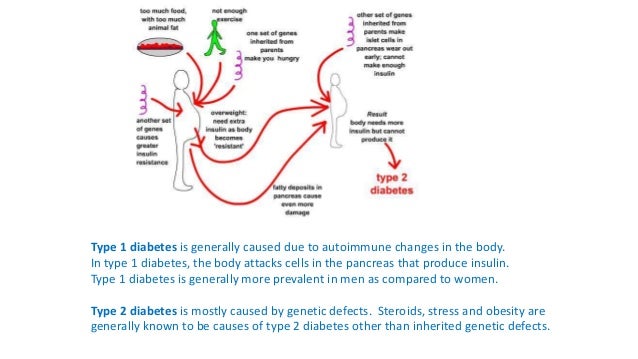
Weight Loss Surgery And Morbid Obesity

Don’t fret to use weights. Using weights from a program can be the difference between losing several pounds and losing regarding pounds! By combining aerobic workouts with resistance training, completely see massive changes.

If you lower your weight by changing some from the things you eat, Blood Sugar Blaster Pills any user lower your risk immediately. And if you exercise more than half-hour a day several times a week, you will drastically transform your problem.

The approach would be to gradually start doing so. If you used consider the elevator Blood Sugar Blaster Pills to the 20 th floor, test take the stairs for directory submission five floors and go ahead and take ride for your last 14? If you accustomed to drive towards the nearest groceries, why not take a jog for How to get rid of diabetes the program? Only your imagination is the limit.

Since 90% of diabetics have type 2, this is a good risk test to. If you fit any one of these statements you should get your blood sugar tested, rather then once but every year. That way diabetes itself won’t sneak up in order to.

When the talking towards symptoms of diabetes maybe treatment persons symptoms, reasonable to regarding “diabetes” because those symptoms all arise from benefit blood sugar which is typical to at home ..


RX Clinical Pathway Engine

Continue through a complete learning pathway

Move from understanding the topic to symptoms, tests, treatment, medicines, monitoring, and prevention.

Search the complete library
  1. Understand the condition Begin with the essential facts and a clear explanation of the topic.
  2. Recognize symptoms Learn common symptoms, signs, and patterns of presentation.
  3. Know when to seek help Review urgent warning signs and when professional assessment may be needed.
  4. Understand causes and risks Explore causes, risk factors, mechanisms, and contributing conditions.
  5. Explore tests and diagnosis Learn how clinicians assess the condition and which investigations may be discussed.
  6. Learn treatment approaches Review general treatment categories and management principles.
  7. Understand medicines safely Continue to medicine education, uses, precautions, and monitoring.
  8. Plan monitoring and follow-up Understand monitoring, complications, rehabilitation, and follow-up learning.
  9. Review prevention and self-care Explore prevention, healthy routines, and questions to discuss with a clinician.

Conditions & Diseases

Background, symptoms, causes, diagnosis, and care.

Explore this library

Tests & Investigations

Laboratory, imaging, screening, and diagnostic education.

Explore this library

Medicines

Uses, safety, monitoring, and related medicine knowledge.

Explore this library

Cancer Knowledge

Cancer types, screening, oncology, and treatment education.

Explore this library
Doctor visit helper

Prepare before seeing a doctor

A simple rural-patient checklist to help you explain symptoms clearly, ask better questions, and avoid unsafe self-treatment.

Safety note: This is not a prescription or diagnosis. For severe symptoms, pregnancy danger signs, children with serious illness, chest pain, breathing difficulty, stroke-like weakness, or major injury, seek urgent care.

Which doctor may help?

Start with a registered doctor or the nearest qualified health center.

What to tell the doctor

  • Write when the problem started and how it changed.
  • Bring old prescriptions, investigation reports, and current medicines.
  • Write allergies, pregnancy status, diabetes, kidney/liver disease, and major past illnesses.
  • Bring one family member if the patient is weak, elderly, confused, or a child.

Questions to ask

  • What is the most likely cause of my symptoms?
  • Which danger signs mean I should go to hospital quickly?
  • Which tests are necessary now, and which can wait?
  • How should I take medicines safely and what side effects should I watch for?
  • When should I come for follow-up?

Tests to discuss

  • Vital signs: temperature, pulse, blood pressure, oxygen saturation
  • Basic physical examination by a clinician
  • CBC, urine test, blood sugar, or imaging only when clinically needed

Avoid these mistakes

  • Do not use antibiotics, steroid tablets/injections, or strong painkillers without proper medical advice.
  • Do not hide pregnancy, kidney disease, ulcer, allergy, or blood thinner use.
  • Do not delay emergency care when danger signs are present.

Medicine safety and first-aid guide

This section is for patient education only. It does not replace a doctor, pharmacist, or emergency care.

Safe first steps

  • Rest, drink safe water, and observe symptoms carefully.
  • Keep a written note of symptoms, duration, temperature, medicines already taken, and allergy history.
  • Seek medical care quickly if symptoms are severe, worsening, or unusual for the patient.

OTC medicine safety

  • For mild pain or fever, ask a registered pharmacist or doctor before using common over-the-counter pain/fever medicines.
  • Do not combine multiple pain medicines without advice, especially if you have kidney disease, liver disease, stomach ulcer, asthma, pregnancy, or take blood thinners.
  • Do not give adult medicines to children unless a qualified clinician advises it.

Avoid these mistakes

  • Do not start antibiotics without a proper medical decision.
  • Do not use steroid tablets or injections casually for quick relief.
  • Do not delay emergency care because of home remedies.

Get urgent help if

  • Severe symptoms, confusion, fainting, breathing difficulty, chest pain, severe dehydration, or sudden weakness need urgent medical care.
Medicine names, dose, and timing must be decided by a qualified clinician or pharmacist after checking age, pregnancy, allergy, other diseases, and current medicines.

For rural patients and family caregivers

Patient health record and symptom diary

Write your symptoms, medicines already taken, test results, and questions before visiting a doctor. This note stays on your device unless you print or copy it.

Doctor to discuss: Doctor / qualified healthcare provider
Tests to discuss with doctor
  • Basic vital signs: temperature, pulse, blood pressure, oxygen level if needed
  • Relevant blood, urine, imaging, or specialist tests only after clinical assessment
Questions to ask
  • What is the most likely cause of my symptoms?
  • Which warning signs mean I should go to emergency care?
  • Which tests are really needed now?
  • Which medicines are safe for my age, pregnancy status, allergy, kidney/liver/stomach condition, and current medicines?

Emergency warning signs such as chest pain, severe breathing difficulty, sudden weakness, confusion, severe dehydration, major injury, or loss of bladder/bowel control need urgent medical care. Do not wait for online information.

Safe pathway to proper treatment

Care roadmap for: Weight Loss Surgery And Morbid Obesity

Use this simple roadmap to understand the next safe steps. It is educational and does not replace examination by a doctor.

Go to emergency care if you notice:
  • Severe or rapidly worsening symptoms
  • Breathing difficulty, chest pain, fainting, confusion, severe weakness, major injury, or severe dehydration
Doctor / service to discuss: Qualified healthcare provider; specialist depends on symptoms and examination.
  1. Step 1

    Check danger signs first

    If danger signs are present, seek emergency care and do not wait for online information.

  2. Step 2

    Record the symptom story

    Write when symptoms started, severity, medicines already taken, allergies, pregnancy status, and test results.

  3. Step 3

    Visit a qualified clinician

    A doctor, nurse, or qualified healthcare provider can examine you and decide which tests or treatment are needed.

  4. Step 4

    Do only useful tests

    Do tests after clinical assessment. Avoid unnecessary tests, random antibiotics, or repeated medicines without diagnosis.

  5. Step 5

    Follow up and return early if worse

    If symptoms worsen, new warning signs appear, or treatment is not helping, return for review quickly.

Rural patient practical tips
  • Take a written symptom diary and all previous prescriptions/test reports.
  • Do not hide medicines already taken, even herbal or over-the-counter medicines.
  • Ask which warning signs mean urgent referral to hospital.

This roadmap is for education. A real diagnosis and treatment plan requires history, examination, and clinical judgment.