
Unhealthy Food – You Must Avoid It

Patient Tools

Read, save, and share this guide

Use these quick tools to make this medical article easier to read, print, save, or share with a family member.

Patient Mode

Understand this article easily

Switch between simple English and easy Bangla patient notes. This is for education and does not replace a doctor consultation.

Unhealthy Food /Avoiding certain foods can be hard, especially when they’re specifically designed to taste good. But here’s the catch.  A lot of the foods we’re told we shouldn’t eat might not actually be all that bad for us. In fact, what is deemed bad for...

For severe symptoms, danger signs, pregnancy, child illness, or sudden worsening, seek urgent medical care.

বাংলা রোগী নোট এখনো যোগ করা হয়নি। পোস্ট এডিটরে “RX Bangla Patient Mode” বক্স থেকে সহজ বাংলা সারাংশ যোগ করুন।

এই তথ্য শিক্ষা ও সচেতনতার জন্য। এটি ডাক্তারি পরীক্ষা, রোগ নির্ণয় বা প্রেসক্রিপশনের বিকল্প নয়।

Article Summary

Unhealthy Food /Avoiding certain foods can be hard, especially when they’re specifically designed to taste good. But here’s the catch.  A lot of the foods we’re told we shouldn’t eat might not actually be all that bad for us. In fact, what is deemed bad for you might be totally different than what’s considered bad for someone else. For example, you might have the idea that...

Key Takeaways

  • This article explains What Types of Food Must Avoid For Healthy Life/Unhealthy Food in simple medical language.
  • This article explains How to avoid unhealthy food in simple medical language.
Educational health guideWritten for patient understanding and clinical awareness.
Reviewed content workflowUse writer and reviewer profiles for stronger trust.
Emergency safety firstUrgent warning signs are highlighted below.

Seek urgent medical care if you notice

These warning signs are general safety guidance. Local emergency numbers and clinical judgment should always come first.

  • Severe symptoms, breathing difficulty, fainting, confusion, or rapidly worsening illness.
  • New weakness, severe pain, high fever, or symptoms after a serious injury.
  • Any symptom that feels urgent, unusual, or unsafe for the patient.
1

Emergency now

Use emergency care for severe, sudden, rapidly worsening, or life-threatening symptoms.

2

See a doctor

Book a professional medical evaluation if symptoms persist, worsen, recur often, affect daily activities, or occur in a high-risk patient.

3

Learn safely

Use this article to understand possible causes, tests, treatment options, prevention, and questions to ask your clinician.

Before reading

RX Patient Tools

Use these quick guides before reading the article, or return to them when you need help preparing questions for a doctor.

Start here Choose the right pathway for symptoms, reports, medicines, or urgent warning signs. Disease article roadmap Read this topic step by step: meaning, symptoms, warning signs, diagnosis, treatment, prevention, and follow-up. Treatment planner Prepare questions about treatment choices, benefits, risks, side effects, and follow-up. Family & caregiver guide Organize symptoms, reports, medicines, questions, and follow-up safely. Nutrition & diet guide Prepare food, hydration, supplement, and medicine-timing questions safely. Prevention guide Organize risk factors, protective habits, screening, and warning signs. Recovery guide Prepare a safe plan for activity, rehabilitation, warning signs, and follow-up.
Definition

Unhealthy Food /Avoiding certain foods can be hard, especially when they’re specifically designed to taste good. But here’s the catch.  A lot of the foods we’re told we shouldn’t eat might not actually be all that bad for us. In fact, what is deemed bad for you might be totally different than what’s considered bad for someone else.

For example, you might have the idea that things like dairy or gluten aren’t good for you because you get an upset stomach or develop a pain in the head or upper neck. সহজ বাংলা: মাথাব্যথা।" data-rx-term="headache" data-rx-definition="Headache means pain in the head or upper neck. সহজ বাংলা: মাথাব্যথা।">headache after eating them. “It’s important to understand that foods like dairy and wheat are common allergens, and some people don’t tolerate them well,” says Julie Andrews, M.S., R.D.N., a Wisconsin-based dietitian and nutrition consultant. “But that doesn’t mean they are bad for everyone.”

But while every person has a completely different body and foods they might negatively react to, there are some foods out there that are still worth trying to generally avoid. We’re talking about the ones that either don’t offer much nutritional value for your body or, in some of the worst cases, actually pose a health risk to you.

What Types of Food Must Avoid For Healthy Life/Unhealthy Food

Here’s what to know about which foods you might want to consider staying away from.

Canned fruits

Unhealthy Food - You Must Avoid It

That said, if you like the convenience of canned fruit, here’s some good news: There are canned fruits out there that aren’t housed in that syrupy mixture. “Just make sure to read the ingredient label to make sure a product is canned either in 100% juice or water,” says Gorin. “Neither of these contain added sugars.”

AVOID SUGER

Unhealthy Food - You Must Avoid It

For bakers out there, that shortening might be causing your pastries and cakes more harm than good. That’s because vegetable shortening contains hydrogenated oils, which are artificial fats made by adding a hydrogen molecule to vegetable oils to make them solid at room temperature, says Andrews.

But while hydrogenated oils are good for manufacturers because they increase a product’s shelf life, they’re not quite so good for you. “Consumption of hydrogenated oils on a regular basis can increase LDL ‘bad’ cholesterol and lower HDL ‘good’ cholesterol, and can, therefore, increase your risk of heart disease,” says Andrews. You’re actually better off swapping in real butter in moderation while baking instead of using shortening, she adds

Unhealthy Food - You Must Avoid It

This is another product that contains those hydrogenated oils, says Andrews. Plus, powdered or non-dairy liquid creamers also contain high-fructose corn syrup—which can be damaging to the liver by increasing liver fat—and artificial sweeteners, which have been linked to a variety of problems including gastrointestinal issues. (Other alternative corn sugars can have similar consequences on the body, like natural corn syrup, isolated fructose, maize syrup, glucose or fructose syrup, and tapioca syrup.)

But that doesn’t mean you need to nix coffee (and the benefits that come with it) completely. Instead, try drinking your coffee black or substituting non-dairy creamers with almond, coconut, cashew, or oat milk or with organic creamers from grass-fed cows.

DIET SODA

Unhealthy Food - You Must Avoid It

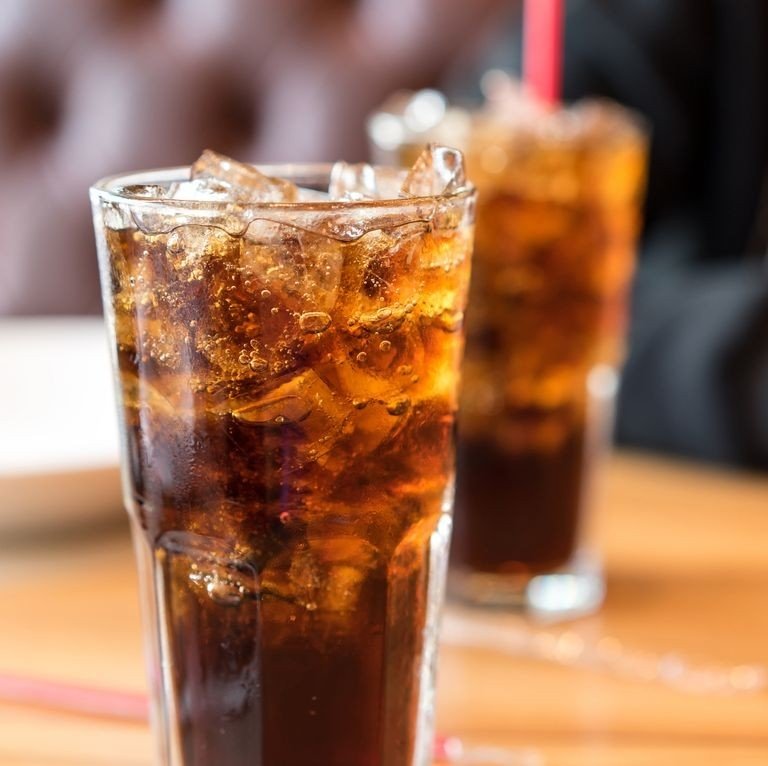
Diet soda is packed with artificial sweeteners, which are the main culprit behind why you should avoid diet soda drinks when you can. “Those can be even worse than actual sugar,” says Shonali Soans, M.S., R.D., C.D.N., a registered dietitian at New York City Nutrition. Artificial sweeteners have been linked to both cancer (although larger studies are needed to determine the risk) and gastrointestinal issues, and aspartame—a key ingredient in diet drinks specifically—has also been linked to the development of diabetes, says Soans.

Unhealthy Food - You Must Avoid It

Nut butters are great for you, in large part because they contain beneficial unsaturated fats. “But when you start to take out the fat in peanut butter, you not only lower the amount of heart-healthy fats that you’re getting but may also end up getting a product with extra sugar and filler ingredients,” says Gorin. “These ingredients are added to compensate for the fat is removed.”

A good rule of thumb when buying peanut butter? It should be natural, and it should only have three ingredients on its label: peanuts, oil, and maybe a little bit of salt, says Gorin.

TILEFISH

Unhealthy Food - You Must Avoid It

Fish is a good staple to have in your diet, but it’s best to aim for eating low-mercury, fatty seafood like salmon and sardines, which also have beneficial omega-3s EPA and DHA, says Gorin. But one fish you might want to avoid ordering when you’re out at a seafood restaurant? Tilefish, which is high in mercury—something that can actually cause poisoning if eaten in too high of a concentration.

WHITE FLOUR-BASED CEREAL

Unhealthy Food - You Must Avoid It

Yes, those sugary-sweet breakfast cereals are delicious, but look out for whether they’re made with white flour. These types of cereals are low in nutrition and high in refined carbohydrates, which means that they don’t fill you up and they can cause a spike and drop in blood sugar, says Andrews. That, in turn, can contribute to low energy, mood swings, and cravings. Instead, opt for a higher-fiber cereal like bran flakes.

Unhealthy Food - You Must Avoid It

Strawberries top the list of the Environmental Working Group’s Dirty Dozen foods that are heavily contaminated with pesticides when conventionally farmed. The problem with that—aside from the environmental concerns—is that those pesticides can actually negatively impact your health, too.

“Pesticides in our food can be endocrine-disrupting,” says Soans. Endocrine disruptors work by binding to our hormone receptors and causing a weaker or more intense effect, which disrupts our hormonal function, says Soans. This can be especially harmful for women who might deal with repercussions like hormonal imbalance or thyroid problems.

SALAMI

Unhealthy Food - You Must Avoid It

This classic lunch sandwich meat packs more downside than upside because of its “cured meat” status. Cured meats have been linked to several nasty problems, including hypertension and heart disease, says Andrews. But salami is also high in saturated fat and contains sodium nitrites, which can turn into harmful inflammatory compounds that can become damaging to your health, says Andrews.

JUICE COCKTAIL

Unhealthy Food - You Must Avoid It

Don’t let the word “juice” throw you off. “The word ‘cocktail’ indicates that a juice is mixed with added sugar,” says Gorin. “This is unnecessary and adds extra calories to your day.” So instead of choosing a sugar-rich juice cocktail mixture to start your morning, opt instead for 100% fruit juice if you really want to indulge.

Unhealthy Food - You Must Avoid It

Similar to those white flour-based cereals, donuts are usually made from refined carbs, which don’t provide you much nutritional value, says Andrews. Donuts are also usually deep-fried, making them high in trans fats, which can raise your LDL “bad” cholesterol and lower your HDL “good cholesterol,” according to the American Heart Association (AHA). This doesn’t mean you need to avoid refined carbs (and the donuts that come with them) altogether; it just means your health will thank you for indulging in moderation.

PRE-MADE DOUGH

Unhealthy Food - You Must Avoid It

As convenient as it might be, the pre-made dough is high in artificial trans fats (namely, those hydrogenated oils we talked about earlier that are made by adding hydrogen to liquid vegetable oils to make them more solid), says Julie Harrington, R.D., author of The Healing Soup Cookbook. And those trans fats (aside from affecting your cholesterol) also increase your risk of heart disease and stroke, according to the AHA.

PACKAGED BUTTER-FLAVORED POPCORN

Unhealthy Food - You Must Avoid It

Butter-flavored popcorn is made using artificial butter flavoring, which can cause infection, or irritation, often causing pain, swelling, heat, or redness. সহজ বাংলা: শরীরের প্রদাহ; ব্যথা, ফোলা বা লালভাব হতে পারে।" data-rx-term="inflammation" data-rx-definition="Inflammation is the body’s response to injury, infection, or irritation, often causing pain, swelling, heat, or redness. সহজ বাংলা: শরীরের প্রদাহ; ব্যথা, ফোলা বা লালভাব হতে পারে।">inflammation in the body, says Lorraine Kearney, N.D.T.R., C.D.N., dietitian and founder of New York City Nutrition. Plus, if you’re popping it at home in a microwaveable bag, those bags are packed with chemicals. Instead, if you’re able, try popping popcorn at home in a pot on the stovetop rather than using a mass-produced bag. “When we make popcorn at home, we have control over the ingredients,” says Kearney.

Unhealthy Food - You Must Avoid It

A good rule of thumb? When something has the word “instant” in its name, it’s likely something you’re going to want to try to avoid. “Whenever I see the word ‘instant,’ they’re doing something to the food to make it instant,” says Soans. “They’ve probably stripped it down and taken away a bit of the fiber and the stuff that we actually want.”

Plus, the amount of sodium in instant noodles is extremely high, and they contain what’s called monosodium glutamate (MSG), which has its own set of problems. “It is a flavor enhancer that is used in a lot of cooking, or a lot of restaurants will use it,” says Kearney. “And it is an addictive substance, so we keep going back as a repeat customer. But with it, it can increase hunger, and that causes us to eat more.”

ARTIFICIAL SWEETENERS

Unhealthy Food - You Must Avoid It

Yes, as counterintuitive as it might seem, you definitely want to try to stay away from artificial sweeteners. “Usually people, in the past, have said instead of eating refined sugar, let’s try diet soda and artificial sweeteners and all that stuff,” says Soans. But as she mentioned before, artificial sweeteners can actually be worse for you than your typical refined sugar due to its potential health impact and unknown risks. It’s better, instead, to try to eat regular sugar in moderation.

Unhealthy Food - You Must Avoid It

We’re all prone to sprinkling a bit of salt on our food before we eat it here and there. And while a little bit of salt is okay, it’s better to try and opt for sea salt or Himalayan salt over your standard table salt. That’s because table salt has been bleached and stripped of its natural minerals, says Soans. Plus, it’s high in sodium, which can cause infection, or irritation, often causing pain, swelling, heat, or redness. সহজ বাংলা: শরীরের প্রদাহ; ব্যথা, ফোলা বা লালভাব হতে পারে।" data-rx-term="inflammation" data-rx-definition="Inflammation is the body’s response to injury, infection, or irritation, often causing pain, swelling, heat, or redness. সহজ বাংলা: শরীরের প্রদাহ; ব্যথা, ফোলা বা লালভাব হতে পারে।">inflammation, says Kearney.

PACKAGED GELATIN

Unhealthy Food - You Must Avoid It

Similar to energy drinks, gelatin desserts are rich with artificial flavorings and sugar that can be harmful to our bodies. They also have artificial colors, which are known carcinogens, says Kearney, and a chemical called Red #40—an ingredient linked to hyperactivity—which has actually caused European countries to issue a warning label on the food saying, “May have an adverse effect on activity and attention in children.”

MICROWAVEABLE RICE

Unhealthy Food - You Must Avoid It

It’s easy, yes, but microwaveable rice is often teeming with sodium. “Some of those products can have 800 to 900 mg of sodium in one serving,” says Kearney. And because most bags contain 2 ½ servings—and because most of us will definitely eat the entire bag—that quickly adds up to being over 2,000 mg of sodium in just one sitting.

The problem with that? The American Heart Association recommends eating no more than 2,300 of sodium per day, which is about a teaspoon of salt per day, says Kearney. So with just one sitting, we’ve nearly reached a day’s worth of sodium, which can make us feel bloated, weighed down, and lethargic, says Kearney.

Unhealthy Food - You Must Avoid It

The reason energy drinks taste so good? They’re packed with artificial flavorings and sugar. “With a lot of the energy drinks, they can have higher amounts of sugar in it, or they’ll use artificial flavors which can cause a lot of infection, or irritation, often causing pain, swelling, heat, or redness. সহজ বাংলা: শরীরের প্রদাহ; ব্যথা, ফোলা বা লালভাব হতে পারে।" data-rx-term="inflammation" data-rx-definition="Inflammation is the body’s response to injury, infection, or irritation, often causing pain, swelling, heat, or redness. সহজ বাংলা: শরীরের প্রদাহ; ব্যথা, ফোলা বা লালভাব হতে পারে।">inflammation of the body,” says Kearney.

And when it comes to these energy drinks, most companies won’t disclose what those artificial flavorings actually are. “So we could have a blueberry flavored drink, but we don’t know what chemicals have been used to recreate that blueberry flavor,” says Kearney.

LOW-FAT ICE CREAM

Unhealthy Food - You Must Avoid It

Don’t jump on the pint-sized trend just yet, especially if you have digestive issues. That’s because low-fat or diet ice creams replace sugar with sugar alcohols, which when consumed in excess can have a laxative effect on the body, says Kearney. And if you have a sensitive stomach or digestive tract, you’ll feel those effects even faster, she adds.


THE IMPOSSIBLE BURGER

Unhealthy Food - You Must Avoid It

Although it might seemlike a healthier alternative to your standard burger, the Impossible Burger is made up of tons of ingredients that are completely synthetic, says Kearney. The burger also comes with a lot of flavor enhancers in it and is usually made of a blend of soy protein, which means it doesn’t contain a complete protein and is therefore pretty nutritionally lacking.

“One thing I’m always wary of is if something has the word ‘trademark,’” says Kearney. “So the Impossible Burger is trademarked, and with those ingredients, you’re not always going to know exactly what’s in it because of that trademark.”

Unhealthy Food - You Must Avoid It

When you’re able, it’s worthwhile swapping cottonseed oil for a healthier option like olive or avocado oils. That’s because cottonseed oil is a refined vegetable oil, which means it’s likely been genetically modified and highly processed, says Soans. Plus, it’s high in omega-6 fatty acids, which can trigger infection, or irritation, often causing pain, swelling, heat, or redness. সহজ বাংলা: শরীরের প্রদাহ; ব্যথা, ফোলা বা লালভাব হতে পারে।" data-rx-term="inflammation" data-rx-definition="Inflammation is the body’s response to injury, infection, or irritation, often causing pain, swelling, heat, or redness. সহজ বাংলা: শরীরের প্রদাহ; ব্যথা, ফোলা বা লালভাব হতে পারে।">inflammation and has also been linked to heart disease, insulin is low or not working well. সহজ বাংলা: রক্তে চিনি বেশি থাকার রোগ।" data-rx-term="diabetes" data-rx-definition="Diabetes is a condition where blood sugar stays too high because insulin is low or not working well. সহজ বাংলা: রক্তে চিনি বেশি থাকার রোগ।">diabetes, and impacts on cognitive functions if eaten in excess, adds Soans.

WHITE RICE

Unhealthy Food - You Must Avoid It

White rice is refined and processed, which means it’s generally more destructive to your health than alternatives like ancient grains or wild rice. The main reason? It can have a negative impact on your blood sugar levels, says Soans. In fact, because of that impact on blood sugar levels, eating white rice in excess has even been linked to increasing your risk of type 2 insulin is low or not working well. সহজ বাংলা: রক্তে চিনি বেশি থাকার রোগ।" data-rx-term="diabetes" data-rx-definition="Diabetes is a condition where blood sugar stays too high because insulin is low or not working well. সহজ বাংলা: রক্তে চিনি বেশি থাকার রোগ।">diabetes.

SWEET TEA

Unhealthy Food - You Must Avoid It

Tea by itself has plenty of health benefits, but when you start adding sugar to that tea, it starts to void out those upsides. “Sugar-sweetened beverages are high in, yes, sugar, and don’t provide much—if any—nutrition,” says Andrews. Plus, many research studies have shown that regular consumption of sugar-sweetened beverages like sweet tea can contribute to causing obesity, type 2 insulin is low or not working well. সহজ বাংলা: রক্তে চিনি বেশি থাকার রোগ।" data-rx-term="diabetes" data-rx-definition="Diabetes is a condition where blood sugar stays too high because insulin is low or not working well. সহজ বাংলা: রক্তে চিনি বেশি থাকার রোগ।">diabetes, and heart disease, says Andrews.

Unhealthy Food - You Must Avoid It

Similarly to pre-made doughs, pre-made pie crusts contain hydrogenated oils, which can raise your LDL “bad” cholesterol and lower your HDL “good” cholesterol, which in turn increases your risk of heart disease, says Andrews. But if you don’thave time to make your own pie crust, don’t sweat it; just make sure you closely read the ingredients label to look for hydrogenated oils.


“Hydrogenated oils are a type of trans fat, but even if the nutrition facts panel says there is 0g of trans fat, the product can still contain hydrogenated oil,” says Andrews. “This is because if there is less than 0.5 g of trans fat per serving, the FDA allows the manufacturer to label it as 0 g.

[stextbox id=’custom’]

Elements of healthy eating

Choose healthy fats over unhealthy fats.
  • Avoid trans fats, which are generally found in commercially baked products and deep-fried restaurant food.

  • Limit intake of saturated fats, mostly from red meat, butter, milk, and other dairy products (under 8% of calories [17 grams*])

  • Emphasize polyunsaturated fats from olives and olive oil; canola, peanut, and other nut oils; almonds, cashews, peanuts, and other nuts and nut butter; avocados; sesame, pumpkin, and other seeds (10–15% of calories [22–27 grams*])

  • Emphasize polyunsaturated fats from vegetable oils such as corn, soybean, and safflower oils; walnuts; fatty fish such as salmon, herring, and anchovies (8–10% of calories [17–22 grams*])

Choose slowly digested carbohydrates over highly refined ones. Limit intake of sources of rapidly digested carbohydrates such as white flour, white rice, pastries, sugary drinks, and French fries. In their place, emphasize whole grains (such as brown rice, barley, bulgur, quinoa, and wheat berries), whole fruits and vegetables, beans, and nuts. Aim for at least 6 servings of whole grains a day. Choosing a whole-grain breakfast cereal and whole-grain bread are excellent starts.
Pick the best protein packages by emphasizing plant sources of protein rather than animal sources. Adopting a “flexitarian” approach to protein has long-term health payoffs. Aim for at least half of protein from plants—beans, nuts, seeds, whole grains, fruits, and vegetables. Choose fish, eggs, poultry for most of the rest, with small amounts of red meat and dairy making up the balance. Aim for two servings of fish per week.**
Accentuate fruits and vegetables. Consider 5 servings of fruit and vegetables a daily minimum; 9 a day is even better. Eat for variety and color. Each day try to get at least one serving of a dark green leafy vegetable, a yellow or orange fruit or vegetable, a red fruit or vegetable, and a citrus fruit. Fresh is usually best, especially if it is local; frozen fruits and vegetables are nearly as good.
Opt for low-calorie hydration. Water is the best choice for hydration. Coffee and tea in moderation (with only a small amount of milk or sugar) are generally safe and healthful beverages. If milk is part of the diet, skim or low-fat milk is best. Avoid sugar-laden drinks such as sodas, fruits drinks, and sports drinks. Limit fresh juice to one small glass a day. Alcohol in moderation (no more than one drink a day for women) if at all.
Meet the daily recommendations for vitamins and minerals. Taking an RDA-level multivitamin-multimineral supplement each day that contains folic acid and 1,000 IU of vitamin D provides an inexpensive nutritional safety net. Many premenopausal women need extra iron, and some women need additional calcium.
Daily exercise Calories expended are as important for good health as the quality and quantity of calories consumed. Current recommendations call for 30 minutes of physical activity such as brisk walking on most, if not all, days of the week.
Mediterranean- type diet
  • Fruits, vegetables, grains, beans, nuts, and seeds are eaten daily and make up the majority of food consumed.

  • Fat, much of it from olive oil, may account for up to 40% of daily calories.

  • Small portions of cheese or yogurt are usually eaten each day, along with a serving of fish, poultry, or eggs.

  • Red meat is consumed now and then.

  • Small amounts of red wine are typically taken with meals.

These diets are low in saturated fat and high in fiber.

DASH diet,
  • Grains and grain products: 7–8 servings*, more than half of which are whole-grain foods

  • Fruits: 4–5 servings

  • Vegetables: 4–5 servings

  • Low-fat or non-fat dairy foods: 2–3 servings

  • Lean meats, fish, poultry: 2 servings or fewer

  • Nuts, seeds, and legumes: 4–5 servings per week

  • Added fats: 2–3 servings per day

  • Sweets: limited

The nutrient breakdown of the DASH diet was: total fat, 27% of calories; saturated fat, 6% of calories; cholesterol, 150 mg; protein, 18% of calories; carbohydrate, 55% of calories; fiber, 30 g; sodium, 2,300 mg; potassium, 4,700 mg; calcium, 1,250 mg; and magnesium, 500 mg


[/stextbox]

How to avoid unhealthy food

Andari offers several pieces of advice for how to stay away from food that is bad for you:

  • Choose processed foods carefully.
  • Avoid sodium from the six most common salty foods (bread and rolls; cold cuts and cured meats; pizza; burritos and tacos; soup; sandwiches).
  • Read food labels and stay away from items that have sugar added, excess sodium and fat.
  • Plan ahead and prepare healthy snacks and meals at home made from whole, fresh foods.
  • Choose lean meats with less than 10 percent fat.
  • Don’t skip meals (this can contribute to snacking on unhealthy foods when hungry).
Doctor visit helper

Prepare before seeing a doctor

A simple rural-patient checklist to help you explain symptoms clearly, ask better questions, and avoid unsafe self-treatment.

Safety note: This is not a prescription or diagnosis. For severe symptoms, pregnancy danger signs, children with serious illness, chest pain, breathing difficulty, stroke-like weakness, or major injury, seek urgent care.

Which doctor may help?

Start with a registered doctor or the nearest qualified health center.

What to tell the doctor

  • Write when the problem started and how it changed.
  • Bring old prescriptions, investigation reports, and current medicines.
  • Write allergies, pregnancy status, diabetes, kidney/liver disease, and major past illnesses.
  • Bring one family member if the patient is weak, elderly, confused, or a child.

Questions to ask

  • What is the most likely cause of my symptoms?
  • Which danger signs mean I should go to hospital quickly?
  • Which tests are necessary now, and which can wait?
  • How should I take medicines safely and what side effects should I watch for?
  • When should I come for follow-up?

Tests to discuss

  • Vital signs: temperature, pulse, blood pressure, oxygen saturation
  • Basic physical examination by a clinician
  • CBC, urine test, blood sugar, or imaging only when clinically needed

Avoid these mistakes

  • Do not use antibiotics, steroid tablets/injections, or strong painkillers without proper medical advice.
  • Do not hide pregnancy, kidney disease, ulcer, allergy, or blood thinner use.
  • Do not delay emergency care when danger signs are present.

Medicine safety and first-aid guide

This section is for patient education only. It does not replace a doctor, pharmacist, or emergency care.

Safe first steps

  • Avoid heavy lifting, sudden bending, and prolonged bed rest.
  • Use comfortable posture and gentle movement as tolerated.
  • Discuss physiotherapy, X-ray, or MRI only when clinically needed.

OTC medicine safety

  • For mild back pain, pain-relief medicine may be discussed with a doctor or pharmacist.
  • Avoid repeated painkiller use if you have kidney disease, stomach ulcer, uncontrolled blood pressure, or are taking blood thinners.

Avoid these mistakes

  • Do not start antibiotics without a proper medical decision.
  • Do not use steroid tablets or injections casually for quick relief.
  • Do not delay emergency care because of home remedies.

Get urgent help if

  • Back pain with leg weakness, numbness around private area, loss of urine/stool control, fever, cancer history, or major injury needs urgent care.
Medicine names, dose, and timing must be decided by a qualified clinician or pharmacist after checking age, pregnancy, allergy, other diseases, and current medicines.

For rural patients and family caregivers

Patient health record and symptom diary

Write your symptoms, medicines already taken, test results, and questions before visiting a doctor. This note stays on your device unless you print or copy it.

Doctor to discuss: Doctor / qualified healthcare provider
Tests to discuss with doctor
  • Basic vital signs: temperature, pulse, blood pressure, oxygen level if needed
  • Relevant blood, urine, imaging, or specialist tests only after clinical assessment
Questions to ask
  • What is the most likely cause of my symptoms?
  • Which warning signs mean I should go to emergency care?
  • Which tests are really needed now?
  • Which medicines are safe for my age, pregnancy status, allergy, kidney/liver/stomach condition, and current medicines?

Emergency warning signs such as chest pain, severe breathing difficulty, sudden weakness, confusion, severe dehydration, major injury, or loss of bladder/bowel control need urgent medical care. Do not wait for online information.

Safe pathway to proper treatment

Care roadmap for: Unhealthy Food – You Must Avoid It

Use this simple roadmap to understand the next safe steps. It is educational and does not replace examination by a doctor.

Go to emergency care if you notice:
  • Severe or rapidly worsening symptoms
  • Breathing difficulty, chest pain, fainting, confusion, severe weakness, major injury, or severe dehydration
Doctor / service to discuss: Qualified healthcare provider; specialist depends on symptoms and examination.
  1. Step 1

    Check danger signs first

    If danger signs are present, seek emergency care and do not wait for online information.

  2. Step 2

    Record the symptom story

    Write when symptoms started, severity, medicines already taken, allergies, pregnancy status, and test results.

  3. Step 3

    Visit a qualified clinician

    A doctor, nurse, or qualified healthcare provider can examine you and decide which tests or treatment are needed.

  4. Step 4

    Do only useful tests

    Do tests after clinical assessment. Avoid unnecessary tests, random antibiotics, or repeated medicines without diagnosis.

  5. Step 5

    Follow up and return early if worse

    If symptoms worsen, new warning signs appear, or treatment is not helping, return for review quickly.

Rural patient practical tips
  • Take a written symptom diary and all previous prescriptions/test reports.
  • Do not hide medicines already taken, even herbal or over-the-counter medicines.
  • Ask which warning signs mean urgent referral to hospital.

This roadmap is for education. A real diagnosis and treatment plan requires history, examination, and clinical judgment.

RX Patient Help

Ask a health question safely

Write your symptom story. A health professional or site editor can review it before any answer is prepared. This box is not for emergency care.

Emergency first: Severe chest pain, breathing trouble, unconsciousness, stroke signs, severe injury, heavy bleeding, or rapidly worsening symptoms need urgent local medical care now.

Frequently Asked Questions

Is this article a replacement for a doctor?

No. It is educational content only. Patients should consult a qualified clinician for diagnosis and treatment.

When should I seek urgent care?

Seek urgent care for severe symptoms, rapidly worsening condition, breathing difficulty, severe pain, neurological changes, or any emergency warning sign.

References

Add references, clinical guidelines, textbooks, journal articles, or trusted medical sources here. You can edit this area from the RX Article Professional Blocks panel.
