
Liver transplantation has become the standard of care for end-stage liver disease in children and successful outcomes are now achieved in the vast majority of transplant recipients. Progressive improvement has occurred through better preoperative care of patients with liver disease, improved operative techniques that has allowed the donor pool to expand, and improved immunosuppression strategies to prevent rejection while avoiding complications of over-immunosuppression. The success of the past, however, has also bred unique challenges for the future. With the increasing number of liver transplant candidates, improved donor awareness and organ availability must occur. A delicate balance between the risks assumed by living donors and the needs of their children must be struck. The increasing numbers of surviving patients present unique challenges and complications related to lifelong immunosuppression. The future success of pediatric liver transplantation will require an appreciation of the increasingly complex care needs of this population and a national focus on donor organ shortages.
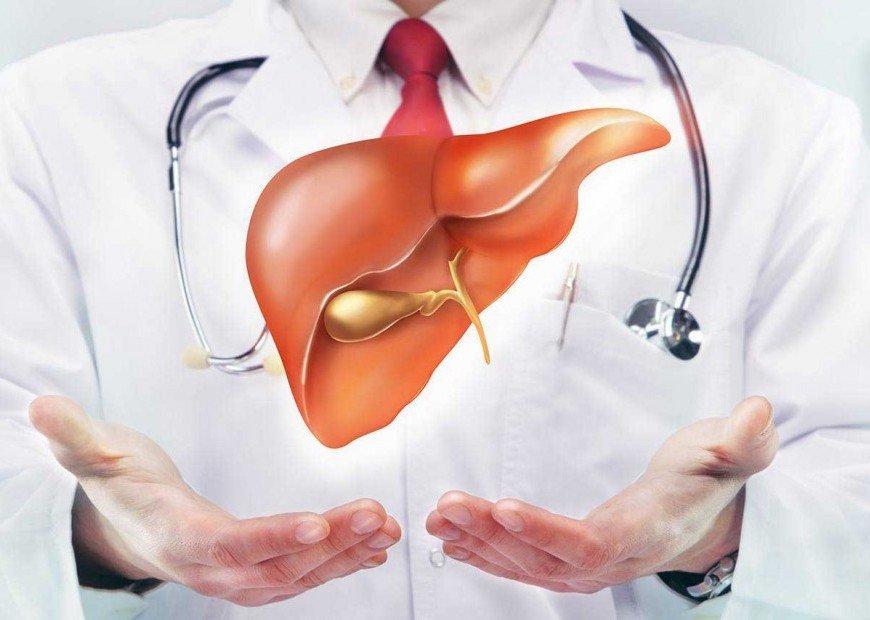
Indications
Liver transplantation is a potential treatment for acute or chronic conditions that cause irreversible and severe (“end-stage”) liver dysfunction.[rx] Since the procedure carries relatively high risks, is resource-intensive, and requires major life-modifications after surgery, it is reserved for dire circumstances.
Judging the appropriateness/effectiveness of liver transplant on a case-by-case basis is critically important, as outcomes are highly variable.
Contraindications
Although liver transplantation is the most effective treatment for many forms of end-stage liver disease, the tremendous limitation in allograft availability and widely variable post-surgical outcomes make case selection critically important. Assessment of a person’s transplant eligibility is made by a multi-disciplinary team that includes surgeons, medical doctors, and other providers.
The first step in evaluation is to determine whether the patient has an irreversible liver-based disease which will be cured by getting a new liver.[rx] [rx] Thus, those with diseases that are primarily based outside the liver or have spread beyond the liver are generally considered poor candidates. Some examples include:
- someone with advanced liver cancer, with known/likely spread beyond the liver
- active alcohol/substance abuse
- severe heart/lung disease
- existing high cholesterol levels in the patient
- dyslipidemia [rx]
Importantly, many contraindications to liver transplantation are considered reversible; a person initially deemed “transplant-ineligible” may later become a favorable candidate if their situation changes.[rx][rx] Some examples include:
- partial treatment of liver cancer, such that risk of spread beyond liver is decreased (for those with primary liver cancer or secondary spread to the liver, the medical team will likely rely heavily on the opinion of the patient’s primary provider, the oncologist, and the radiologist)
- cessation of substance abuse (time period of abstinence is variable)
- improvement in heart function, e.g. by percutaneous coronary intervention or bypass surgery
- treated HIV infection
- for those with high cholesterol or triglyceride levels or other dyslipidemias, using lifestyle changes (diet, portions, exercise) and drugs and counseling to lower one’s levels, and to control any hyperglycemia or (pre-)diabetes or obesity
Preoperative evaluation
The assessment of preoperative risk and the possibility of a preoperative improvement in the transplant recipient condition requires an interdisciplinary discussion between surgeons and other medical disciplines. Preoperative screening of the myocardial (stress EKG, echocardiography) and ventilatory function (chest X-ray, pulmonary function test, arterial blood gases), evaluation of renal function, coagulation status, and endocrine changes are important. Pretransplantation workup includes serum-AST, serum-ALT, AP, gamma-GT, GLDH, bilirubin, serum albumin, serum-protein, ammonia, triglycerides, lipid-electrophoresis, blood glucose, serum iron, ferritin, electrolytes, blood urea nitrogen, creatinine, uric acid, urinalysis (sediment, protein (24 h), creatinine-clearance (24 h)), blood count, differential white blood count and coagulation tests (prothrombin time, partial thromboplastin time, factors I, II, V, VII, X). A pretransplant evaluation for potential infectious diseases (serodiagnosis of hepatitis incl. HBV-DNA and HCV-RNA, tests for HIV, CMV, herpes simplex and zoster, EBV) and scanning for potential infectious foci (dental and otorhinolaryngology status) are important for the prevention and management of infectious complications in liver transplant recipients. Portal vein patency and situation of V. liens as well as V. mesenterica can be confirmed by doppler-ultrasound or helical CT scanning with intravenous contrast medium. CT scans are useful in determining the presence of tumors in cirrhosis and liver volume. Angiography may be necessary for patients with abnormal portal vein findings, suspected cavernous transformation of the portal vein, and portosystemic shunts. Patients with primary sclerosing cholangitis have a greater risk of cholangiocellular carcinoma and should, therefore, undergo endoscopic retrograde cholangiopancreatography (ERCP) or percutaneous transhepatic cholangiography (PTC) as well as brush-cytology in order to rule out this diagnosis.
- Bioartificial liver – This innovation helps patients cope as they await a donor’s liver. Developed by Mayo Clinic doctors and researchers, new bioartificial livers use living cells from pig livers to filter a patient’s blood in a process similar to that of kidney dialysis. The device is being tested before it becomes available in clinics and hospitals.
- Magnetic resonance elastography – This innovative technology was developed by Mayo Clinic doctors and researchers as a noninvasive way to test for liver scarring. Someday it may reduce the need for liver biopsies in people with liver disease.
- Immunosuppressive medications – This research examines the effect of antibody-mediated injury in liver-kidney transplants and how doing a multiorgan transplant may actually result in better outcomes.
- Maximizing organ donors – Transplant physicians found that people with liver cancer have the same beneficial outcomes using organs donated by patients who died of cardiac death rather than brain death.
- Cell therapies for liver disease – This research offers potential new treatments for several liver diseases and may improve the success of liver transplantation.
- Triage system – Mayo Clinic researchers originally proposed, designed and tested the Model for End-Stage Liver Disease (MELD). This system prioritizes people waiting for a transplant based on the severity of their condition and how urgently they may need a transplant.
Treatment or Medicine Used
Immunosuppression
The human body has developed a very sophisticated series of defenses against bacteria, viruses, and tumors. The machinery of the immune system has evolved over millions of years to identify and attack anything that is foreign or not “self.” Unfortunately, transplanted organs fall into the category of foreign, not-self. A number of drugs are given to transplant recipients to dampen the responses of their immune system in an attempt to keep the organ safe and free of immunologic attack. If the immune system is not sufficiently weakened, then rejection – the process by which the immune system identifies, attacks, and injures the transplanted organ – ensues.
Commonly used drugs to prevent rejection by suppressing the immune system are listed below. They work through different mechanisms to weaken the immune system’s responses to stimuli and are associated with different side effects. As a result, these medications are frequently used in various combinations which increase the overall immunosuppressive effect while minimizing side effects.
- Corticosteroids (methylprednisolone is given intravenously – prednisone is given orally): Corticosteroids are a class of anti-inflammatory agents that inhibit the production of cytokines, the signaling molecules produced by cells of the immune system to orchestrate and intensify the immune response. Corticosteroids, therefore, prevent the activation of lymphocytes, the main soldiers of the immune response against transplanted organs. This is thought to prevent T-cell (a subset of lymphocytes) activation in a non-specific manner. Side effects of corticosteroids are broad and include hyperglycemia, hypertension, decreased bone density, and impaired wound healing,
- Calcineurin inhibitors (cyclosporine, tacrolimus) – This class of drugs blocks the function of calcineurin, a molecule critical to a very important lymphocyte signaling pathway that triggers the production of multiple cytokines. These drugs, first developed approximately 20 years ago, revolutionized organ transplantation. They substantially reduced the incidence of rejection, improved the longevity of transplanted organs and thereby ushered in the contemporary era of transplantation and immunosuppression. Unfortunately, these drugs come with a significant side effect profile. The most serious toxicity, particularly with long-term use, is kidney injury. Calcineurin inhibitors also raise blood pressure, glucose levels, and cholesterol – and cause tremors and headaches.
- Mycophenolate mofetil (Cellcept, Myfortic – This drug is converted in the body to mycophenolic acid, which inhibits the ability of lymphocytes to replicate DNA, the genetic material essential to every cell. If lymphocytes cannot synthesize DNA, then they are unable to divide to generate additional cells. Mycophenolate mofetil, therefore, dampens the immune response by preventing the proliferation of lymphocytes. The primary side effects of mycophenolate mofetil affect the intestinal system resulting in stomach upset and/or diarrhea. It can also depress bone marrow function and thereby, reduce blood levels of white cells (infection-fighting cells), red cells (oxygen-carrying cells), and platelets (clotting agents).
- mTOR inhibitors (sirolimus; everolimus) – mTOR stands for mammalian Target Of Rapamycin. mTOR belongs to a family of enzymes known as kinases and is involved in checkpoint regulation of the cell cycle, DNA repair, and cell death. Inhibition of mTOR stops T cells from progressing through the various phases of the cell cycle, leading to cell cycle arrest. Thus, lymphocytes are not able to divide to amplify the immune response. Side effects of mTOR inhibitors include bone marrow depression, poor wound healing, and increased cholesterol levels.
- Antibodies that target the IL-2 receptor, a signaling molecule that amplifies the immune response (basiliximab, daclizumab) – T cells, the agents of acute rejection, express increasing amounts of IL2-receptors when they are stimulated. The IL-2 receptor allows ongoing amplification of an immune response. The blockage of this receptor, therefore, dampens the immune response. These antibodies are most frequently used for a short time period beginning at the time of transplant to provide additional immunosuppression during this period of highest rejection risk. Immediate side effects include fever, rash, cytokine release syndrome, and anaphylaxis. They do appear to increase the risk of infections hen combined with other immunosuppressive medications.
- Antibodies that remove T cells from the circulation (Thymoglobulin®, OKT-3 – These agents are molecules that target different cells of the immune system, bind them, inactivate, and remove them. They can be used at the time of liver transplantation. but more often are used to treat severe rejection or rejection that does not respond to lesser treatment strategies. Immediate side effects of these medications range from fever and rash to cytokine release syndrome resulting in flash pulmonary edema and hypotension. These drugs may also result in an increased incidence of PTLD and skin cancers (see below)
- Investigational drugs – As our understanding of the immune system improves, researchers have identified new cells, molecules, and pathways that play a role in the body’s response to transplanted organs. Each discovery presents new opportunities in the form of new targets for drug development. Some of these medicines are currently being tested in clinical trials to determine if they are safe and effective for use in transplantation. Future generations of drugs will hopefully be more specific in preventing rejection without interfering significantly with the other functions of the immune system or causing non-immunologic side effects.
The operative technique in liver transplantation
Removal of the recipient’s native liver is a technically demanding step, particularly in the presence of portal hypertension associated with collateral circulation, coagulopathy, and fragile liver tissue. Before hepatectomy portal vein and intrahepatic and suprahepatic inferior vena cava are occluded by clamps. In order to prevent congestion of visceral organs and hemodynamic disturbances, a pump-driven veno-venous bypass system is applied rerouting blood flow from the intrahepatic V. cava and portal vein via V. axillaris into the suprahepatic venous system. Using the venovenous bypass the incidence of postoperative renal insufficiency and generalized intestinal edema is reduced and a volume-restrictive substitution therapy during the pre anhepatic phase is possible. The native liver is then removed and the prepared donor organ is inserted. Anastomotic procedures start with end-to-end anastomosis of suprahepatic and intrahepatic inferior vena cava. Hepatic artery anastomosis will be performed corresponding to the anatomical situation. After decannulating the portal vein an end-to-end anastomosis will be performed. In order to prevent hyperkalemia through high potassium levels out of the preservation solution in the donor graft, the liver is flushed with approximately 300–500 ml blood. Biliary anastomotic complications remain a major cause of morbidity in liver transplant recipients, ranging between 10% and 50% in large clinical series. Diseases of the extrahepatic biliary system are indications for choledochojejunostomy (i.e. biliary atresia, sclerosing cholangitis, cholangiocarcinoma). Both techniques are known to coincide with a relatively high incidence of leakage and stenosis of the bile duct anastomosis. Because of better perfusion in the anastomotic area and the possibility of creating an anastomosis up to a length of 10 to 12 mm side-to-side common bile duct anastomosis represents a safe technique of bile duct reconstruction and leads to a low technical complication rate.
A T-tube providing access for biliary imaging procedures and monitoring liver allograft function, can be utilized to control an early anastomotic leak and may prevent late anastomotic stricture. Stenting the bile duct over a T-tube is still discussed controversially. Although some authors conclude that routine use of a T-tube is unnecessary in most liver transplant patients, studies found a significantly lower incidence of biliary strictures and surgical revisions in patients with an end-to-end CDCD over T-tubes (rx).
Liver transplantation with preservation of the recipient vena cava (the “piggy-back”-technique) has been proposed as an alternative to the traditional method. There are several advantages to this technique: retrocaval dissection or dissection of the right suprarenal compartment are not required, there is no problem of different sizes of the recipient and donor vena cava and a veno-venous bypass system during anhepatic phase is unnecessary.
Early complications
Primary graft non-function – occurs in 1–8% of cases and is a very serious complication. Comparable to acute liver failure with hepatorenal syndrome patients will show markedly abnormal liver function, minimal bile output, coagulopathy, oliguria, and severe CNS changes. The terminal phase is characterized by coma, alkalosis, hyperkalemia, and hypoglycemia. Therapy for this condition is urgent retransplantation. In cases of severely toxic liver syndrome hepatectomy hours prior to retransplantation may be indicated.
Bleeding – occurs more often in cases of graft dysfunction and hypothermia. In these cases, the substitution of coagulation factors and the warming of the patient may be indicated. In cases of hyperfibrinolysis therapy with proteinase-inhibitors should be started. A persisted requirement for blood transfusions necessitates relaparotomy.
Persistent jaundice, increasing bilirubin, alkaline phosphatase, and gamma glutamyltranspeptidase, fever, leucocytosis, drainage of bile via intraperitoneal drains and intraabdominal bile collection in ultrasound or CT-studies are suggesting a biliary leakage. The above mentioned clinical signs without bile in drainage fluid may indicate binary stenosis. Cholangiography – preferably via T-tube – and ultrasonography should be performed. Relaparatomy performing a choledochojejunostomy or endoscopic retrograde stent implantation may be indicated. Biliary leaks caused by hepatic artery thrombosis usually require retransplantation if establishing arterial perfusion by thrombectomy is unsuccessful.
Hepatic arterial thrombosis – should be presumed in all graft-recipients with sudden high fever, the elevation of liver enzymes, and positive blood culture for Klebsiella, Pseudomonas, E. coli or enterococci, biliary leaks, or fulminant liver failure. For diagnosis a Doppler ultrasound and – if unsatisfactory hemodynamics are identified – arteriography should be performed. Reconstructive surgery or dilatation may be successful in early detected vascular complications – Doppler ultrasound for the detection of clinically unsuspected vascular complications should be performed routinely on a daily basis during the early postoperative phase. Retransplantation will be necessary in cases of acute hepatic gangrene and fulminant liver failure.
Portal vein thrombosis – is often caused by technical failure; rejection or initial poor graft function are promoting thrombosis. Clinical signs are the sudden increase of transaminases, ascites, severe encephalopathy, renal dysfunction, and gastrointestinal bleeding. If a portal vein thrombosis is detected early thrombectomy may be possible — portal vein thrombosis during the early postoperative phase may lead to acute graft failure necessitating retransplantation.
Acute rejection – episodes occur with an incidence of 20–40%. Clinical signs suggesting rejection are fever, reduced bile volume, and pigment, swelling of graft, increased serum bilirubin and aminotransferase levels, and decrease of levels of coagulation factors II and V. If the acute rejection is suspected liver biopsy (Menghini needle biopsy) should be performed. Histologic features of acute rejection include portal infiltration, bile duct injury and endothelial inflammation. As soon as transplant rejection is confirmed, treatment with a steroid bolus (e.g. 500 mg intravenous methylprednisolone) for three consecutive days should be started. If no decrease in liver enzyme levels is detectable — biopsy should be performed. OKT3 is a monoclonal antibody used as T-cell-specific immunosuppressant in the treatment of steroid-resistant rejection, defined as the failure to respond to steroid bolus therapy. The immunosuppressive effect is related to the elimination and modulation of T-cells after the binding of OKT3 and the specific antigen CD3+. In cases of steroid-resistant rejection in patients receiving primarily cyclosporine A-based immunosuppression early tacrolimus rescue therapy is the treatment of choice because of higher success rates and lower incidence of infectious, neurologic and renal complications compared to OKT3-therapy.
Infectious complications – remain among the most significant causes of morbidity and mortality in patients undergoing liver transplantation. The incidence of cytomegalic (CMV) infection and disease in liver transplant recipients range from 23% to 100% and from 18% to 70% respectively. Clinical signs are usually mild, consisting of viremia, fever, leukopenia, thrombocytopenia, atypical lymphocytosis, and malaise. In more serious cases, patients may develop hepatitis and pneumonitis. Although aciclovir is established for prophylaxis, many centers now use ganciclovir which has greater in vitro activity against CMV. In randomized multicenter study prophylaxis of CMV infection in liver-transplant patients with 14 days of intravenous ganciclovir followed by high-dosage oral aciclovir is more effective than high-dosage oral aciclovir alone at reducing CMV infection and disease, even for CMV-negative recipients of CMV-positive grafts. The Oral Ganciclovir International Transplantation Study Group revealed in a randomized multicenter placebo-controlled trial that oral ganciclovir is a safe and effective method for the prevention of CMV disease after orthotopic liver transplantation (rx).
Epstein-Barr virus (EBV) infection in transplant recipients can lead to lymphomas termed posttransplantation lymphoproliferative disorders (PTLD) in 3% to 10% of solid organ transplant recipients with resultant mortality of up to 70%. Most PTLD are malignancies of B lymphocytes and are linked to EBV infection, but the rare T lymphocyte PTLD has been inconsistently linked to EBV infection. Several treatments are currently used but multicenter studies are needed with regard to therapeutic strategy. Protocols utilizing preemptive intravenous ganciclovir in high-risk recipients (i.e., the donor (D)+, the recipient (R)-), combined with serial monitoring of peripheral blood for EBV by polymerase chain reaction (PCR) have decreased the overall incidence of PTLD from 10% to 5% in children receiving primary tacrolimus therapy after LTx (rx).
Trimethoprim-sulfamethoxazole is used in transplant recipients in an effort to prevent Pneumocystis carinii cases of pneumonia, Nystatin is used to prevent and treat oropharyngeal candidiasis.
Late complications
In adults, 15% to 40% of liver transplant recipients have elevated serum cholesterol levels, and approximately 40% have hypertriglyceridemia. Obesity is a common though poorly studied problem in liver transplant recipients. Long-term immunosuppression with corticosteroids, CyA, and tacrolimus result in new-onset of postoperative diabetes in 10% to 15% of liver transplant recipients. With improved survival of liver transplant recipients, chronic renal failure has become an important cause of morbidity.
Most liver diseases for which LTx is performed may recur. 8.7% PBC recurrence has been identified in a large series of patients with a long-term follow-up, without affecting patient survival rate. Patients undergoing LTx for autoimmune hepatitis have an excellent survival rate although the severe primary disease may recur. A large retrospective multicenter study revealed that the estimated risk of recurrence of autoimmune hepatitis in the graft increased over time: 8% over the first year and 68% five years after transplantation. Patient and graft survival does not appear to have decreased.
In a large European series, approximately 75% of patients who received transplants for HBV-cirrhosis without antiviral therapy had a recurrence of hepatitis B in the allograft at a mean of 3.2 (± 2.7) months. The effective mainstay of prophylaxis is passive immunotherapy with hepatitis B immune globulin (HBIg). There are two major published trials using high-dose intravenous HBIg: The HBIg University of Virginia Protocol: HBIg 10,000 IU I .v. anhepatic, then 10,000 IU i.v. daily for the next 6 days. Subsequent doses of 10,000 IU are administered to keep antiHBs titers over 500 IU/ml. The University of California San Francisco uses a high-dose HBIg-protocol with HBIg 10,000 IU i.v. anhepatic, then daily for 7 days, then monthly thereafter. Both protocols led to a recurrence rate of less than 20% in all patients treated. Most European centers are aiming anti-HBs titers over 100 IU/ml. Antiviral therapy with lamivudine given at a dose of 100 mg/die for 12 weeks has proven effective in suppressing HBV replication, but long-term treatment will most likely be required in the majority of patients: the majority had a recurrence of HBV-DNA after discontinuation of treatment. After recurrence, reduction of immunosuppression and a combination of antiviral therapy should be considered. The current antiviral agents available for recurrent HBV are lamivudine and famciclovir (rx).
Approximately 90% to 95% of patients with cirrhosis secondary to chronic hepatitis C before LTx develop recurrence with detectable HCV-RNA in serum, leading to recurrent graft hepatitis in more than 50%. De novo hepatitis C was reported to occur in 5% to 35% of patients who underwent LTx. Due to the fact that hepatitis C after LTx progresses to fibrosis and cirrhosis in only a minority of patients, that no decline inpatient or graft survival can be demonstrated with up to 10 years of follow-up, and the lack of proven effective treatment for HCV, it is difficult to support a concept that all patients with recurrent disease should be treated at the present time. For the treatment of chronic hepatitis C in nonimmunosuppressed patients a combination of interferon-a and ribavirin is effective. Only a single published study has shown control of viral replication and improvement in histological status when a combination regimen of ribavirin and interferon-a is used in liver transplant recipients with recurrent hepatitis C. These results must be confirmed with randomized, controlled studies (rx).
Ischemic type biliary lesions (ITBL) are defined as non-ischemic and non-immunological destruction of the graft’s biliary tree after liver transplantation and are characterized by bile duct necroses leading to alterations of the ductal lumen, biliary leakage, stone or cast formation and, thereby, to cholestasis. ITBL of the extrahepatic as well as of the intrahepatic ducts may be treated by endoscopic procedures, including papillotomy, dilatation, extraction of stones or sludge, placement of nasociliary tubes, or insertion of stents. In cases of impossible endoscopic treatment or ineffective interventions, reconstructive surgery or retransplantation will be necessary.
References
Explore this medical topic
Continue through verified related conditions, investigations, medicines, and patient guides. These links are educational and do not replace professional medical advice.

