RX Patient Tools
Use these quick guides before reading the article, or return to them when you need help preparing questions for a doctor.
Can taking Vitamin B Complex Make You Gain Weight/B vitamins are a class of water-soluble vitamins that play important roles in cell metabolism? Though these vitamins share similar names, they are chemically distinct compounds which often coexist in the same foods. In general, dietary supplements containing all eight are referred to as a vitamin B complex. Individual B vitamin supplements are referred to by the specific number or name of each vitamin. Individual B vitamin supplements are referred to by the specific number or name of each vitamin – B1 = thiamine, B2 = riboflavin, B3 = niacin, etc. Some are better known by name than number niacin, pantothenic acid, biotin, and folate.
The recommended daily amount of each Vitamin B Complex/B vitamins
[stextbox id=’info’]
For women and men, the recommended daily intake (RDI) for B vitamins are as follows
| Women | Men | |
| B1 (Thiamine) | 1.1 mg | 1.2 mg |
| B2 (Riboflavin) | 1.1 mg | 1.3 mg |
| B3 (Niacin) | 14 mg | 16 mg |
| B5 (Pantothenic acid) | 5 mg (RDI not established; Adequate Intake, or AI, provided) | 5 mg (AI) |
| B6 (Pyridoxine) | 1.3 mg | 1.3 mg |
| B7 (Biotin) | 30 mcg (AI) | 30 mcg (AI) |
| B9 (Folate) | 400 mcg | 400 mcg |
| B12 (Cobalamin) | 2.4 mcg | 2.4 mcg |
Older adults and women who are pregnant require higher amounts of B vitamins. Your doctor can provide dosage information tailored to your individual needs.
[/stextbox]
Types of Vitamin B Complex/B vitamins
Thiamine (Vitamin B1)
- Thiamine is a coenzyme in the pentose phosphate pathway, which is a necessary step in the synthesis of fatty acids, steroids, nucleic acids and the aromatic amino acid precursors to a range of neurotransmitters and other bioactive compounds essential for brain function [rx].
- Thiamine plays a neuro-modulatory role in the acetylcholine neurotransmitter system, distinct from its actions as a cofactor during metabolic processes [rx] and contributes to the structure and function of cellular membranes, including neurons and neuroglia [35].
Riboflavin (Vitamin B2)
- The two flavoprotein coenzymes derived from riboflavin, FMN and FAD are crucial rates limiting factors in most cellular enzymatic processes. As an example, they are crucial for the synthesis, conversion, and recycling of niacin, folate and vitamin B6, and for the synthesis of all heme proteins, including hemoglobin, nitric oxide synthases, P450 enzymes, and proteins involved in electron transfer and oxygen transport and storage [rx].
- The flavoproteins are also co-factors in the metabolism of essential fatty acids in brain lipids [rx], the absorption and utilization of iron [rx], and the regulation of thyroid hormones [rx].
- Dysregulation of any of these processes by riboflavin deficiency would be associated with its own broad negative consequences for brain function. Riboflavin derivatives also have direct antioxidant properties and increase endogenous antioxidant status as essential cofactors in the glutathione redox cycle [rx].
Niacin (Vitamin B3)
- A vast array of processes and enzymes involved in every aspect of peripheral and brain cell function are dependent on niacin derived nucleotides such as nicotinamide adenine dinucleotide (NAD) and NAD phosphate (NADP). Beyond energy production, these include oxidative reactions, antioxidant protection, DNA metabolism and repair, cellular signaling events (via intracellular calcium), and the conversion of folate to its tetrahydrofolate derivative [rx].
- Niacin also binds agonistically at two G protein receptors, the high-affinity Niacin receptor 1 (NIACR1), responsible for the skin flush associated with high intake of niacin, and the low-affinity NIACR2. Niacin receptors are distributed both peripherally in immune cells and adipose tissue, and throughout the brain. Currently established roles include modulation of inflammatory cascades [rx,rx] and anti-atherogenic lipolysis in adipose tissue [rx,rx].
- NIACR1 receptor populations have been shown to be down-regulated in the anterior cingulate cortex of schizophrenia sufferers [rx] and upregulated in the substantia nigra of Parkinson’s disease sufferers, (a group that have low niacin levels generally) with levels correlating with poorer sleep architecture in this group [rx]. A recent case study demonstrated that 250 mg niacin administration modulated peripheral immune cell NIACR1 expression and attenuated the disturbed sleep architecture associated with Parkinson’s disease [rx].
Pantothenic Acid (Vitamin B5)
- This vitamin is a substrate for the synthesis of the ubiquitous coenzyme A (CoA). Beyond its role in oxidative metabolism, CoA contributes to the structure and function of brain cells via its involvement in the synthesis of cholesterol, amino acids, phospholipids, and fatty acids. Of particular relevance, pantothenic acid, via CoA, is also involved in the synthesis of multiple neurotransmitters and steroid hormones [rx].
Vitamin B6 (Pyridoxine, Pyridoxal, Pyridoxamine)
- Beyond its role as a necessary cofactor in the folate cycle (see above and folate section below), the role of vitamin B6 in amino acid metabolism makes it a rate-limiting cofactor in the synthesis of neurotransmitters such as dopamine, serotonin, γ-aminobutyric acid (GABA), noradrenaline and the hormone melatonin.
- The synthesis of these neurotransmitters is differentially sensitive to vitamin B6 levels, with even mild deficiency resulting in preferential down-regulation of GABA and serotonin synthesis, leading to the removal of inhibition of neural activity by GABA and disordered sleep, behavior, and cardiovascular function and a loss of hypothalamus-pituitary control of hormone excretion.
- Vitamin B6 also has a direct effect on immune function and gene transcription/expression [rx] and plays a role in brain glucose regulation [rx].
- More broadly, levels of pyridoxal-5′-phosphate are associated with increased functional indices and biomarkers of infection, or irritation, often causing pain, swelling, heat, or redness. সহজ বাংলা: শরীরের প্রদাহ; ব্যথা, ফোলা বা লালভাব হতে পারে।" data-rx-term="inflammation" data-rx-definition="Inflammation is the body’s response to injury, infection, or irritation, often causing pain, swelling, heat, or redness. সহজ বাংলা: শরীরের প্রদাহ; ব্যথা, ফোলা বা লালভাব হতে পারে।">inflammation, and levels of pyridoxal-5′-phosphate are down-regulated as a function of more severe inflammation [rx,rx], potentially as a consequence of pyridoxal-5′-phosphate’s role either in the metabolism of tryptophan or in one-carbon metabolism [rx]. This role is particularly pertinent as inflammatory processes contribute to the etiology of numerous pathological states including dementia and cognitive decline [rx].
Biotin (Vitamin B7)
- The brain is particularly sensitive to the delivery and metabolism of glucose. Biotin plays a key role in glucose metabolism and hemostasis, including regulation of hepatic glucose uptake, gluconeogenesis (and lipogenesis), insulin receptor transcription and pancreatic β-cell function [rx].
- Frank deficiency in biotin is rarely reported, although lower circulating levels of biotin have been reported in those suffering glucoregulatory dysfunction, for instance, Type II insulin is low or not working well. সহজ বাংলা: রক্তে চিনি বেশি থাকার রোগ।" data-rx-term="diabetes" data-rx-definition="Diabetes is a condition where blood sugar stays too high because insulin is low or not working well. সহজ বাংলা: রক্তে চিনি বেশি থাকার রোগ।">diabetes, alongside an inverse relationship between fasting plasma glucose and biotin levels [rx].
Folate (Vitamin B9) and Vitamin B12 (Cobalamin)
- The functions of these two vitamins are inextricably linked due to their complementary roles in the “folate” and “methionine” cycles. Indeed, a deficiency in vitamin B12 results in a functional folate deficiency, as folate becomes trapped in the form of methyltetrahydrofolate [rx,rx].
- An actual or functional folate deficiency, with an attendant reduction in purine/pyrimidine synthesis and genomic and non-genomic methylation reactions in brain tissue, leads to decreased DNA stability and repair and gene expression/transcription, which could hamper neuronal differentiation and repair, promote hippocampal atrophy, demyelination and compromise the integrity of membrane phospholipids impairing the propagation of action potentials [rx].
- Folate related downregulation of the synthesis of proteins and the nucleotides required for DNA/RNA synthesis has ramifications for rapidly dividing tissue in particular and therefore underlies the fetal developmental disorders and megaloblastic anemia (alongside aspects of neuronal dysfunction), associated with either folate or vitamin B12 deficiency [rx,rx,rx].
- The efficient functioning of the folate cycle is also necessary for the synthesis and regeneration of tetrahydrobiopterin, an essential cofactor for the enzymes that convert amino acids to both monoamine neurotransmitters (serotonin, melatonin, dopamine, noradrenaline, adrenaline), and nitric oxide [rx,rx]
Functions of Vitamin B Complex/B vitamins
[stextbox id=’info’]
| Vitamin | Name | Structure | Molecular Function |
|---|---|---|---|
| Vitamin B1 | thiamine | Thiamine plays a central role in the release of energy from carbohydrates. It is involved in RNA and DNA production, as well as nerve function. Its active form is a coenzyme called thiamine pyrophosphate (TPP), which takes part in the conversion of pyruvate to acetyl coenzyme A in metabolism. | |
| Vitamin B2 | riboflavin | Riboflavin is involved in release of energy in the electron transport chain, the citric acid cycle, as well as the catabolism of fatty acids (beta oxidation).. | |
| Vitamin B3 | niacin |
|
Niacin is composed of two structures: nicotinic acid and nicotinamide. There are two co-enzyme forms of niacin: nicotinamide adenine dinucleotide (NAD) and nicotinamide adenine dinucleotide phosphate (NADP). Both play an important role in energy transfer reactions in the metabolism of glucose, fat and alcohol.NAD carries hydrogens and their electrons during metabolic reactions, including the pathway from the citric acid cycle to the electron transport chain. NADP is a coenzyme in lipid and nucleic acid synthesis. |
| Vitamin B5 | pantothenic acid | Pantothenic acid is involved in the oxidation of fatty acids and carbohydrates. Coenzyme A, which can be synthesised from pantothenic acid, is involved in the synthesis of amino acids, fatty acids, ketone bodies, cholesterol,[5] phospholipids, steroid hormones, neurotransmitters (such as acetylcholine), and antibodies.[6] | |
| Vitamin B6 | pyridoxine, pyridoxal, pyridoxamine | The active form pyridoxal 5′-phosphate (PLP) (depicted) serves as a cofactor in many enzyme reactions mainly in amino acid metabolism including biosynthesis of neurotransmitters. | |
| Vitamin B7 | biotin | Biotin plays a key role in the metabolism of lipids, proteins and carbohydrates. It is a critical co-enzyme of four carboxylases: acetyl CoA carboxylase, which is involved in the synthesis of fatty acids from acetate; pyruvate CoA carboxylase, involved in gluconeogenesis; β-methylcrotonyl CoA carboxylase, involved in the metabolism of leucine; and propionyl CoA carboxylase, which is involved in the metabolism of energy, amino acids and cholesterol. | |
| Vitamin B9 | folate | Folate acts as a co-enzyme in the form of tetrahydrofolate (THF), which is involved in the transfer of single-carbon units in the metabolism of nucleic acids and amino acids. THF is involved in pyrimidine nucleotide synthesis, so is needed for normal cell division, especially during pregnancy and infancy, which are times of rapid growth. Folate also aids in erythropoiesis, the production of red blood cells. | |
| Vitamin B12 | cobalamin | Vitamin B12 is involved in the cellular metabolism of carbohydrates, proteins and lipids. It is essential in the production of blood cells in bone marrow, and for nerve sheaths and proteins. Vitamin B12 functions as a co-enzyme in intermediary metabolism for the methionine synthase reaction with methylcobalamin, and the methylmalonyl CoA mutase reaction with adenosylcobalamin |
[/stextbox]
Deficiency Symptoms of Vitamin B Complex/B vitamins
Several named vitamin deficiency diseases may result from the lack of sufficient B vitamins. Deficiencies of other B vitamins result in symptoms that are not part of a named deficiency disease.
[stextbox id=’warning’]
| Vitamin | Name | Deficiency effects |
|---|---|---|
| Vitamin B1 | thiamine | Deficiency causes beriberi. Symptoms of this disease of the nervous system include weight loss, emotional disturbances, Wernicke encephalopathy (impaired sensory perception), weakness and pain in the limbs, periods of irregular heartbeat, and edema (swelling of bodily tissues). Heart failure and death may occur in advanced cases. Chronic thiamin deficiency can also cause alcoholic Korsakoff syndrome, irreversible dementia characterized by amnesia and compensatory confabulation. |
| Vitamin B2 | riboflavin |
Deficiency causes ariboflavinosis. Symptoms may include cheilosis (cracks in the lips), high sensitivity to sunlight, angular cheilitis, glossitis (infection, or irritation, often causing pain, swelling, heat, or redness. সহজ বাংলা: শরীরের প্রদাহ; ব্যথা, ফোলা বা লালভাব হতে পারে।" data-rx-term="inflammation" data-rx-definition="Inflammation is the body’s response to injury, infection, or irritation, often causing pain, swelling, heat, or redness. সহজ বাংলা: শরীরের প্রদাহ; ব্যথা, ফোলা বা লালভাব হতে পারে।">inflammation of the tongue), seborrheic dermatitis or pseudo-syphilis (particularly affecting the scrotum or labia majora and the mouth), pharyngitis (sore throat), hyperemia, and edema of the pharyngeal and oral mucosa. |
| Vitamin B3 | niacin | Deficiency, along with a deficiency of tryptophan causes pellagra. Symptoms include aggression, dermatitis, insomnia, weakness, mental confusion, and diarrhea. In advanced cases, pellagra may lead to dementia and death (the 3(+1) D’s: dermatitis, diarrhea, dementia, and death). |
| Vitamin B5 | pantothenic acid | Deficiency can result in acne and numbness. সহজ বাংলা: ঝিনঝিন/অবশ/জ্বালাভাব।" data-rx-term="paresthesia" data-rx-definition="Paresthesia means abnormal feelings such as tingling, pins and needles, burning, or numbness. সহজ বাংলা: ঝিনঝিন/অবশ/জ্বালাভাব।">paresthesia, although it is uncommon. |
| Vitamin B6 | pyridoxine, pyridoxal, pyridoxamine |
seborrhoeic dermatitis-like eruptions, pink eye, neurological symptoms (e.g. epilepsy) |
| Vitamin B7 | biotin | Deficiency does not typically cause symptoms in adults but may lead to impaired growth and neurological disorders in infants. Multiple carboxylase deficiency, an inborn error of metabolism, can lead to biotin deficiency even when dietary biotin intake is normal. |
| Vitamin B9 | folic acid | Deficiency results in macrocytic anemia, and elevated levels of homocysteine. Deficiency in pregnant women can lead to birth defects. |
| Vitamin B12 | cobalamin | Deficiency results in macrocytic anemia, elevated methylmalonic acid and homocysteine, peripheral neuropathy, memory loss, and other cognitive deficits. It is most likely to occur among elderly people, as absorption through the gut declines with age; the autoimmune disease pernicious anemia is another common cause. It can also cause symptoms of mania and psychosis. In rare extreme cases, paralysis can result. |
[/stextbox]
Health Benefit of Vitamin B Complex/B vitamins
Thiamine (B1)
- Vitamin B1, also known as thiamine, ensures that the body can produce new, healthy cells. It has also been reported to possess anti-stress properties, in addition to the ability to boost your immune system when it’s low. Vitamin B1 is also essential for the breakdown of simple carbohydrates.
Thiamine (Vitamin B1) Foods

- Vitamin B2, also known as riboflavin, helps to get rid of particles in the body which can damage our cells. B2 has also been linked with the potential prevention of early aging, in addition to the ability to reduce your risk of heart disease.
- Furthermore, B2 is essential for the production of red blood cells and hemoglobin, which is responsible for ensuring that the rest of your body’s cells receive the oxygen that they require. There have also been studies [1] that suggest that vitamin B2 can help in overcoming migraines, however, the results are not conclusive.
Riboflavin (Vitamin B2) Foods
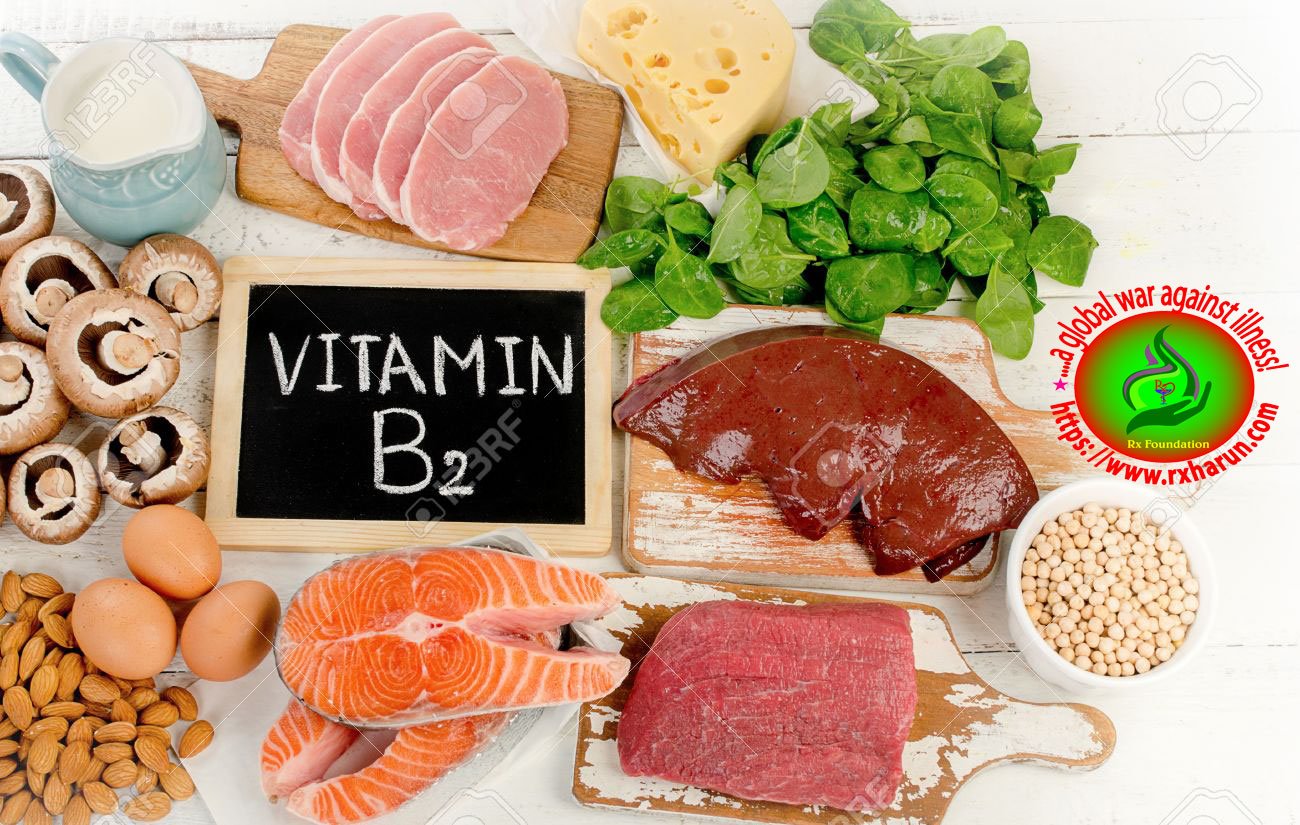
Almonds, rice, eggs, milk, yoghurt, spinach, soy and sprouts.
Niacin (B3)
- One of the main roles of vitamin B3, also known as niacin, is to increase the levels of high-density lipoproteins (HDL) in the blood. These are the ‘good cholesterol’. The higher your HDL levels are, the lower your overall cholesterol ratio is. This means you are seen as being at a lower risk of developing cardiovascular diseases (CVD).
- Several studies have also shown that vitamin B3 may be able to treat skin conditions such as acne.
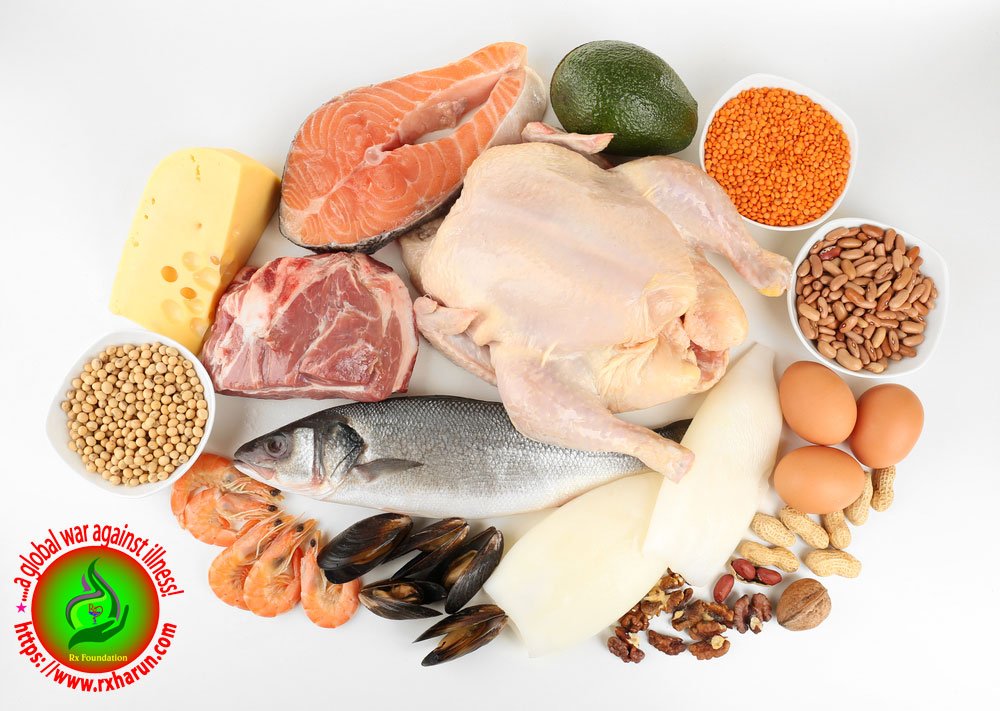
Niacin (Vitamin B3) Foods:
Milk, eggs, beans, green vegetables and red meat.
Pantothenic Acid (B5)
- Vitamin B5, also known as pantothenic acid, can be found in many foods in small quantities. Its main responsibilities include breaking down fats and carbohydrates for energy, and the production of important hormones such as testosterone.
There have been studies [4] that show that vitamin B5 can have a positive effect on skin, reducing the signs of ageing and improving blemishes, redness and spots.
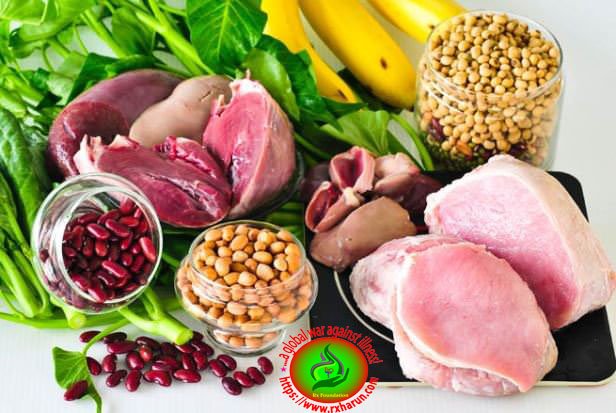
Pantothenic Acid (Vitamin B5) Foods
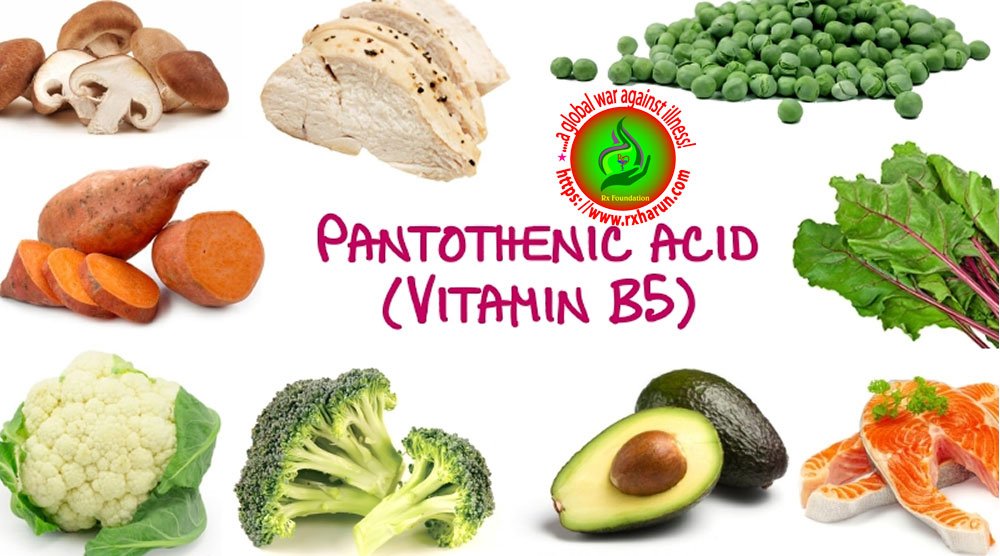
Eggs, meat, yogurt, beans, and legumes.
Pyridoxine (B6)
- Pyridoxine, also known as vitamin B6, has several different qualities. Firstly, it works to regulate blood levels of homocysteine, which is an amino acid associated with heart disease. It also helps to body to produce hormones such as serotonin and melatonin, as well as norepinephrine. These are our sleep and stress hormones that alter mood and energy levels.
- There have also been a number of studies [5] that suggest that vitamin B6 can improve the condition of patients suffering from arthritis.
Pyridoxine (Vitamin B6) Foods
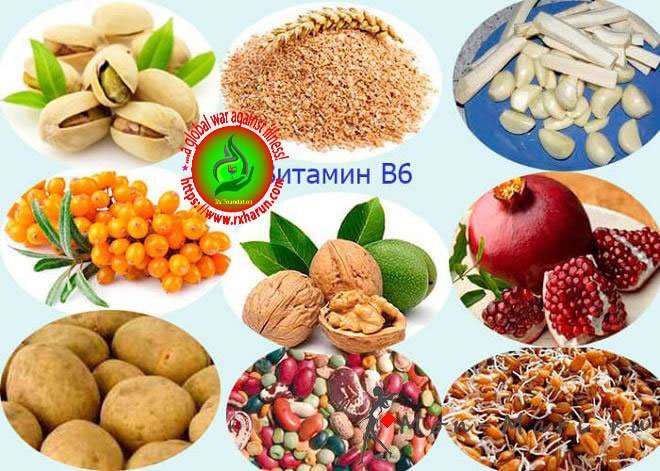
Seeds, rice, salmon, tuna, turkey and chicken.
Biotin (B7)
- Vitamin B7 (biotin), also known as the beauty vitamin, has several benefits in relation to appearance, as it has been linked with improving the appearance of skin, hair, and nails.
- There have also been studies [6] that suggest that vitamin B7 can help to control blood glucose levels, suggesting that supplementation can be beneficial for those who suffer from diabetes. Biotin may also be beneficial during pregnancy to support the normal growth of the baby.
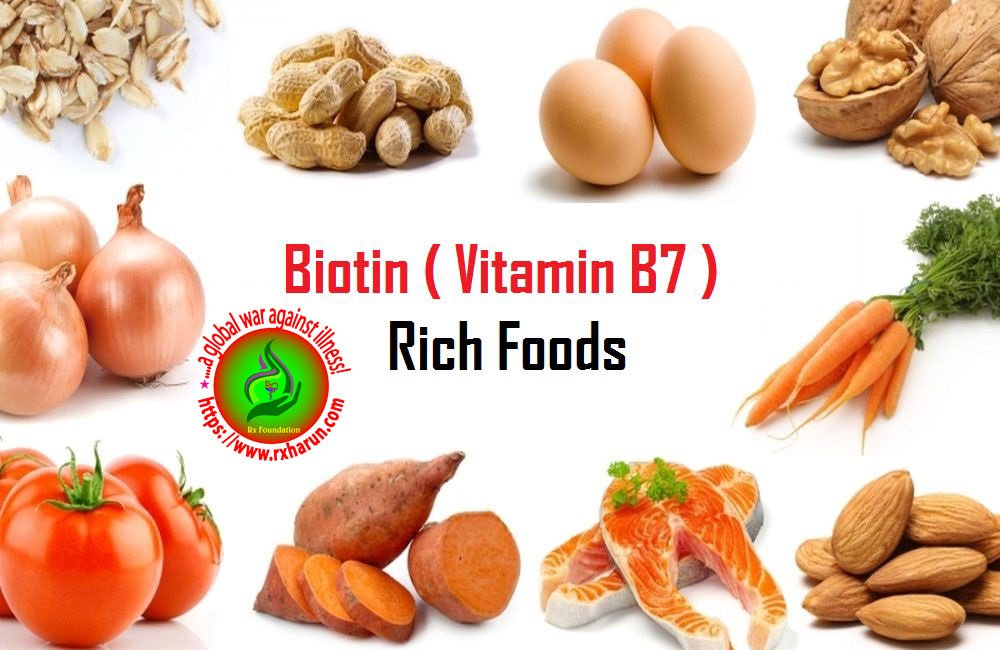
Biotin (Vitamin B7) Foods
- Most commonly found in meats, such as chicken and pork, although it can also be found in egg yolks, potatoes and nuts.
Folate (B9)
- Folate, also known as vitamin B9, has several key benefits. It has been linked [7] to the prevention of memory loss, as well as improving depression. It has also been strongly linked with the prevention of birth defects in babies.
- B9 can be found in a synthetic form, folic acid, which is often added to foods such as cereals to fortify them. It can also be bought in supplement form.
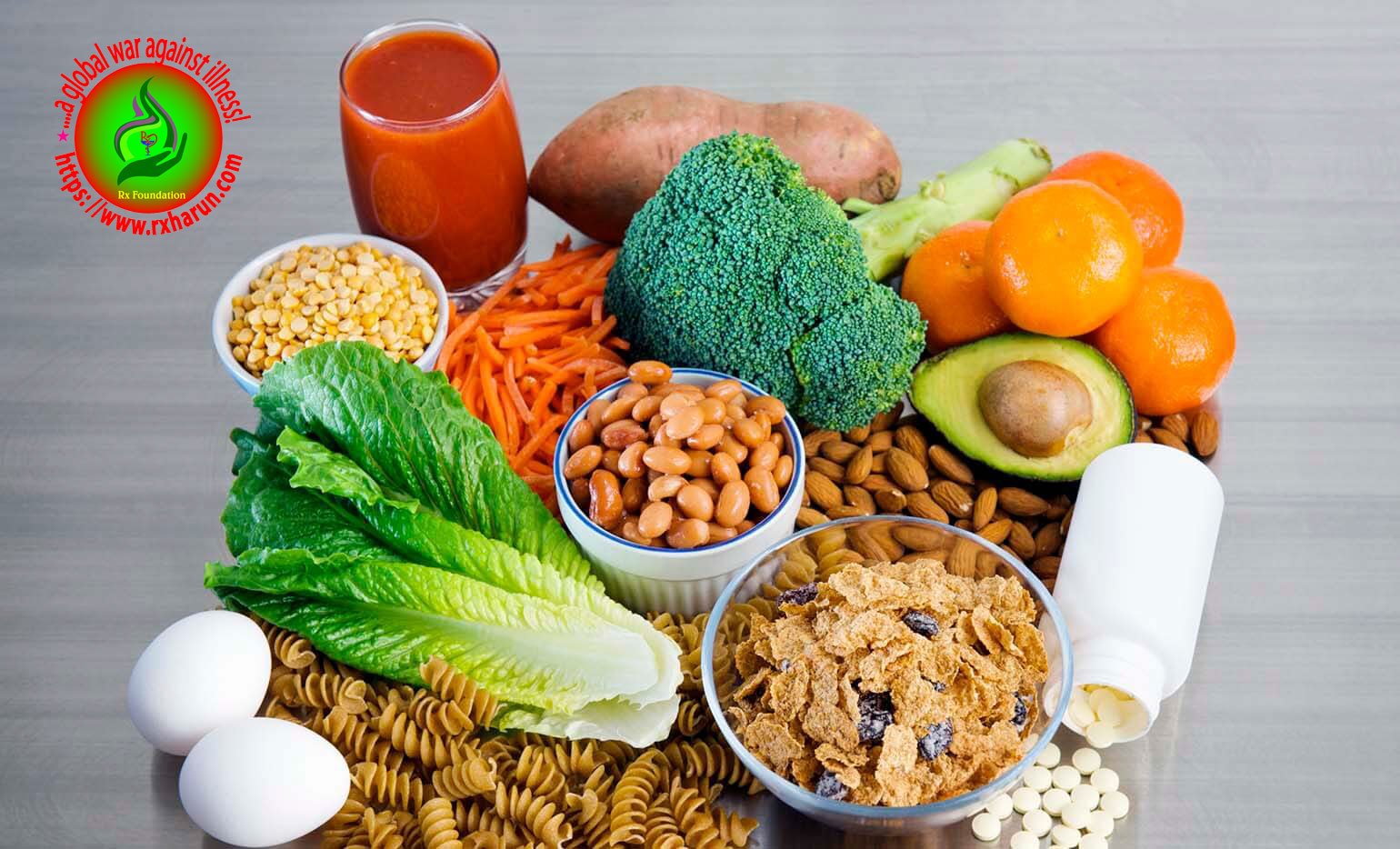
Folic Acid (Vitamin B9) Foods
- Can be consumed naturally through green leafy vegetables, asparagus, root vegetables, milk, wheat, beans and salmon.
Cobalamin (B12)
- The main role of vitamin B12 is to aid the other B vitamins in completing their roles. It works with folate to produce red blood cells, as well as to produce haemoglobin.
- Vitamin B12 is only found in animal products, which means the vegans and vegetarians are at risk of being deficient. It may be necessary to supplement with vitamin B12 if you do not consume many animal products.

Cobalamin (Vitamin B12) Foods
- Vitamin B12 most commonly found in fish, pork, beef, dairy and eggs.
Mood

- B-complex vitamins have been known since the 1940s as antistress nutrients. Many of the vitamins have direct effects on mood and perception. For example, vitamin B1 supplements improve overall mood; high doses of vitamin B3 (in combination with vitamin C) have been used successfully to treat recent-onset schizophrenia. Vitamin B6 is needed to make serotonin, a neurotransmitter with antidepressant benefits.
Blood sugar.
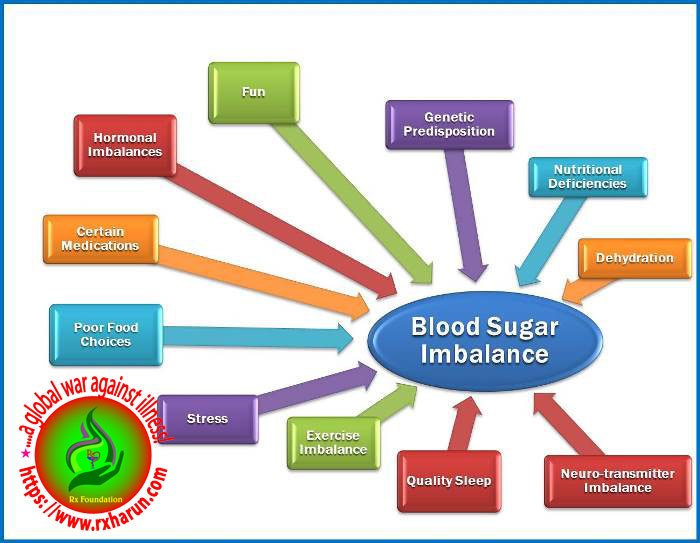
- Biotin and vitamin B1 stand out for their roles in maintaining normal blood sugar levels. Your body needs biotin to make insulin, a hormone that controls blood sugar levels. In addition, biotin regulates genes involved in the metabolism of glucose, amino acids, and fatty acids. Large amounts of biotin can lower triglyceride levels, and a combination of biotin and chromium picolinate has been shown to lower blood sugar levels. Vitamin B1 (100 mg, three times daily) has been shown to lower levels of microalbuminuria (protein in urine) in people with type 2 diabetes.
Cognitive function.
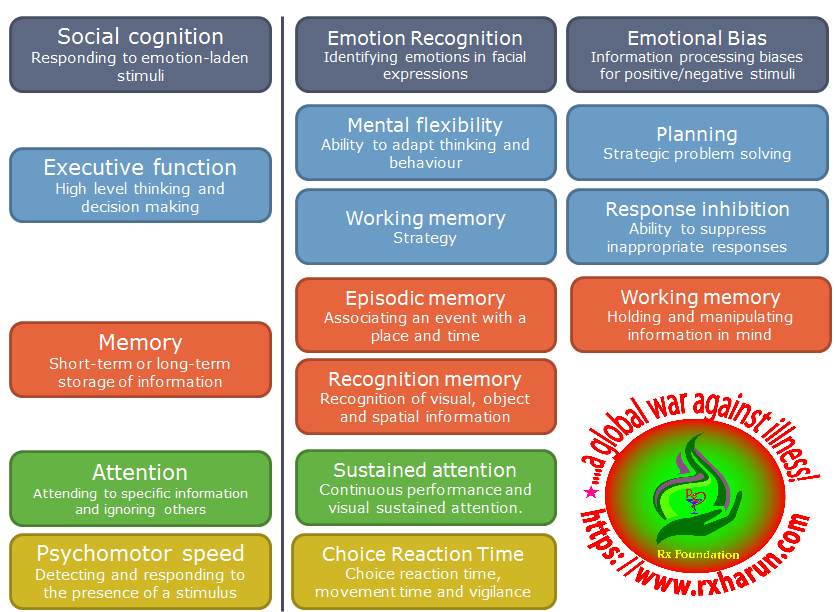
Approximately one-third of seniors suffer from atrophic gastritis, a condition that interferes with vitamin B12 absorption. Studies have found that vitamin B12 deficiency can mimic Alzheimer’s disease and other types of dementia. In these cases, taking vitamin B12 can restore cognitive function. Other B-complex vitamins, including niacin and folic acid, may be helpful in combination with vitamin B12.
Macular degeneration.
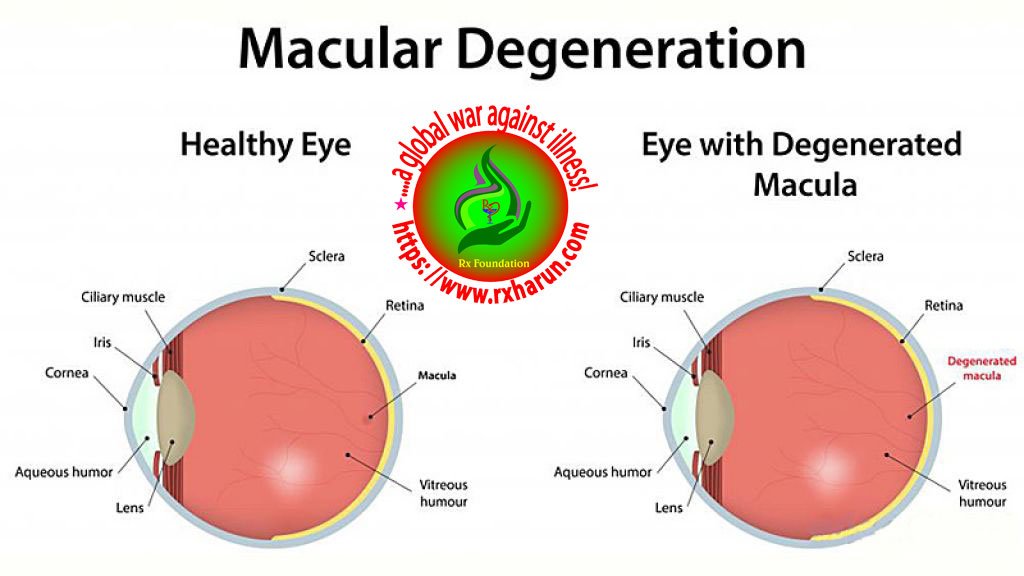
Researchers reported in the February 2009 issue of Archives of Internal Medicine that large supplemental amounts of B-complex vitamins led to a 35 percent lower incidence risk of age-related macular degeneration in women over the course of seven years.
Balancing Stress

- The B vitamins are vital cofactors for specific enzymes involved in the production of adrenal hormones. These hormones regulate many processes in your body as well as help you to adapt to stress and cope with anxiety.
- Your adrenal response to stress causes the metabolism of your cells to speed up, increasing the number of nutrients needed, which can lead to deficiencies. According to research, chronic stress depletes vitamin B6, so supplementing to maintain healthy levels could be of help therapeutically.
Bending and Stretching
- Research has indicated that Vitamin B3 may have anti-inflammatory properties that could offer protection against arthritic symptoms and the need for pharmaceutical anti-inflammatory drugs.
- Additionally, vitamin B5 may be of help to sufferers of Rheumatoid Arthritis, as these individuals have been found to have lower levels of this B vitamin in their blood than healthy people.
- Scientists discovered that the lower the levels of B5, the more extreme the symptoms were. Further studies have shown that vitamin B5 may improve the morning stiffness and pain associated with rheumatoid arthritis.
Brighter Vision

- Over time eye health can deteriorate leaving some people with short-sightedness and others with cataracts or age-related macular degeneration (AMD), which can lead to blindness. Fortunately, vitamin B2 (Riboflavin) works in tandem with other nutrients to help maintain normal clear vision.
- Animal trials show that rats fed riboflavin deficient diets have developed cataracts and other studies have led some researchers to conclude that riboflavin deficiency may also contribute to night blindness.
Pregnant or Breastfeeding Women

- During pregnancy, the demand for B vitamins, particularly B12 and folate, grows to support fetal development.
- In women who are pregnant or breastfeeding, especially those who follow vegetarian or vegan diets, supplementing with a B-complex vitamin is crucial.
- B12 or folate deficiency in pregnant or breastfeeding women can lead to severe neurological damage or birth defects in the fetus or infant .
Cardiovascular disease
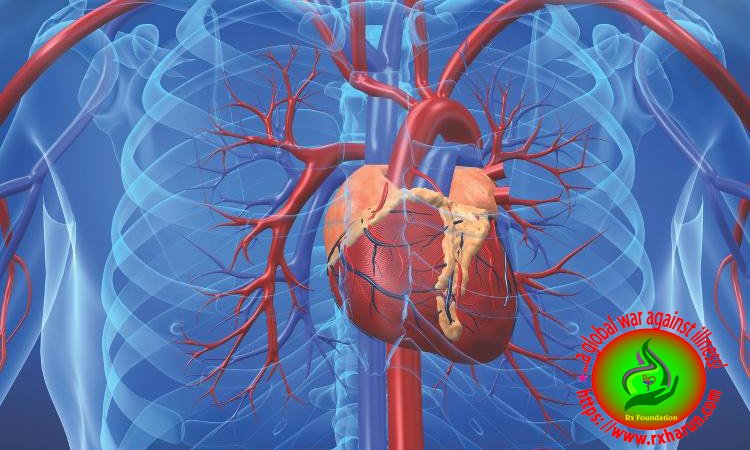
- Low levels of folic acid (and sometimes low B6 and B12 levels) lead to increases in blood levels of homocysteine, a chemical that damages blood vessel walls and sets the stage for cholesterol deposits.
- Recently, researchers at the University of Southern California gave subjects high-dose B-complex vitamins or placebos daily for three years. Those taking the vitamins had significantly less thickening of their blood vessel walls, according to an article in Stroke.
Related Compounds
Many of the following substances have been referred to as vitamins as they were once believed to be vitamins. They are no longer considered as such, and the numbers that were assigned to them now form the “gaps” in the true series of B-complex vitamins described above (e.g., there is no vitamin B4). Some of them, though not essential to humans, are essential in the diets of other organisms; others have no known nutritional value and may even be toxic under certain conditions.
- Vitamin B4 – can refer to the distinct chemicals choline, adenine, or carnitine.[rx][rx] Choline is synthesized by the human body, but not sufficient to maintain good health, and is now considered an essential dietary nutrient.[rx] Adenine is a nucleobase synthesized by the human body.[rx] Carnitine is an essential dietary nutrient for certain worms, but not for humans.[rx]
- Vitamin B8 – adenosine monophosphate (AMP), also known as adenylic acid.[rx] Vitamin B8 may also refer to inositol.[rx]
- Vitamin B10 – para-aminobenzoic acid (PABA or PABA), a chemical component of the folate molecule produced by plants and bacteria, and found in many foods.[rx][rx] It is best known as a UV-blocking sunscreen applied to the skin and is sometimes taken orally for certain medical conditions.[rx][rx]
- Vitamin B11 – pteryl-hepta-glutamic acid (PHGA; chick growth factor). Vitamin Bc-conjugate was also found to be identical to PHGA.
- Vitamin B13 – orotic acid.[rx]
- Vitamin B14 – cell proliferant, anti-anemia, rat growth factor, and antitumor pterin phosphate named by Earl R. Norris. Isolated from human urine at 0.33ppm (later in the blood), but later abandoned by him as further evidence did not confirm this. He also claimed this was not xanthopterin.
- Vitamin B15 – pangamic acid,[rx] also known as pangamate. Promoted in various forms as a dietary supplement and drug; considered unsafe and subject to seizure by the US Food and Drug Administration.[rx]
- Vitamin B16 – dimethylglycine (DMG)[rx] is synthesized by the human body from choline.
- Vitamin B17 – the pseudoscientific name for the poisonous compound amygdalin, also known as the equally pseudoscientific name “nitrilosides” despite the fact that it is a single compound. Amygdalin can be found in various plants but is most commonly extracted from apricot pits and other similar fruit kernels. Amygdalin is hydrolyzed by various intestinal enzymes to form, among other things, hydrogen cyanide, which is toxic to human beings when exposed to a high enough dosage. Some proponents claim that amygdalin is effective in cancer treatment and prevention, despite its toxicity and a severe lack of scientific evidence.[rx]
- Vitamin B20 – L-carnitine.[rx]
- Vitamin Bf – carnitine.[rx]
- Vitamin Bm – Myo-inositol, also called “mouse antialopaecia factor”.[rx]
- Vitamin Bp – “antiperosis factor”, which prevents persons, a leg disorder, in chicks; can be replaced by choline and manganese salts.[rx][rx][rx]
- Vitamin BT: carnitine.[rx][rx]
- Vitamin Bv – a type of B6 other than pyridoxine.
- Vitamin BW – a type of biotin other than d-biotin.
- Vitamin Bx – an alternative name for both pABA (see vitamin B10) and pantothenic acid.[rx][rx]
References
- https://www.ncbi.nlm.nih.gov/pmc/articles/PMC2885294/
- https://www.ncbi.nlm.nih.gov/pmc/articles/PMC4772032/
- https://www.ncbi.nlm.nih.gov/pmc/articles/PMC2624995/
- https://www.ncbi.nlm.nih.gov/pubmed/23738221
- https://en.wikipedia.org/wiki/B_vitamins
- https://www.healthline.com/nutrition/vitamin-b-complex
- https://www.versusarthritis.org/about-arthritis/complementary-and-alternative-treatments/types-of-complementary-treatments/vitamins-b-complex/
- https://medlineplus.gov/bvitamins.html
- https://www.cancer.gov/publications/dictionaries/cancer-terms/def/vitamin-b-complex
- https://www.betterhealth.vic.gov.au/health/healthyliving/vitamin-b
- https://www.everlywell.com/blog/b-vitamins/4-top-causes-of-vitamin-b-deficiency/
- https://www.hollandandbarrett.com/shop/product/holland-barrett-complete-b-vitamin-b-complex-caplets-60001250