

Desiccation dermatitis, at its simplest, is skin inflammation caused by excessive dryness. The term ‘desiccation’ stems from ‘desiccate,’ a Latin word that means ‘to dry thoroughly.’ Combining this with ‘dermatitis’ (an umbrella term for skin inflammation), we get a condition that occurs when the skin becomes too dry and gets inflamed. Several factors can trigger desiccation dermatitis, with the most common being environmental conditions. For instance, residing in dry, arid regions or working in air-conditioned rooms can strip your skin of its natural oils, causing it to become dry and inflamed. Additionally, excessive washing, especially using harsh soaps, can rob the skin of its protective layer, leading to this condition.
Certain medical conditions such as psoriasis, eczema, and hypothyroidism can also lead to desiccation dermatitis. Aging, which is associated with decreased oil production in the skin, is another significant risk factor.
Types of Desiccation Dermatitis
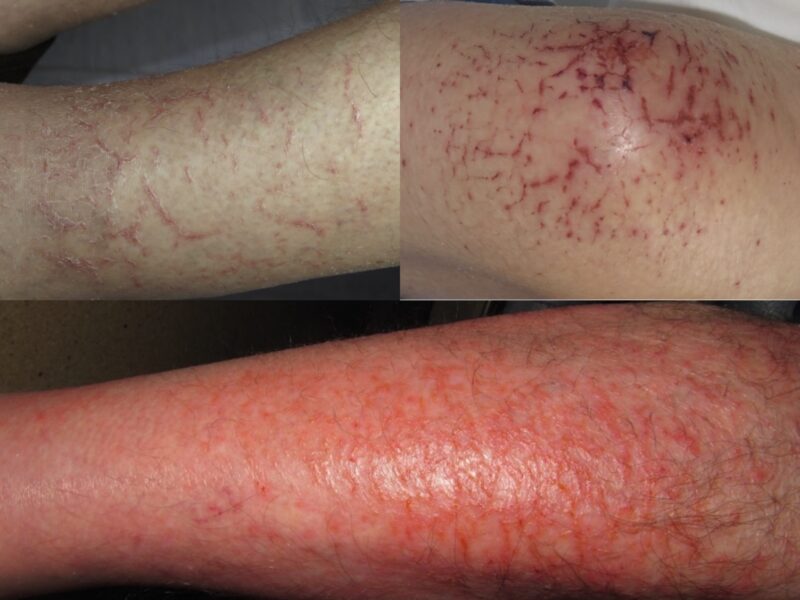
While it might seem like a single condition, there are different types of desiccation dermatitis, each with unique features. Let’s take a look at the major types:
- Atopic Dermatitis (Eczema)
This is one of the most common types of desiccation dermatitis. Eczema makes your skin dry, itchy, and red. You might even see some blisters or flaky patches. It’s often seen in children, but adults can have it too.
- Contact Dermatitis
Contact dermatitis happens when your skin touches something it doesn’t like, and it gets very dry and irritated. This could be soap, detergent, or even certain metals.
- Seborrheic Dermatitis
This type usually appears on the scalp as dandruff but can also show up in other oily areas of the body. The skin turns red, swells, and forms yellowish flakes.
- Stasis Dermatitis
Stasis dermatitis happens due to poor blood flow, usually in the lower legs. It causes the skin to become very dry, irritated, swollen, and sometimes darker in color.
- Nummular Dermatitis
Nummular dermatitis causes dry, round patches of skin that can be very itchy. It usually shows up on the legs, arms, or torso.
- Perioral Dermatitis
This type causes a rash around the mouth, and sometimes the eyes or nose. The skin becomes dry, flaky, and red.
Causes
This skin condition is simply a type of eczema caused by dryness. From environmental factors to lifestyle habits, many triggers can contribute to this issue. Here, we will unravel the top causes of desiccation dermatitis in the simplest language possible.
1. Low Humidity: Living in dry climates or using central heating can lead to skin dryness. Without enough moisture in the air, your skin may lose its natural hydration, leading to desiccation dermatitis.
2. Frequent Handwashing: While necessary for hygiene, frequent handwashing can strip the skin of its natural oils. This can cause the skin to become dry and may result in dermatitis.
3. Use of Harsh Soaps: Soaps with strong detergents can severely dry out the skin. If your soap makes your skin feel tight and dry after washing, it might be too harsh.
4. Dehydration: Not drinking enough water may lead to overall dehydration, including dryness of the skin, thus triggering desiccation dermatitis.
5. Aging: As we age, our skin loses its ability to retain moisture, leading to dryness and potential dermatitis.
6. Diabetic Dermopathy: This is a skin condition that occurs in people with diabetes. It can cause dry, scaly patches that may lead to desiccation dermatitis.
7. Atopic Dermatitis: This is a common type of eczema that often results in dry, itchy skin and can lead to desiccation dermatitis if not properly managed.
8. Psoriasis: This skin condition causes the build-up of skin cells that form scales and dry patches, which can lead to desiccation dermatitis.
9. Hypothyroidism: This medical condition can reduce the activity of sweat and oil glands, leading to skin dryness and potentially causing desiccation dermatitis.
10. Malnutrition: Lack of vitamins and minerals necessary for skin health can cause dryness and lead to dermatitis.
11. Alcohol Consumption: Alcohol can dehydrate your body, including your skin, potentially leading to desiccation dermatitis.
12. Smoking: Smoking can damage the skin and reduce its elasticity, causing dryness and potentially leading to desiccation dermatitis.
13. Overuse of Acne Medications: Certain acne treatments can excessively dry out the skin, leading to potential dermatitis.
14. Sunburn: Excessive exposure to the sun can dry out the skin and lead to desiccation dermatitis.
15. Lack of Fatty Acids: Insufficient intake of omega-3 fatty acids, which keep the skin hydrated, can lead to skin dryness and potentially trigger desiccation dermatitis.
16. Excessive Caffeine: Caffeine can dehydrate the body and the skin, leading to potential dermatitis.
17. Chlorinated Water: Regular exposure to chlorinated water can dry out the skin, leading to potential desiccation dermatitis.
18. Kidney Disease: Chronic kidney disease can alter the body’s balance of minerals, leading to dry skin and potential dermatitis.
19. Allergies: Allergic reactions to certain substances can cause dry, flaky skin, a potential trigger for desiccation dermatitis.
20. Chemical Exposures: Exposure to harsh chemicals can dry out and irritate the skin, potentially causing desiccation dermatitis.
21. Frequent Showering: Taking long, hot showers can strip the skin of its natural oils, leading to dryness and potential dermatitis.
22. Stress: Stress can exacerbate skin conditions, including dryness, and may lead to desiccation dermatitis.
23. Skin Infections: Certain skin infections can disrupt the skin’s moisture barrier, causing dryness and potentially leading to desiccation dermatitis.
24. Eczema: All forms of eczema, not just atopic dermatitis, can cause skin dryness and lead to desiccation dermatitis.
25. Genetic Predisposition: Some people are genetically predisposed to have dry skin, which can lead to desiccation dermatitis.
26. Medications: Some medications, like diuretics or antihistamines, can dry out the skin, leading to potential dermatitis.
27. Skin Irritants: Certain fabrics, like wool or synthetic fibers, can irritate the skin and cause dryness, leading to potential desiccation dermatitis.
28. Frequent Air Travel: Airplane cabins have very low humidity, which can dry out the skin and potentially cause desiccation dermatitis.
29. Low-Fat Diets: Fat is necessary for skin health. A low-fat diet may cause skin dryness and lead to potential dermatitis.
30. Menopause: Hormonal changes during menopause can cause skin dryness and potentially lead to desiccation dermatitis.
Symptoms
Here are the top symptoms to help you identify if you or your loved ones are suffering from desiccation dermatitis.
- Dry Skin: The most obvious sign is extremely dry skin. It may feel rough, scaly, or even crumbly to the touch.
- Itchiness: Constantly feeling itchy is a common symptom. It’s more than a simple irritation; it can disrupt your sleep and daily activities.
- Redness: Affected areas may become red or pink, which is your body’s way of saying something’s wrong.
- Skin Flaking: Pieces of dry skin might start to peel or flake off, almost like dandruff.
- Skin Cracks: Your skin may crack, similar to chapped lips or heels. These cracks can be painful and susceptible to infection.
- Burning Sensation: You might feel a burning sensation, especially when applying certain lotions or creams.
- Blisters: In severe cases, blisters might form. They can ooze, adding to your discomfort.
- Swelling: Swelling or puffiness is another sign. It typically occurs around the affected areas.
- Sensitivity: Your skin may become overly sensitive to touch or temperature changes.
- Discoloration: Areas affected by desiccation dermatitis can change color, becoming lighter or darker than the rest of your skin.
- Rough Patches: You may notice hard, rough patches on your skin. These patches might look like they’re covered in scales.
- Lesions: In extreme cases, lesions or open sores can form. They’re painful and increase the risk of infection.
- Pain: As the condition progresses, you may experience physical pain, especially in the cracked or blistered areas.
- Tightness: Your skin might feel tight, particularly after it’s been wet, like after a bath or shower.
- Warmth: The inflamed areas can feel warm or hot to the touch due to inflammation.
- Increased Thickness: The skin can become thick, hard, and stiff in the affected areas.
- Skin Shrinkage: Skin may appear shrunken or shriveled as it loses moisture.
- Rashes: Rashes, different from the usual skin color and texture, can appear.
- Bleeding: Skin might start bleeding due to severe dryness and cracks.
- Edema: Fluid accumulation can lead to swelling in or around the areas affected by dermatitis.
- Small Bumps: Some people may notice the formation of small bumps on their skin.
- Hardened Skin: Prolonged desiccation dermatitis can lead to skin hardening over time.
- Excoriations: This is when skin is broken from scratching too much, causing linear erosions.
- Wrinkles: More wrinkles can appear because of dryness and loss of skin elasticity.
- Changes in Skin Texture: Over time, the skin may start feeling rough, coarse, or bumpy.
- Oozing: In severe cases, the skin might ooze a clear or yellowish liquid.
- Fissures: You may develop deep grooves, or fissures, in your skin, often painful and bleed easily.
- Hives: In some instances, hives, or itchy, raised welts, can appear on the skin.
- Scaling: Skin may start to scale, giving it a rough, flaky appearance.
- Erythema: This term refers to the reddening of the skin caused by increased blood flow in superficial capillaries.
Diagnosis
Understanding what desiccation dermatitis is, how it’s diagnosed, and the various tests involved can be daunting.
- Visual Examination: Doctors often start by physically examining the affected skin area. They look for telltale signs of desiccation dermatitis, such as dry, itchy, and scaly skin.
- Medical History Review: They will ask about your medical history. Understanding your past health issues may shed light on why you’re experiencing skin dryness.
- Patch Testing: This allergy test helps identify specific allergens causing your skin condition. It involves placing small patches with different allergens on your skin and observing for any reactions.
- Skin Biopsy: A small sample of your skin is removed and examined under a microscope. This helps confirm the diagnosis and rule out other skin conditions.
- Blood Tests: These can uncover underlying conditions causing desiccation dermatitis, like anemia or kidney problems.
- Intradermal Test: A small amount of allergen is injected under the skin surface. If you’re allergic, a small, red bump will appear.
- Photopatch Testing: This test determines if you have photosensitivity, where exposure to light worsens your skin condition.
- Prick Test: An allergen is pricked onto your skin surface. A positive reaction would be swelling or redness at the prick site.
- Scraping Test: A healthcare provider scrapes off a small skin area to test for fungal or bacterial infections.
- Skin Culture: This test helps identify bacteria or fungi on the skin causing infections that could exacerbate desiccation dermatitis.
- Hydration Test: It measures the hydration level of your skin. If your skin lacks sufficient moisture, it might be prone to desiccation dermatitis.
- Transepidermal Water Loss (TEWL) Test: It assesses the amount of water lost through your skin. High TEWL could signal desiccation dermatitis.
- Skin pH Test: This test checks your skin’s pH level. Imbalanced pH can worsen skin dryness and irritation.
- Complete Blood Count (CBC): A CBC can identify systemic conditions contributing to skin dryness.
- Thyroid Function Test: Some thyroid conditions can cause dry skin. This test measures the level of thyroid hormones.
- Eczema Area and Severity Index (EASI): It’s a clinical tool to assess the severity of eczema, a condition often associated with desiccation dermatitis.
- Scoring Atopic Dermatitis (SCORAD) Index: This scoring system measures the extent and severity of eczema.
- Dermatoscopy: This non-invasive technique enables detailed examination of skin lesions, providing more precise diagnosis.
- Rheumatoid Factor Test: This blood test can help detect autoimmune diseases that may cause skin dryness.
- Serum Creatinine Test: This evaluates kidney function. Poor kidney health can lead to skin dryness.
- Lipid Profile: Unhealthy cholesterol levels might affect skin moisture levels.
- Blood Urea Nitrogen (BUN) Test: This assesses kidney function. A high BUN level may hint at skin dryness.
- Glucose Tolerance Test: Diabetes can cause skin dryness. This test checks your body’s ability to metabolize sugar.
- Immunoglobulin E (IgE) Test: High IgE levels might indicate an allergic condition affecting your skin.
- C-Reactive Protein (CRP) Test: It measures the level of CRP, a protein made by the liver in response to inflammation.
- Liver Function Tests: These assess the health of your liver. Liver diseases can cause skin problems.
- Cortisol Level Test: High cortisol levels may be associated with skin conditions.
- Serum Electrolyte Test: This measures the levels of electrolytes in your blood. Imbalances may lead to skin problems.
- Hormonal Profile: Hormonal imbalances can cause dry skin. This test checks the levels of various hormones.
- Differential White Blood Cell Count: An abnormal count may indicate an underlying condition affecting the skin.
Each of these tests provides critical information to diagnose desiccation dermatitis accurately and develop an effective treatment plan. Remember, early diagnosis is key to managing and treating any medical condition successfully. If you notice symptoms of skin dryness, don’t delay in seeking medical attention.
Treatment
Potential treatments at your fingertips are all aimed at relieving your symptoms and restoring your skin health. Remember, the best approach for you will depend on your skin type, the severity of your symptoms, and personal preferences.
- Moisturizers: The best place to start is with a good moisturizer. Look for those with ingredients like hyaluronic acid or ceramides, which keep skin hydrated and restore its natural barrier.
- Hydrating Cleansers: Swap your regular soap with a gentle, hydrating cleanser. These types of products can clean your skin without stripping it of its essential oils.
- Cool Showers: Hot water can dry out your skin. Instead, take cooler, shorter showers to help retain moisture.
- Humidifiers: These devices increase the moisture level in your environment, preventing your skin from drying out, especially during cold, dry months.
- Water-Intake: Stay hydrated from the inside out by drinking plenty of water throughout the day.
- Avoid Fragrances: Many soaps, lotions, and detergents contain fragrances that can irritate dry, sensitive skin. Choose fragrance-free products to avoid this issue.
- Oatmeal Baths: Oatmeal has soothing properties and can help to lock in moisture when used in a bath.
- Topical Steroids: Over-the-counter or prescription-strength creams can reduce inflammation and itching.
- Aloe Vera: Known for its healing properties, aloe vera can soothe and moisturize your skin.
- Honey: This natural remedy has anti-inflammatory and humectant properties, meaning it draws moisture into the skin.
- Coconut Oil: Rich in fatty acids, coconut oil can be a great natural moisturizer for dry skin.
- Shea Butter: This is another rich emollient that can help to seal in moisture.
- Petroleum Jelly: It creates a protective barrier on your skin, locking in moisture.
- Omega-3s: Found in fish and flaxseeds, omega-3 fatty acids can support skin health and reduce inflammation.
- Zinc Supplements: Zinc plays a role in maintaining healthy skin and can help manage inflammation.
- Biotin Supplements: This B vitamin can support skin health and may help combat dryness.
- Vitamin E: Often found in creams and lotions, vitamin E can protect your skin and help retain moisture.
- Evening Primrose Oil: This can be taken orally or applied topically to soothe dry skin.
- Cotton Clothing: Natural fabrics like cotton are less likely to irritate sensitive skin.
- Laundry Detergents for Sensitive Skin: They don’t contain harsh chemicals that can exacerbate dryness and irritation.
- Gloves in Cold Weather: Protecting your skin from harsh weather conditions can prevent it from drying out further.
- Green Tea: Drinking it or applying topically can provide anti-inflammatory benefits.
- Calendula Cream: This is a natural remedy known for its skin-soothing properties.
- Avoid Alcohol-Based Products: They can dry out your skin. Always check the ingredient list.
- Licorice Extract: Available in cream form, licorice extract can help reduce inflammation.
- Jojoba Oil: It closely mimics your skin’s own sebum, providing deep hydration.
- Avoid Scratching: It can damage your skin and lead to infection. Keep your nails short to prevent this.
- Wet Wrapping: Applying moisturizer and then wrapping the area with a damp bandage can lock in moisture.
- Meditation and Stress Management: Stress can exacerbate skin conditions. Techniques like meditation can help manage stress levels.
- Regular Dermatologist Visits: Routine check-ups can help catch any potential issues early and allow your dermatologist to provide personalized treatment plans.
It’s important to remember that not all treatments will work for everyone, and it may take some time to find the best treatment for you. Patience is key. If one method doesn’t work, don’t be disheartened; just try another from this extensive list. Always consult with your healthcare provider before beginning a new treatment.


