
Soleus Muscle – Origin, Nerve Supply, Functions

Patient Tools

Read, save, and share this guide

Use these quick tools to make this medical article easier to read, print, save, or share with a family member.

On this page4 sections

Article Summary

Soleus Muscle is a powerful muscle in the back part of the lower leg (the calf). It runs from just below the knee to the heel, and is involved in standing and walking. It is closely connected to the gastrocnemius muscle and some anatomists consider them to be a single muscle, the triceps surae. Its name is derived from the Latin word "solea", meaning "sandal". Soleus muscle, a flat, broad muscle of the calf of the leg lying just...

Key Takeaways

  • This article explains Origin and insertion in simple medical language.
  • This article explains Innervation and blood supply in simple medical language.
  • This article explains Function in simple medical language.
Before reading

RX Patient Tools

Use these quick guides before reading the article, or return to them when you need help preparing questions for a doctor.

Start here Choose the right pathway for symptoms, reports, medicines, or urgent warning signs. Disease article roadmap Read this topic step by step: meaning, symptoms, warning signs, diagnosis, treatment, prevention, and follow-up. Treatment planner Prepare questions about treatment choices, benefits, risks, side effects, and follow-up. Family & caregiver guide Organize symptoms, reports, medicines, questions, and follow-up safely. Nutrition & diet guide Prepare food, hydration, supplement, and medicine-timing questions safely. Prevention guide Organize risk factors, protective habits, screening, and warning signs. Recovery guide Prepare a safe plan for activity, rehabilitation, warning signs, and follow-up.
Educational health guideWritten for patient understanding and clinical awareness.
Reviewed content workflowUse writer and reviewer profiles for stronger trust.
Emergency safety firstUrgent warning signs are highlighted below.
Definition

Soleus Muscle is a powerful muscle in the back part of the lower leg (the calf). It runs from just below the knee to the heel, and is involved in standing and walking. It is closely connected to the gastrocnemius muscle and some anatomists consider them to be a single muscle, the triceps surae. Its name is derived from the Latin word “solea”, meaning “sandal”.

Soleus muscle, a flat, broad muscle of the calf of the leg lying just beneath the gastrocnemius muscle. It arises from the upper portions of the  and , the bones of the lower leg, and then joins with the gastrocnemius to attach via the  at the heel. Its major action is flexion of the ankle joint, particularly when the leg is bent at the knee, thereby extending the foot downward.
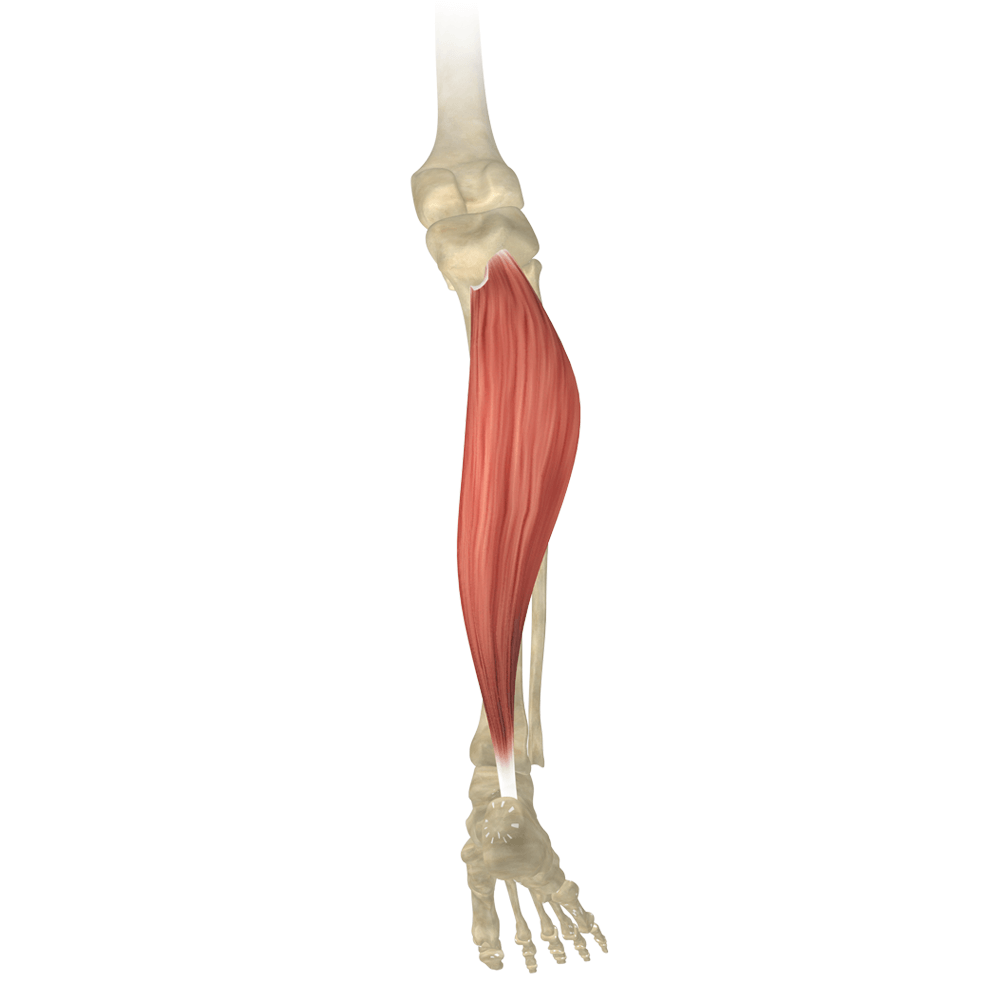
Soleus Muscle - Origin, Nerve Supply, Functions

Origin and insertion

  • The soleus muscle arises from the soleal line on the dorsal surface of the tibia, medial border of the tibia, head of the fibula, and posterior border of the fibula. Part of the fibers arises from the tendinous arch of the soleus, which spans between the tibia and fibula and arches over the popliteal vessels and tibial nerve.
  • The soleus muscle runs along with the gastrocnemius muscle and together they insert onto the posterior surface of the via the . The calcaneal , commonly called the Achilles tendon, is the strongest tendon of the human body. It is easily visible and palpable at the heel.

Innervation and blood supply

  • The soleus is innervated by the ventral rami of S1 and S2 spinal nerves, carried by the tibial nerve into the posterior compartment of the leg
  • Tibial nerve, L4, L5, S1 , S2

Blood supply

  • Blood supply of the soleus muscle is from peroneal proximally and the posterior tibial artery distally;
  • Muscle has a mixed-blood supply;
  • Vascular supply of the soleus is from popliteal, posterior tibial, & peroneal vascular pedicles to the proximal muscle, peroneal pedicles to distal lateral , and segmental posterior tibial pedicles to distal medial belly;
  • With distal pedicles from the posterior tibial artery ligated & based on proximal pedicles from the posterior tibial and peroneal , a muscle can be transposed medially or laterally to cover defects in the middle third of the leg;
  • Proximal vasculature arises directly from the popliteal vessels and can reliably carry all but the distal 4 to 5 cm of the muscle;
  • Intramuscularly, the vasculature of the soleus divides into a bipenniform segmental pattern;
  • w/ this vascular pattern, either half of the soleus muscle can be used, leaving a functional hemisoleus muscle intact

A clinically important venous plexus is present in the soleus muscle belly. Physiologically it contributes to the muscle pump of the lower extremity. In pathological circumstances, such as thrombophilia, it constitutes a common site of of (). follow the arteries of the same name into the popliteal .

Function

The action of the calf muscles, including the soleus, is plantarflexion of the foot (that is, they increase the angle between the foot and the leg).

  • They are powerful muscles and are vital in walking, running, and keeping balance. The soleus specifically plays an important role in maintaining standing posture; if not for its constant pull, the body would fall forward.
  • Also, in an upright posture, the soleus is responsible for pumping venous blood back into the heart from the periphery and is often called the skeletal-muscle pump, peripheral heart or the sural (tricipital) pump.[rx]
  • Soleus muscles have a higher proportion of slow muscle fibers than many other muscles. In some animals, such as the guinea pig and cat, the soleus consists of 100% slow muscle fibers. Human soleus fiber composition is quite variable, containing between 60 and 100% slow fibers.[rx]
  • The soleus is the most effective muscle for plantar flexion in a bent knee position (Hence called the first gear muscle). This is because the gastrocnemius originates on the , so bending the leg limits its effective tension. During regular movement (i.e., walking) the soleus is the primary muscle utilized for plantar flexion due to the slow-twitch fibers resisting .[rx]

References

Doctor visit helper

Prepare before seeing a doctor

A simple rural-patient checklist to help you explain symptoms clearly, ask better questions, and avoid unsafe self-treatment.

Safety note: This is not a prescription or diagnosis. For severe symptoms, pregnancy danger signs, children with serious illness, chest pain, breathing difficulty, stroke-like weakness, or major injury, seek urgent care.

Which doctor may help?

Start with a registered doctor or the nearest qualified health center.

What to tell the doctor

  • Write when the problem started and how it changed.
  • Bring old prescriptions, investigation reports, and current medicines.
  • Write allergies, pregnancy status, diabetes, kidney/liver disease, and major past illnesses.
  • Bring one family member if the patient is weak, elderly, confused, or a child.

Questions to ask

  • What is the most likely cause of my symptoms?
  • Which danger signs mean I should go to hospital quickly?
  • Which tests are necessary now, and which can wait?
  • How should I take medicines safely and what side effects should I watch for?
  • When should I come for follow-up?

Tests to discuss

  • Vital signs: temperature, pulse, blood pressure, oxygen saturation
  • Basic physical examination by a clinician
  • CBC, urine test, blood sugar, or imaging only when clinically needed

Avoid these mistakes

  • Do not use antibiotics, steroid tablets/injections, or strong painkillers without proper medical advice.
  • Do not hide pregnancy, kidney disease, ulcer, allergy, or blood thinner use.
  • Do not delay emergency care when danger signs are present.

Medicine safety and first-aid guide

This section is for patient education only. It does not replace a doctor, pharmacist, or emergency care.

Safe first steps

  • Rest, drink safe water, and observe symptoms carefully.
  • Keep a written note of symptoms, duration, temperature, medicines already taken, and allergy history.
  • Seek medical care quickly if symptoms are severe, worsening, or unusual for the patient.

OTC medicine safety

  • For mild pain or fever, ask a registered pharmacist or doctor before using common over-the-counter pain/fever medicines.
  • Do not combine multiple pain medicines without advice, especially if you have kidney disease, liver disease, stomach ulcer, asthma, pregnancy, or take blood thinners.
  • Do not give adult medicines to children unless a qualified clinician advises it.

Avoid these mistakes

  • Do not start antibiotics without a proper medical decision.
  • Do not use steroid tablets or injections casually for quick relief.
  • Do not delay emergency care because of home remedies.

Get urgent help if

  • Severe symptoms, confusion, fainting, breathing difficulty, chest pain, severe dehydration, or sudden weakness need urgent medical care.
Medicine names, dose, and timing must be decided by a qualified clinician or pharmacist after checking age, pregnancy, allergy, other diseases, and current medicines.

For rural patients and family caregivers

Patient health record and symptom diary

Write your symptoms, medicines already taken, test results, and questions before visiting a doctor. This note stays on your device unless you print or copy it.

Doctor to discuss: Doctor / qualified healthcare provider
Tests to discuss with doctor
  • Basic vital signs: temperature, pulse, blood pressure, oxygen level if needed
  • Relevant blood, urine, imaging, or specialist tests only after clinical assessment
Questions to ask
  • What is the most likely cause of my symptoms?
  • Which warning signs mean I should go to emergency care?
  • Which tests are really needed now?
  • Which medicines are safe for my age, pregnancy status, allergy, kidney/liver/stomach condition, and current medicines?

Emergency warning signs such as chest pain, severe breathing difficulty, sudden weakness, confusion, severe dehydration, major injury, or loss of bladder/bowel control need urgent medical care. Do not wait for online information.

Safe pathway to proper treatment

Care roadmap for: Soleus Muscle – Origin, Nerve Supply, Functions

Use this simple roadmap to understand the next safe steps. It is educational and does not replace examination by a doctor.

Go to emergency care if you notice:
  • Severe or rapidly worsening symptoms
  • Breathing difficulty, chest pain, fainting, confusion, severe weakness, major injury, or severe dehydration
Doctor / service to discuss: Qualified healthcare provider; specialist depends on symptoms and examination.
  1. Step 1

    Check danger signs first

    If danger signs are present, seek emergency care and do not wait for online information.

  2. Step 2

    Record the symptom story

    Write when symptoms started, severity, medicines already taken, allergies, pregnancy status, and test results.

  3. Step 3

    Visit a qualified clinician

    A doctor, nurse, or qualified healthcare provider can examine you and decide which tests or treatment are needed.

  4. Step 4

    Do only useful tests

    Do tests after clinical assessment. Avoid unnecessary tests, random antibiotics, or repeated medicines without diagnosis.

  5. Step 5

    Follow up and return early if worse

    If symptoms worsen, new warning signs appear, or treatment is not helping, return for review quickly.

Rural patient practical tips
  • Take a written symptom diary and all previous prescriptions/test reports.
  • Do not hide medicines already taken, even herbal or over-the-counter medicines.
  • Ask which warning signs mean urgent referral to hospital.

This roadmap is for education. A real diagnosis and treatment plan requires history, examination, and clinical judgment.
