Cat’s Claw (Uncaria tomentosa) is actually a woodsy vine perfectly located at the exotic woodlands of South and Central America. The title comes from its claw-shaped thorns which look like a cat’s claw. Cat’s claw is utilized as herbal medication to deal with different types of health conditions. The herb cat’s claw is considered to get several healing uses which it surpasses well knows herbs just like Echinacea, Golden Seal, Astragalus, Siberian Ginseng, in addition to Reishi and also Shiitake mushrooms.
Cat’s claw is really a climbing vine that may reach up to 30 meters tall. Cat’s claw is native to Amazon rainforest and may even be present in various other exotic locations within the South and also Central America. Cat’s claw crawls as well as sticks along with other plants, trees as well as structures by way of its hook like thorns. Cat’s claw is recognized as an unpleasant plant which is hard to eliminate and may smolder other plants if cultivated in the garden. Cat’s claw foliage is elliptic in shape along with smooth edges which develop in opposite whorl. Cat’s claw develops yellow tube just like flowers and contains potato like tubers which develops underground. It creates pods as high as 12 inches long which contains seeds.
Health Benefits of Cat’s Claw
Cat’s claw features a long history of traditional use by indigenous peoples in South America. It’s been utilized to deal with digestive problems, arthritis, inflammation, ulcers and also to encourage injury healing.
- Treatment for arthritis
Cat’s claw helps to improve symptoms of rheumatoid arthritis and osteoarthritis. The study was conducted on osteoarthritis of knee with 100 milligrams of freeze dried cat’s claw per day for four weeks. The research shows that the pain related with activity, medical and patient assessment scores were reduced within first week of therapy. Cat’s claw did not reduced knee pain at rest or at knight during short trial but cat’s claw is an effective treatment for osteoarthritis with no side effects. In double blind study, the use of extract of cat’s claw for 24 weeks lowered the number of painful joints in comparison to placebo. Cat’s claw has pentacyclic oxindole alkaloids which are the compounds that appears to be the modulators of immune system.
- Counteract cancer
Cat’s claw helps to destroy tumor and cancer cells in test tubes. The study shows that bark of cat’s claw prevent the growth of human breast cancer cells due to the presence of antiproliferative and antimutagenic effects on cancer cells. It is able to counteract leukemia. The study was conducted to investigate apoptotic and antiproliferative effects of five highly purified oxindole alkaloids such as pteropodine, isopteropodine, uncarine F, isomitraphylline and mitraphylline. Four of the five alkaloids inhibit proliferation of leukemia cells.
- DNA repairment
Studies show that cat’s claw promotes DNA repair, leukocyte recovery and mitogenic response after chemotherapy induced DNA damage. Chemotherapy is a cancer treatment having negative side effects such as damage to DNA healthy cells. The study conducted on 2006 evaluated the ability of water soluble cat’s claw extract to promote DNA repair on human skin. The extract protects human skin cells from death promoted by ultraviolet radiation. It increases ability of skin cells for repairmen for DNA damage caused by ultraviolet radiation
- Reduce high blood pressure
The study shows that Cat’s claw helps to lower high blood pressure naturally. It is used in traditional Chinese medicine for lowering blood pressure and improves neurological symptoms. It helps to inhibit aggregation of platelet and formation of blood clot. It helps to prevent strokes and heart attacks by not lowering blood pressure and increase circulation. It inhibits formation of blood clots and plaque in heart, arteries and brain. It helps to promote blood pressure which is attributed to an alkaloid known hirustine.
- Treat herpes
Cat’s claw has positive immune system for herpes which is a live dormant inside person’s immune system for lifetime. The study shows that it exhibits antiherpetic and antimutagenic activities. Cat’s claw has herpes fighting ability which is related with polyphenols that works synergistically with quinovic acid glycosides or oxindole alkaloids.
- Promotes immunity
The studies exhibit powerful antioxidant and anti-inflammatory effects. It promotes immune system; strengthen defenses against multitude of pathogens which is encountered each day in water, air and environment. Cat’s claw elevated the animal’s white blood cell count in immune system of rats. The supplement of Cat’s claw for six months showed an increase in white blood cells count that indicated promoted immune function. Other clinical study indicated that cat’s claw promotes efficacy of vaccines. The adults was supplemented with Cat’s claw for two months before they receive pneumonia vaccination, the antibodies remained at high levels five months longer. It shows that when cat’s claw used with vaccine, it provides additional protection against pneumonia virus.
- Speeds up healing process
Cat’s claw is used to speed up the healing process of wounds and helpful for those people who are ill. Cat’s claw helps to prevent infection of wounds and also stimulates rapid recovery from illness by counteracting additional invaders to system.
8. Used For Its Anti-Viral Effects
This can be probably the most powerful outcome of cat’s claw. Numerous elements of cat’s claw have shown to be powerful inhibitors of viruses generally as well as rhinoviruses (the group which includes the viruses of colds and influenza) particularly. It’s important to utilize huge dosages for this though; 6 grams of cat’s claw or perhaps an equal quantity of extract each day, in separated dosages.
9. Stamina and Energy Strengthener
In accordance with research made by Dr. Satya Ambrose, N. D., cat’s claw can easily improve all round immunity whilst escalating stamina and energy in sufferers. This really is very therapeutic for chemically sensitive individuals that are suffering from mental and physical tiredness because of an over active or even tense life style.
10. Stroke Prevention
A survey carried out in Shanghai College of Traditional Chinese Medicine has demonstrated that the alkaloid present in cat’s claw shown the capability to prevent platelet aggregation as well as thrombosis. This particular outcome shows that cat’s claw may possibly offer health advantages for individuals vulnerable to strokes as well as heart attack, simply by growing the circulation of blood, reducing blood pressure level, suppressing plaque development as well as avoiding development of blood clots within the brain, heart and arteries.
11. Treatment for Bowel and Intestinal Problems
In the research carried out on 150 sufferers along with different stomach as well as intestinal difficulties, cat’s claw extract has demonstrated positive results in cleansing the intestinal walls. This particular cat’s claw capability to purify the intestinal tract might help sufferers struggling with bowel as well as stomach problems which includes irritable bowel syndrome, leaking bowel syndrome. Crohn’s disease, gastritis, ulcers, intestinal parasites, diverticulitis, hemorrhoids and fistulas.
By cleaning the intestinal walls, cat’s claw allows the entire body to better soak up nutrition, therefore assisting to correct nutritional fluctuations developed by digestive obstructions.
12. Lyme Disease
Cat’s claw has been researched within the management of Lyme disease. Bacteria result in Lyme disease as well as ticks carry Lyme disease from host to host. Infected ticks bite humans as well as transfer the disease. Once transported, Lyme disease might not result in instant signs; however the bacteria could cause a fever, allergy, joint pains and aches and several other devastating signs.
A six-month research carried out by the group of naturopathic physicians analyzed how patients along with advanced Lyme disease responded therapy along with cat’s claw. Within the research, a control group obtained the typical anti-biotic treatment whilst the rest group obtained cat’s claw. At the conclusion of the research, the outcomes were outstanding. The patients obtaining traditional anti-biotic therapy demonstrated little development. Amongst patients getting cat’s claw, 100 % demonstrated progress, along with 85 % showing no trace of the Lyme disease bacteria soon after blood testing.
13. Circulatory system benefits
Numerous factors in Cat’s Claw reduce platelet aggregation as well as blood clotting exactly where not necessary, and prevent plaque development on arterial walls. It therefore enhances the circulation of blood, decreases blood pressure level as well as decreases inclination to strokes.
14. Contraceptive
Remember that this can be a traditional use only; it really is extremely untrustworthy and is also only incorporated due to the chance which use of cat’s claw by ladies who are attempting to conceive might well create problems. In any event, just like any various other supplement or even herb (using the possible exception of the multivitamin particularly created for the job) it’s most likely a good suggestion never to utilize cat’s claw whilst trying to get pregnant until underneath the proper care of an expert.
Ayurvedic Benefits of Cats Claw Herb
- Taking the herbal supplement assists increase the defense mechanisms as well as develops the body’s protection towards bacterial infections as well as illnesses just like the common cold, flu plus some other viral infections.
- Cat’s claw can reduce discomfort just like those related to osteoarthritis. People with arthritis, rheumatism as well as joint pains might find rest from using cat’s claw extract. It may help decrease stiffness as well as swelling. For those who have problems with osteoarthritis as well as rheumatoid arthritis, the extract is additionally obtainable in the form of pain relieving gel as well as roll on.
- Applying cat’s claw gel topically might also relive sore muscles because of intense physical exercise as well as day to day activities, muscle sprains as well as spasms and shoulder and neck pain.
- This herb might help for treating skin damage brought on by sun light as well as assist repair the skin. Studies discovered that it has the possible ways to increase DNA.
- Some Chinese medications utilize una de gato just as one component in the tonics for the treatment of high cholesterol levels.
- Cat’s claw might help decelerate early aging. The anti-oxidant content is capable to combat free-radicals.
- Cat’s claw extract is utilized like a home cure within the management of acne, asthma, diarrhea, fever, intestinal problems, sinus infections as well as ulcers.
- Apply it externally to burns.
- In Andes, it is used for treating gastric ulcers, inflammation, dysentery, rheumatism, wounds and intestinal complaints.
- The tribes of Amazon used this woody vine to promote good health.
- It is used for inflammation, contraception, viral infections, cancer and also to stimulate immune system.
- In South America, bark and root are used for centuries for treating health problems such as stomach ulcers, arthritis, dysentery, inflammation and fevers.
- It is also used for treating other ailments such as allergies, acne, candidiasis, asthma, chronic inflammation, chronic fatigue, depression and diabetes mellitus.
- It is useful for gastric ulcers and intestinal problems.
- It provides relief from chronic pain.
More about Cat’s Claw
The parts which are for medical use include the inner bark as well as root, used in the form of capsules, tea as well as extract.
Cat’s claw is indigenous to the Amazon. The title cat’s claw originates from the thorns on the plant’s leaves that appear to be just like the claws of the cat. Various other titles include: Uncaria tomentosa, una de gato, life-giving vine of Peru, and samento.
The plant’s title originates from the claw-like thorns which develop around the plant’s stem, which could reach up to 100 feet. The root, which could grow to the size of a watermelon, and also the inside of the bark have got typically been utilized in herbal treatments. Due to elevated requirement, the plant can now simply be collected above ground.
History of Cat’s Claw
For hundreds of years, South American native tribes have owned cat’s claw medicinally. Individuals in the United States as well as Europe started to learn about the herb throughout the 1970s right after an Austrian researcher, Klaus Keplinger, journeyed towards the rain forests of Peru. He discovered the plant from healer-priests of the Ashinaka group. Keplinger ultimately obtained patents for separating the substances through the plant.
Cat’s claw is becoming an incredibly well-known herbal supplement in the USA and also Europe. Because requirement for this particular herb has grown significantly in recent times, the Peruvian government now prohibits cropping the roots of the plant. Exactly the same substances can be found within the bark just as the root, so the plant is currently collected 3 feet over the ground. This particular preserves the plant so it could be collected again a couple of years later.
Types of Cat’s claw
The 2 main recognized varieties of cat’s claw usually are Uncaria guianensis, utilized typically for wound healing, as well as Uncaria tomentosa, that has several therapeutic utilizes and is also most often present in dietary supplements.
1. Uncaria guianensis
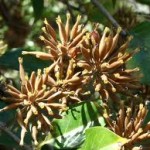 A woody perennial vine or even creeping shrub discovered mainly in secondary forest. Exterior bark along with superficial fissures; inner bark is fibrous as well as golden brown. The sap is watery having an astringent flavor. Terminal limbs usually are quadrangular, having a light rosy green color; glabrous. Foliage is simple, opposite as well as distinctive, elliptic to elliptic-oblong in shape; 7.8-18.5 cm long, 4.6-9.5 cm wide. Leaf margins are complete having an severe apex, as well as an acute to acute-round base. Stipules are lanceolate shaped as well as 8-14 mm long and 3-5 mm wide. Spines are woody as well as firmly curved such as a hook, 4-26 mm long as well as 2-5 mm wide. Inflorescences are arranged in racemes or even apexes of circular umbels; terminal or axillary; 10-20 cm long (inflorescences) and 1.5-4 cm in diameter (umbel), along with glabrous peduncles. Flowers usually are bisexual as well as actinomorphic on 4 mm long pedicels. Calyx along with jointed sepals, tubular to bell-shaped, 5-10 mm long and also 3-5 mm in diameter. Corolla has got jointed petals; 7-13 mm long and 3-5 mm in diameter; red-orange using a smooth interior as well as an exterior which is smooth at the base, using the top 1/3 with villous hairs. Androecium has 5 subsessile stamens, adnate to the throat of the corolla. The pistil has a ellipsoid stigma, 1.5 mm. long; inferior ovary. The fruits are dry as well as dehiscent, elliptical capsules; 10-12 mm long and 4-6 mm wide with plenty of seeds, 6-8 mm long and 0.8-1.4 mm wide.
2. Uncaria tomentosa
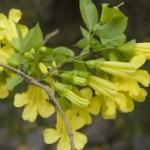 A big woody vine or even creeping shrub, usual for primary forest, but in addition present in disturbed forest and barely in secondary forest. The external bark has got superficial longitudinal fissures, and also the internal bark is fibrous, using the ground bark the color golden yellow. The sap is watery as well as astringent in flavor. The terminal branch lets are quadrangular as well as yellow-green colored. The foliage is simple, opposite as well as distinctive; oblong, oblong-ovate, or elliptic; 7.5-17 cm long as well as 5-12 cm wide. The leaf margins usually are complete; apex is acute, or even rarely acumate; base is spherical and/or cordate. The stipules are deltoid, 6-12 mm long and 4-8 mm wide. The spines are woodsy, exist in pairs, are somewhat curved yet straight, and pointy; 8-10 mm long as well as 3-6 mm wide. The inflorescences occur in racemes or globular cymes, are axillary and/or terminal, 7-18 cm in length, 1.5-2.5 cm in diameter. Flowers are bisexual, actinomorphic as well as sessil. The calyx is gamosepalous, tubular, 1-1.5 mm long and 0.8-1 mm in diameter. The corolla is gamopetalous, 7-13 mm long, 3-5 mm in diameter, with 5 spherical lobes; yellow. Stamens are sessil; 5-fused towards the throat. The anthers are oblong along with prolonged as well as divergent bases; 1-1.2 mm long and 0.3-0.4 mm wide. The stigma is ellipsoid, 0.5 mm in length, along with linear 4 mm long styles; inferior ovary. The fruits usually are dry and dehiscent; elliptic capsules; 5-8 mm long and 3-6 mm wide.
Dosage
Tea: 1000 mg in 8 ounces water. Steam for approximately Fifteen minutes as well as take 1 cup Three times every day or even follow manufacturer’s instructions. Encapsulated, dry standardized extract: 100 mg every day (for osteoarthritis); 200-350 mg daily for immune support. Tincture: 1/4-1/2 teaspoon 2-3 times each day or you can comply with manufacturer’s directions.
Cat’s claw might be drawn in variety of ways; typically, liquid extracts, teas as well as capsules are made from the bark of the vine. An effective dose is really a step to enjoying the numerous probable advantages of the cat’s claws. The most frequent dose form in the present day is probably the capsule. All those struggling with arthritis have experienced success along with doses of 100 mg each day (osteo arthritis) or even three doses of 60 mg per day (rheumatoid arthritis). On the other hand, only one serving of tea may be good for those struggling with general pains and aches.
Potential Side Effects of Cat’s Claw
1. Headaches
One typical problem with many people who take cat’s claw is headaches. Headaches generally begin with anxiousness in the human body. Inside the particular situation exactly where somebody have been using cat’s claw, this can be the result of a fall in blood pressure level. The strain begins through the shrinkage of muscles within the neck, head as well as shoulders like a bodily response to ecological situations, tiredness, or even anxiety. This particular supplement needs to be ended if these types of signs take place. Follow up with the effective use of cold or heat packs that could generally reduce these types of symptoms.
2. Dizziness
Dizziness is one more of the negative effects outlined with the usage of cat’s claw. The Cleveland Clinic identifies three special types of vertigo: light-headedness and also fainting, vertigo, as well as disequilibrium. Experiencing light-headed may be referred to as having not enough strength along with an insufficient consciousness. Vertigo is often a sense in which the room an individual is in starts to spin or whirl. Disequilibrium can be an overwhelming feeling associated with falling, stumbling as well as scarcity of balance. This problem is likely to be hazardous as well as needs to be looked at by the main doctor.
3. Upset Stomach
Nausea and vomiting are additional possible reactions for many individuals using cat’s claw, as it could be wrongly recognized for the ingested irritant or even entering source in the human body. Throwing up is definitely the body’s manner of freeing itself of the irritant. This problem may be a sign that this herbal supplement isn’t a treatment that you ought to be utilizing, whilst nausea as well as throwing up isn’t regarded as severe in most cases. This problem is most typical whenever one is using too much of the dosage of the herb, although, so you may be thinking about decreasing the dose just before totally stopping use of the herb if it is the only real side-effect you’re going through.
4. Diarrhea
Diarrhea, just like nausea and vomiting, is a sign that the person’s body is applying effort to free itself of the irritant or even entering source. It’s the body’s method of expelling the material through the bowels. Depending on the University of Maryland Medical Center, the diarrhea brought on by this particular herb is commonly light as well as disappears totally along with continuing usage of the supplement. As there is an elevated possibility of becoming dehydrated, care needs to be practiced.
Side Effects and Safety Concerns:
- Cat’s claw really should not be utilized by individuals who have had organ transplants.
- The safety of cat’s claw in individuals with particular autoimmune conditions just like type 1 diabetes, multiple sclerosis, systemic lupus erythematosus as well as Crohn’s disease is not recognized.
- Cat’s claw really should not be used within a couple weeks after or before surgical procedures or simply by those who have bleeding problems.
- Pregnant or even breastfeeding ladies or even children ought to prevent cat’s claw.
- Cat’s claw really should not be wrongly identified as an additional herb known as cat’s claw acacia, cat claw acacia or even Acacia gregii that is thought to include a substance associated with cyanide and cannot be used by mouth.
- The usage of herbs is really a time-honored method of conditioning the body as well as dealing with illness. Herbs, however, can result in negative effects and may interact with various other herbs, supplements, or even medicines. Because of this, you need to take herbs carefully, underneath the guidance of the healthcare practitioner.
- Cat’s claw appears to have couple of negative effects. However, there have not been sufficient scientific tests of cat’s claw to find out its safety. Some individuals have documented dizziness, nausea, as well as diarrhea whenever taking cat’s claw. The diarrhea or even loose stools tend to be mild as well as go away along with continued utilization of the herb.
- People along with autoimmune diseases, skin grafts, tuberculosis, or even those getting organ transplants should avoid using cat’s claw due to its potential side effects on the immune system.
- People along with leukemia or even lower blood pressure level shouldn’t take cat’s claw.
- People along with kidney or even liver illness should avoid using cat’s claw without first inquiring their doctor.
- Because cat’s claw might promote the defense mechanisms (the way it does it it is still not clear), it really is not clear whether the herb remains safe for those who have conditions influencing the immune system. Therefore, Cat’s Claw might not be totally very theraputic for Rheumatoid Arthritis (since it is an illness of the defense mechanisms), even though it can be used as common arthritis.
- Cat’s claw may possibly hinder managing blood pressure level throughout or even after surgical treatment.
References
- https://www.itis.gov/servlet/SingleRpt/SingleRpt?
- http://www.hear.org/pier/species/pyrus_calleryana.htm
- https://npgsweb.ars-grin.gov/gringlobal/taxon/taxonomydetail?
- https://pfaf.org/user/Plant.aspx?
- https://www.wildflower.org/plants/result.php?
- http://www.missouribotanicalgarden.org/PlantFinder/PlantFinderDetails.aspx?
- https://plants.usda.gov/core/profile?
- https://www.invasive.org/browse/subinfo.cfm?
- https://www.cabi.org/isc/datasheet/46188
- https://www.cal-ipc.org/plants/profile/pyrus-calleryana-profile/
- http://www.efloras.org/florataxon.aspx?
- https://texasinvasives.org/plant_database/detail.php?
- http://www.iucngisd.org/gisd/species.php?
- http://www.theplantlist.org/tpl1.1/record/rjp-6009
- https://en.wikipedia.org/wiki/vegetables
- https://gd.eppo.int/taxon/PYUCA
- https://www.illinoiswildflowers.info/savanna/plants/
- https://uses.plantnet-project.org/en/
- https://www.theplantlist.org/tpl1.1/record/
- https://training.ars-grin.gov/gringlobal/taxon/taxonomydetail?
- http://hort.ufl.edu/database/documents/pdf/tree_fact_sheets/
- https://www.illinoiswildflowers.info/trees/plants/callery_pear.htm
- https://www.ncbi.nlm.nih.gov/books/NBK218749/
- https://www.ncbi.nlm.nih.gov/books/NBK551014/
- https://www.ncbi.nlm.nih.gov/books/NBK551727/
- https://www.ncbi.nlm.nih.gov/books/NBK65874/
- https://www.ncbi.nlm.nih.gov/books/NBK304428/
- https://www.ncbi.nlm.nih.gov/books/NBK218759/
- https://www.ncbi.nlm.nih.gov/books/NBK556048/
- https://www.ncbi.nlm.nih.gov/books/NBK218749/
- https://www.niehs.nih.gov/health/topics/agents/vegetables/index.cfm
- https://www.sciencedirect.com/book/9780443062414/vegetable
- https://www.amazon.com/Essential-Oils-Fully-Revised-Updated/dp/1787752291
- https://www.healthbenefitstimes.com/category/herbs-and-spices/
- https://www.frontiersin.org/articles/257193
- https://www.tandfonline.com/toc/tjeo20/current
- https://www.intechopen.com/chapters/68027
- https://onlinelibrary.wiley.com/doi/full/10.1002/ptr.6854
- https://www.nature.com/articles/s41598-020-68823-4
- https://www.cancer.gov/about-cancer/treatment/cam/patient/aromatherapy-pdq
- https://www.researchgate.net/publication/254247133_
- https://link.springer.com/article/10.1365/s10337-010-1680-0
- https://fdc.nal.usda.gov/ndb/foods/show/herb
- https://www.nccih.nih.gov/health/herbsataglance
- https://portal.nifa.usda.gov/web/crisprojectpages/0092887
- https://academic.oup.com/database/article/doi/10.1093/database/bau120
- https://www.cambridge.org/core/journals/weed-science/article/herbicide-effects-of-vegetable/
- https://www.fs.fed.us/wildflowers/ethnobotany/vegetable
- https://www.karger.com/Article/Abstract/501062
- https://en.wikipedia.org/wiki/List_of_plant
- https://en.wikipedia.org/wiki/Types_of_plant_harb
- https://www.britannica.com/topic/
- https://www.planttherapy.com/
- https://academic.oup.com/plphys/article/54/4/560/
- https://www.healthbenefitstimes.com/category/oils/
- https://www.aromaweb.com/essentialoils/default.asp
- https://books.google.com/books/about/Herbs_And_Essential_Oils_Book.html?
- https://books.google.com/books/about/Herbal_herb_for_Health_Beauty.html?id=C_MX9tKpttMC
- https://books.google.com/books/about/Herbal_vegetable_for_Health_Beauty.html?id=C_MX9tKpttMC
- https://www.niehs.nih.gov/health/topics/agents/
- https://www.botanical.com/botanical/mgmh/l/
- https://www.nccih.nih.gov/health/atoz
- https://www.inaturalist.org/taxa
- https://clinicaltrials.gov/ct2/show/NCT02764567
- https://fda.report/Company/Young-Living-Essential-Oils-Lc
- http://www.fao.org/3/ad420e/ad420e.pdf
- https://www.healthywa.wa.gov.au/Articles/A_E/
- https://www.niehs.nih.gov/health/topics/agents/
- https://www.consumerreports.org/health-product-recalls/
- https://www.itis.gov/servlet/SingleRpt/SingleRpt?search_topic=TSN&search_value=184645#nullhttp://www.hear.org/pier/species/caesalpinia_decapetala.htmhttps://www.pfaf.org/user/Plant.aspx?LatinName=Caesalpinia+decapetalahttps://www.cabi.org/isc/datasheet/10733https://www.indigo-herbs.co.uk/natural-health-guide/benefits/cats-clawhttps://nccih.nih.gov/health/catclawhttps://www.umm.edu/health/medical/altmed/herb/cats-clawhttps://www.encyclopedia.com/medicine/encyclopedias-almanacs-transcripts-and-maps/cats-clawhttps://www.herbwisdom.com/herb-cats-claw.htmlhttps://draxe.com/cats-claw/