Sacha inchi scientifically known as plukenetia volubilis is a star-shaped fruit in the family Euphorbiaceae, having small trichomes on its leaves. It is also known as the Inca peanut, wild peanut, mountain peanut, sacha peanut, Amendoim-de-Inka, Amuio, Ticazo, Wild peanut or Supua and is actually a seed, which grows within the star-shaped fruit pod. The plant is native to much of tropical South America (Suriname, Venezuela, Bolivia, Colombia, Ecuador, Peru, and northwestern Brazil), as well as some of the Windward Islands in the Caribbean. It is cultivated commercially in South East Asia, most notably in Thailand. Today, it’s also being cultivated commercially in South East Asia (mainly Thailand) and has also made its way to North America, too. Although it’s raw seeds and leaves contain toxins, these components are safe for consumption after roasting. The plant provides seeds of a lenticular shape, which are rich in oil (49%) and proteins (33%) and contain heat-labile substances with a bitter taste.
Plant Description
Sacha inchi is a wild, climbing, semi-woody, perennial oleaginous plant that grows about 2 meters (6 feet 6 inches) tall. The plant occurs in disturbed areas or forest edges of lowland moist or wet forest and will grow in warm climates up to altitudes of 1,700 meters (5,500 feet) as long as there is continued availability of water and good drainage. It grows better in acidic soils and alluvial flats near rivers. The plant has alternate, heart shaped, serrated leaves, 10 to 12 cm (4-4.7 inches) long and 8 to 10 cm (3.1-3.9 inches) wide, that have petioles 2–6 cm (0.8-2.3 inches) long. It flowers five months after being planted, and bears seeds around the eighth month. The male flowers are small, white, and arranged in clusters. Two female flowers are located at the base of the inflorescence. In tropical locations it is often a vine requiring support and producing seeds nearly year-round.
Fruit
The fruits are capsules of 3 to 5 cm in diameter with 4 to 7 points, are green and ripen blackish brown. On ripening, the fruits contain a soft black wet pulp that is messy and inedible, so are normally left to dry on the plant before harvest. By two years of age, often up to a hundred dried fruits can be harvested at a time, giving 400 to 500 seeds a few times a year. Fruit capsules usually consist of four to five lobes, but some may have up to seven. Inside are the seeds, oval, dark-brown, 1.5 to 2 cm in diameter with a mass of 45 to 100 grams.[clarification needed]The cotyledons are open, similar to those of almonds, and covered with a whitish film. Raw seeds are inedible, but roasting after shelling makes them palatable.
Health benefits of Sacha Inchi
Sacha Inchi is greeted as the ‘truffle of nuts’ for its rich umami flavor. But even more amazing is its nutritional content. This super seed, which grows in the pristine rain forest regions of Southeast Asia, is similar to a nut in flavor, but has a much denser nutrient profile. It has more protein, omega oils, and iron than many nuts and seeds. With these nutrients comes a spectrum of health benefits. Listed here are the top health benefits of Sacha Inchi seeds
1. Builds Muscles
Sacha inchi consists of more protein than almonds, walnuts, and cashews; it is an excellent source of complete protein, containing all 8 essential amino acids that our bodies cannot create. This super seed is 30% protein by weight—higher than many nuts and seeds. Protein is an important component of every cell in your body; it develops, repairs, and maintains lean muscle mass. Apart from that it also consists of huge amount of Iron, which helps muscles keep their tone and elasticity because it provides oxygen for the contraction of muscles.
2. Satisfies Hunger
Sacha Inchi is a powerhouse of nutrition; it is an extremely dense food that satisfies your hunger cravings. Nutrients like healthy fats, protein, and fiber increases satiety while meeting your nutritional needs. With 13 grams of healthy fats, more than 8 grams of protein, and 5 grams of fiber, it is the perfect snack for help you feel full. Plus, its high fiber content will help you feel full for a longer period of time.
3. Enhances Mood
Sacha Inchi is full of tryptophan, a precursor for serotonin. Known as “the happy hormone,” serotonin is a neurotransmitter that is supposed to stabilize mood and contribute to a sense of happiness and well-being. Sacha Inchi is also high in Omega 3s, which fights brain inflammation. By combating inflammation, this nutritive seed is combating headaches, mood shifts, and even depression.
4. Promotes Healthy Weight
Sacha Inchi is effective with promoting weight loss and maintaining a healthy weight. This super seed is a great snack because its significant tryptophan content plays a role in appetite regulation. Not only are you hungry less often, but when it is time for lunch, you can satisfy your hunger more easily by incorporating Sacha Inchi seeds into your meal. Its nutrient density satisfies hunger and helps you feel fuller, longer. Therefore, you tend to eat less.
5. Regulates Biological Processes
With its high protein and iron content, Sacha Inchi seeds can help in regulating biological processes. Protein plays a role in creating enzymes, hormones, and other biological chemicals while iron is needed to generate dopamine, norepinephrine, and serotonin. These essential neurotransmitters and chemicals affect everything from sleep to energy to adrenaline to digestion and more.
6. Supports Digestive Health
With more fiber than broccoli, apples, and even chickpeas, Sacha Inchi seeds offer a significant source of fiber to aid digestive health. Fiber boosts regular bowel movements by adding bulk to your stools. This prevents constipation by enabling waste to move through your intestines which allows your body rids itself of toxins.
7. Improves Heart Health
Rich in Omega fatty acids, particularly Alpha-linolenic Acid (ALA), Sacha Inchi is one of the best sources of plant based Omega 3 Oils in the world. There are many omega oils derived from animals, but those meat sources typically contain saturated fats and carnitine, which have both been linked to heart disease. On the other hand, plants based Omega 3s have been used to prevent heart attacks, lower high blood pressure, and reverse the hardening of blood vessels. ALA is also thought to help maintain normal heart rhythm and heart pumping.
8. Boosts Brain Function
Sacha Inchi is composed of 20% Omega fatty acids by weight. The majority of our brains are composed of fat, which means we need healthy fats from food sources like Sacha Inchi to build brain cell membrane, nourish our brain cells, and fight inflammation.
Omega 3 fats may boost cognitive function and protect against brain disorders such depression and dementia. By reducing inflammation, Omega 3s consumption may also reduce brain fog, memory loss, and fatigue. Not only is Sacha Inchi full of Omega oils, but it also contains iron. One of iron’s health benefits is its ability to aid the proper flow of blood to the brain which can stimulate cognitive activity and even create new neural pathways.
9. Combats Inflammation
Sacha Inchi seeds may help to combat inflammation because of its significant Omega 3 content. These healthy fatty acids prevent inflammation by blocking the formation of the compounds that promote it. Inflammation is the common cause of many chronic ailments including muscle stiffness, bronchitis, asthma, eczema, swollen joints, type 2 diabetes, metabolic syndrome, cancer and Alzheimer’s.
10. Bolsters Immune System
Considered a super seed, Sacha Inchi’s nourishing properties can bolster your immune system. It offers complete protein, which functions to form antibodies that help prevent illness, infection, and disease. The protein also works with other immune system cells to identify and assist in destroying certain bacteria and viruses. These other immune cells need the iron in Sacha Inchi to proliferate and mature in order to fight off diseases.
Traditional uses and benefits of Sacha Inchi
- It is the best remedy for high cholesterol level and high blood pressure.
- It balances the cholesterol level in the Body and reduces the LDL or Bad cholesterol level in the Body.
- It is used to treat cardiovascular diseases and reduces the blood pressure.
- It is good for weight loss and helps to regulate the appetite and reduces food cravings.
- It regulates the glucose level in the Body and also lowers the Triglyceride levels in Diabetic patients.
- It is good for Skin and Hair. It is good for Dry Skin. It regulates the oil production and locks hydration in the Skin.
- It keeps the skin elastic and protects the skin against sun damage.
- Vitamin A and E present in Sacha Inchi improves vision and maintains Eye health.
- It eases Joint Pain and rheumatoid arthritis.
- It promotes healthy Brain and Heart.
- It soothes irritation and calms inflammation of the scalp, especially on scalps that suffer from uncomfortable symptoms associated with dandruff, psoriasis, or eczema.
- Sacha Inchi Extract is reputed to regulate oil production in the scalp, to enhance moisture retention, to nourish, and to strengthen the scalp and the strands.
- Sacha Inchi Botanical Extract is supposed to support the healthy functioning of the brain, heart, and nervous system and to help maintain healthy levels of cholesterol and blood pressure.
- It is believed to prevent the onset of inflammation, distribute essential nutrients throughout the body, and balance the mood.
- Sacha Inchi Extract is supposed to regulate oil production in the scalp, to enhance moisture retention, to nourish, and to strengthen the scalp and the strands.
- Sacha Inchi Botanical Extract is believed to support the healthy functioning of the brain, heart, and nervous system and to help maintain healthy levels of cholesterol and blood pressure.
- It is believed to prevent the onset of inflammation, distribute essential nutrients throughout the body, and balance the mood.
Sacha Inchi Seed Powder Uses
Nighttime moisturizer
Simply mix a small amount of Sacha Inchi Botanical Extract into an equal amount of carrier oil. To use this mixture, dab a few drops around the eye area, lightly massage it into the entire face, and smooth it down over the neck. Alternatively, a small amount of Sacha Inchi Botanical Extract can be diluted in a regular face cream or lotion to be massaged into the face or body. This is best applied before bed, as this will allow the extract to slowly penetrate into the skin overnight.
Facial serum
Combine Sacha Inchi Organic Botanical Extract with an Organic Carrier Oil in a small cup or bowl. To this, add a preferred Herbal Oil and essential oils that are known to have protective effects on the skin. Transfer this blend to a darkly-colored glass dropper bottle for easy application. To use this serum, cleanse the face, and then massage a small amount into the face in slow, circular motions.
Face cream
Combine Sacha Inchi Botanical Extract and Refined Shea Butter in a bowl then thoroughly mix them together with a hand blender. After the mixture reaches a smooth consistency, add in a Hydrosol, blending it in small amounts at a time until it is fully incorporated into the mixture. Once the resultant blend has the consistency of a smooth, creamy lotion, transfer it to one or more glass jars. As the cream sets over the course of a few hours, it will thicken but will remain soft for easy application. This recipe should have a shelf life of 3-4 months and can be used on any skin type, ranging from normal to dry and dull to combination to oily.
Softening and nourishing body scrub
Combine Sacha Inchi Botanical Extract with Brown Sugar, any Carrier Oil, and an essential oil of personal preference. To use the resultant exfoliant, apply it in the shower by scooping a small amount into the hands and gently massaging it in small circles to the preferred areas of skin.
Face mask
Combine Sacha Inchi Botanical Extract, Green French Clay, Kaolin Facial Scrub Superfine, Aloe Vera Juice, and a Floral Water of personal preference in a bowl. To use this mask, simply spread a thin layer over the face with the fingers and allow the mask to dry for no longer than 20 minutes before rinsing it off with warm water. This mask is known to soothe irritation and redness and to energize tired skin.
Natural facial cleanser
Combine Sacha Inchi Botanical Extract, Plain Yogurt, and Ground Almond. Next, cleanse the face and massage the mixture into the face before rinsing it off. Alternatively, it may be left on the skin for several minutes before being rinsed off.
Strengthen Sacha Inchi-enriched shampoo
Combine Sacha Inchi Botanical Extract, Shampoo Base, and an essential oil of personal preference in a shampoo dispenser bottle. Cap the bottle, shake it well to thoroughly combine all the ingredients, and then apply it to the scalp and hair as usual in the shower. This natural shampoo blend is known to address dandruff, strengthen dull and brittle strands, and hydrate frizz for smoother and softer curls.
Culinary Uses
- Leaves can be cooked and eaten as a vegetable.
- Seeds can be consumed after being roasted.
- An oil is extracted from the seed is used in the preparation of various meals.
- Roasted seeds can be consumed as nuts.
- Roasted leaves are chewed or made into a tea.
Different forms of Sacha Inchi
Sacha Inchi Oil
Sacha inchi oil is an essential oil made from the sacha inchi seed. In most cases, you’ll want to use your sacha inchi oil for topical applications: mix it with your skincare products or apply it to your hair for luscious locks.
Unless your sacha inchi oil is clearly labeled as food grade or safe for internal use, don’t consume it. Many essential oils are powerful and not meant to be consumed.
Just because you can consume the sacha inchi seed does not mean the oil you’ve purchased is edible. Always check the label.
Sacha Inchi Powder
Sacha inchi powder, on the other hand, is specifically manufactured to consume orally. Sacha inchi powder is simply the seeds ground into a fine powder.
This powder is a perfect addition to your post-workout protein shake. Not only does sacha inchi contain antioxidants and vitamin E, but it also contains all of your essential amino acids along with a nice dose of protein – so it’s perfect for supporting health muscle growth and recovery after an intense workout.
However, sacha inchi powder may not have quite as much protein as you would like to make sure to add it to your other protein powder to reap the most benefits.
Recipes
Creamy Sacha Inchi Hummus Dressing
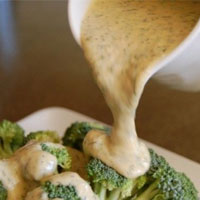
Ingredients
- 1 can chickpeas, with ½ cup liquid reserved
- ¼ cup Sacha Inchi oil
- 3 Tbsp fresh lemon juice
- 1 Tbsp dried dill
- ¼tsp pink Himalayan salt
- ¼tsp black pepper
Method
- Drain the chickpeas, reserving ½ a cup of liquid (this can be topped off using filtered water).
- Combine all ingredients in a blender & pulse slowly to purée. Scrape down the sides of the blender as needed.
- Once the mixture is smooth & creamy, transfer it to a bowl & refrigerate for 1 hour before using. Enjoy with green salads or veggies.
Chocolate Sacha Inchi Truffles
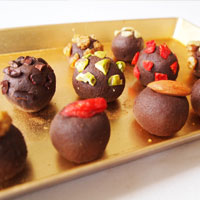
Ingredients
- ⅓ cup coconut cream
- ¾ cup dark organic chocolate, chopped
- 1 Tbsp Sacha Inchi oil
- Chopped nuts, shredded coconut & cacao nibs, to garnish
Method
- Heat the coconut cream in a pan, without letting it boil.
- Add the chocolate, & stir continuously until all the chocolate is dissolved.
- Add the Sacha Inchi oil & continue stirring.
- Refrigerate the mixture for approx. 3 hours.
- Roll the mixture into small balls; roll each one in a little shredded coconut.
- Garnish with chopped nuts, cacao nibs or a dusting of cacao powder.
- Keep refrigerated; enjoy as a delicious sweet snack or dessert.
Other Facts
- Oil from the seed is of high quality and can be used for cosmetics etc.
- In Peru during 2009, the humanitarian group Oxfam supported techniques for growing sacha inchi as a cash crop by indigenous groups like the Ashaninka.
Precautions
- It may cause nausea, mood shifts and headache in few. But it goes in sometime.
- Pregnant and nursing women are particularly advised not to use Sacha Inchi Botanical Extract without the medical advice of a physician, as it may have an effect on certain hormone secretions and it is unclear whether these effects are transferable to babies at these stages of development.
- Individuals that are taking prescription drugs, undergoing major surgery, or who are at a greater risk of experiencing strokes, heart attacks, or atherosclerosis are also advised to seek medical consultation prior to use.
- Those with allergies to nuts should avoid using Sacha Inchi Extract.
- Skin test is recommended prior to using Sacha Inchi Botanical Extract.
- Sacha Inchi must never be used near the eyes, inner nose, and ears, or on any other particularly sensitive areas of skin.
- Potential side effects of Sacha Inchi Botanical Extract include hot flashes, cramping, headaches, constipation, elevated HDL cholesterol, and nausea.
- In the event of an allergic reaction, discontinue use of the product and see a doctor, pharmacist, or allergist immediately for a health assessment and appropriate remedial action.
References
- https://www.itis.gov/servlet/SingleRpt/SingleRpt?
- http://www.hear.org/pier/species/pyrus_calleryana.htm
- https://npgsweb.ars-grin.gov/gringlobal/taxon/taxonomydetail?
- https://pfaf.org/user/Plant.aspx?
- https://www.wildflower.org/plants/result.php?
- http://www.missouribotanicalgarden.org/PlantFinder/PlantFinderDetails.aspx?
- https://plants.usda.gov/core/profile?
- https://www.invasive.org/browse/subinfo.cfm?
- https://www.cabi.org/isc/datasheet/46188
- https://www.cal-ipc.org/plants/profile/pyrus-calleryana-profile/
- http://www.efloras.org/florataxon.aspx?
- https://texasinvasives.org/plant_database/detail.php?
- http://www.iucngisd.org/gisd/species.php?
- http://www.theplantlist.org/tpl1.1/record/rjp-6009
- https://en.wikipedia.org/wiki/vegetables
- https://gd.eppo.int/taxon/PYUCA
- https://www.illinoiswildflowers.info/savanna/plants/
- https://uses.plantnet-project.org/en/
- https://www.theplantlist.org/tpl1.1/record/
- https://training.ars-grin.gov/gringlobal/taxon/taxonomydetail?
- http://hort.ufl.edu/database/documents/pdf/tree_fact_sheets/
- https://www.illinoiswildflowers.info/trees/plants/callery_pear.htm
- https://www.ncbi.nlm.nih.gov/books/NBK218749/
- https://www.ncbi.nlm.nih.gov/books/NBK551014/
- https://www.ncbi.nlm.nih.gov/books/NBK551727/
- https://www.ncbi.nlm.nih.gov/books/NBK65874/
- https://www.ncbi.nlm.nih.gov/books/NBK304428/
- https://www.ncbi.nlm.nih.gov/books/NBK218759/
- https://www.ncbi.nlm.nih.gov/books/NBK556048/
- https://www.ncbi.nlm.nih.gov/books/NBK218749/
- https://www.niehs.nih.gov/health/topics/agents/vegetables/index.cfm
- https://www.sciencedirect.com/book/9780443062414/vegetable
- https://www.amazon.com/Essential-Oils-Fully-Revised-Updated/dp/1787752291
- https://www.healthbenefitstimes.com/category/herbs-and-spices/
- https://www.frontiersin.org/articles/257193
- https://www.tandfonline.com/toc/tjeo20/current
- https://www.intechopen.com/chapters/68027
- https://onlinelibrary.wiley.com/doi/full/10.1002/ptr.6854
- https://www.nature.com/articles/s41598-020-68823-4
- https://www.cancer.gov/about-cancer/treatment/cam/patient/aromatherapy-pdq
- https://www.researchgate.net/publication/254247133_
- https://link.springer.com/article/10.1365/s10337-010-1680-0
- https://fdc.nal.usda.gov/ndb/foods/show/herb
- https://www.nccih.nih.gov/health/herbsataglance
- https://portal.nifa.usda.gov/web/crisprojectpages/0092887
- https://academic.oup.com/database/article/doi/10.1093/database/bau120
- https://www.cambridge.org/core/journals/weed-science/article/herbicide-effects-of-vegetable/
- https://www.fs.fed.us/wildflowers/ethnobotany/vegetable
- https://www.karger.com/Article/Abstract/501062
- https://en.wikipedia.org/wiki/List_of_plant
- https://en.wikipedia.org/wiki/Types_of_plant_harb
- https://www.britannica.com/topic/cereals
- https://www.planttherapy.com/
- https://academic.oup.com/plphys/article/54/4/560/
- https://www.healthbenefitstimes.com/category/oils/
- https://www.aromaweb.com/essentialoils/default.asp
- https://books.google.com/books/about/Herbs_And_Essential_Oils_Book.html?
- https://books.google.com/books/about/Herbal_herb_for_Health_Beauty.html?id=C_MX9tKpttMC
- https://books.google.com/books/about/Herbal_vegetable_for_Health_Beauty.html?id=C_MX9tKpttMC
- https://www.niehs.nih.gov/health/topics/agents/
- https://www.botanical.com/botanical/mgmh/l/
- https://www.nccih.nih.gov/health/atoz
- https://clinicaltrials.gov/ct2/show/NCT02764567
- https://fda.report/Company/Young-Living-Essential-Oils-Lc
- http://www.fao.org/3/ad420e/ad420e.pdf
- https://www.healthywa.wa.gov.au/Articles/A_E/
- https://www.niehs.nih.gov/health/topics/agents/
- https://www.consumerreports.org/health-product-recalls/
- https://pfaf.org/user/Plant.aspx?LatinName=Plukenetia+volubilis
- https://npgsweb.ars-grin.gov/gringlobal/taxonomydetail.aspx?416787
- https://en.wikipedia.org/wiki/Plukenetia_volubilis
- http://www.theplantlist.org/tpl/record/kew-161508
- https://www.echocommunity.org/en/resources/49ab85e7-b41e-40f9-bd35-cc16561473f1
- https://gd.eppo.int/taxon/PKZVO
- https://pdfs.semanticscholar.org/efca/e4f2c4143b9da7d278c072c6cab43cd60952.pdf