
Inguinal triangle fibrosis is a condition where the normally soft tissues in the inguinal region (the lower part of your abdomen, also known as Hesselbach’s triangle) become hardened or thickened by excessive fibrous (scar-like) tissue. This change can affect the normal function of the muscles, nerves, and blood vessels in that area, sometimes leading to pain and mobility issues.
Inguinal triangle fibrosis is the thickening and stiffening of the tissues in the inguinal region due to an overgrowth of fibrous tissue. Fibrous tissue normally helps repair injuries, but when too much forms, it can cause stiffness and pain.
Key Points:
- Occurs in the area of Hesselbach’s triangle.
- Can affect how muscles, nerves, and blood vessels work.
- Often linked to injuries, surgeries, or chronic inflammation.
Pathophysiology: How Does It Happen?
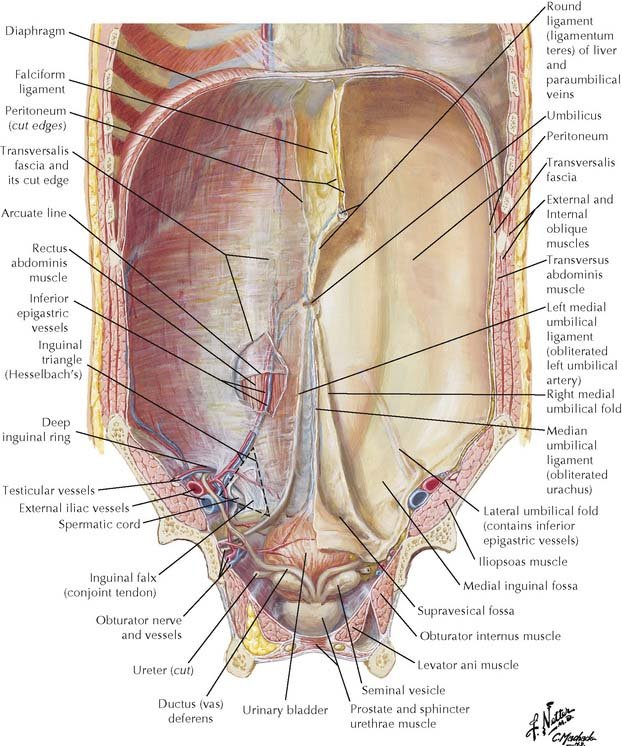
Understanding what happens inside your body can make it easier to grasp why you may feel pain or discomfort.
Structure of the Inguinal Region
- Location: The inguinal triangle is found in the lower abdominal wall.
- Boundaries:
- Medially: The lateral edge of the rectus abdominis muscle.
- Laterally: The inferior epigastric vessels.
- Inferiorly: The inguinal ligament.
Blood Supply
- Main Vessels: The inferior epigastric artery and surrounding small vessels supply blood to the area.
- Role: Good blood flow is crucial for tissue health and healing. When fibrosis develops, altered blood flow can sometimes worsen the problem.
Nerve Supply
- Key Nerves:
- Ilioinguinal nerve
- Genitofemoral nerve
- Function: These nerves provide sensation and help control muscle movement. In fibrosis, they can become irritated or entrapped, leading to pain or tingling.
Normal Functions and Effects of Fibrosis
- Normal Role: The inguinal region supports the abdominal wall and helps with movement like bending, twisting, and lifting.
- Effect of Fibrosis:
- Reduced flexibility and strength in the area.
- Possible compression or irritation of nerves and blood vessels.
- Increased risk of developing other conditions such as inguinal hernias.
Types of Inguinal Triangle Fibrosis
Fibrosis in this region can be classified in several ways:
-
Primary (Idiopathic):
- Occurs without a clear cause.
- May develop slowly over time.
-
Secondary:
- Develops after another event such as surgery, injury, or infection.
- Often related to scar tissue formation after an inguinal hernia repair or trauma.
-
Localized vs. Diffuse:
- Localized: Confined to a small area within the inguinal triangle.
- Diffuse: Spreads over a larger area, possibly affecting more structures.
Causes of Inguinal Triangle Fibrosis
Below is a list of possible causes that may lead to the development of fibrosis in the inguinal region:
- Inguinal Surgery: Scar tissue formation after hernia repair or other surgeries.
- Trauma: Direct injury to the groin area.
- Chronic Inflammation: Ongoing inflammation due to irritation.
- Infections: Bacterial or viral infections affecting the tissues.
- Radiation Therapy: Exposure during cancer treatments.
- Repeated Microtrauma: Overuse or repetitive strain (e.g., from sports).
- Obesity: Extra weight can put more strain on the inguinal tissues.
- Aging: Natural loss of tissue elasticity over time.
- Genetic Predisposition: Family history of connective tissue issues.
- Autoimmune Disorders: Conditions that attack your own tissues.
- Metabolic Disorders: Diseases that affect tissue repair.
- Smoking: Reduces blood flow and impairs healing.
- Sedentary Lifestyle: Lack of movement can weaken muscles.
- Poor Posture: Can increase strain on the lower abdomen.
- Muscle Imbalances: Uneven strength or flexibility in the muscles.
- Previous Hernia Recurrence: Repeated hernia episodes can lead to fibrosis.
- Scar Tissue After Injury: Natural healing process gone awry.
- Chemical Irritants: Exposure to harmful substances.
- Systemic Diseases: Conditions such as diabetes affecting healing.
- Connective Tissue Disorders: Diseases like scleroderma that promote fibrosis.
Symptoms to Watch For
The symptoms of inguinal triangle fibrosis can vary. Here are 20 potential signs and symptoms you might notice:
- Persistent groin pain.
- Tenderness when pressing on the area.
- Stiffness in the lower abdominal wall.
- Reduced flexibility or range of motion.
- A feeling of tightness in the groin.
- Bulging or swelling in the inguinal region.
- A burning sensation around the area.
- Numbness or tingling in the groin.
- Sharp or dull pain that worsens with activity.
- Pain that radiates to the inner thigh or genital area.
- Discomfort when bending over.
- Discomfort when standing or walking for long periods.
- Weakness in the groin muscles.
- Cramps in the lower abdominal area.
- A sensation of heaviness or pressure.
- Pain during lifting or strenuous activities.
- Difficulty with routine movements.
- Localized warmth or redness (if inflammation is present).
- Fatigue in the groin after exercise.
- Sometimes, a small lump or palpable hard area due to scar tissue.
Diagnostic Tests for Inguinal Triangle Fibrosis
When you visit your doctor, they may use one or more of these tests to determine if you have fibrosis:
- Physical Examination: Manual palpation of the groin area.
- Medical History Review: Understanding past injuries or surgeries.
- Ultrasound Imaging: To visualize soft tissue changes.
- CT Scan: Detailed cross-sectional images of the area.
- MRI Scan: Provides high-resolution images of soft tissues.
- X-Ray: May be used to rule out other conditions.
- Doppler Ultrasound: To assess blood flow in the region.
- Nerve Conduction Studies: Check if nerves are affected.
- Electromyography (EMG): Evaluates muscle response.
- Blood Tests: Look for markers of inflammation or infection.
- C-Reactive Protein (CRP) Test: Measures inflammation levels.
- Erythrocyte Sedimentation Rate (ESR): Another inflammation marker.
- Fibrosis Marker Tests: Specialized tests in some centers.
- Biopsy: In rare cases, to examine tissue under a microscope.
- Herniography: Imaging to assess for concurrent hernias.
- Ultrasound Elastography: Measures tissue stiffness.
- Abdominal Wall Ultrasound: Focuses on muscle and fascia.
- Diagnostic Laparoscopy: Minimally invasive surgery for exploration.
- CT Angiography: If blood vessel involvement is suspected.
- Provocative Testing: Specific maneuvers to trigger pain for diagnostic purposes.
Non-Pharmacological Treatments
Many treatments do not involve medications. Here are 30 non-drug approaches that might help manage inguinal triangle fibrosis:
- Rest and Activity Modification: Avoiding activities that worsen the pain.
- Physical Therapy: Guided exercises to improve strength and flexibility.
- Stretching Exercises: Gentle stretches to reduce tightness.
- Strengthening Exercises: To build muscle support around the area.
- Massage Therapy: Helps relieve muscle tension.
- Heat Therapy: Warm packs can relax muscles.
- Cold Therapy: Ice packs reduce inflammation and pain.
- Ultrasound Therapy: Uses sound waves to improve tissue healing.
- Transcutaneous Electrical Nerve Stimulation (TENS): Electrical pulses to ease pain.
- Acupuncture: Fine needles placed in specific areas to relieve pain.
- Yoga: Improves flexibility and reduces stress.
- Pilates: Strengthens core muscles.
- Low-Impact Aerobic Exercises: Such as walking or swimming.
- Postural Correction Exercises: To improve alignment and reduce strain.
- Ergonomic Adjustments: Changes at work or home to minimize stress.
- Weight Management: Maintaining a healthy weight to reduce strain.
- Anti-Inflammatory Diet: Foods rich in omega-3 fatty acids and antioxidants.
- Adequate Hydration: Helps keep tissues healthy.
- Topical Analgesic Applications: Creams or gels applied to the area.
- Compression Garments: To support the region.
- Biofeedback Therapy: Learning to control muscle tension.
- Myofascial Release Therapy: Techniques to reduce muscle and fascia tightness.
- Dry Needling: A method similar to acupuncture for muscle trigger points.
- Foam Rolling: Self-myofascial release using a foam roller.
- Trigger Point Therapy: Targeting specific points of muscle tightness.
- Balance Training Exercises: To improve coordination and stability.
- Tai Chi: Gentle martial arts movements that boost flexibility.
- Supportive Braces or Belts: To provide extra support during activities.
- Occupational Therapy: Guidance on modifying daily activities.
- Stress Management Techniques: Meditation and deep breathing to reduce overall tension.
Drugs Commonly Used in Management
In some cases, medications help reduce pain and inflammation or manage nerve discomfort. Here are 20 drugs that doctors might consider:
- Ibuprofen: A common nonsteroidal anti-inflammatory drug (NSAID).
- Naproxen: Another NSAID to reduce pain and swelling.
- Acetaminophen (Tylenol): For general pain relief.
- Celecoxib: A COX-2 inhibitor that reduces inflammation.
- Diclofenac: An NSAID available in both oral and topical forms.
- Ketoprofen: An NSAID used to relieve pain.
- Prednisone: An oral corticosteroid to reduce inflammation.
- Methylprednisolone: Often used as an injection to target inflammation locally.
- Cyclobenzaprine: A muscle relaxant that helps ease muscle spasms.
- Baclofen: Another muscle relaxant option.
- Gabapentin: Used for neuropathic (nerve) pain.
- Pregabalin: Similar to gabapentin, for nerve-related pain.
- Amitriptyline: A tricyclic antidepressant that can reduce chronic pain.
- Duloxetine: An SNRI effective in managing nerve pain.
- Tramadol: A milder opioid used when other pain medications are insufficient.
- Capsaicin Cream: A topical cream that helps relieve pain by reducing substance P.
- Lidocaine Patches: Provide local anesthesia to relieve pain.
- Topical Diclofenac Gel: A gel form of NSAID for local application.
- Pentoxifylline: Sometimes used for its anti-fibrotic properties and to improve circulation.
- Nortriptyline: Another tricyclic antidepressant option for nerve pain.
Surgical Interventions
When non-surgical treatments are not enough, surgery might be considered. Here are 10 types of surgical interventions that can help manage or correct complications associated with inguinal triangle fibrosis:
- Open Inguinal Release Surgery: Cutting and removing scar tissue.
- Laparoscopic Release: Minimally invasive method to free fibrotic tissues.
- Robotic-Assisted Debridement: Precise removal of excess fibrous tissue.
- Hernioplasty (Hernia Repair): Repairing any associated hernia using mesh.
- Mesh Repair Surgery: Reinforcing the abdominal wall.
- Neurolysis: Surgical release of entrapped nerves.
- Adhesiolysis: Removing adhesions (scar tissue) that limit movement.
- Endoscopic Inguinal Surgery: Using an endoscope to access and treat the area.
- Exploratory Surgery with Biopsy: To assess and diagnose the extent of fibrosis.
- Combined Laparoscopic Adhesiolysis and Hernia Repair: Addressing both scar tissue and any hernia simultaneously.
Preventive Measures
Preventing inguinal triangle fibrosis involves taking care of your muscles and overall health. Consider these 10 prevention tips:
- Regular Exercise: Keep your abdominal and core muscles strong.
- Stretching: Incorporate daily stretches to maintain flexibility.
- Proper Lifting Techniques: Always lift heavy objects correctly.
- Avoid Repetitive Strain: Take breaks during activities that overuse the groin.
- Prompt Treatment of Injuries: Seek early care for any groin injury.
- Use Protective Gear: Wear appropriate protection during sports or manual work.
- Early Management of Infections: Treat any infections in the groin quickly.
- Good Post-Operative Care: Follow your doctor’s instructions after surgeries.
- Quit Smoking: Improve circulation and tissue healing.
- Maintain a Healthy Weight: Reduces undue stress on the abdominal wall.
When Should You See a Doctor?
It’s important to consult a healthcare professional if you notice any of the following:
- Persistent Groin Pain: Lasting more than a few days or worsening over time.
- Swelling or Bulging: Particularly if you notice a lump in the groin.
- Reduced Mobility: Stiffness or difficulty moving that affects daily activities.
- Numbness or Tingling: Changes in sensation around the inguinal area.
- Post-Surgery Concerns: If pain or discomfort continues after inguinal surgery.
- Other Worrisome Symptoms: Such as fever, redness, or signs of infection.
Prompt evaluation can help determine the right treatment plan and prevent complications.
Frequently Asked Questions (FAQs)
Below are some common questions about inguinal triangle fibrosis along with clear, simple answers.
-
What is inguinal triangle fibrosis?
It is the hardening or thickening of the tissues in the groin’s inguinal triangle, usually due to excess scar tissue formation. -
What causes this condition?
Causes include surgery, trauma, chronic inflammation, infections, radiation therapy, and repetitive strain. -
What are the typical symptoms?
Symptoms can include groin pain, tenderness, stiffness, a feeling of tightness, and sometimes swelling or numbness. -
How is inguinal triangle fibrosis diagnosed?
Doctors use a combination of physical examinations, imaging tests (like ultrasound, MRI, or CT scans), blood tests, and sometimes nerve studies or biopsies. -
Which imaging tests are most common?
Ultrasound and MRI are frequently used to view soft tissues and assess the degree of fibrosis. -
Can this condition lead to hernias?
Yes, because the inguinal triangle is a natural weak spot in the abdominal wall, fibrosis can sometimes contribute to or coexist with inguinal hernias. -
What non-drug treatments are available?
Options include physical therapy, exercise, massage, heat/cold therapy, acupuncture, and various other methods to relieve pain and improve flexibility. -
Which medications might be prescribed?
Doctors often use anti-inflammatory drugs (NSAIDs), muscle relaxants, and medications for nerve pain such as gabapentin or amitriptyline. -
When is surgery recommended?
Surgery is considered when conservative treatments fail to relieve symptoms, especially if there is an associated hernia or nerve entrapment. -
Can inguinal triangle fibrosis be prevented?
Preventive measures include proper exercise, weight management, correct lifting techniques, and prompt treatment of injuries. -
How does physical therapy help?
Physical therapy strengthens muscles, improves flexibility, and reduces scar tissue tightness, leading to less pain and better movement. -
Is the condition typically very painful?
Pain levels vary from person to person; some experience mild discomfort while others have more significant pain. -
How long is recovery from treatment?
Recovery depends on the severity of the fibrosis and the type of treatment, ranging from weeks for conservative measures to longer periods after surgery. -
Are there risks with surgical treatment?
As with any surgery, there are risks such as infection, nerve damage, or recurrence of fibrosis; these risks are discussed with patients beforehand. -
When should I see a doctor about groin pain?
If you experience persistent, unexplained groin pain, swelling, or changes in sensation that affect your daily life, it’s important to seek medical advice.
Final Thoughts
Inguinal triangle fibrosis can be a challenging condition due to its effects on movement, comfort, and quality of life. However, with proper diagnosis, a combination of non-pharmacological therapies, medications, and—when necessary—surgical intervention, many people can find significant relief. Understanding the causes, symptoms, and treatment options empowers you to take an active role in your health care.
By keeping up with preventive measures and seeking help early, you can better manage or even avoid complications. Always discuss any new or worsening symptoms with a healthcare professional to ensure you get the appropriate care.
The article is written by Team Rxharun and reviewed by the Rx Editorial Board Members More details about authors, please visit to Sciprofile.com Last Update: March 01, 2025.
Rx Editorial Board Member and Team Rxharun’s Writers Links
Disclaimer: Each person’s journey is unique, treatment plan, life style, food habit, hormonal condition, immune system, chronic disease condition, geological location, weather and previous medical history is also unique. So always seek the best advice from a qualified medical professional or health care provider before trying any treatments to ensure to find out the best plan for you. This guide is for general information and educational purposes only. Regular check-ups and awareness can help to manage and prevent complications associated with these diseases conditions. If you or someone are suffering from this disease condition bookmark this website or share with someone who might find it useful! Boost your knowledge and stay ahead in your health journey. We always try to ensure that the content is regularly updated to reflect the latest medical research and treatment options. Thank you for giving your valuable time to read the article.

