Digestive enzymes are a group of enzymes that break down polymeric macromolecules into their smaller building blocks, in order to facilitate their absorption by the body. Digestive enzymes are found in the digestive tracts of animals (including humans) and in the traps of carnivorous plants, where they aid in the digestion of food, as well as inside cells, especially in their lysosomes, where they function to maintain cellular survival. Digestive enzymes of diverse specificities are found in the saliva secreted by the salivary glands, in the secretions of cells lining
- Proteases and peptidases split proteins into small peptides and amino acids.
- Lipases split fat into three fatty acids and a glycerol molecule.
- Amylases split carbohydrates such as starch and sugars into simple sugars such as glucose.
- Nucleases split nucleic acids into nucleotides.
Digestive Enzymes, Why Do You Need Them? Where Do You Get?
There are mornings when you feel every grain of the previous night’s meal in your mouth. This is followed by you puking everything out, including the water you drank. Nothing gets digested! The food you ate is not to blame here.
The problem could lie in your stomach, which is the center of all gastric activity in your body. Digestion is an insanely complex, efficient, and systematic energy-producing process that breaks down all the garbage you stuff in your mouth. Do you know the real heroes who carry out this process effectively?
Digestive enzymes are proteins produced in your body that help in digesting the food you eat. Supplementing your meal with external sources of digestive enzymes can solve many gastric issues (like the ones stated above). Do you want to know the what, how, why, and where of these enzymes?
Types of Digestive Enzymes
To understand what digestive enzymes are, let’s first quickly look at how food is broken down in your body.
| ORGAN | FOOD PARTICLES BROKEN DOWN |
|---|---|
| Mouth | Starches, a type of carbohydrate |
| Esophagus | None |
| Stomach | Proteins |
| Small intestine | Starches, proteins, and carbohydrates |
| Pancreas | Carbohydrates, fats, and proteins |
| Liver | Fats |
| Large intestine | Bacteria in the large intestine can also break down food. |
Each organ involved in digesting the food you eat is equipped to produce digestive juices that have specific formulations. These juices have active proteins called digestive enzymes that break down your food into specific by-products.
For instance, an enzyme called amylase can break down the starch in your food into smaller molecules, like glucose. These smaller molecules are converted into energy (ATP molecules) and sent into the bloodstream (1).
But it’s not! The food we eat is a mixture of many biomolecules – proteins, carbohydrates, fiber, starch, fats, and lipids. To metabolize each of these biomolecules, there is a set of enzymes that is secreted by specific parts of the gut.
Beautiful biochemical engineering, isn’t it? But where can we find such magical ingredients? Are they produced in our body? If yes, do we all have them? Check out the table below to find out.
| ORGAN | ENZYME |
|---|---|
| Mouth | Ptyalin, Amylase, Betaine, Bromelain |
| Stomach | Pepsin, Rennin, Lipase, Gelatinase |
| Pancreas | Trypsin, Phospholipase, Chymotrypsin, Elastase, Carboxypeptidase, Nuclease |
| Small intestine | Sucrase, Maltase, Lactase, Isomaltase |
| Liver | Bile salts |
| Digestive juices and enzymes | Substance digested | Product formed |
|---|---|---|
| Saliva Amylase |
Starch | Maltose |
| Gastric juice Protease (pepsin) and hydrochloric acid |
Proteins | Partly digested proteins |
| Pancreatic juice Proteases (trypsin) Lipases Amylase |
Proteins Fats emulsified by bile Starch |
Peptides and amino acids Fatty acids and glycerol Maltose |
| Intestinal enzymes Peptidases Sucrase Lactase Maltase |
Peptides Sucrose (sugar) Lactose (milk sugar) Maltose |
Amino acids Glucose and fructose Glucose and galactose Glucose |
| Bile from the liver Bile salts |
Fats globules | Fat droplets |
You must be wondering why there are so many classes of enzymes. What do they all do? Can we not manage with just one? Keep reading to find out the answer.
Function, Work of Digestive Enzymes
Active proteins, like enzymes, have a defined structure with activity sites or ‘hotspots’ where the complex molecule to be digested sits.
Each site is exclusive to one class of large molecules or substrates. It is because we have a variety of biomolecules in our food that there are so many varieties or classes of enzymes designed to metabolize them.
For example, Amylase breaks down starch to give sugars.
Proteases break down proteins into small units called amino acids.
Lipases break down lipids to produce fatty acids and glycerol.
Since these enzymes help you in digesting the food you eat, supplementing them in your meals can cure GI tract issues like lactose intolerance, constipation, GERD, ulcers, and bloating.
Let’s take an in-depth look at the benefits these digestive enzymes have to offer.
Benefits of Consuming Digestive Enzymes
1. Heal Leaky Gut
We eat leaves, stems, roots, flesh, bones, and embryos in our daily meal. All of these foods contain pathogens that are potential threats to our body.
To protect our body from such foreign body attacks, our gut is lined with a barrier made of specialized cells that produce specific chemicals. When this defense mechanism fails, you end up with a ‘leaky gut.’
A leaky gut could be the reason why some of us have frequent indigestion or pathogenic infection in the stomach. By consuming digestive enzymes, you can cure leaky gut issues.
These enzymes then aid in normal digestion and assist in the absorption of nutrients from the food you eat.
2. Cure Constipation And IBS
‘Hell on earth’ is synonymous with constipation. Lifestyle changes and medication might help manage constipation, but incorporating fiber (bulking agent) and foods rich in digestive enzymes into your diet is a naturally effective way of tackling this problem.
The proteases, amylases, and phytochemicals present in fruits and vegetables can improve the movement of food through the GI tract, absorption of nutrients in the small intestine, and bowel movement through the large intestine.
External supplementation of digestive enzymes like pepsin, chymotrypsin, bromelain, and carboxypeptidase can also prevent the worsening of constipation into life-threatening conditions like irritable bowel syndrome (IBS) (2).
3. Manage GERD And Heartburn
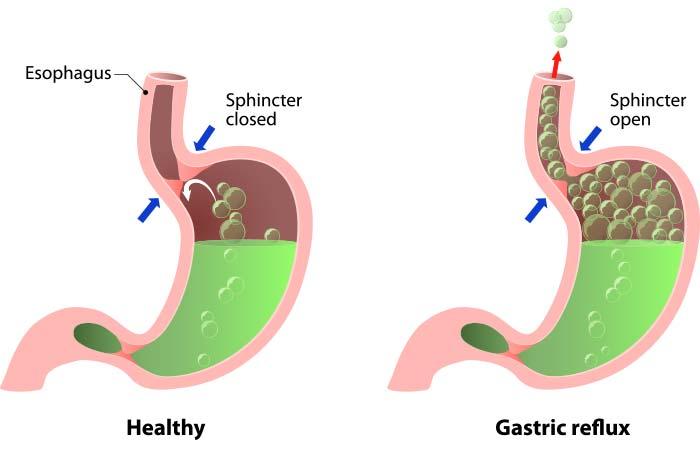
Gastroesophageal reflux disease (GERD) is the culprit behind heartburn. Inflammation of gastric muscles and tissues or insufficient enzyme production by the digestive system can lead to acid reflux. This causes a burning sensation and heaviness around your heart and chest.
Put an end to heartburn with enzymes!
When you have foods rich in digestive enzymes or consume their synthetic version, the foods get digested efficiently, without leaving behind any remnants. This way, the acid cannot escape the GI tract and cause inflammation (3).
4. Reduce Severity Of Gastritis
The stomach lining contains glands that produce the stomach acid (that breaks down food) and an enzyme called pepsin (that digests protein). It is also coated with a thick layer of mucus that prevents the acidic digestive juice from dissolving the stomach tissue.
When the stomach lining is inflamed because of either bacterial infection (Helicobacter pylori) or other physiological reasons, it produces less acid and fewer enzymes. This condition is called gastritis. In such horrible situations, digestive enzymes offer great relief!
Externally supplied enzymes can make up for the low levels of endogenous enzymes and help in the smooth digestion of your food.
5. Rectify Lactose, Gluten, And Protein Intolerance

Being intolerant to lactose or gluten is quite common these days. But we fail to realize the reason behind it. Some people are born with the inability to digest these complex molecules.
Trying to treat this condition with medicines can actually make it worse. Such medication kills the beneficial microbes in your gut, making your digestion and nutrient absorption even weaker.
Digestive enzymes are the best choice in such cases because they naturally assist the metabolism of gluten, lactose, and complex proteins. They do not meddle with your stomach’s functioning. They act like the performance booster in your computer.
Enzyme Time!
- Digestive enzymes can fight bad breath. These enzymes help in digesting all the food you consume efficiently.
- This way, the odor-producing bacteria and fungi don’t have anything to thrive on.
- It is safe to give digestive enzyme supplements to infants. In fact, it is recommended to do so. This is because many of the medicines we give to infants kill or modify their gut microbes and result in chronic sensitive gut issues.
After reading about these magic molecules, you must be thinking that they are a necessity you have been deprived of and feel a sudden urge to have them right away.
But where can you find them? Just keep reading to find out!
Sources of Digestive Enzymes
Apart from your GI tract, you can find these enzymes in the following foods:
- Pineapple (has bromelain)
- Papaya (has papain)
- Mango (has amylases)
- Honey (has diastases, amylases, invertases, glucose oxidase, catalase, and proteases)
- Banana (has amylases and maltase)
- Kefir (has lactase, protease, and enzyme-producing microbes)
- Avocado (has lipase and polyphenol oxidase)
- Sauerkraut (has enzyme-producing microbes)
- Kimchi (has protease, amylase, and enzyme-producing microbes)
- Miso (has lipase, amylase, protease, lactase)
- Kiwifruit (has actinidain)
- Ginger (zingibain)
- Animals like pigs and cattle
- Molds, yeast, and fungi
- Probiotics
If you are looking for synthetic enzyme supplements, check these brands out. Some of them are available OTC (over-the-counter), and some need a prescription:
- Dr.Tobias DIGEST
- Naturenetics DigestWise
- Dr.Matthew #1 Digestive Enzymes
- Doctor’s BEST Digestive Enzymes
- NOW Foods Super Enzymes
- Source Naturals Essential Enzymes
- Divine Bounty Digestive Enzymes
- MAV Nutrition Digestive Enzymes
- ENZYMEDICA DigestGold
- Zenesis Labs DIGESTIVE ENZYMES
The thought of having digestive enzymes may be exciting for people who are struggling with tummy and gut issues. But before you excitedly start popping these pills, here are a few tips that you need to follow to avoid aggravating your problem. Check them out!
Tips To Remember
- Every synthetic supplement has a number that tells you the number of active molecules present in it.
- Pick a brand that serves a moderately higher number of active molecules because there is no point in piling a dormant product in your system.
- The best way to do so is consulting a doctor or doing thorough research about it.
- Some supplement pills need to be taken before meals, while some after. Read the instructions carefully.
- Chewable tablets have to be chewed and not swallowed as a whole.
- Swallow enzyme pills with water, unless instructed otherwise.
- Lactose supplements should be taken before consuming milk. Read the instructions carefully and follow them strictly.
- Closely monitor how your body reacts to the digestive enzyme supplements. Make a log of routine activities and report any changes to your doctor.
Despite all the hurdles and allegations, it is a positive sign that many medical practitioners all over the world are switching to alternative medicine like enzymes, probiotics, and superfoods, ditching the non-specific allopathy or synthetic drugs.
Before you take the plunge, let me also warn you about the side effects of digestive enzymes that you could face.
Side Effects Of Digestive Enzymes
Most of the digestive enzymes you get from plant and animal sources are safe and do not have serious side effects.
Synthetic digestive enzymes supplements that are available over-the-counter are not US FDA approved. So, nobody knows what goes into making them or whether their claims are true! Such OTC supplements, and, in some cases, even the prescribed and FDA-approved supplements might prove to be harmful.
The following are the documented side effects of synthetic digestive enzymes:
- Diarrhea
- Nausea
- Stomach cramps
- Loss of appetite
- Rashes on skin
- Constipation
- Headache
- Bloating
- Change in stool color
If you have frequent bouts of stomach cramps and trouble in urinating and defecating, consult your physician.
All said and done, it is safe and recommended that you use natural digestive enzymes to cure GI tract and excretory system disorders.
Natural digestive enzymes are recommended especially for children because they have a sensitive gut and haven’t yet developed a gut microbe community (or a microbiome) of their own.
By giving synthetic drugs to children, we end up causing them more harm than good.
Including veggies and fruits rich in such enzymes, such as pineapple, ginger, honey, and papaya, in your daily meals or salad bowls will keep most of these gastric diseases at bay.
References
- “Histology guide”. Retrieved 22 May 2015.
- Lower+Gastrointestinal+Tract at the US National Library https://www.stylecraze.com of Medicine Medical Subject Headings (MeSH)
- https://en.wikipedia.org/wiki/Human_digestive_system