
Amoebiasis also is known amoebic dysentery, is an infection caused by any of the amoebas of the Entamoeba group & parasitic infection of the intestines caused by the protozoan Entamoeba histolytica, or E. histolytica. Symptoms are most common during infection by Entamoeba histolytica. Amoebiasis can be present with no, mild, or severe symptoms. Symptoms may include abdominal pain, diarrhea, or bloody diarrhea. Complications can include inflammation of the colon with tissue death or perforation, which may result in peritonitis. People affected may develop anemia due to loss of blood.
How can I become infected in Amoebiasis
- By putting anything into your mouth that has touched the stool of a person who is infected with E. histolytica.
- By swallowing something, such as water or food, that is contaminated with E. histolytica.
- By touching and bringing to your mouth cysts (eggs) picked up from surfaces that are contaminated with E. histolytica.
Causes of Amoebiasis
Amoebiasis is an infection caused by the amoeba Entamoeba histolytica. Likewise amoebiasis is sometimes incorrectly used to refer to infection with other amoebae, but strictly speaking, it should be reserved for Entamoeba histolytica infection. Other amoebae infecting humans include
- You eat contaminated food.
- You eat food that has been handled by someone who is infected.
- You swallow water from a well, lake, stream, or city water that has not been treated to kill germs.
- You have contact with bowel movement from an infected person by touching towels or bathroom fixtures they have used or through sexual contact.
- Infection occurs from ingestion of the fecally excreted, acid-resistant, the cystic form of the amoeba. Transmission commonly results from fecal contamination of water or food, which is most prevalent in regions with poor sanitary conditions. Another mode of transmission is oral sex preceded by anal sex.
- At highest risk for severe illness from amebiasis are those who are malnourished; under two years of age; receiving corticosteroid therapy; pregnant; or who have compromised immune systems.
- Parasites
- Dientamoeba fragilis, which causes Dientamoebiasis
- Entamoeba dispar
- Entamoeba hartmanni
- Entamoeba coli
- Entamoeba polecki
- Entamoeba bangladeshi
- Entamoeba moshkovskii
- Endolimax nana and
- Iodamoeba butschlii.
Except for Dientamoeba, the parasites above are not thought to cause disease.
Free-living amoebas. These species are often described as “opportunistic free-living amoebas” as the human infection is not an obligate part of their life cycle.
- Naegleria fowleri, which causes primary amoebic meningoencephalitis
- Acanthamoeba, which causes cutaneous amoebiasis and Acanthamoeba keratitis
- Balamuthia mandrillaris, which causes granulomatous amoebic encephalitis and primary amoebic meningoencephalitis
- Sappinia diploidea
Symptoms of Amoebiasis
- Intestinal amebiasis: 1–4 weeks
- Extraintestinal amebiasis: a few weeks to several years
Although only about 10%-20% of people infected with the parasites become ill, those individuals may produce the following symptoms and signs
- Early symptoms (in about one to four weeks) include loose stools and mild abdominal cramping
- If the disease progresses, frequent, watery, and/or bloody stools with severe abdominal cramping (termed amoebic dysentery) may occur.
- If the trophozoites reach the intestinal walls and go through them, symptoms of liver infection such as liver tenderness and fever are the initial signs and symptoms of liver abscess formation (hepatic amebiasis).
- Other organs (heart, lungs, brain, for example) may produce symptoms specific to the organ and produce severe illness and/or death.
- Abdominal tenderness
- Diarrhea possibly containing blood or mucus
- Rectal pain during bowel movements (tenesmus)
- Intestinal gas (excessive flatulence)
- Severe abdominal cramping and tenderness
- Excessive gas
- Loss of weight
- High fever
- Fatigue
- Nausea and vomiting
- Tenesmus
- Appetite loss
- Weight loss
- Fatigue
- Anemia
- Occasionally cause skin lesions (cutaneous amebiasis)
Intestinal amebiasis (dysentery)
- Loose stools with mucus and bright red blood
- Painful defecation, tenesmus, abdominal pain, cramps, weight loss, and anorexia
- Fever in 10–30% of cases and possible systemic symptoms (e.g., fatigue)
- High risk of recurrence, e.g., through self-inoculation (hand to mouth)
- A chronic form is also possible, which is clinically similar to inflammatory bowel disease.
Extraintestinal amebiasis
The mostly acute onset of symptoms; subacute courses are rare
In 95% of cases – amebic liver abscess, usually a solitary abscess in the right lobe
- Fever in 85-90% of cases (compared to amebic dysentery)
- Pain and feeling of pressure in RUQ
- Chest pain, pleuralgia
- Diarrhea precedes only a third of all cases of amebic liver abscesses.
In 5% of cases – abscesses in other organs (e.g., especially the lungs; in rare cases, the brain), with accompanying organ-specific symptoms
Diagnosis of Amoebiasis
Intestinal amebiasis
Stool analysis
- Microscopic identification of cysts or trophozoites in fresh stool
- EIA or copro-antigen ELISA (antigens found in feces)
- Molecular methods: e.g., PCR
- Stool microscopy is not sensitive, especially in later phases, so at least three stool samples should be examined before reporting a negative result.
Extraintestinal amebiasis
- Serological antibody detection
- Liver function tests
- AP, AST, ALT, bilirubin slightly elevated
- Imaging – shows a solitary lesion, typically in the right lobe
- Ultrasound – hypoechoic
- Ultrasound of the liver
- CT scan of the liver and perhaps other organs
- Colonoscopy of the large intestine to search for parasites
- Your doctor may run other tests to rule out other infectious diseases like giardiasis.
Treatment of Amoebiasis
If patients are shedding E. histolytica cysts, the following luminal agents (drugs that work on cysts that are not invading the gastrointestinal epithelium) are as follows
-
Metronidazole or tinidazole initially
Iodoquinol, paromomycin, or diloxanide furoate subsequently for cyst eradication
For GI symptoms and extraintestinal amebiasis, one of the following is used
-
Oral metronidazole 500 to 750 mg TID in adults (12 to 17 mg/kg TID in children) for 7 to 10 days
-
Tinidazole 2 g PO once/day in adults (50 mg/kg [maximum 2 g] po once/day in children > 3 yr) for 3 days for mild to moderate GI symptoms, 5 days for severe GI symptoms, and 3 to 5 days for amebic liver abscess
Nitazoxanide can be given in bd dosage for the best result.
Metronidazole and tinidazole should not be given to pregnant women. Alcohol must be avoided because these drugs have a disulfiram-like effect. In terms of GI adverse effects, tinidazole is generally better tolerated than metronidazole.
Therapy for patients with significant GI symptoms should include rehydration with fluid and electrolytes and other supportive measures.
Although metronidazole and tinidazole have some activity against E. histolytica cysts, they are not sufficient to eradicate cysts. Consequently, a 2nd oral drug is used to eradicate residual cysts in the intestine.
Options for cyst eradication are
-
Iodoquinol 650 mg PO tid after meals in adults (10 to 13 mg/kg [maximum of 2 g/day] po tid in children) for 20 days
-
Paromomycin 8 to 11 mg/kg po tid with meals for 7 days
-
Diloxanide furoate 500 mg po tid in adults (7 mg/kg po tid in children) for 10 days
Diloxanide furoate is not available commercially in the US.
Asymptomatic people who pass E. histolytica cysts should be treated with paromomycin, iodoquinol, or diloxanide furoate to prevent the development of invasive disease and spreading elsewhere in the body and to others.
To treat invasive amebiasis, metronidazole is recommended even for amoebic liver abscesses (up to 10 cm sized abscesses). Tinidazole (Tindamax) is FDA approved for treatment of both intestinal or extraintestinal (invasive) amebiasis.
Amoebic colitis can be treated with nitroimidazoles, but they should be followed up by a luminal agent.
Treatment of hepatic amebiasis has been successful in some patients with chloroquine or dehydroemetine (which is only available from the CDC and is not a preferred treatment because of potential heart toxicity).
Surgical Treatment of Amoebiasis
Surgical treatments are required or indicated for amebiasis treatment due to the following
- Gastrointestinal bleeding (massive or uncontrolled)
- Perforated amoebic colitis
- Toxic megacolon
- Failure to respond to metronidazole after four days of treatment
- Amoebic liver abscesses greater than 10 cm in size
- Empyema after the liver abscess rupture
- Amoebic liver abscess representing a risk of rupture to the pericardium
- Impending abscess rupture (no medical response in about three to five days to expanding abscess)
- Percutaneous drainage by catheter can be lifesaving in patients with amoebic pericarditis
Prevention of Amoebiasis
The specimen of the human intestine that was damaged by the amebic ulcer.
To help prevent the spread of amoebiasis around the home
- Wash hands thoroughly with soap and hot running water for at least 10 seconds after using the toilet or changing a baby’s diaper, and before handling food.
- Clean bathrooms and toilets often; pay particular attention to toilet seats and taps.
- Avoid sharing towels or face washers.
To help prevent infection
- Avoid raw vegetables when in endemic areas, as they may have been fertilized using human feces.
- Boil water or treat with iodine tablets.
- Avoid eating street foods especially in public places where others are sharing sauces in one container
These steps can help prevent food poisoning
- Wash your hands and clean any dishes or utensils before you prepare, cook, serve, or eat food. Keep kitchen counters and other food preparation surfaces clean. Replace used dishcloths and kitchen towels with clean ones often.
- Cover any sore or cut on your hands before preparing food. Use rubber gloves or cover the sore with a clean bandage.
- Rinse fresh vegetables and fruits before you eat or cook them.
- Thaw frozen meats in the refrigerator or a microwave. Do not let meat stand at room temperature.
- Cook food thoroughly, especially meat, poultry, and leftovers. Pork should be heated to an internal temperature of at least 160°F (71°C). For whole chickens and turkeys, a temperature of 180°F (82°C) is recommended for thigh meat and 170°F (77°C) for breast meat.
- Keep juices from raw meat, poultry, and seafood away from other foods.
- Refrigerate any food you will not be eating right away.
- Wash your hands after you go to the bathroom or touch animals.
- If you take care of young children, wash your hands often and dispose of diapers carefully so that bacteria cannot spread to other surfaces or people.
- When you travel to places where contamination is more likely, eat only hot, freshly cooked food. Don’t eat raw vegetables or unpeeled fruit. Drink only bottled water and liquids.
Good sanitary practice, as well as responsible sewage disposal or treatment, are necessary for the prevention of E. histolytica infection on an endemic level. E.histolytica cysts are usually resistant to chlorination, therefore sedimentation and filtration of water supplies are necessary to reduce the incidence of infection.
- Toxic megacolon
- Educate the general public and asymptomatic carriers in personal hygiene, particularly the sanitary disposal of feces and hand washing after defecation, and before preparing or eating food.
- Education high-risk groups to avoid sexual practices that facilitate fecal-oral transmission.
- Dispose of human feces in a sanitary manner and do not use as fertilizer.
- Protect public water supplies from fecal contamination.
- Providing adequate drugs supply for treating asymptomatic carriers to reduce the transmission risk.
- Health agencies should regulate the sanitary practices of people who prepare and serve food in public
- During acute illness, use enteric precautions in the handling of feces, contaminated clothing and bed
- Confirmed cases should refrain from using recreational water venues until treatment with a luminal drug is completed and any diarrhea has resolved.
Home Remedies for Amebiasis
Stay hydrated

Amebiasis can cause dehydration if symptoms of diarrhea and watery stools persist. As such, it is crucial to consume plenty of fluids on a daily basis while recovering from the infection. Be sure to drink boiled or purified water, so as to eliminate the possibility of becoming infected with other microorganisms. You can also stay hydrated by consuming black tea or herbal tea. To replace the sodium lost via diarrhea, you can consume an oral rehydration solution (ORS) of your own making. An ORS typically consists of slightly sweetened and salty water – you can drink a mixture of ½ of a small spoon of salt, 6 small spoons of sugar and 4 cups of clean water, or opt for salted rice water, salted yogurt drinks or vegetable and chicken soups with salt.
Oregano
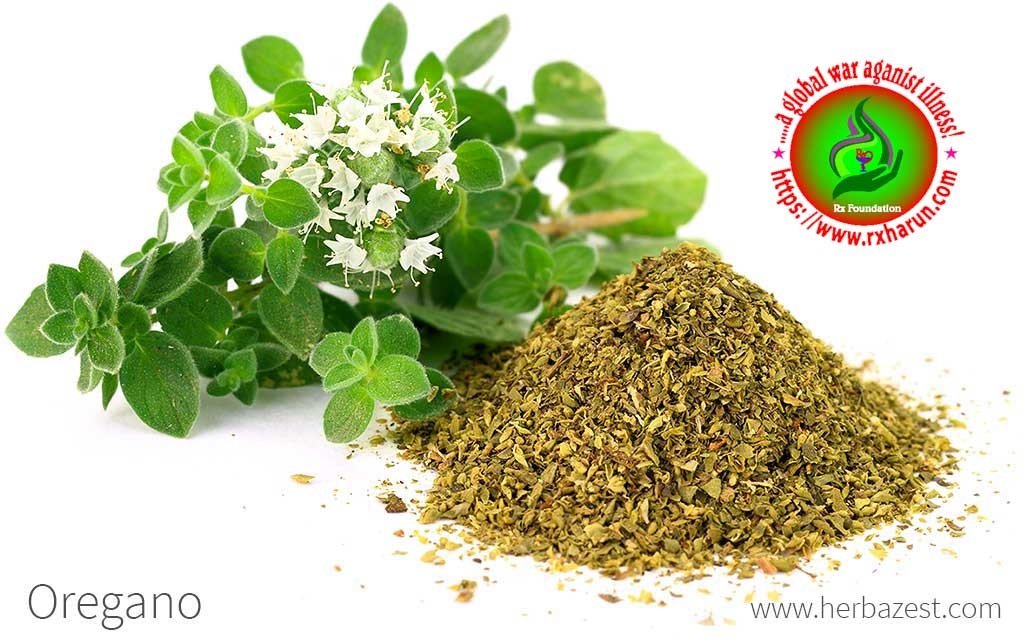
Oregano is a great home remedy for amebiasis as it has potent antioxidant and antibiotic properties and has been proven to be effective in inhibiting enteric parasites. A 2000 study in Phytotherapy Research noted that it improved gastrointestinal symptoms and eliminated various enteric parasites within a period of 6 weeks after 600 mg of emulsified oil of oregano was administered daily. To access its beneficial properties, mix two to three drops of oregano oil and the juice of one lemon in a glass of water. Drink the mixture three times a day until the symptoms are alleviated. You can also add fresh or dried oregano to your daily meals.
Rosemary oil

Rosemary is a close relative of the oregano family and shares its antibacterial qualities with oregano. The active ingredient is thought to be eugenol, present in both oregano and rosemary oil. Studies on the oil also show that the oil is effective against a range of bacteria types and so should be added to cooking wherever possible.
Yogurt
Probiotic foods that contain lactic acid bacteria (lactobacilli) can suppress the germs causing diarrhea in the bowel, thus helping your immune system combat them. Natural probiotics can be readily accessed in yogurt, which also provides the protein and sugar you need to maintain the strength of your immune system.
Coconut water

Coconuts are another fantastic home remedy for amebiasis. They are cultivated in various tropical regions for its nutritional and medicinal properties. Coconut kernel and tender coconut water have antibacterial, antifungal, antiviral, antiparasitic, antioxidant, hypoglycemic, hepatoprotective, and immunostimulant medical properties, making them a traditional feature in many communities.
Turmeric

Turmeric also boasts of anti-inflammatory, antioxidant, antimicrobial, hepatoprotective, immunostimulant, antiseptic, and antimutagenic qualities which can your body in fighting off the infection. Besides incorporating turmeric into your cooking, you can also consume a teaspoon of raw turmeric juice (with a pinch of salt) on a daily basis for one to two weeks.
Garlic

Garlic oil has broad-spectrum antiparasitic activity against a range of parasites and can be used as an unconventional antiparasitic therapy. To benefit, you can add garlic to your daily cooking or even consume it raw (two to three cloves per day) for a few weeks, as your body recovers from the infection.
Black Walnut

Black walnut is a herb that, taken in tincture form, is effective at treating parasites and microbial infections of the gut such as amebiasis. Black walnut contains juglone, a chemical that is antibacterial that kills will amebiasis bacteria as well as other parasites, yeast and fungus, making it a good treatment for a number of conditions.Black Walnut also contains a high number of antioxidants. It was widely used by native American for centuries. They used the husk and bark of the walnut tree for a variety of topical and digestive problems. Black walnut is, however, is not recommended for pregnant or breastfeeding women.
Neem oil

Neem oil is another essential oil, widely used on the in Indian subcontinent due to its many bioactive properties. Its active ingredient, Azadirachtin, is naturally antibacterial and a natural insecticide. The oil is used for many different microbial stomach upsets as well keeping insects at bay from commercial crops. It is best to add a few drops to a carrier solution such as coconut milk for best effect. Neem oil in large quantities is mildly toxic to humans and although neem oil poisoning is very rare, cases have been reported and so caution is warranted.
Clove oil

Cloves have a multitude of different active compounds but as with other anti-bacterial essential oils, the active ingredient that is relevant for amebiasis is eugenol. Cloves have been tested for antibacterial properties versus different bacterial types and have found to be effective. Eugenol works by suppressing the amebiasis bug in your gut and combined with an anti-inflammatory food like a pumpkin, gives an effective treatment against the disease.
Apple Cider Vinegar

Apple cider vinegar contains acetic acid, vitamin B and C. It has anti-fungal and anti bacterial properties, high acetic acid content, and rich amount of calcium, potassium, iron, and copper. Not only will apple cider vinegar help replcae lost minreal through diarrhea, moreover, ACV also acts as a good cleansing agent for the gut.
Pumpkin

Pumpkin is one of the best home remedies for amebiasis. The plant has various important medicinal properties, but for particular relevance to amebiasis, it is anti-inflammatory.
If you are sick with amebiasis, the bacteria will put immense strain on your gut causing inflammation and internal swelling. While pumpkin is not antibacterial in itself, the plant will soothe your intestinal wall. To give the treatment a further boost, add drops of an antibacterial essential oil to your pumpkin cooking. Rosemary and oregano are by far the best tasting.
References
- https://en.wikipedia.org/wiki/Amoebiasis
- https://www.ncbi.nlm.nih.gov/pmc/articles/PMC4144452/
- https://www.ncbi.nlm.nih.gov/pubmedhealth/PMHT0025026/
- https://www.cdc.gov/parasites/amebiasis/general-info.html
- https://books.google.com.bd/books/about/Amebiasis.html?id=iE26BQAAQBAJ&redir_esc=y
- https://www.sciencedirect.com/science/article/pii/0169475887900482
- https://www.sciencedirect.com/science/article/pii/S0140673603128309

