
The Complete Guide To Increasing Your Focus In Life

Patient Tools

Read, save, and share this guide

Use these quick tools to make this medical article easier to read, print, save, or share with a family member.

Patient Mode

Understand this article easily

Switch between simple English and easy Bangla patient notes. This is for education and does not replace a doctor consultation.

We all know how important focus is. Think about it, when was the last time you were so focused on your task that you weren’t distracted? Focusing nowadays is more complex than ever. You know what it’s like when you’re at your job and think...

For severe symptoms, danger signs, pregnancy, child illness, or sudden worsening, seek urgent medical care.

বাংলা রোগী নোট এখনো যোগ করা হয়নি। পোস্ট এডিটরে “RX Bangla Patient Mode” বক্স থেকে সহজ বাংলা সারাংশ যোগ করুন।

এই তথ্য শিক্ষা ও সচেতনতার জন্য। এটি ডাক্তারি পরীক্ষা, রোগ নির্ণয় বা প্রেসক্রিপশনের বিকল্প নয়।

Article Summary

We all know how important focus is. Think about it, when was the last time you were so focused on your task that you weren’t distracted? Focusing nowadays is more complex than ever. You know what it’s like when you’re at your job and think about “just checking” your Facebook feed. One thing leads to other, and you’ve spent over an hour looking at what...

Key Takeaways

  • This article explains 1. Exercise in simple medical language.
  • This article explains 2. Make a plan in simple medical language.
  • This article explains 3. Discover your most productive environment in simple medical language.
  • This article explains 4. Wake up early in simple medical language.
Educational health guideWritten for patient understanding and clinical awareness.
Reviewed content workflowUse writer and reviewer profiles for stronger trust.
Emergency safety firstUrgent warning signs are highlighted below.

Seek urgent medical care if you notice

These warning signs are general safety guidance. Local emergency numbers and clinical judgment should always come first.

  • Severe symptoms, breathing difficulty, fainting, confusion, or rapidly worsening illness.
  • New weakness, severe pain, high fever, or symptoms after a serious injury.
  • Any symptom that feels urgent, unusual, or unsafe for the patient.
1

Emergency now

Use emergency care for severe, sudden, rapidly worsening, or life-threatening symptoms.

2

See a doctor

Book a professional medical evaluation if symptoms persist, worsen, recur often, affect daily activities, or occur in a high-risk patient.

3

Learn safely

Use this article to understand possible causes, tests, treatment options, prevention, and questions to ask your clinician.

Before reading

RX Patient Tools

Use these quick guides before reading the article, or return to them when you need help preparing questions for a doctor.

Start here Choose the right pathway for symptoms, reports, medicines, or urgent warning signs. Disease article roadmap Read this topic step by step: meaning, symptoms, warning signs, diagnosis, treatment, prevention, and follow-up. Treatment planner Prepare questions about treatment choices, benefits, risks, side effects, and follow-up. Family & caregiver guide Organize symptoms, reports, medicines, questions, and follow-up safely. Nutrition & diet guide Prepare food, hydration, supplement, and medicine-timing questions safely. Prevention guide Organize risk factors, protective habits, screening, and warning signs. Recovery guide Prepare a safe plan for activity, rehabilitation, warning signs, and follow-up.

We all know how important focus is.

Think about it, when was the last time you were so focused on your task that you weren’t distracted?

Focusing nowadays is more complex than ever. You know what it’s like when you’re at your job and think about “just checking” your Facebook feed. One thing leads to other, and you’ve spent over an hour looking at what your friends are up to.

The traditional view of procrastination is that “a stitch in time saves nine” and that we should not procrastinate to be efficient. But can you stop procrastinating?

We have this one-sided belief that procrastination is wrong, but if you look at well-known philosophers, they just sat around and spent time thinking. Now I know what you’re thinking: it’s because they did not have many distractions. Well, yes and no.

The lives of ancient philosophers like Descartes, Socrates, and Plato were filled with government roles and societal responsibilities, but they chose to think and think. Their “overthinking” led to many founding principles today, like Descartes’s mind and body principle.

Scientifically, procrastination is a battle between two parts of our brain — the limbic system and the prefrontal cortex. The limbic system fights for short-term pleasures while the prefrontal cortex for the long-term goal. However, given that the prefrontal cortex is the only thing that makes us different compared to animals, there is nothing automatic about this part. Thus, we constantly need to give it a push to get stuff done. On the other hand, our limbic system takes over as soon as we stop pushing forward, leading to procrastination.

Procrastination is only natural and not always something to label as negative. Now that we have that out of the way, let us introduce six powerful methods to increase focus in your life.

1. Exercise

Have you ever had those days when you don’t want to go to the gym because you’re tired, but then you end up going?

Like me, you probably felt euphoric energy flowing through you. This is because when you exercise, your muscle contracts and release a protein called IGF-1. This very protein travels to your brain and releases many chemicals, one of them being BDNF. The BDNF stimulates further connections between neurons, and these connections form the basis for learning. Even though this takes some time, an immediate response to this change is increased concentration and focus.

2. Make a plan

When I say make a plan, I mean to be as specific as possible.

Let’s say you want to start writing your book finally. Instead of adding “Work on the novel” to the to-do list, be a little more specific. How about:

  • Make a character list
  • Write down what the book is about in less than 150 words
  • Break down the chapters and summarize each one in a line or two

When we get specific on our target goals, our attention is invested in accomplishing these small tasks. As our beautiful brains have it, they can only handle two complicated tasks at a time, so why not make them focus on the specifics instead of broad concepts?

3. Discover your most productive environment

The relationship between your brain and you is interdependent. If you want peace of mind and calmness, you must treat and exercise your mind. Here, we shall focus on treating it right. You see, the environment in which you study really affects the brain— this is why coffee houses are filled with students studying.

Many factors exist in the environment that end up affecting our focus — noise, smell, music, appearance, and comfort are some amongst many. Excellent and calm music, for instance, helps us be more productive as this background noise is more soothing. It’s no surprise why listening to Beethoven is recommended instead of Eminem while working. To find out how other environmental factors affect our focus, read this article by Western Governors University.

4. Wake up early

Okay, so let’s say you went for your 7 AM jog, made a specific plan, and currently are sitting at your local Starbucks, trying to work on a paper and still finding it hard to focus. Why’s that? Maybe cause the energy you are working with is minimal.

It’s said often that the greats sustain their greatness because they wake up early in the morning and get most of the critical stuff done well before the world wakes up. You see, after all that sleep your brain got, it’s re-energized and ready to help you learn new things and change the world.

Now, I know what you’re thinking: “but I’m a night owl.”

So am I, but creativity and productivity are two different things. The former is more about thinking about that one idea for your next song or your next artwork. The latter is more about the order, which is why two different modes of thinking manage them: focused vs. diffused.

Productivity goes well with the focused mode of thinking wherein the information in your brain enters and travels orderly. On the other hand, creativity requires a diffused way of thinking.

Thus, if you’re looking to learn how to increase focus, it’s essential to wake up early, as that’s when our energy levels and creativity peak.

5. Prioritize your tasks

As mentioned before, this one goes without saying: our brains can only focus on two complicated tasks simultaneously. Ever wondered why to-do lists don’t help you get stuff done? Because there isn’t any scheduling done. Why not try this approach: list everything you think you can achieve in one day and then number them.

Focus on 1 and 2 (the most important) in the morning and then worry about the rest later

Let’s say you are working in the middle of the day, and you get an email that distracts you. There are two approaches to tackling this. First, you could turn off all connections to the outside world. This means no checking email. Second, you can react less.

Those urgent urges to check your phone happen because your prefrontal cortex is tired later in the day, and the limbic system is taking charge.

6. Meditate

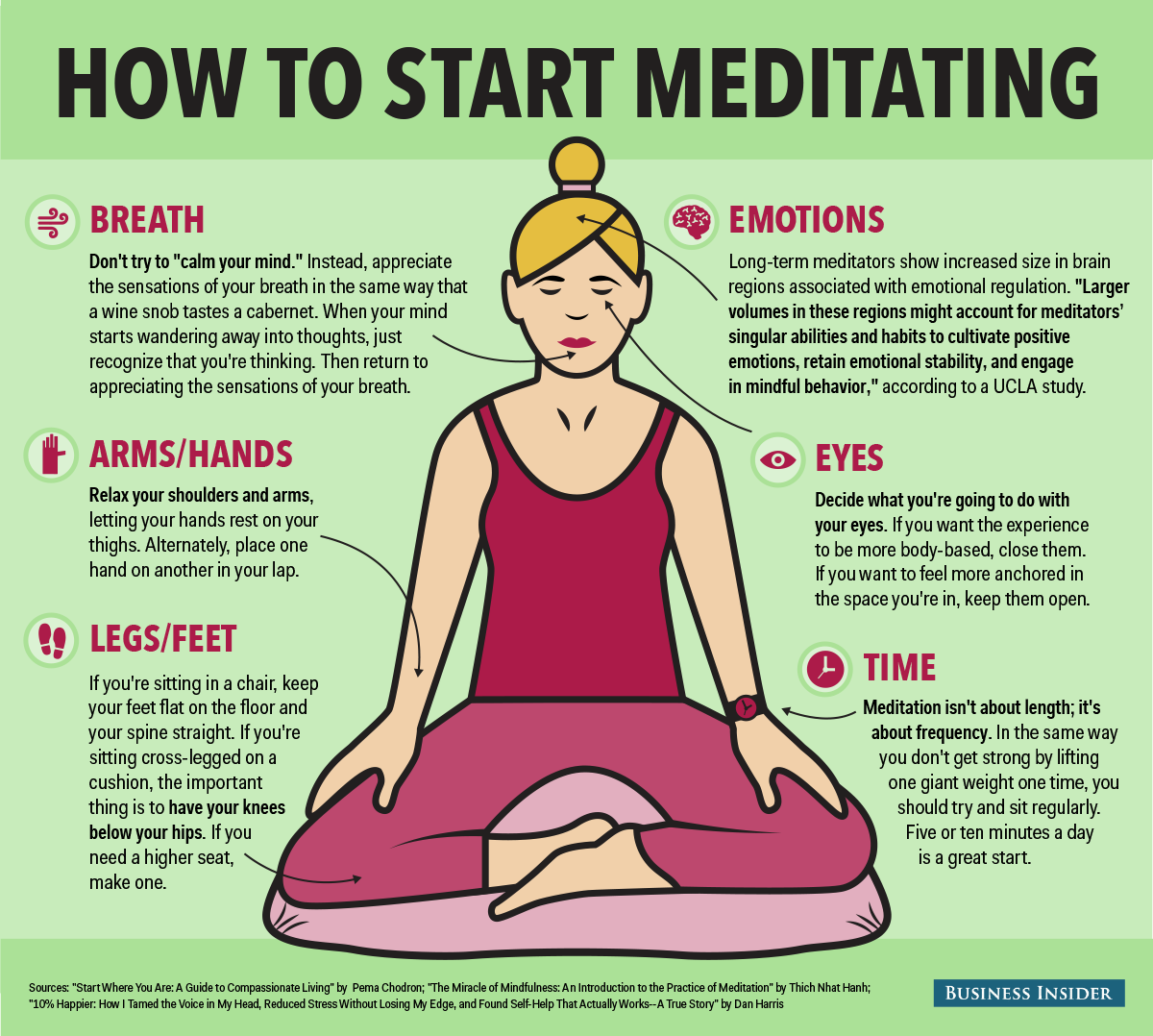
We have this belief that focus is all about retaining attention. However, this leads to our minds becoming strained. What if our attention was more natural than manual? Meditation helps you do that. Human’s have an attention span of 8 seconds. Meditation changes the game, and it helps in increasing your consciousness.
 

The Complete Guide To Increasing Your Focus In Life

In short, meditating helps our brain filter out the noise, particularly distracting and harmful noises. Even with 10 minutes a day, your brain can start filtering your thoughts and provide the clarity you need to increase your focus.

Please share your tips and experiences in the comments section!

Doctor visit helper

Prepare before seeing a doctor

A simple rural-patient checklist to help you explain symptoms clearly, ask better questions, and avoid unsafe self-treatment.

Safety note: This is not a prescription or diagnosis. For severe symptoms, pregnancy danger signs, children with serious illness, chest pain, breathing difficulty, stroke-like weakness, or major injury, seek urgent care.

Which doctor may help?

Orthopedic doctor, rheumatologist, or physiotherapist depending on cause.

What to tell the doctor

  • Write which joints hurt, swelling, morning stiffness duration, fever, injury, and walking difficulty.
  • Bring X-ray, uric acid, ESR/CRP, rheumatoid factor, or previous reports if available.

Questions to ask

  • Is this injury, osteoarthritis, rheumatoid arthritis, gout, infection, or another cause?
  • Which exercises, supports, or lifestyle changes are safe?
  • Do I need blood tests or X-ray?

Tests to discuss

  • Joint examination and range of motion
  • X-ray when chronic arthritis or injury is suspected
  • ESR/CRP, uric acid, rheumatoid tests when inflammatory arthritis is suspected

Avoid these mistakes

  • Do not ignore hot swollen joint with fever.
  • Avoid repeated steroid injections/tablets without a clear diagnosis and follow-up.

Medicine safety and first-aid guide

This section is for patient education only. It does not replace a doctor, pharmacist, or emergency care.

Safe first steps

  • Avoid heavy lifting, sudden bending, and prolonged bed rest.
  • Use comfortable posture and gentle movement as tolerated.
  • Discuss physiotherapy, X-ray, or MRI only when clinically needed.

OTC medicine safety

  • For mild back pain, pain-relief medicine may be discussed with a doctor or pharmacist.
  • Avoid repeated painkiller use if you have kidney disease, stomach ulcer, uncontrolled blood pressure, or are taking blood thinners.

Avoid these mistakes

  • Do not start antibiotics without a proper medical decision.
  • Do not use steroid tablets or injections casually for quick relief.
  • Do not delay emergency care because of home remedies.

Get urgent help if

  • Back pain with leg weakness, numbness around private area, loss of urine/stool control, fever, cancer history, or major injury needs urgent care.
Medicine names, dose, and timing must be decided by a qualified clinician or pharmacist after checking age, pregnancy, allergy, other diseases, and current medicines.

For rural patients and family caregivers

Patient health record and symptom diary

Write your symptoms, medicines already taken, test results, and questions before visiting a doctor. This note stays on your device unless you print or copy it.

Doctor to discuss: Doctor / qualified healthcare provider
Tests to discuss with doctor
  • Basic vital signs: temperature, pulse, blood pressure, oxygen level if needed
  • Relevant blood, urine, imaging, or specialist tests only after clinical assessment
Questions to ask
  • What is the most likely cause of my symptoms?
  • Which warning signs mean I should go to emergency care?
  • Which tests are really needed now?
  • Which medicines are safe for my age, pregnancy status, allergy, kidney/liver/stomach condition, and current medicines?

Emergency warning signs such as chest pain, severe breathing difficulty, sudden weakness, confusion, severe dehydration, major injury, or loss of bladder/bowel control need urgent medical care. Do not wait for online information.

Safe pathway to proper treatment

Care roadmap for: The Complete Guide To Increasing Your Focus In Life

Use this simple roadmap to understand the next safe steps. It is educational and does not replace examination by a doctor.

Go to emergency care if you notice:
  • Severe or rapidly worsening symptoms
  • Breathing difficulty, chest pain, fainting, confusion, severe weakness, major injury, or severe dehydration
Doctor / service to discuss: Qualified healthcare provider; specialist depends on symptoms and examination.
  1. Step 1

    Check danger signs first

    If danger signs are present, seek emergency care and do not wait for online information.

  2. Step 2

    Record the symptom story

    Write when symptoms started, severity, medicines already taken, allergies, pregnancy status, and test results.

  3. Step 3

    Visit a qualified clinician

    A doctor, nurse, or qualified healthcare provider can examine you and decide which tests or treatment are needed.

  4. Step 4

    Do only useful tests

    Do tests after clinical assessment. Avoid unnecessary tests, random antibiotics, or repeated medicines without diagnosis.

  5. Step 5

    Follow up and return early if worse

    If symptoms worsen, new warning signs appear, or treatment is not helping, return for review quickly.

Rural patient practical tips
  • Take a written symptom diary and all previous prescriptions/test reports.
  • Do not hide medicines already taken, even herbal or over-the-counter medicines.
  • Ask which warning signs mean urgent referral to hospital.

This roadmap is for education. A real diagnosis and treatment plan requires history, examination, and clinical judgment.

RX Patient Help

Ask a health question safely

Write your symptom story. A health professional or site editor can review it before any answer is prepared. This box is not for emergency care.

Emergency first: Severe chest pain, breathing trouble, unconsciousness, stroke signs, severe injury, heavy bleeding, or rapidly worsening symptoms need urgent local medical care now.

Frequently Asked Questions

Is this article a replacement for a doctor?

No. It is educational content only. Patients should consult a qualified clinician for diagnosis and treatment.

When should I seek urgent care?

Seek urgent care for severe symptoms, rapidly worsening condition, breathing difficulty, severe pain, neurological changes, or any emergency warning sign.

References

Add references, clinical guidelines, textbooks, journal articles, or trusted medical sources here. You can edit this area from the RX Article Professional Blocks panel.