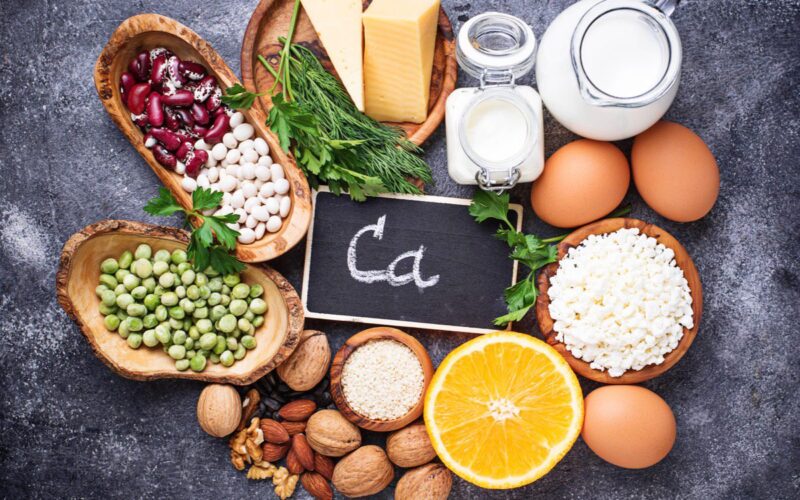
Rice milk is plant milk made from rice. Commercial rice milk is typically manufactured using brown rice and brown rice syrup, and maybe sweetened using sugar or sugar substitutes, and flavored by common ingredients, such as vanilla. It is commonly fortified with protein and micronutrients, such as vitamin B12, calcium, iron, or vitamin D.[rx][rx]
Rice milk is well known in vegetarians, vegans, and people having nut or lactose allergies. It is the best alternative to get nutrients through milk made from rice grains. It is a dairy-free option that provides no lactose. The flavor is not appealing of unsweetened rice milk so mostly sweetened.
| ice Milk Quick Facts | |
|---|---|
| Name: | Rice Milk |
| Colors | White |
| Calories | White Kcal./cup |
| Major nutrients | Vitamin B-12 (62.92%) Manganese (29.43%) Calcium (28.30%) Vitamin B2 (26.23%) Vitamin A (21.57%) |
| Health benefits | Maintain skin health, Enhance immune system, Cholesterol control, Promote density of bones, Digestive health |
Facts of Rice Milk
| Name | Rice Milk |
|---|---|
| Color | White |
| Flavor | Lighter, sweeter |
| Consistency | Thinner |
| Major Nutritions | Vitamin B-12 (Cobalamine) 1.51 µg (62.92%) Manganese, Mn 0.677 mg (29.43%) Calcium, Ca 283 mg (28.30%) Vitamin B2 (Riboflavin) 0.341 mg (26.23%) Vitamin A, RAE 151 µg (21.57%) Phosphorus, P 134 mg (19.14%) Carbohydrate 22.01 g (16.93%) Vitamin D (D2 + D3) 2.4 µg (16.00%) Copper, Cu 0.089 mg (9.89%) Selenium, Se 5.3 µg (9.64%) |
| Health Benefits |
|
| Calories in 8.0 fl oz (approximate weight, 1 serving), 240 g | 113 Kcal. |
Rice milk is made from rice grains usually brown rice and unsweetened uncommonly. Sweetness in rice milk varieties is created by a natural enzymatic process that splits carbohydrates into sugars especially glucose similar to Japanese amazake. Nevertheless, some rice bowls of milk are sweetened with other sugars or sugarcane syrup. The milk is made by pressing rice through a mill with the use of diffusion to strain out pressed grains. It could be made at home with the use of brown rice protein and rice flour or boiling brown rice with enormous water, blending and straining the mixture. People who are not tolerable to lactose find it helpful.
Nutritional value of Beverages, rice milk, unsweetened
Calories 113 Kcal. Calories from Fat 20.97 Kcal.
| Proximity | Amount | % DV |
|---|---|---|
| Water | 214.27 g | N/D |
| Energy | 113 Kcal | N/D |
| Energy | 468 kJ | N/D |
| Protein | 0.67 g | 1.34% |
| Total Fat (lipid) | 2.33 g | 6.66% |
| Ash | 0.72 g | N/D |
| Carbohydrate | 22.01 g | 16.93% |
| Total dietary Fiber | 0.7 g | 1.84% |
| Total Sugars | 12.67 g | N/D |
| Minerals | Amount | % DV |
|---|---|---|
| Calcium, Ca | 283 mg | 28.30% |
| Iron, Fe | 0.48 mg | 6.00% |
| Magnesium, Mg | 26 mg | 6.19% |
| Phosphorus, P | 134 mg | 19.14% |
| Potassium, K | 65 mg | 1.38% |
| Sodium, Na | 94 mg | 6.27% |
| Zinc, Zn | 0.31 mg | 2.82% |
| Copper, Cu | 0.089 mg | 9.89% |
| Manganese, Mn | 0.677 mg | 29.43% |
| Selenium, Se | 5.3 µg | 9.64% |
| Vitamins | Amount | % DV |
|---|---|---|
| Water-soluble Vitamins | ||
| Vitamin B1 (Thiamin) | 0.065 mg | 5.42% |
| Vitamin B2 (Riboflavin) | 0.341 mg | 26.23% |
| Vitamin B3 (Niacin) | 0.936 mg | 5.85% |
| Vitamin B5 (Pantothenic acid) | 0.35 mg | 7.00% |
| Vitamin B6 (Pyridoxine) | 0.094 mg | 7.23% |
| Vitamin B9 (Folate) | 5 µg | 1.25% |
| Folate, food | 5 µg | N/D |
| Folate, DEF | 5 µg | N/D |
| Choline | 5 mg | 0.91% |
| Vitamin B-12 (Cobalamine) | 1.51 µg | 62.92% |
| Vitamin B-12, added | 1.51 µg | N/D |
| Fat-soluble Vitamins | ||
| Vitamin A, RAE | 151 µg | 21.57% |
| Vitamin A, IU | 499 IU | N/D |
| Retinol | 151 µg | N/D |
| Vitamin E (alpha-tocopherol) | 0.31 mg | 2.07% |
| Vitamin D (D2 + D3) | 2.4 µg | 16.00% |
| Vitamin D2 (ergocalciferol) | 2.4 µg | N/D |
| Vitamin D | 101 IU | N/D |
| Vitamin K (phylloquinone) | 0.5 µg | 0.42% |
| Lipids | Amount | % DV |
|---|---|---|
| Fatty acids, total monounsaturated | 1.5 g | N/D |
| Palmitoleic acid 16:1 (hexadecenoic acid) | 0.002 g | N/D |
| Oleic acid 18:1 (octadecenoic acid) | 1.498 g | N/D |
| Fatty acids, total polyunsaturated | 0.751 g | N/D |
| Linoleic acid 18:2 (octadecadienoic acid) | 0.732 g | N/D |
| Linolenic acid 18:3 (Octadecatrienoic acid) | 0.019 g | N/D |
*Above mentioned Percent Daily Values (%DVs) are based on 2,000 calorie diet intake. Daily values (DVs) may be different depending upon your daily calorie needs. Mentioned values are recommended by the U.S. Department of Agriculture. They are not txharun.com recommendations. Calculations are based on average age of 19 to 50 years and weigh 194 lbs. Source: https://ndb.nal.usda.gov/
Health Benefits of Rice Milk
Besides being useful for lactose intolerant, it serves some other health benefits as well. Some of which are listed below:
- Maintain skin health
Rice milk contains acid and antioxidants which assist the skin including para-aminobenzoic acid that is associated to protecting skin from sun rays damage, lowering the appearance of blemishes and wrinkles.
- Enhance immune system
Rice contains various antioxidants which help to promote the overall strength of the immune system assisting the body to resist inflammation and oxidative stress that could result in chronic diseases.
- Cholesterol control
This variety of milk has no cholesterol which is helpful for people battling cardiovascular issues and obesity. Its consumption helps to lower the chances of heart attacks, atherosclerosis, and strokes.
- Promote density of bones
Rice-derived milk contains plenty amount of minerals such as vitamin D, calcium, magnesium, and iron helps to lower the chances of osteoporosis.
- Digestive health
It has a lack of lactose which eases the digestive system and enhances to promote improvement in the bacteria environment of the gut preventing indigestion and infection.
- Prevent sunburn
Rice milk is beneficial for maintaining skin health. Those who suffer from sunburn should apply rice milk to it. It should be mixed with chickpea flour or turmeric in order to get back skin tone.
- Manage weight
People who are trying to lose weight feel glad to use rice milk. It aspires to lose weight by being low in calories. Rice milk offers required nutrition which helps to lower essential inches.
- Slows aging
Rice milk has rich content of inositol which promotes the growth of healthy cells and slows the aging process by promoting blood circulation. It makes skin look brighter, toned with greater elasticity.
- Energizes body
Rice milk is found to be energizing so its consumption when sick or loss of appetite, intake of two cups a day to get good amounts of nutrients, and prevent dehydration to regain health. It is recommended for elders and children. It is helpful for nursing as it promotes milk production.
Precautions
- It is not beneficial for the person who is trying to shed off some weight.
- Avoid rice milk by diabetic patients
- Consume it in moderate amounts.
- It has a high content of arsenic which causes serious side effects such as cancer and heart diseases.
- Rice milk has low calcium content so the chances of osteoporosis arise.
How to Eat
- Rice milk is used as the main ingredient in rice pudding.
- It is also used to make ice creams.
- The milk is used for making coffee creamer.
- Use rice milk to make Mexican chocolate ice.
Other Facts
- It is regarded as the third most popular alternative to non-dairy following soy milk and almond milk.
- It contains more content of selenium and manganese in comparison to other alternatives.
References
- https://www.ncbi.nlm.nih.gov/pmc/articles/PMC5438379/
- https://www.ncbi.nlm.nih.gov/pmc/articles/PMC2949782/
- https://www.ncbi.nlm.nih.gov/pmc/articles/PMC5372571/
- https://www.fao.org/3/y2515e/y2515e18.htm
- https://www.amazon.com/Juicing-Book-Complete-Vegetables-Maximum/dp/089529253X
- https://www.amazon.com/Fresh-Vegetable-Fruit-Juices-Walker/dp/089019033X
- https://www.intechopen.com/chapters/41523
- https://www.cambridge.org/core/journals/fruits/article/bioactive-compounds-and-medicinal-properties-of-fruit-juices/20229836EBF93D7C309870AFE3394673
- https://www.mayoclinic.org/healthy-lifestyle/nutrition-and-healthy-eating/expert-answers/juicing/faq-20058020
- https://www.nytimes.com/2019/10/16/style/self-care/celery-juice-benefits.html
- https://onlinelibrary.wiley.com/doi/full/10.1111/1541-4337.12270
- https://www.sciencedirect.com/topics/food-science/vegetable-juice
- https://academic.oup.com/nutritionreviews/article/77/11/829/5559993
- https://www.researchgate.net/publication/327187026_Health_Benefits_of_Fruits_and_Vegetables_Review_from_Sub-Saharan_Africa
- https://timesofindia.indiatimes.com/life-style/health-fitness/diet/41-juice-cures-you-should-know-about/articleshow/58411507.cms
- https://www.frontiersin.org/research-topics/12368/innovations-in-functional-food-production-application-of-fruit-and-vegetable-juices-as-vehicles-for
- https://www.elsevier.com/books/fruits-vegetables-and-herbs/watson/978-0-12-802972-5
- https://www.oncologynutrition.org/erfc/healthy-nutrition-now/foods/should-i-be-juicing
- https://www.nature.com/articles/4810045
- https://books.google.com/books/about/Handbook_of_Analysis_and_Quality_Control.html?id=jQN8Kpj0UOMC
- https://books.google.com.bd/books?
- https://books.google.com/books?id=34VB2falPGUC&pg=PT44
- https://en.wikipedia.org/wiki/Vegetable_juice
- https://en.wikipedia.org/wiki/List_of_juices
- https://www.cochranelibrary.com/content?templateType
- https://www.cancer.gov/about-cancer/causes-prevention/risk/diet/cruciferous-vegetables-fact-sheet
- https://doi.org/10.1080%2F09637480600858134
- https://doi.org/10.1016%2Fj.jfca.2015.10.004
- https://archive.org/details/foodsthathealgui00jens
- http://time.com/10093/milk-soy-almond-rice/
- https://www.hellomagazine.com/cuisine/2015051925311/milk-cow-almond-rice-soy-health-benefits/
- https://healthnip.com/food/everything-need-know-rice-milk/
- http://www.healthiro.com/diet-food/rice-milk-dangers-benefits.html
- https://www.organicfacts.net/rice-milk.html
- https://www.boldsky.com/health/wellness/2014/top-eight-benefits-of-rice-milk-20140213114132-037972/articlecontent-pf31140-037973.html
- https://steptohealth.com/many-benefits-of-rice-milk/