Almond Milk – Nutritional Value, Health Benefits

Patient Tools

Read, save, and share this guide

Use these quick tools to make this medical article easier to read, print, save, or share with a family member.

Article Summary

Almond milk is made out of ground almonds that have more often been substituted with dairy milk. It doesn’t consist of lactose or cholesterol, since you would find it in animal milk. As almond milk doesn’t consist of animal products, it is just a broadly recognized beverage for vegetarians, vegans, and people who are lactose-intolerant. Many people are utilized to the readily available dairy milk. Although...

Key Takeaways

  • This article explains Almonds Scientific Classification in simple medical language.
  • This article explains Nutritional value of Nuts, almonds in simple medical language.
  • This article explains Health Benefits of Almond Milk in simple medical language.
  • This article explains Methods of preparing Almond milk in your own Home in simple medical language.
Educational health guideWritten for patient understanding and clinical awareness.
Reviewed content workflowUse writer and reviewer profiles for stronger trust.
Emergency safety firstUrgent warning signs are highlighted below.

Seek urgent medical care if you notice

These warning signs are general safety guidance. Local emergency numbers and clinical judgment should always come first.

  • Severe symptoms, breathing difficulty, fainting, confusion, or rapidly worsening illness.
  • New weakness, severe pain, high fever, or symptoms after a serious injury.
  • Any symptom that feels urgent, unusual, or unsafe for the patient.
1

Emergency now

Use emergency care for severe, sudden, rapidly worsening, or life-threatening symptoms.

2

See a doctor

Book a professional medical evaluation if symptoms persist, worsen, recur often, affect daily activities, or occur in a high-risk patient.

3

Learn safely

Use this article to understand possible causes, tests, treatment options, prevention, and questions to ask your clinician.

Almond milk is made out of ground almonds that have more often been substituted with dairy milk. It doesn’t consist of lactose or cholesterol, since you would find it in animal milk. As almond milk doesn’t consist of animal products, it is just a broadly recognized beverage for vegetarians, vegans, and people who are lactose-intolerant. Many people are utilized to the readily available dairy milk. Although not so common, almond milk has been utilized for a long time as an alternative for cows’ milk which is easily available and comparatively simple to get. Dairy milk is renowned for its high content of various minerals and vitamins yet almonds have been shown to consist of additional vitamins and minerals. For this reason, almond milk is usually recommended as a great option for individuals who usually do not consume any kind of milk products, individuals who have cow milk allergy/intolerance (CMA/CMI), or people who find themselves, vegetarians.

Facts of Almond

NameAlmonds
Scientific NamePrunus amygdalus
NativeIndigenous to the Mediterranean climate region of the Middle East (Syria, Lebanon, Israel and Jordan and Turkey eastward to Pakistan).
Common/English NameAlmond, Sweet Almond, Bitter Almond, Flowering almond
Name in Other LanguagesAfrikaans: Amandel;
Albanian: Bajame, Bajamja;
Amharic: Lawz, ‘a-le-mo-ne-de, Almond, ālimonidi (አልሞንድ);
Arabic: Lawzah (لوزة), Lawz, Luz (لوز), ;
Aramaic: Badam, Qataraq, Luz, Shegd, Shegda;
Armenian: Noosh, Nush (Նուշ), Nuš;
Azerbaijan: Badam;
Basque: Alemndra, Amanda;
Belarusian: Mihdaly, Mindai;
Brazil: Amêndoa-Doce, Amêndoa-Amarga, Amendoeira;
Breton: Alamandez, Alamandez Dous;
Bulgarian: Badem, Бадем;
Catalan: Ametler;
Chinese:-
Cantonese: Hahng Yahn, Bian Tao,
Mandarin: Ba Tan Hsung, Ben Tao, Xing Ren;
Coptic: Karia;
Croatian: Badem, Mendula;
Czech: Mandloň Obecná Hořká, Mandloň Obecná;
Danish: Bittermandel, Mandel;
Dutch: Amandelboom, Amandel;
Esperanto: Migdalo;
Eastonian: Harilik Mandlipuu;
Farsi: Badam;
Finnish: Manteli, Tarhamanteli;
French: Amandier Amer, Amande, Amandier, Prunier domestique, Amandier Commun;
Frisian: Mangel;
Gaelic: Cno Ghreugach, Almon;
Garo: Badam Pol;
Georgian: Nushi (ნუში), nuši;
German: Bittermandelbaum, Mandel, Knackmandel, Mandelbaum, Süsser Mandelbaum;
Greek: Amygdalia, Amigdalia;
Hebrew: Shaqed, Almond, Shaked;
Hungarian: Mandula, Keserű Mandula;
Iceland: Mandla;
India:
Assamese: Badam,
Bengali: Badam, Katbadam;
Garo: Bada Pol,
Gujarati: Badam,
Hindi: Badam,
Kannada: Badamu, Baadaami, Badaami, badāmu (ಬದಾಮು), bādāmi (ಬಾದಾಮಿ),
Malayalam: Badam, Badamkotta, Badam Kayu,
Marathi: Baadaam, Badam, badām, Badāma (बदाम);
Punjabi: Badam,
Sanskrit: Alabukhara, Vatamah, Vatadah, Badama,
Tamil: Padam, Vatamkottai, Paruppu (பருப்பு), Vaadumai, Vatumai, Vātumai (வாதுமை);
Telugu: Badamvittulu, Baadaamu, Baadaamamu, Badamupappu,
Paarsibaadami,
Urdu: Badam;
Italian: Mandorlo;
Japanese: Amendo, Amond, āmondo (アーモンド) ;
Kazakhstan: Badamgül, Badam, Ïtbadam;
Khais: Budam;
Korean: Amondu, a-mon-deu, Amondu, amondeu (아몬드);
Latvian: Mandele;
Lithuanian: Migdolai:
Macedonia: Badem;
Malay: Badam;
Maltese: Lewż;
Mongolian: Büjls;
Norwegian: Mandel;
Persian: Baadaam;
Polish: Migdałowiec Pospolity, Migdal, Migdał Zwyczajny;
Portuguese: Amêndoa, Amendoeira-Amarga, Amendoeira, Amendoeira-Doce;
Romanian: Migdală, Migdal;
Russian: Mindal’ Obyknovennyj (миндаль обыкновенный), Mindal, Mindal’ (Миндаль);
Serbian: Badem;
Slovašcina: Mandljevec;
Slovencina: Mandľa Obyčajná;
Scottish Gaelic: Cno ghreugach;
Spanish: Almendro, Almendra, Migdalujo;
Swahili: Lozi;
Swedish: Mandel, Bittermandel;
Tajikstan: Bodom;
Thai: Alomon, Aelmon;
Turkish: Baadaam, Badem;
Ukrainian: Mygdal, Miġdal’, Миґдаль;
Uzbekistan: Bodom;
Vietnamese: Hạnh;
Welsh: Almon;
Yiddish: Mandl;
Nepalese: badaama;
Urdu: badam
Icelandic: Mandla
Plant Growth HabitSmall and deciduous tree
Growing ClimateMediterranean
BarkGreyish brown
LeavesLanceolate to elliptic-lanceolate, 3 to 9 cm by 1 to 2.5 cm
Flowering SeasonMarch to April
FlowerSolitary, white to pink, 2 to 5 cm across, 3 to 5 cm diameter
Fruit shape & sizeObliquely oblong to oblong-ovoid drupe, 3 to 6 cm by 2 to 4 cm
ShellHard
SeedFlattened, long-ovoid, brown-coated
Seed skinThin, brownish
FlavorMild
TasteSweet, buttery
Fruit SeasonJuly to August
Major NutritionsVitamin E (alpha-tocopherol) 36.65 mg (244.33%)
Total Fat (lipid) 71.4 g (204.00%)
Copper, Cu 1.474 mg (163.78%)
Manganese, Mn 3.116 mg (135.48%)
Vitamin B2 (Riboflavin) 1.627 mg (125.15%)
Phosphorus, P 688 mg (98.29%)
Magnesium, Mg 386 mg (91.90%)
Tryptophan 0.302 g (68.64%)
Iron, Fe 5.31 mg (66.38%)
Isoleucine 1.074 g (64.23%)
Calories in 1 cup whole (143 gm)828 Kcal.

Almonds Scientific Classification

Scientific Name: Prunus amygdalus

RankScientific Name & (Common Name)
KingdomPlantae (Plants)
SubkingdomViridiplantae
InfrakingdomStreptophyta (Land plants)
SuperdivisionEmbryophyta
DivisionTracheophyta  (Vascular plants, tracheophytes)
ClassMagnoliopsida
OrderRosales
FamilyRosaceae  (Roses)
GenusPrunus L. (Chokecherry, plum)
SpeciesPrunus dulcis (Mill.) D.A. Webb (Sweet almond, almond, almendro)
Synonyms
  • Amygdalus amara Duhamel
  • Amygdalus communis L.
  • Amygdalus communis var. amara (Duhamel) Candolle
  • Amygdalus communis var. dulcis (Miller) Candolle
  • Amygdalus communis var. fragilis (Borkhausen) Seringe
  • Amygdalus dulcis Mill.
  • Amygdalus fragilis Borkhausen
  • Amygdalus sativa Miller
  • Prunus amygdalus (Linnaeus) Batsch
  • Prunus amygdalus var. amara (Duhamel) Focke
  • Prunus amygdalus var. dulcis (Miller) Koehne
  • Prunus amygdalus var. fragilis (Borkhausen) Focke
  • Prunus amygdalus var. sativa (Miller) Focke
  • Prunus communis (L.) Arcang
  • Prunus communis var. dulcis (Miller) Borkhausen
  • Prunus communis var. fragilis (Borkhausen) Focke
  • Prunus communis var. sativa (Miller) Focke
  • Prunus dulcis var. amara (Duhamel) H. L. Moore.

Nutritional value of Nuts, almonds

Serving Size:1 cup, whole, 143 g

Calories 828 Kcal. Calories from Fat 642.6 Kcal.

ProximityAmount% DV
Water6.31 gN/D
Energy828 KcalN/D
Energy3465 kJN/D
Protein30.24 g60.48%
Total Fat (lipid)71.4 g204.00%
Ash4.25 gN/D
Carbohydrate30.82 g23.71%
Total dietary Fiber17.9 g47.11%
Total Sugars6.22 gN/D
Sucrose5.65 gN/D
Glucose (dextrose)0.24 gN/D
Fructose0.16 gN/D
Maltose0.06 gN/D
Galactose0.1 gN/D
Starch1.03 gN/D
MineralsAmount% DV
Calcium, Ca385 mg38.50%
Iron, Fe5.31 mg66.38%
Magnesium, Mg386 mg91.90%
Phosphorus, P688 mg98.29%
Potassium, K1048 mg22.30%
Sodium, Na1 mg0.07%
Zinc, Zn4.46 mg40.55%
Copper, Cu1.474 mg163.78%
Manganese, Mn3.116 mg135.48%
Selenium, Se5.9 µg10.73%
VitaminsAmount% DV
Water-soluble Vitamins
Vitamin B1 (Thiamin)0.293 mg24.42%
Vitamin B2 (Riboflavin)1.627 mg125.15%
Vitamin B3 (Niacin)5.174 mg32.34%
Vitamin B5 (Pantothenic acid)0.674 mg13.48%
Vitamin B6 (Pyridoxine)0.196 mg15.08%
Vitamin B9 (Folate)63 µg15.75%
Folate, food63 µgN/D
Folate, DEF63 µgN/D
Choline74.5 mg13.55%
Fat-soluble Vitamins
Vitamin A, IU3 IUN/D
Beta Carotene1 µgN/D
Betaine0.7 mgN/D
Lutein + zeaxanthin1 µgN/D
Vitamin E (alpha-tocopherol)36.65 mg244.33%
Tocopherol, beta0.33 mgN/D
Tocopherol, gamma0.92 mgN/D
Tocopherol, delta0.1 mgN/D
LipidsAmount% DV
Fatty acids, total saturated5.437 gN/D
Myristic acid  14:00(Tetradecanoic acid)0.004 gN/D
Palmitic acid 16:00 (Hexadecanoic acid)4.409 gN/D
Margaric acid (heptadecanoic acid) 17:000.006 gN/D
Stearic acid 18:00 (Octadecanoic acid)1.007 gN/D
Arachidic acid 20:00 (Eicosanoic acid)0.01 gN/D
Behenic acid (docosanoic acid) 22:000.001 gN/D
Fatty acids, total monounsaturated45.118 gN/D
Palmitoleic acid 16:1 (hexadecenoic acid)0.342 gN/D
16:1 c0.325 gN/D
16:1 t0.017 gN/D
17:010.019 gN/D
18:1 undifferentiated44.75 gN/D
18:1 c44.75 gN/D
20:010.007 gN/D
Fatty acids, total polyunsaturated17.63 gN/D
Linoleic acid 18:2 (octadecadienoic acid)17.623 gN/D
18:2 n-6 c,c17.618 gN/D
18:2 CLAs0.003 gN/D
18:2 t not further defined0.004 gN/D
18:3 undifferentiated0.004 gN/D
18:3 n-3 c,c,c (ALA)0.004 gN/D
20:2 n-6 c,c0.003 gN/D
Fatty acids, total trans0.021 gN/D
Fatty acids, total trans-monoenoic0.017 gN/D
Stigmasterol6 mgN/D
Campesterol7 mgN/D
Beta-sitosterol186 mgN/D
Amino acidsAmount% DV
Tryptophan0.302 g68.64%
Threonine0.859 g48.81%
Isoleucine1.074 g64.23%
Leucine2.106 g56.98%
Lysine0.812 g24.28%
Methionine0.225 gN/D
Cystine0.307 gN/D
Phenylalanine1.619 gN/D
Tyrosine0.644 gN/D
Valine1.223 g57.91%
Arginine3.525 gN/D
Histidine0.771 g62.58%
Alanine1.429 gN/D
Aspartic acid3.774 gN/D
Glutamic acid8.875 gN/D
Glycine2.043 gN/D
Proline1.386 gN/D
Serine1.304 gN/D
AnthocyanidinsAmount% DV
Cyanidin3.52 mgN/D
Flavan-3-olsAmount% DV
(+)-Catechin1.8 mgN/D
(-)-Epigallocatechin3.7 mgN/D
(-)-Epicatechin0.9 mgN/D
FlavanonesAmount% DV
Eriodictyol0.4 mgN/D
Naringenin0.6 mgN/D
FlavonolsAmount% DV
Isorhamnetin3.8 mgN/D
Kaempferol0.6 mgN/D
Quercetin0.5 mgN/D
IsoflavonesAmount% DV
Genistein0.01 mgN/D
Total isoflavones0.01 mgN/D
Coumestrol0.03 mgN/D
ProanthocyanidinAmount% DV
Proanthocyanidin dimers13.2 mgN/D
Proanthocyanidin trimers10.9 mgN/D
Proanthocyanidin 4-6mers39.2 mgN/D
Proanthocyanidin 7-10mers40.3 mgN/D
Proanthocyanidin polymers (>10mers)114.8 mgN/D

*Above mentioned Percent Daily Values (%DVs) are based on 2,000 calorie diet intake. Daily values (DVs) may be different depending upon your daily calorie needs. Mentioned values are recommended by the U.S. Department of Agriculture. They are not rxharun.com recommendations. Calculations are based on average age of 19 to 50 years and weigh 194 lbs. Source: https://ndb.nal.usda.gov/ 

Health Benefits of Almond Milk

The health benefits of almond milk range from the improvement of vision, weight reduction, more powerful bones along a powerful, healthy heart. It will help in building powerful muscles, maintaining ideal blood pressure levels, and maintaining a properly-functioning kidney. Additionally, it is an excellent option for nursing mothers’ milk.

1. Blood Pressure

Consumption of almond milk assists in decreasing and maintaining blood pressure. Almond milk is the greatest option for individuals who have an intolerance to soy as well as milk products. It is because all the same minerals and vitamins are available in almond milk, where they appear in abundant quantities. The movement of blood within the body takes place from the veins. In order for them to function properly, they should be able to contract as well as expand readily to match the free flow of blood to and from various areas of the body. They rely on vitamin D along with other minerals like phosphorous to ensure that they’re within the right condition. Blockage and poor movement in the veins may lead to high blood pressure, which may be a life-threatening medical problem. These types of nutrients might be insufficient in those individuals who don’t consume soy or dairy products, so almond milk could be a method to supplement those lacking nutrients and keep your heart healthy.

2. It doesn’t contain lactose

Lactose intolerance impacts about 25% of the US population, which suggests they’ve trouble digesting the sugar in cow’s milk. This will make almond milk an appropriate, lactose-free substitute.

3. It helps with weight management

One cup of almond milk consists of only 60 calories, instead of 146 calories in whole milk, 122 calories in 2 percent, 102 calories in 1 percent, and 86 calories in skim. It makes for a great substitute that may help you lose or keep your current weight.

4. Strong and Healthy Heart

The complete deficiency of cholesterol in almond milk causes it to be a strong enabler of a strong and healthy heart.  Research studies claim that usage of almonds might help in lessening the potential risk of coronary heart disease. It really is far better than other foods that add to bad cholesterol levels, which is the culprit behind many heart conditions along with other cardio health conditions. Consuming almond milk guarantees the existence of potassium within the body that is a key factor that behaves as a vasodilator as well as reduces tension as well as tendon. সহজ বাংলা: মাংসপেশি/টেনডনে টান।" data-rx-term="strain" data-rx-definition="A strain is injury to a muscle or tendon. সহজ বাংলা: মাংসপেশি/টেনডনে টান।">strain on the heart.

5. Strong Muscles

Building muscles is really a procedure that could be accelerated by consuming the right kinds of foods, particularly those that consist of vitamins and minerals which have an immediate impact on muscle mass. Almond milk, as an example, consists of riboflavin, which is a form of vitamin B which has been shown to work in addition to other nutrients like iron to manage muscle strength and growth. Additionally, it is an excellent source of protein, that is contained in the muscles, skin, and various other organs and which will help the body to maintain and repair itself.

6. Kidney Health

There are minerals like calcium and potassium that may be bad for the kidneys if they’re in extreme excess within the body.  Almond milk includes a minimal quantity of phosphorous and also potassium, which isn’t the case along with dairy and soy products. It is best that individuals struggling with persistent or severe kidney problems should make an effort to decrease the consumption of foods that contain these minerals in much higher amounts. Almond milk can serve exactly the same general purposes as milk whilst being very therapeutic for those who are attempting to decrease the existence of potassium within their bodies. Additionally, it is well suited for those experiencing allergic reactions once they consume dairy or even soy products.

7. Benefits of almond milk include pain, nausea, or light sensitivity. সহজ বাংলা: বারবার হওয়া বিশেষ ধরনের মাথাব্যথা।" data-rx-term="migraine" data-rx-definition="Migraine is a recurring headache disorder often with throbbing pain, nausea, or light sensitivity. সহজ বাংলা: বারবার হওয়া বিশেষ ধরনের মাথাব্যথা।">migraine headaches prevention

The higher content of riboflavin in almond milk seems to be great within the protection against pain, nausea, or light sensitivity. সহজ বাংলা: বারবার হওয়া বিশেষ ধরনের মাথাব্যথা।" data-rx-term="migraine" data-rx-definition="Migraine is a recurring headache disorder often with throbbing pain, nausea, or light sensitivity. সহজ বাংলা: বারবার হওয়া বিশেষ ধরনের মাথাব্যথা।">migraine headaches.

8. Healthy Skin

Skin depends on various kinds of minerals and vitamins to help keep it in its optimum state. Usage of almond milk, containing lots of vitamin E, works well for maintaining skin health. Aside from the vitamins, additionally, it has antioxidants that help in repairing damaged skin, in addition to managing vitamin A. These types of vitamins can be found in almond milk which is processed at home in addition to that is processed as well as sold in a commercial sense. It may also be utilized as a skin cleansing lotion. To get the best results, add rosewater to almond milk to cleanse the skin.

9. Improved Vision

Almond milk is full of numerous vitamins, including vitamin A, that are required for the right functioning of the eyes. The usage of computers, smartphones, and tablets is typical in many offices and homes within our modern age. Constant usage of these devices may affect the vision of the user to some degree. This problem may be treatable naturally by increasing the consumption of vitamin A that you could access in almond milk.

10. Strong Bones

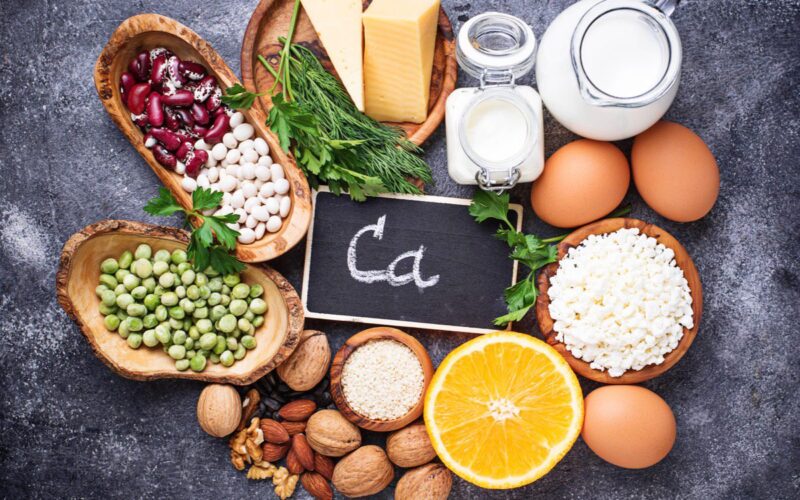
Almond milk consists of calcium, which is needed for maintaining as well as forming teeth and healthy bones.  Calcium is needed for blood clotting, relaxing muscles, and maintaining an ordinary heartbeat. The inclusion of almond milk within the diet supplies calcium to the body and benefits the healthy bone development of adults in addition to infants. It may also help in lessening the chance of fracture risk. সহজ বাংলা: হাড় দুর্বল হয়ে ভাঙার ঝুঁকি বেশি।" data-rx-term="osteoporosis" data-rx-definition="Osteoporosis means weak, fragile bones with higher fracture risk. সহজ বাংলা: হাড় দুর্বল হয়ে ভাঙার ঝুঁকি বেশি।">osteoporosis.  One serving of almond milk consists of 30% of the daily requirement of calcium, which functions together with other vitamins like vitamin D to make certain our bones last well into our old age.

11. Diabetic Benefits

Almond milk is perfect for those people who are diabetic or even who’re searching for milk that is blood sugar friendly, as a typical serving just consists of 8 grams of carbohydrates, 7 grams of which are sugar.  These sugars make up the carbohydrate content which has minimal impact on our bodies when compared with that of normal dairy milk, which contains simple sugars our bodies store as fat causing our bodies to miss out on these types of vital nutrition.  Also, almond milk has such as a low quantity of simple sugars, giving it a low glycemic nature, which suggests it is digested fully by the body as well as used for energy.

12. It keeps your digestion in check

The benefits of almond milk include healthy digestion. Whenever you drink almond milk, you are receiving a few of your daily fiber intake too. Each typical serving includes a gram of fiber, that is needed for maintaining a healthy digestive system as well as keeping you regular.

13. Anti-Cancer Properties

Scientific studies claim that the consumption of almond milk inhibits the development of LNCaP prostate cancer cells that are triggered by consuming cows’ milk. However, make sure to talk to your health specialist just before relying on alternative treating of your particular cancer.

14. Immunity System

Almond milk has got numerous nutrition as well as minerals that really help to maintain a healthy immune system. The immune system safeguards our body from germs as well as microorganisms that could result in health issues and therefore are damaging to the body. A person with poor defense mechanisms is prone to health problems as well as diseases. Consumption of almond milk might help to keep the body’s primary line of defense strong and healthy.

15. Alzheimer’s Disease Prevention

As stated previously almond milk comes complete with Vitamin D that is recognized to improve cell function as well as immunity, and also this has been specifically proven that it may assist reduce the chance of Alzheimer’s.

16. Body Building

Almond milk increases muscle power, which is ideal for bodybuilders searching for a natural method to increase muscle strength and provide them the explosive power that ‘unnatural’ products give.  It assists improve muscles because of the existence of riboflavin that is a form of Vitamin B as well as iron.  In a typical serving of almond milk benefits is 4% of the suggested everyday consumption of iron, which will help control oxygen absorption.  And a higher dose of riboflavin seems to be beneficial in preventing pain, nausea, or light sensitivity. সহজ বাংলা: বারবার হওয়া বিশেষ ধরনের মাথাব্যথা।" data-rx-term="migraine" data-rx-definition="Migraine is a recurring headache disorder often with throbbing pain, nausea, or light sensitivity. সহজ বাংলা: বারবার হওয়া বিশেষ ধরনের মাথাব্যথা।">migraine headaches.

Selecting and Storing Almond Milk

Since the calorie, fat, as well as nutrition content of almond milk, may differ with respect to the brand you select, make sure to browse the nutrition labels very carefully when searching for it. Your children are certain to love the flavored types of almond milk, but those are usually sweetened along with added sugars that could offset the other health advantages. Most brands of almond milk could be kept in a cool, dry location for up to a couple of months, however, you need to browse the label to find out whether it requires refrigeration or not. All types of almonds ought to be refrigerated right after opening. Store-bought almond milk will normally stay fresh for a couple of weeks whilst refrigerated and can degrade quickly at room temperature.

Methods of preparing Almond milk in your own Home

Makes about 2 cups of almond milk:

  • 1 cup almonds
  • 2.5 cups water
  • A pinch of cinnamon
  • A drizzle of honey or other sweeteners

Method

  1. Soak the almonds overnight; the very next day the skin ought to be very easy to remove.
  2. Now put the peeled almonds in a blender and add some water.
  3. Once the mixture has been ground to something of the pulpy paste, sieve it in a container by way of a muslin cloth.
  4. The liquid which has sieved is the consumable almond milk. You can include your optional honey or even cinnamon here to sweeten it. Store in a sealed container.

Recipe of Almond Milk

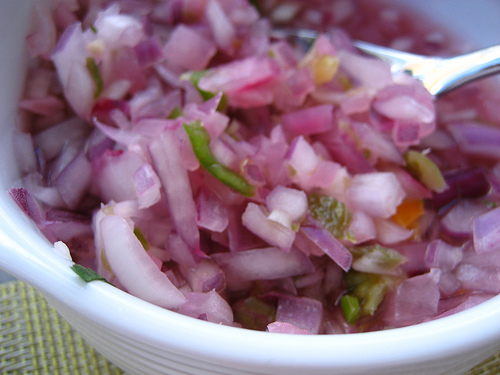
1. Onion salsa
Almond Milk - Nutritional Value, Health Benefits


Ingredients

  • 250 grams of onion
  • 2 spoonfuls of cream
  • 1 glass of almond milk
  • Salt
  • Olive oil

Directions

  1. To make this recipe you have to finely chop the onion as well as steam them with a little bit of olive oil.
  2. After five minutes, include some almond milk, salt, and cream.
  3. Last but not least, you need to simply combine all of the ingredients.

2. Raw Buckwheat Breakfast Porridge

Almond Milk - Nutritional Value, Health Benefits


Ingredients

  • 2 cups raw buckwheat groats, soaked overnight, drained and rinsed
  • 1 cup almond milk
  • ¼ cup maple syrup
  • 1 teaspoon cinnamon
  • 1 vanilla bean, seeds scraped out, or 1 teaspoon vanilla extract
  • 1 tablespoon ground flax meal
  • Pinch sea salt
  • 1/3 cup shredded, unsweetened coconut

Directions

  1. Place the buckwheat groats in the food processor as well as pulse a few times to break down. add some almond milk, maple syrup, cinnamon, vanilla bean, flax, and sea salt, and process until the mixture features a smooth consistency (however with some texture remaining).
  2. Pulse in the coconut and adjust seasonings. Divide porridge into four bowls and serve, topped along with fresh berries, chopped nuts, or sliced bananas.

3. Mango milkshake

Almond Milk - Nutritional Value, Health Benefits


Ingredients (measuring cup used, 1 cup = 250 ml)

  • 2 medium-size Alphonso mangoes
  • 2 cups of almond milk or cashew milk or cow’s milk
  • 2 teaspoon of sugar or jaggery (optional)
  • 4 small ice cubes (optional)
  • pinch of saffron (optional)
  • dry fruits like cashew, almond, pistachios to garnish (optional)

Directions

  1. wash the mangoes and peel them.
  2. chop the mango pulp into small pieces.
  3. add the mango pulp in the blender together with milk
  4. add the sugar or jaggery as per your taste and also think about the sweetness of mangoes.
  5. add saffron.
  6. you can also add ice cubes also at this stage or you can add some ice cubes whilst serving the mango shake.
  7. blend everything till smooth.
  8. add the chopped dry fruits, if you would like for garnishing.
  9. and serve the mango shake with a few saffron strands for garnish.

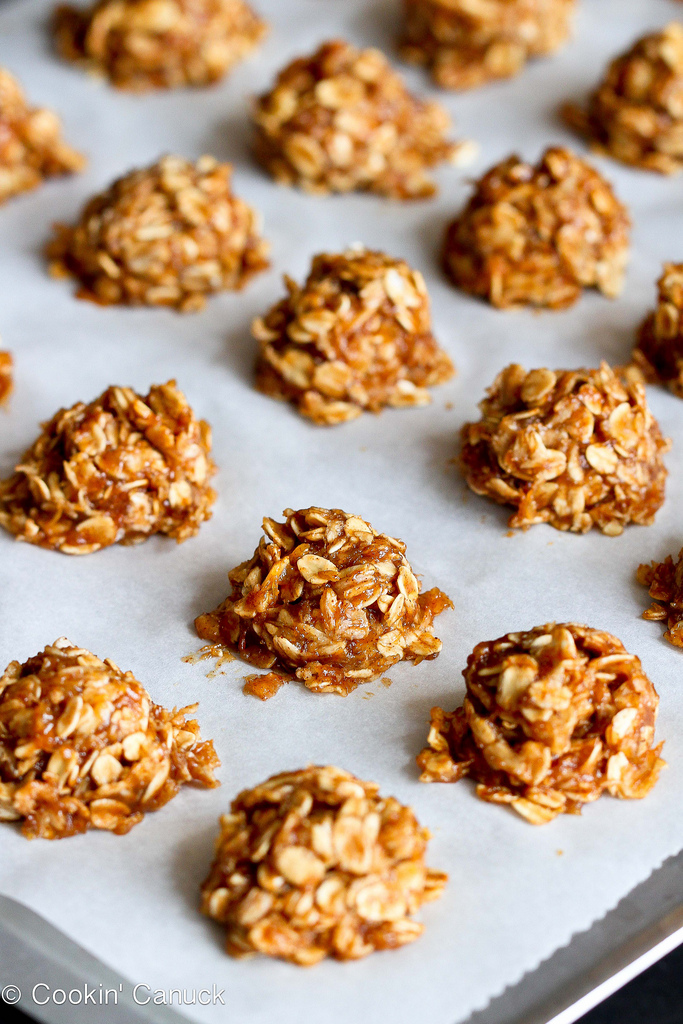
4. Healthy No-Bake Maple Cookies
Almond Milk - Nutritional Value, Health Benefits


Ingredients

  • 1 ripe banana, mashed well
  • ½ cup + 2 tbsp almond milk
  • ½ cup almond butter
  • ¼ cup + 2 tbsp pure maple syrup
  • ? tsp salt
  • 2½ cups old-fashioned oats
  • 1 tsp pure vanilla extract

Directions

  1. In a medium saucepan, mix the mashed banana, almond milk, almond butter, maple syrup, and salt. Heat over medium heat.
  2. Bring the mixture to a boil, stirring regularly.
  3. Cook till the mixture thickens (if utilizing a candy thermometer, the temperature should reach about 200 degrees F), about 10 minutes.
  4. Stir within the oats and vanilla extract.
  5. Drop the mix by tablespoonfuls onto a baking sheet lined with waxed or parchment paper.
  6. Let cool to room temperature. Serve.

Side effects of almond milk

Not even almond milk can be viewed as an ideal food. It’s particular warnings and negative effects that you ought to consider prior to making it an everyday part of your daily diet.

1. Negative impact on the thyroid

Almonds really are a goitrogenic food which suggests they include natural chemicals that could stop your body from correctly absorbing and taking advantage of iodine within the body. This could have a negative effect on the thyroid.

Foods just like soy, cabbage, linseed, broccoli, and almonds make the thyroid expand. To eat too much of these foods, the chemical products found in these foods can obstruct the iodine and result in the formation of tumors.

While goitrogens are damaging to your health in big amounts, they are able to really be excellent for the human immune system. However, in case you have an under-active thyroid, you will need to ensure that you don’t eat too many of these foods in huge amounts. Those who have a low-functioning thyroid should certainly prevent almond milk. In case you have a healthy functioning thyroid, on the other hand, consuming almond milk moderately every day will truly don’t have any unwanted effects on this gland.

2. Don’t let babies drink it

Utilizing soy or even almond milk instead of cow’s milk in the baby bottle is frequently a high-risk replacement. Almond milk simply doesn’t give a baby the nutrition she or he requires. In case you go for almond milk instead of breast milk or baby formula, the baby will probably experience malnutrition and may even have health conditions that last the rest of their lives.

Even from time to time utilizing almond milk rather than breast milk or even formula could be dangerous. Studies in the American College of Nutrition have discovered that babies that drink almond milk develop autoimmune thyroid disease. Those chemical substances that produce goiter add up much more within the body of the baby than the body of the full-grown adult. That’s why you need to prevent almond milk even in moderation as an infant.

3. Too much sugar

Just about the most obvious problem with almond milk is it features a great deal of sugar. Although almond milk doesn’t naturally have got sugar, most manufacturers add sugar to enhance the taste of the milk.

Most options on the current market have about 20 grams of sugar per serving. Fortunately, now there are almond milk brands without any sugar and less than 1 gram of carbohydrates on sale. That’s the reason it is usually essential to look at the label to ensure that you know what you’re drinking.

References
Patient safety assistant

Check your symptom safely

Hi, I am RX Symptom Navigator. I can help you understand what to read next and what warning signs need care.
Warning: Do not use this in emergencies, pregnancy, severe illness, or as a substitute for a doctor. For children or teens, use with a parent/guardian and clinician.
A rural-friendly guide: warning signs, when to see a doctor, related articles, tests to discuss, and OTC safety education.
1 Symptom 2 Severity 3 Safe guidance
First safety question

Is there chest pain, breathing trouble, fainting, confusion, severe bleeding, stroke-like weakness, severe injury, or pregnancy danger sign?

Choose quickly

Browse by body area
Start here: Write or select a symptom. The guide will show warning signs, doctor guidance, diagnostic tests to discuss, OTC safety education, and related RX articles.

Important: This tool is educational only. It cannot diagnose, treat, or replace a doctor. OTC information is not a prescription. In an emergency, contact local emergency services or go to the nearest hospital.

Doctor visit helper

Prepare before seeing a doctor

A simple rural-patient checklist to help you explain symptoms clearly, ask better questions, and avoid unsafe self-treatment.

Safety note: This is not a prescription or diagnosis. For severe symptoms, pregnancy danger signs, children with serious illness, chest pain, breathing difficulty, stroke-like weakness, or major injury, seek urgent care.

Which doctor may help?

Start with a registered doctor or the nearest qualified health center.

What to tell the doctor

  • Write when the problem started and how it changed.
  • Bring old prescriptions, investigation reports, and current medicines.
  • Write allergies, pregnancy status, diabetes, kidney/liver disease, and major past illnesses.
  • Bring one family member if the patient is weak, elderly, confused, or a child.

Questions to ask

  • What is the most likely cause of my symptoms?
  • Which danger signs mean I should go to hospital quickly?
  • Which tests are necessary now, and which can wait?
  • How should I take medicines safely and what side effects should I watch for?
  • When should I come for follow-up?

Tests to discuss

  • Vital signs: temperature, pulse, blood pressure, oxygen saturation
  • Basic physical examination by a clinician
  • CBC, urine test, blood sugar, or imaging only when clinically needed

Avoid these mistakes

  • Do not use antibiotics, steroid tablets/injections, or strong painkillers without proper medical advice.
  • Do not hide pregnancy, kidney disease, ulcer, allergy, or blood thinner use.
  • Do not delay emergency care when danger signs are present.

Medicine safety and first-aid guide

This section is for patient education only. It does not replace a doctor, pharmacist, or emergency care.

Safe first steps

  • Avoid heavy lifting, sudden bending, and prolonged bed rest.
  • Use comfortable posture and gentle movement as tolerated.
  • Discuss physiotherapy, X-ray, or MRI only when clinically needed.

OTC medicine safety

  • For mild back pain, pain-relief medicine may be discussed with a doctor or pharmacist.
  • Avoid repeated painkiller use if you have kidney disease, stomach ulcer, uncontrolled blood pressure, or are taking blood thinners.

Avoid these mistakes

  • Do not start antibiotics without a proper medical decision.
  • Do not use steroid tablets or injections casually for quick relief.
  • Do not delay emergency care because of home remedies.

Get urgent help if

  • Back pain with leg weakness, numbness around private area, loss of urine/stool control, fever, cancer history, or major injury needs urgent care.
Medicine names, dose, and timing must be decided by a qualified clinician or pharmacist after checking age, pregnancy, allergy, other diseases, and current medicines.

For rural patients and family caregivers

Patient health record and symptom diary

Write your symptoms, medicines already taken, test results, and questions before visiting a doctor. This note stays on your device unless you print or copy it.

Doctor to discuss: Doctor / qualified healthcare provider
Tests to discuss with doctor
  • Basic vital signs: temperature, pulse, blood pressure, oxygen level if needed
  • Relevant blood, urine, imaging, or specialist tests only after clinical assessment
Questions to ask
  • What is the most likely cause of my symptoms?
  • Which warning signs mean I should go to emergency care?
  • Which tests are really needed now?
  • Which medicines are safe for my age, pregnancy status, allergy, kidney/liver/stomach condition, and current medicines?

Emergency warning signs such as chest pain, severe breathing difficulty, sudden weakness, confusion, severe dehydration, major injury, or loss of bladder/bowel control need urgent medical care. Do not wait for online information.

Safe pathway to proper treatment

Back pain care roadmap

Use this simple roadmap to understand the next safe steps. It is educational and does not replace examination by a doctor.

Go to emergency care if you notice:
  • New leg weakness, numbness around private area, or loss of bladder/bowel control
  • Back pain after major injury, fever, unexplained weight loss, cancer history, or severe night pain
Doctor / service to discuss: Orthopedic/spine specialist, physical medicine doctor, physiotherapist under guidance, or qualified clinician.
  1. Step 1

    Check danger signs first

    If danger signs are present, seek emergency care and do not wait for online information.

  2. Step 2

    Record the symptom story

    Write when symptoms started, severity, medicines already taken, allergies, pregnancy status, and test results.

  3. Step 3

    Visit a qualified clinician

    A doctor, nurse, or qualified healthcare provider can examine you and decide which tests or treatment are needed.

  4. Step 4

    Do only useful tests

    Discuss neurological examination first. X-ray or MRI may be needed only when red flags, injury, nerve weakness, or persistent severe symptoms are present.

  5. Step 5

    Follow up and return early if worse

    If symptoms worsen, new warning signs appear, or treatment is not helping, return for review quickly.

Rural patient practical tips
  • Take a written symptom diary and all previous prescriptions/test reports.
  • Do not hide medicines already taken, even herbal or over-the-counter medicines.
  • Ask which warning signs mean urgent referral to hospital.
  • Avoid forceful massage or bone-setting when there is weakness, injury, fever, or nerve symptoms.

This roadmap is for education. A real diagnosis and treatment plan requires history, examination, and clinical judgment.

RX Patient Help

Ask a health question safely

Write your symptom story. A health professional or site editor can review it before any answer is prepared. This box is not for emergency care.

Emergency first: Severe chest pain, breathing trouble, unconsciousness, stroke signs, severe injury, heavy bleeding, or rapidly worsening symptoms need urgent local medical care now.

Frequently Asked Questions

Is this article a replacement for a doctor?

No. It is educational content only. Patients should consult a qualified clinician for diagnosis and treatment.

When should I seek urgent care?

Seek urgent care for severe symptoms, rapidly worsening condition, breathing difficulty, severe pain, neurological changes, or any emergency warning sign.

References

Add references, clinical guidelines, textbooks, journal articles, or trusted medical sources here. You can edit this area from the RX Article Professional Blocks panel.