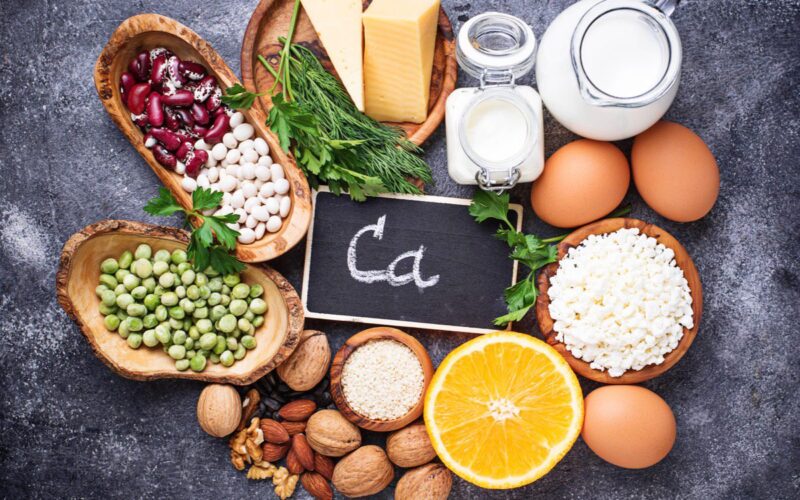
What does pantothenic acid do for your body?/Pantothenic Acid is a water-soluble vitamin ubiquitously found in plants and animal tissues with antioxidant properties. Vitamin B5 is a component of coenzyme A (CoA) and a part of the vitamin B2 complex. Vitamin B5 is a growth factor and is essential for various metabolic functions, including the metabolism of carbohydrates, proteins, and fatty acids. This vitamin is also involved in the synthesis of cholesterol, lipids, neurotransmitters, steroid hormones, and hemoglobin.
Vitamin B5 or Pantothenic acid is a water-soluble vitamin. Pantothenic acid is an essential nutrient. Animals require pantothenic acid in order to synthesize coenzyme-A (CoA), as well as to synthesize and metabolize proteins, carbohydrates, and fats. The anion is called pantothenate. Pantothenic acid is the amide between pantoic acid and β-alanine. Its name derives from the Greek pantothen, meaning from everywhere, and small quantities of pantothenic acid are found in nearly every food, with high amounts in fortified whole-grain cereals, egg yolks, liver, and dried mushrooms. It is commonly found as its alcohol analog, the provitamin panthenol (pantothenol), and calcium pantothenate.
Deficiency Symptoms of Pantothenic Acid / Vitamin B5
Pantothenic acid deficiency has only been observed in individuals who were fed diets virtually devoid of pantothenic acid or who were given a pantothenic acid metabolic antagonist, omega-methyl pantothenic acid. The subjects exhibited various degrees of signs and symptoms, including irritability and restlessness; fatigue; apathy; malaise; sleep disturbances; gastrointestinal complaints such as nausea, vomiting, and abdominal cramps; neurobiological symptoms such as numbness, paresthesias, muscle cramps, and staggering gait; and hypoglycemia and increased sensitivity to insulin.
Symptoms of a vitamin B5 deficiency may include
- Fatigue
- Depression
- Irritability
- Insomnia
- Stomach pains
- Tiredness
- Apathy
- Depression
- Sleep disorders
- Nausea -vomiting
- Numbness
- Muscle cramps
- Hypoglycemia
- Burning feet
- Vomiting
- Upper respiratory infections
- Muscle cramps
Recommended Intakes of Vitamin B5
Intake recommendations for pantothenic acid and other nutrients are provided in the Dietary Reference Intakes (DRIs) developed by the Food and Nutrition Board (FNB) at the National Academies of Sciences, Engineering, and Medicine. DRI is the general term for a set of reference values used for planning and assessing nutrient intakes of healthy people. These values, which vary by age and sex, include:
- Recommended Dietary Allowance (RDA) – Average daily level of intake sufficient to meet the nutrient requirements of nearly all (97%–98%) healthy individuals; often used to plan nutritionally adequate diets for individuals.
- Adequate Intake (AI) – Intake at this level is assumed to ensure nutritional adequacy; established when evidence is insufficient to develop an RDA.
- Estimated Average Requirement (EAR) – Average daily level of intake estimated to meet the requirements of 50% of healthy individuals; usually used to assess the nutrient intakes of groups of people and to plan nutritionally adequate diets for them; can also be used to assess the nutrient intakes of individuals.
- Tolerable Upper Intake Level (UL) – Maximum daily intake unlikely to cause adverse health effects.
When the FNB evaluated the available data, it found the data insufficient to derive an EAR for pantothenic acid. Consequently, the FNB established AIs for all ages based on usual pantothenic acid intakes in healthy populations.
[stextbox id=’custom’]
| Age | Male | Female | Pregnancy | Lactation |
|---|---|---|---|---|
| Birth to 6 months | 1.7 mg | 1.7 mg | ||
| 7–12 months | 1.8 mg | 1.8 mg | ||
| 1–3 years | 2 mg | 2 mg | ||
| 4–8 years | 3 mg | 3 mg | ||
| 9–13 years | 4 mg | 4 mg | ||
| 14–18 years | 5 mg | 5 mg | 6 mg | 7 mg |
| 19+ years | 5 mg | 5 mg | 6 mg | 7 mg |
Dietary Reference Intakes for Pantothenic Acid by Life Stage Group (mg/day)
| Adequate Intake | |
|---|---|
| Life Stage Group | |
| 0-6 mo | 1.7 |
| 7-12 mo | 1.8 |
| 1-3 yr | 2 |
| 4-8 yr | 3 |
| 9-13 yr | 4 |
| 14-18 yr | 5 |
| 19-30 yr | 5 |
| 31-50 yr | 5 |
| 51-70 yr | 5 |
| > 70 yr | 5 |
| Pregnancy | |
| < or = 18 yr | 6 |
| 19-50 yr | 6 |
| Lactation | |
| < or = 18 yr | 7 |
| 19-50 yr | 7 |
[/stextbox]
Food Source of Pantothenic Acid / Vitamin B5
Several food sources of pantothenic acid are listed bellow
| Food | Milligrams (mg) per serving |
Percent DV* |
|---|---|---|
| Breakfast cereals, fortified with 100% of the DV | 10 | 100 |
| Beef liver, boiled, 3 ounces | 8.3 | 83 |
| Shitake mushrooms, cooked, ½ cup pieces | 2.6 | 26 |
| Sunflower seeds, ¼ cup | 2.4 | 24 |
| Chicken, breast meat, skinless, roasted, 3 ounces | 1.3 | 13 |
| Tuna, fresh, bluefin, cooked, 3 ounces | 1.2 | 12 |
| Avocados, raw, ½ avocado | 1.0 | 10 |
| Milk, 2% milkfat, 1 cup | 0.9 | 9 |
| Mushrooms, white, stir-fried, ½ cup sliced | 0.8 | 8 |
| Potatoes, russet, flesh, and skin, baked, 1 medium | 0.7 | 7 |
| Egg, hard-boiled, 1 large | 0.7 | 7 |
| Greek yogurt, vanilla, nonfat, 5.3-ounce container | 0.6 | 6 |
| Ground beef, 85% lean meat, broiled, 3 ounces | 0.6 | 6 |
| Peanuts, roasted in oil, ¼ cup | 0.5 | 5 |
| Broccoli, boiled, ½ cup | 0.5 | 5 |
| Whole-wheat pita, 1 large | 0.5 | 5 |
| Chickpeas, canned, ½ cup | 0.4 | 4 |
| Rice, brown, medium-grain, cooked, ½ cup | 0.4 | 4 |
| Oats, regular and quick, cooked with water, ½ cup | 0.4 | 4 |
| Cheese, cheddar, 1.5 ounces | 0.2 | 2 |
| Carrots, chopped, raw, ½ cup | 0.2 | 2 |
| Cabbage, boiled, ½ cup | 0.1 | 1 |
| Clementine, raw, 1 clementine | 0.1 | 1 |
| Tomatoes, raw, chopped or sliced, ½ cup | 0.1 | 1 |
| Cherry tomatoes, raw, ½ cup | 0 | 0 |
| Apple, raw, slices, ½ cup | 0 | 0 |
*DV = Daily Value. DVs were developed by the U.S. Food and Drug Administration (FDA) to help consumers compare the nutrient contents of products within the context of a total diet. The DV for the values in Table 2 is 10 mg for adults and children age 4 years and older. This value, however, decreases to 5 mg when the updated Nutrition and Supplement Facts labels are implemented. The updated labels must appear on food products and dietary supplements beginning in January 2020, but they can be used now. The FDA does not require food labels to list pantothenic acid content unless a food has been fortified with this nutrient. Foods providing 20% or more of the DV are considered to be high sources of a nutrient.
The U.S. Department of Agriculture’s (USDA’s) National Nutrient Database for Standard Reference website lists the nutrient content of many foods and provides a comprehensive list of foods containing pantothenic acid arranged by pantothenic acid content and by food name.
Health Benefit of Pantothenic Acid / Vitamin B5
- Pantothenic acid – has been used for a wide range of disorders such as acne, alopecia, allergies, burning feet, asthma, grey hair, dandruff, cholesterol-lowering, improving exercise performance, depression, osteoarthritis, rheumatoid arthritis, multiple sclerosis, stress, shingles, aging and Parkinson’s disease. It has been investigated in clinical trials for arthritis, cholesterol-lowering and exercise performance.[Mason P; Dietary Supplements,
- The topical application of pantothenate – is widely used in clinical practice for wound healing.
- Pantothenic acid deficiency – Taking pantothenic acid by mouth prevents and treats pantothenic acid deficiency.
- Skin reactions from radiation therapy – Applying dexpanthenol, a chemical similar to pantothenic acid, to areas of irritated skin does not seem to help treat skin reactions from radiation therapy.
- Some research suggests that taking pantothenic acid in combination with pantethine and thiamine does not improve muscular strength or endurance in well-trained athletes.
- There is conflicting evidence regarding the usefulness of pantothenic acid in combination with large doses of other vitamins for the treatment of ADHD.
- Early research suggests that taking dexpanthenol, a chemical similar to pantothenic acid, by mouth daily or receiving dexpanthenol shots can help treat constipation.
- Early research suggests that using specific eye drops (Siccaprotect) containing dexpanthenol, a chemical similar to pantothenic acid, does not improve most symptoms of dry eyes.
- Some evidence suggests that applying gel or drops containing dexpanthenol, a chemical similar to pantothenic acid, reduces some symptoms of eye trauma. However, not all research is consistent.
- Early research suggests that pantothenic acid (given as calcium pantothenate) does not reduce symptoms of osteoarthritis.
- There is inconsistent evidence on the potential benefits of taking pantothenic acid after surgery. Taking pantothenic acid or dexpanthenol, a chemical similar to pantothenic acid, does not seem to improve bowel function after stomach surgery. However, taking dexpanthenol by mouth might reduce other symptoms after surgery, such as sore throat.
- Developing research suggests that pantothenic acid (given as calcium pantothenate) does not reduce the symptoms of arthritis in people with rheumatoid arthritis.
- Early research suggests that using a specific spray (Nasicur) that contains dexpanthenol, a chemical similar to pantothenic acid, helps relieve nasal dryness.
- Early research suggests that using a nasal spray containing dexpanthenol, a chemical similar to pantothenic acid, after sinus surgery reduces discharge from the nose, but not other symptoms.
- Research on the effects of pantothenic acid for preventing skin irritations is not consistent. Some early research suggests that a specific product (Bepanthol Handbalsam) containing dexpanthenol, a chemical similar to pantothenic acid, does not prevent skin irritation when applied to the skin. However, other research suggests that dexpanthenol ointment can prevent skin irritation.
- Early research suggests that using a specific ointment (Hepathrombin-50,000-Salbe Adenylchemie) containing dexpanthenol, a chemical similar to pantothenic acid, as well as heparin and allantoin reduces swelling related to ankle sprains.
- Alcoholism.
- Allergies.
- Hair loss.
- Asthma.
- Heart problems.
- Carpal tunnel syndrome.
- Lung disorders.
- Colitis.
- Eye infections (conjunctivitis).
- Convulsions.
- Kidney disorders.
- Dandruff.
- Depression.
- Diabetic problems.
- Enhancing immune function.
- Headache.
- Hyperactivity.
- Low blood pressure.
- Inability to sleep (insomnia).
- Irritability.
- Multiple sclerosis.
- Muscular dystrophy.
- Muscle cramps.
References
- https://pubchem.ncbi.nlm.nih.gov/compound/Pantothenic-acid
- https://en.wikipedia.org/wiki/Pantothenic_acid
- https://efsa.onlinelibrary.wiley.com/doi/abs/10.2903/j.efsa.2011.2409
- http://www.chemicalland21.com/lifescience/foco/CALCIUM%20PANTOTHENATE.htm
- https://ods.od.nih.gov/factsheets/PantothenicAcid-HealthProfessional/
- https://www.webmd.com/vitamins/ai/ingredientmono-853/pantothenic-acid-vitamin-b5
- https://ndb.nal.usda.gov/ndb/nutrients/report?
- https://www.medicalnewstoday.com/articles/219601.php
- https://en.wikipedia.org/wiki/Journal_of_Biological_Chemistry