
RX Patient Tools
Use these quick guides before reading the article, or return to them when you need help preparing questions for a doctor.
Diospyros nigra, the black sapote, is a species of persimmon. Common names include chocolate pudding fruit, black soap apple, and (in Portuguese) zapote prieto. The tropical fruit tree is native to Mexico, Central America, and Colombia. The common name sapote refers to any soft, edible fruit. Black sapote is not related to white sapote or mamey sapote.
Mature trees can grow to over 25 m (82 ft) in height and are evergreen. It is frost sensitive but can tolerate light frosts. The leaves are elliptic-oblong, tapered at both ends, dark green, glossy, and 10–30 cm (3.9–11.8 in) long. Some trees bear only male flowers. Others have both male and female flowers, though some of these are self-incompatible.[rx][rx] Fruiting takes about 3–4 years from seed and the trees are heavy bearers.
| Black Sapote Quick Facts | |
|---|---|
| Name: | Black Sapote |
| Scientific Name: | Diospyros digyna |
| Origin | South America |
| Colors | Bright green to yellowish-green and shiny at first, turning to dull olive-green to muddy-green as mature |
| Shapes | Tomato-like and measure 5–10 cm (2.0–3.9 in) in diameter, with an inedible skin |
| Flesh colors | White in immature fruit and turns very dark-brown to almost black as they mature |
| Taste | Sweet like custard, nut-like flavor |
| Health benefits | Strengthen Immune System, Kidney Health, Weight Loss, Improve Digestion, Ensures Eye Health, Control Blood Pressure, Anti-Aging, Bone Strength, Balance Electrolyte, Hormone Balancing, Prevent Constipation |
Black sapote scientifically known as Diospyros digyna is a delicious tasting fruit that is native along both coasts of Mexico from Jalisco to Chiapas, Veracruz, and Yucatan and in the forested lowlands of Central America, and it is frequently cultivated throughout this range. Commonly known as Chocolate Pudding Fruit this amazing fruit is low in fat and an excellent source of Vitamin C containing about 4 times as much as an orange. The black sapote is a member of the Ebenaceae (Ebony family). Other popular common names of the plant are Axle Grease Plant, Black Apple, Black Persimmon, Chocolate Persimmon, Chocolate Pudding Fruit, Chocolate Pudding Tree, Sapote Negro, Axle Grease Plant, zapote prieto, Caca-poule, Ebano, Guayabote, Mueque, Tauch, Zapote negro, barbaquois and ebenholzbaum. Fruits of the Black Sapote can be eaten fresh (without the skin), used to make ice cream or mixed in fruit juices.
Plant Description
Black Sapote is a handsome, broad-topped, slow-growing, perennial evergreen tree that grows up to 80 ft. (25 m) in height with a trunk diameter of up to 30 in (75 cm) with a furrowed trunk and black bark. The trees can grow on a range of soil types but thrive on moist sandy loam, on well-drained sand or calcareous soil or oolitic limestone with very little top soil. The tree grows fairly slowly for the first 3–4 years, perhaps just 30 centimeters per year for the first couple of years. Later it grows much more rapidly. Trees should be spaced 8-10m apart. Leaves are evergreen, alternate, elliptic-oblong to oblong-lanceolate, tapered at both ends or rounded at the base and bluntly acute at the apex, are leathery, glossy, 4 to 12 in (10-30 cm) long.
Flower & Fruit
Black sapote is usually dioecious, meaning that some trees produce only male flowers and no fruit and other trees produce female or bisexual flowers and fruit. Some trees may produce both male and female (or bisexual) flowers on the same tree. The flowers, borne singly or in groups of 3 to 7 in the leaf axils, are tubular, lobed, white, 3/8 to 5/8 in (1-1.6 cm) wide, with persistent green calyx. Fruit are tomato-like and measure 5–10 cm (2.0–3.9 in) in diameter, with an inedible skin that is bright-green and shiny at first turning to dull olive-green to muddy-green when ripe. The pulp is white in immature fruit and turns very dark-brown to almost black, soft, and somewhat sweetish in flavor when ripe. In the center, there maybe 1 to 10 flat, smooth, brown seeds, that are 3/4 to 1 in (2-2.5 cm) long, but the fruits are often seedless.
History
Black Sapotes are native to the southern region of Mexico and can be found growing on the east coast in Jalisco and can be found all the way to the west coast in Yucatan. The fruit was supposed to have come to Mexico from Spain in the late 17th century and then to the Philippines in the late 18th century. The fruit can now be found in Hawaii, Cuba, and Puerto Rico and on the small island of Mauritius off the coast of Africa. Black Sapote trees can be grown in the United States, in Florida. Black Sapote doesn’t grow well in California, mostly because the temperatures are too low. The tropical winter weather is ideal for the Black Sapote; as a result, it is one of the few fruits available during the winter months in subtropical and tropical regions.
Health benefits of Black Sapote
Black sapote also called a dessert fruit plays a vital role to benefit overall health due to the fiber, vitamin, and potassium content. One cup of black sapote provides 142 calories, 2.6 g protein, 0.8 g fat, 34 g carbohydrate, 360 mg potassium, 22 mg Vitamin C and 420 IU Vitamin A. Listed below are few of the popular health benefits of Black sapote
1. Strengthen Immune System
Black sapote consists of copious amounts of vitamin C which helps the body in fighting harmful foreign toxins and also helps in keeping the body protected from potential diseases. Additionally, it enhances body metabolism.
2. Kidney Health
Potassium found abundantly in the black sapote is extremely beneficial for increasing the stimulation of kidneys. Also, it prevents stones from developing the kidneys. The high content of other minerals and antioxidants recover the overall functioning of the kidneys.
3. Weight Loss
Black Sapote fruit consists of an ample amount of carotenoids and catechins, which work to release the fat and convert it into energy. It is also low in fat and helps delay hunger. Complex carbohydrates give long-term satiety it take a longer time to digest. Hence, it is good for a weight loss treatment.
4. Improve Digestion
The fruit consists of a wonderful amount of dietary fiber. Thus, it helps to improve digestion by enhancing fast digestion and absorbing only important nutrients. It avoids the body to gain unnecessary weight. Additionally, it maintains peristaltic movement and improves the work of the intestine.
5. Ensures Eye Health
Vitamin A has long been credited with the development of new cells and in overall healthy cell growth. It is also considered to be very beneficial for the health of sight. Being enriched with vitamin A, black sapote is a great fruit that provides a natural supply of plentiful vitamin A. Black sapote is the chief source of vitamin A thus ensuring eye health and improved vision.
6. Control Blood Pressure
Black sapote fruit helps to preserve blood pressure. It decreases high blood stress as well as high blood pressure. You could have this fruit daily to control the high blood pressure. Its potassium as well as iron assistance to maintain blood stress. You can have this fruit along with your blood pressure control medicine.
7. Anti-Aging
The capability of an anti-oxidant makes this fruit also works as an anti-aging. It makes the body look younger and relief the stressed mind. The anti-oxidant capability also can give protection from the disease-related with early aging. It stimulates collagen to bring a healthy skin texture.
8. Bone Strength
Black sapote fruit consists of calcium, phosphorus, iron, potassium. These minerals help to strengthen the bone. This may avoid fracture on the bone and add the mass density of the bone. Thus, it is a good way to improve a healthy bone.
9. Balance Electrolyte
As mentioned before Black Sapote is a good source of potassium. A human being requires 100 mg of potassium daily and Black Sapote consists of 350 mg of potassium. This property of the fruit builds muscles, maintains the fluid-electrolyte balance and the heart’s electrical activity. It helps to control blood pressure, kidney problems as well as other issues.
10. Hormone Balancing
Due to the presence of many nutrients, black sapote helps keep the nerves calm and lowers down the level of stress and depression. Because elevated stress mostly causes hormone imbalance, consumption of black sapote can prove beneficial in hormone regulation.
11. Prevent Constipation
Black sapote has the capability to improve digestion also can help to prevent constipation. It works as a laxative and decreases the acid inside the stomach. Therefore, it helps to reduce nausea feeling and control the stomach to avoid heartburn.
Traditional uses and benefits of Black Sapote
- Crushed bark and leaves have been applied as a blistering poultice in the Philippines.
- Leaf decoction was used as an astringent and was taken internally as a febrifuge in Yucatan.
- Various preparations were used against leprosy, ringworm, and itching skin conditions.
Culinary Uses
- Fruits are best picked and eaten when fully ripe, the pulp becomes soft and pudding-like at this stage.
- Pulp is eaten fresh with lemon or orange juice, or in pastry creams, or used in desserts and beverages.
- Popular desserts include Black sapote mousse, cakes, cheesecakes, bavarois, custards, stuffing for pies and pastry, black sapote torte, black sapote topping (pulp, icing sugar, rum, or brandy), or serving it as a sauce with papaya and ice cream.
- One popular dessert is “Black Sapote Fairy Queen Boat” which includes black sapote topping, ice cream, mixed fruit, and sherry or port.
- Pulp is served as dessert with a little milk or orange juice poured over it in the Philippines.
- The pulp can be blended, filtered, and mixed with orange juice or brandy, and then served with or without whipped cream, or the pulp is mixed with wine, cinnamon, and sugar and served as dessert in Mexico.
- The pulp can be fermented to make a brandy-like liqueur as in Central America or blended with pineapple juice to give a foamy, delicious beverage.
- Immature fruits can also be eaten as vegetables when boiled.
How to Consume Black Sapote
Black sapote can be consumed in numerous ways. Therefore, we can gain the health benefit of black sapote easily. The lists below are some ways to consume black sapote.
1. Direct Consumed
The fastest and easiest way to consume it is by directly eating the ripe fruit. Since it tastes like a chocolate pudding, thus many peoples prefer to consume it without adding anything. Make sure not to consume the unripe fruit, since it is bitter and irritating.
2. Ice Cream
It is good news that black sapote can be produced as ice cream. Hence, it is a fun way to get the health benefits of black sapote.
3. Juice
Another alternative to consuming black sapote is by blending it as a juice. For additional flavor, you can add some milk.
4. Dessert
The most common way to consume black sapote is by making it as a dessert. There are several dessert recipes that contain black sapote as its ingredients namely pudding, cakes, mousse, or smoothie.
Other Facts
- Unripe fruits are very astringent and are sometimes used as a fish poison.
- Wood is yellowish to deep-yellow with black markings near the heart of old trunks; compact and suitable for cabinetwork but little used.
Side Effects of Black Sapote
Black sapote, like any other fruit, also has side effects. Thus, people shall be aware of these side effects before consuming the fruit. Below are some side effects of black sapote:
1. Allergic
Some people who tend to get allergies to something shall be careful when consuming this fruit. Since it can bring allergic reactions such as rash, itchiness, or even nausea. In case you feel those signs after consuming the fruit, it is better to stop consuming.
2. Interfere medicine
Consuming the fruit might affect the medicine. Thus, people under medical treatment shall avoid consuming this fruit. Since it can reduce the effectiveness of the medicine.
3. Increase sugar level
Fruit is having a sweet taste and is a complex carbohydrate. Therefore, there is a possibility that it can increase the sugar level inside the blood. Therefore, diabetic patients better avoid consuming this fruit.
Black Sapote Recipes
Black Sapote Mousse
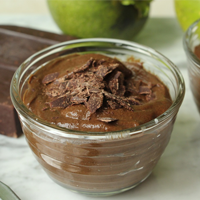
Ingredients
- Black sapote pulp – 1 cup
- Vanilla flavoring extract – 1 teaspoon
- Powdered sugar – 3 tablespoons
- Whipped cream – 1/2 cup
Directions
- Blend black sapote pulp, sugar, and vanilla extract together.
- Fold in whipped cream and serve chill, do not freeze.
Black Sapote Cake
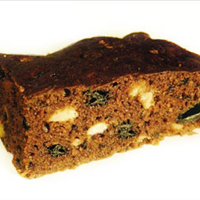
Ingredients
- Black sapote pulp – 2 cups
- Vanilla extract – 1 teaspoon
- Margarine – 1/2 cup
- Cinnamon – 2 teaspoons
- Honey – 1 cup
- Eggs – 3
- Baking soda -1/2 teaspoon
- Baking powder – 1/4 teaspoon
- All-purpose flour – 2 cups
Directions
- Mix margarine and honey gradually. Add egg yolks and black sapote pulp.
- Combine the dry ingredients. In a separate bowl, beat the egg whites and add vanilla extract.
- Fold in the mixture to the margarine mix. Preheat, the oven to 350 degrees F. Pour the mix into the baking pan and bake for 45 minutes.
Black Sapote Bread

Ingredients
- 1 ripe black sapote
- ½ stick of butter, melted (equal to ½ cup)
- 1 egg, beaten
- 2 teaspoons vanilla extract
- 1 teaspoon baking soda
- pinch of salt
- 1½ cups of all-purpose flour
- ¾ cup sugar
Directions
- Cut the black sapote in half. Using a spoon, scoop out the soft fruit into a medium sized bowl and remove the seeds.
- Add the melted butter to the black sapote and mash together with a fork.
- Next, stir in the sugar, vanilla, and egg.
- In a separate bowl, mix together the flour, baking soda, and salt. Then pour it into the bowl with the black sapote and mix together with a fork until it’s well blended.
- Pour into a greased bread pan and bake at 350 degrees for one hour. (You can use one regular sized bread pan or two mini bread pans.)
- Let it cool, then enjoy!
References
- https://www.ncbi.nlm.nih.gov/pmc/articles/PMC3649719/
- https://www.ncbi.nlm.nih.gov/pmc/articles/PMC6315720/
- https://www.ncbi.nlm.nih.gov/pmc/articles/PMC3419346/
- https://www.ncbi.nlm.nih.gov/books/NBK11795/
- https://www.ncbi.nlm.nih.gov/pmc/articles/PMC5291486/
- https://fruits.edpsciences.org/articles/fruits/abs/2012/05/fruits120033/fruits120033.html
- http://www.fao.org/3/cb2395en/CB2395EN.pdf
- https://www.fao.org/in-action/inpho/crop-compendium/fruits-vegetables/en/
- https://www.fao.org/3/cb2395en/online/src/html/fruit-and-vegetables.html
- http://www.fao.org/3/cb2395en/CB2395EN.pdf
- https://en.wikipedia.org/wiki/Fruit
- https://en.wikipedia.org/wiki/List_of_food_plants_native_to_the_Americas
- https://en.wikipedia.org/wiki/List_of_culinary_fruits
- https://www.hsph.harvard.edu/nutritionsource/what-should-you-eat/vegetables-and-fruits/
- https://www.betterhealth.vic.gov.au/health/healthyliving/fruit-and-vegetables
- https://www.cdc.gov/healthyweight/healthy_eating/fruits_vegetables.html
- https://www.botanical-online.com/en/botany/fruits-types-characteristics
- https://www.fda.gov/food/laboratory-methods-food/mpm-v-9-fruits-and-fruit-products-v-51-v-78
- https://www.fda.gov/food/food-labeling-nutrition/nutrition-information-raw-fruits-vegetables-and-fish
- https://onlinelibrary.wiley.com/doi/abs/10.1111/mcn.12208
- http://news.discovery.com/earth/
- https://www.cabi.org/isc/datasheet/
- https://www.science.org/
- https://plants.ces.ncsu.edu/plants/
- https://www.sciencedirect.com/topics/agricultural-and-biological-sciences/fruit-vegetable
- https://www.researchgate.net/publication/
- https://www.ams.usda.gov/grades-standards/fruits
- https://www.aphis.usda.gov/aphis/resources/traveler/intl-travel/fruits-vegetables/fruits-vegetables
- https://snaped.fns.usda.gov/seasonal-produce-guide
- https://www.nass.usda.gov/Publications/Highlights/2015/FruitsNutsBerries_AgCensusHighlights.pdf
- https://plants.usda.gov/home/plantProfile?
- https://www.fs.fed.us/wildflowers/ethnobotany/food/nuts.shtml
- https://downloads.usda.library.cornell.edu/usda-esmis/files/zs25x846c/sf269213r/6t054c23t/ncit0521.pdf
- https://agr.wa.gov/departments/business-and-marketing-support/farm-to-school-toolkit/
- https://health.gov/sites/default/files/2020-01/DGA2000.pdf
- https://www.farmers.gov/archived/cfap2/specialty
- https://www.hsph.harvard.edu/nutritionsource/
- https://www.foodsafety.gov/food-safety-charts/food-safety-during-power-outage
- https://clinicaltrials.gov/ct2/show/
- https://botany.org/home/careers-jobs/careers-in-botany/what-is-botany.html
- https://www.healthbenefitstimes.com/category/fruits
- http://www.hear.org/pier/species/
- https://www.itis.gov/servlet/SingleRpt/SingleRpt?
- http://www.theplantlist.org/tpl1.1/record/
- https://www.fs.fed.us/database/feis/plants/tree/
- https://www.itis.gov/servlet/SingleRpt/SingleRpt?
- https://eol.org/pages/
- https://www.itis.gov/servlet/SingleRpt/SingleRpt?search_topic=TSN&search_value=505968#null
- https://davesgarden.com/guides/pf/go/55610/
- http://www.hear.org/pier/species/diospyros_digyna.htm
- https://npgsweb.ars-grin.gov/gringlobal/taxonomydetail.aspx?id=14280
- https://www.pfaf.org/user/Plant.aspx?LatinName=Diospyros+digyna
- https://plants.usda.gov/core/profile?symbol=DIDI15&mapType=nativity
- https://hort.purdue.edu/newcrop/morton/black_sapote.html
- https://www.cabi.org/isc/datasheet/19552
- https://www.darwin.nt.gov.au/sites/default/files/publications/attachments/black_sapote.pdf

