
Millets are a group of highly variable small-seeded grasses, widely grown around the world as cereal crops or grains for fodder and human food. Most species generally referred to as millets belong to the tribe Paniceae, but some millets also belong to various other taxa.
Millets are important crops in the semiarid tropics of Asia and Africa (especially in India, Mali, Nigeria, and Niger), with 97% of millet production in developing countries.[rx] The crop is favored due to its productivity and short growing season under dry, high-temperature conditions.
Millets are indigenous to many parts of the world. The most widely grown millet is pearl millet, which is an important crop in India and parts of Africa.[rx] Finger millet, proso millet, and foxtail millet are also important crop species.
Millets may have been consumed by humans for about 7,000 years and potentially had “a pivotal role in the rise of multi-crop agriculture and settled farming societies.”[rx]
| Millet Quick Facts | |
|---|---|
| Name: | Millet |
| Scientific Name: | Panicum miliaceum |
| Origin | Asia |
| Colors | Glabrous, white to reddish-brown (Grain) |
| Shapes | Length: 3 mm long, ovoid or broad ellipsoid (Grain) |
| Taste | Mild sweet |
| Calories | 756 Kcal./cup |
| Major nutrients | Copper (166.67%) Manganese (141.91%) Carbohydrate (112.08%) Phosphorus (81.43%) Leucine (75.76%) |
| Health benefits | Healthy heart, Balance cholesterol level, Prevent diabetes, Assist digestion, Prevent cancer |
Millet Scientific Classification
Scientific Name: Panicum miliaceum
| Rank | Scientific Name & (Common Name) |
|---|---|
| Kingdom | Plantae (Plants) |
| Subkingdom | Tracheobionta (Vascular plants) |
| Superdivision | Spermatophyta (Seed plants) |
| Division | Magnoliophyta (Flowering plants) |
| Class | Liliopsida (Monocotyledons) |
| Subclass | Commelinidae |
| Order | Cyperales |
| Family | Poaceae/Gramineae (Grass family) |
| Genus | Panicum L. (Panicgrass) |
| Species | Panicum miliaceum L. (Proso millet) |
| Synonyms |
|
MILLET FACTS
Panicum miliaceum is also known as a common or broomcorn millet. It gets ripened within 60 to 80 days after sowing and is used as birdseed mixtures. In Asia and Eastern Europe, it is consumed as cereal food and used as livestock feed. It has a high amount of minerals such as phosphorus and magnesium. Magnesium helps to lower the chances of heart attacks, high blood pressure, eases the symptoms of asthma, and reduces the occurrences of migraines. Phosphorus is essential to maintain bone health, assist in fat and cells metabolism. It is also a vital component of ATP (adenosine triphosphate) which is considered as the transporter of energy to the cellular level.
| Name | Millet |
|---|---|
| Scientific Name | Panicum miliaceum |
| Native | Asia |
| Common/English Name | Proso millet, broomtail millet, common millet, red millet, hog millet, white millet, broomcorn millet, wild millet, panic millet, black seeded proso millet, hog millet, broom millet, kibi, millet commun, Rispenhirse, cheena, chin, milho-miúdo, mijo común and millo |
| Name in Other Languages | Chinese: ji; English: blackseeded proso millet; French: millet commun; Spanish: borona |
| Growing Climate | Warm |
| Soil | Well-drained |
| Plant Size | Height: 20-100 cm |
| Lifespan | Annual |
| Root | Flat root, shallow, fibrous |
| Stem | Light green, erect, round or flattened, Height: 20-60 inches(0.5-1.5 m); Thickness: 6-8 mm |
| Leaf | Length:1 ft. (30 cm), bright green |
| Flowering Season | Late Summer or Early Fall |
| Flower | Hermaphrodite |
| Grain shape & size | Length: 3 mm long, ovoid or broad ellipsoid |
| Grain color | Glabrous, white to reddish brown |
| Flavor/aroma | Sweet nutty |
| Fruit Taste | Mild sweet |
| Seed | Small; 2-3 mm or 0.1 inch; yellow, cream, orange to red or brown |
| Major Nutritions (Raw) | Copper, Cu 1.5 mg (166.67%) Manganese, Mn 3.264 mg (141.91%) Carbohydrate 145.7 g (112.08%) Phosphorus, P 570 mg (81.43%) Leucine 2.8 g (75.76%) Iron, Fe 6.02 mg (75.25%) Vitamin B1 (Thiamin) 0.842 mg (70.17%) Vitamin B6 (Pyridoxine) 0.768 mg (59.08%) Vitamin B3 (Niacin) 9.44 mg (59.00%) Isoleucine 0.93 g (55.62%) |
| Health Benefits |
|
| Calories in 1 cup (200 gm) | 756 Kcal. |
| Traditional uses |
|
| Precautions |
|
| How to Eat |
|
| Other Facts |
|
Proso millet is native to Asia. Other names for the species include Proso millet, broom tail millet, common millet, red millet, hog millet, white millet, broomcorn millet, wild millet, panic millet, black seeded proso millet, hog millet, and broom millet. It is known as ji in China; millet common in French and boron in Spain.
History
Both domestication and wild ancestor of Proso millet is unknown but it emerged as a crop in China and Transcaucasia about 7,000 years before. It is still extensively cultivated in India, Russia, Ukraine, the Middle East, Turkey, and Romania. In the United States, Proso millet is widely cultivated for birdseed. Due to the low gluten content, it is sold as a healthy food. It could be consumed by people who are not tolerable to wheat.
This millet is found in the Neolithic sites in Georgia and east in China. Proso millet reached Europe after it reached Georgia. It firstly appeared in East and Central Europe. It was cultivated in the Near East in the ruins of Nimrud, Iraq which dated about 700 BC.
It is domesticated in Manchuria and got introduced 3000 years ago to Europe. For the last 10,000 years, it was cultivated in East Asia. Since 3000 BC, this millet was cultivated in China. Proso millet is extensively cultivated in Northern China, Korea, Mongolia, Southeastern Russia, Pakistan, Afghanistan, Southern Europe, and India.
Plant
Proso millet is an annual grass with light green, erect, round or flattened stems that can reach a height of 20-60 inches (0.5-1.5 m) having 6-8 mm as a thickness. Leaves are bright green and 1 ft. (30 cm) long. It possesses glabrous grains that are white to reddish-brown, ovoid or broad ellipsoid, and 3 mm long. The small seeds are 2-3 mm or 0.1 inch in size and the color ranges from yellow, cream, orange to red or brown.
Nutritional value of Millet, raw
Calories 756 Kcal. Calories from Fat 75.96 Kcal.
| Proximity | Amount | % DV |
|---|---|---|
| Water | 17.34 g | N/D |
| Energy | 756 Kcal | N/D |
| Energy | 3164 kJ | N/D |
| Protein | 22.04 g | 44.08% |
| Total Fat (lipid) | 8.44 g | 24.11% |
| Ash | 6.5 g | N/D |
| Carbohydrate | 145.7 g | 112.08% |
| Total dietary Fiber | 17 g | 44.74% |
| Minerals | Amount | % DV |
|---|---|---|
| Calcium, Ca | 16 mg | 1.60% |
| Iron, Fe | 6.02 mg | 75.25% |
| Magnesium, Mg | 228 mg | 54.29% |
| Phosphorus, P | 570 mg | 81.43% |
| Potassium, K | 390 mg | 8.30% |
| Sodium, Na | 10 mg | 0.67% |
| Zinc, Zn | 3.36 mg | 30.55% |
| Copper, Cu | 1.5 mg | 166.67% |
| Manganese, Mn | 3.264 mg | 141.91% |
| Selenium, Se | 5.4 µg | 9.82% |
| Vitamins | Amount | % DV |
|---|---|---|
| Water-soluble Vitamins | ||
| Vitamin B1 (Thiamin) | 0.842 mg | 70.17% |
| Vitamin B2 (Riboflavin) | 0.58 mg | 44.62% |
| Vitamin B3 (Niacin) | 9.44 mg | 59.00% |
| Vitamin B5 (Pantothenic acid) | 1.696 mg | 33.92% |
| Vitamin B6 (Pyridoxine) | 0.768 mg | 59.08% |
| Vitamin B9 (Folate) | 170 µg | 42.50% |
| Folic Acid | 0 µg | N/D |
| Folate, food | 170 µg | N/D |
| Folate, DEF | 170 µg | N/D |
| Fat-soluble Vitamins | ||
| Vitamin E (alpha-tocopherol) | 0.1 mg | 0.67% |
| Vitamin K (phylloquinone) | 1.8 µg | 1.50% |
| Lipids | Amount | % DV |
|---|---|---|
| Fatty acids, total saturated | 1.446 g | N/D |
| Lauric acid (dodecanoic acid) 12:00 | 0.006 g | N/D |
| Palmitic acid 16:00 (Hexadecanoic acid) | 1.056 g | N/D |
| Stearic acid 18:00 (Octadecanoic acid) | 0.308 g | N/D |
| Fatty acids, total monounsaturated | 1.546 g | N/D |
| Palmitoleic acid 16:1 (hexadecenoic acid) | 0.028 g | N/D |
| Oleic acid 18:1 (octadecenoic acid) | 1.478 g | N/D |
| Gadoleic acid 20:1 (eicosenoic acid) | 0.04 g | N/D |
| Fatty acids, total polyunsaturated | 4.268 g | N/D |
| Linoleic acid 18:2 (octadecadienoic acid) | 4.03 g | N/D |
| Linolenic acid 18:3 (Octadecatrienoic acid) | 0.236 g | N/D |
| Amino acids | Amount | % DV |
|---|---|---|
| Tryptophan | 0.238 g | 54.09% |
| Threonine | 0.706 g | 40.11% |
| Isoleucine | 0.93 g | 55.62% |
| Leucine | 2.8 g | 75.76% |
| Lysine | 0.424 g | 12.68% |
| Methionine | 0.442 g | N/D |
| Cystine | 0.424 g | N/D |
| Phenylalanine | 1.16 g | N/D |
| Tyrosine | 0.68 g | N/D |
| Valine | 1.156 g | 54.73% |
| Arginine | 0.764 g | N/D |
| Histidine | 0.472 g | 38.31% |
| Alanine | 1.972 g | N/D |
| Aspartic acid | 1.452 g | N/D |
| Glutamic acid | 4.792 g | N/D |
| Glycine | 0.574 g | N/D |
| Proline | 1.754 g | N/D |
| Serine | 1.288 g | N/D |
*Above mentioned Percent Daily Values (%DVs) are based on 2,000 calorie diet intake. Daily values (DVs) may be different depending upon your daily calorie needs. Mentioned values are recommended by the U.S. Department of Agriculture. They are not healthbenefitstimes.com recommendations. Calculations are based on average age of 19 to 50 years and weigh 194 lbs. Source: https://ndb.nal.usda.gov/
Health Benefits of Millet
Proso millet is free from gluten and has numerous amounts of fatty acids and carbohydrates. It also contains the minerals such as magnesium, manganese, phosphorus, etc. It is helpful for post-menopausal women. It prevents high blood pressure and provides adequate zinc, vitamin B6, and iron for daily functioning. It is easily digested as they are non-acid forming. They are rich in fiber which helps to make the stomach full for a long period of time and prevents overeating.
- Healthy heart
Millet is rich in magnesium which helps to lower blood pressure and also decreases the chances of strokes, heart attacks, and atherosclerosis. It is a good source of potassium which helps to maintain low blood pressure as it acts as a vasodilator. It helps to optimize the circulatory system which helps to shield cardiovascular health. Additionally, Millet possesses lignans which is converted into animal lignans by microflora in the digestive system which helps to prevent chronic ailments such as heart disease and cancer. (1)
- Balance cholesterol level
The balance in cholesterol levels is directly associated with heart health. The high amount of fiber found in Millet helps to lower cholesterol. Dietary fiber helps to eradicate the bad cholesterol from the body and promotes a good cholesterol level. (2)
- Prevent diabetes
Most people are suffering from diabetes today. Millet is used as a staple food in developing countries. It helps to reduce the risk of Type 2 diabetes as it possesses an adequate amount of magnesium. Magnesium is a vital mineral that helps to increase the efficiency of glucose and insulin receptors in the body and prevents this disease from occurring. (3)
- Assist digestion
Foods rich in fiber help to enhance gastrointestinal health and eradicate ailments such as excess gas, constipation, cramping, and bloating. The regulation of the digestion process helps to promote the retention of nutrients and lowers the chances of gastrointestinal problems such as colon cancer and gastric ulcers. Waste elimination and digestion helps to enhance the liver, kidney, and immune health as it is closely associated with metabolic activities. (4)
- Prevent cancer
The research shows that fiber is the simplest way to prevent the outbreak of breast cancer in women. For the women who consume Millet, their risk of getting breast cancer was reduced by 50%. Breast cancer has become a common disease in women. (5)
- Detoxification
Millet contains antioxidants that help to neutralize the free radicals that can lead to cancer and also clears up the toxins from the liver and kidney. Curcumin, Quercetin, ellagic acid, and catechins assist the system to eliminate the toxins and foreign agents by enhancing the excretion and neutralizing the enzymatic activity in the organs. (6)
- Respiratory health
Research shows that Millet helps to improve asthma and also prevent it. The evidence shows that it helps to lower asthma attacks and wheezing with a high intake of Millet. Wheat is the allergen that is related to wheezing and asthma but Millet does not have a negative effect and the same components. (7)
- Anti-aging properties
Proso millet is rich in antioxidants which help to eradicate the free radicals from the body. Free radicals are produced in the body which damages the cells and fatigue. These results in wrinkles, loss of complexion, etc. The daily intake of Proso millet slows down the aging process.
- Strengthen bones
Millet is an excellent source of calcium which assists in the maintenance and growth of bones. It assists the young children that are in the growing period and requires an adequate amount of calcium.
- Cardiac ailments
The regular intake of Millets helps to lower the chances of heart disease. The study shows that the level of triglycerides was reduced in the rat that was fed Millets. Millets helps to lower C-Reactive protein level that helps to reduce the chances of heart disease.
Traditional uses
- The seed is used as a demulcent and cooling agent.
- Cooked seeds are used as a poultice for sores, abscesses, etc.
- The juice of chewed seeds is applied to the children’s sores.
- The incinerated seed is mixed with oil and used as a poultice which helps to heal sores without a scar.
- The root of decoction is used as an antidote for the poisoning by the Momordica spp.
- It is used to cure haematuria in women and also used as a bath to treat skin eruptions.
Precautions
- Though Millet does not contain gluten, it has goitrogens which suppress the thyroid activity and results in goiter.
- The one with thyroid problems should not consume excessive amounts of millet-based snacks or millet bread.
- Some people might experience allergic reactions.
How to Eat
- Seeds are cooked as whole grain and also ground into a powder which is used to make bread, fermented foods, and pasta.
- The sprouted seeds are added to soups, salads, etc.
- Millet is used to making baked goods and also consumed raw.
- It is used to make kasha and porridge.
- In Russia, Millet is consumed sweet or savory with vegetable stews or meat.
- In China, it is consumed without sugar or milk and with sweet potato, beans or squash.
- In Germany, it is consumed sweet.
- The apples are added to the boiling Proso millet and honey after it is cooled.
- Millet could be served instead of potatoes or rice.
- Stir fry the millet with the chopped vegetables.
- Millet could be added to the salad.
- The porridge could be made with cooked millet by adding fruits and nuts.
- Ground millet could be added to muffin and bread recipes.
- Millet is used by Hunzas as a cereal or in soups and to make bread.
- Millet flour is used in Indian flatbread which is called roti.
- In Eastern Europe, Millet is used in kasha and porridge or fermented as a beverage.
- In Africa, it is used to make breakfast porridge and baby food.
- It is used as a stuffing ingredient for cabbage rolls.
- It is also added to casserole, pancakes, porridge, and smoothies.
- They are tossed into salads or stir-fried with tofu and vegetables or consumed with honey and milk.
Other Facts
- Before rice, Millet was regarded as the main grain in China.
- In Europe and North America, Millet was cultivated as animal fodder, birdseed, and pasture grass.
- China, India, and Nigeria are the commercial producers of Millet in the world.
- Millet grows in stalks up to 1-10 feet in height.
- It is resistant to drought and grows in infertile areas.
- Millet is considered the sixth most substantial grain in the world.
- It is used as a diet in Northern China, Manchuria, Japan, the Soviet Union, India, Africa, and Egypt.
- In America, Millet is used as food for birds.
- In Africa, the stems are used as the roofing material for houses.
- The seeds are used as fillers for the multifunction bean bags.
- Millet is approved for the gluten-sensitive person.
- Millet assists in the functioning of nerves, muscles and also regulates the level of blood sugar level in diabetic people.
- It also helps to soothe inflammations.
- In Africa and India, Millet flour is widely popular.
Types of Millet
The most grown species of Millet are categorized in order of global production which is as follows:
1. Pearl Millet | Bajra | Kambu
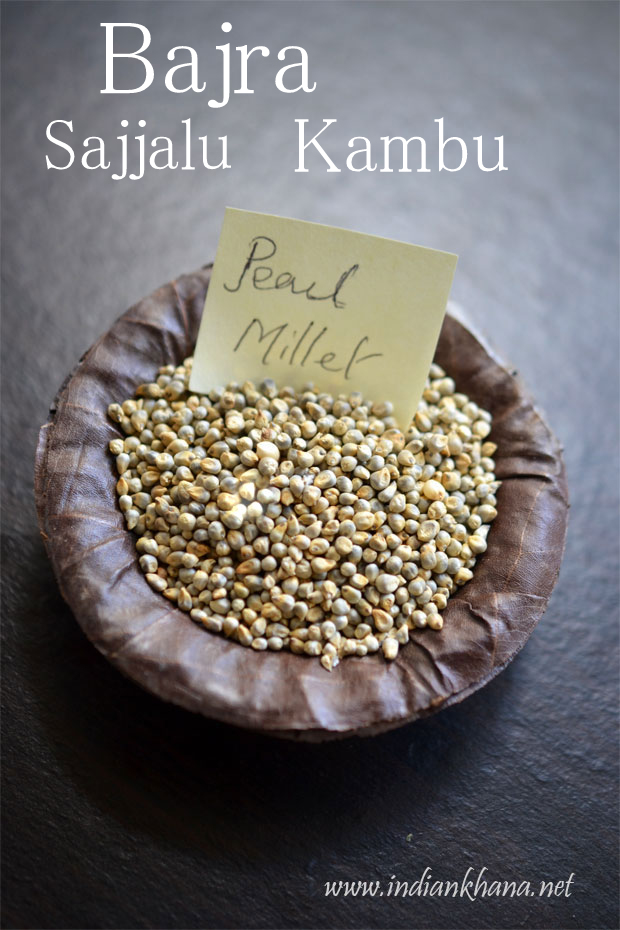
Pearl millet is a widely cultivated type of millet. India is the largest producer of Pearl millet. This millet is an excellent source of phosphorus which is essential for the structure of body cells. The intake of Pearl millet helps to minimize the chances of type 2 diabetes. As it is a great source of magnesium, Millet is a cofactor in the enzymatic reactions.
2. Finger Millet | Nachani | Kezhvaragu
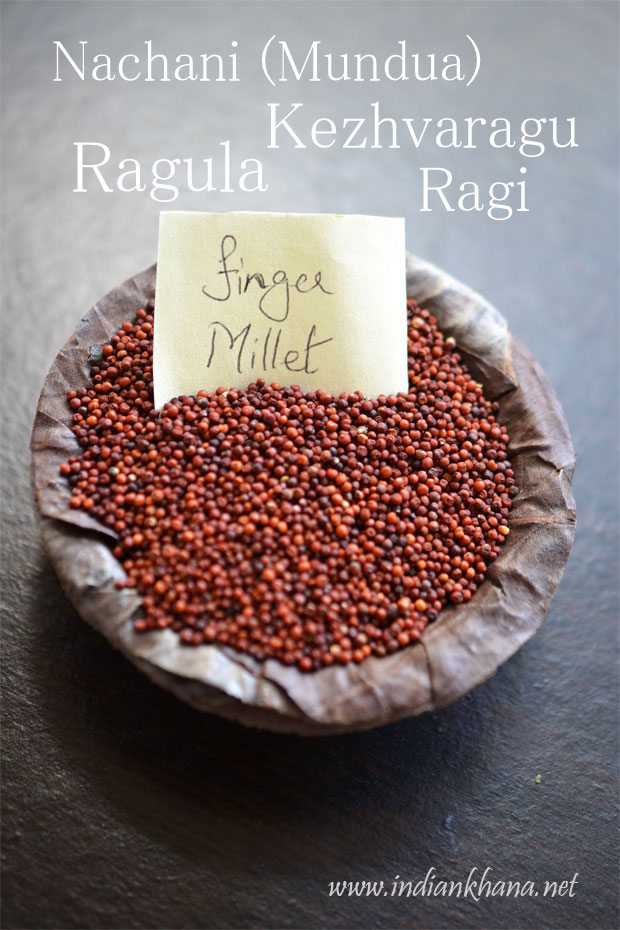
It is also called African finger millet, ragi, and red millet. It is well known in Southern India. This millet is rich in protein and calcium with a good source of iron and other minerals as well. Ragi has a high amount of antioxidants and essential Amino Acids (EAA) which are vital for the human body.
3. Foxtail Millet | Kangni | Thinai
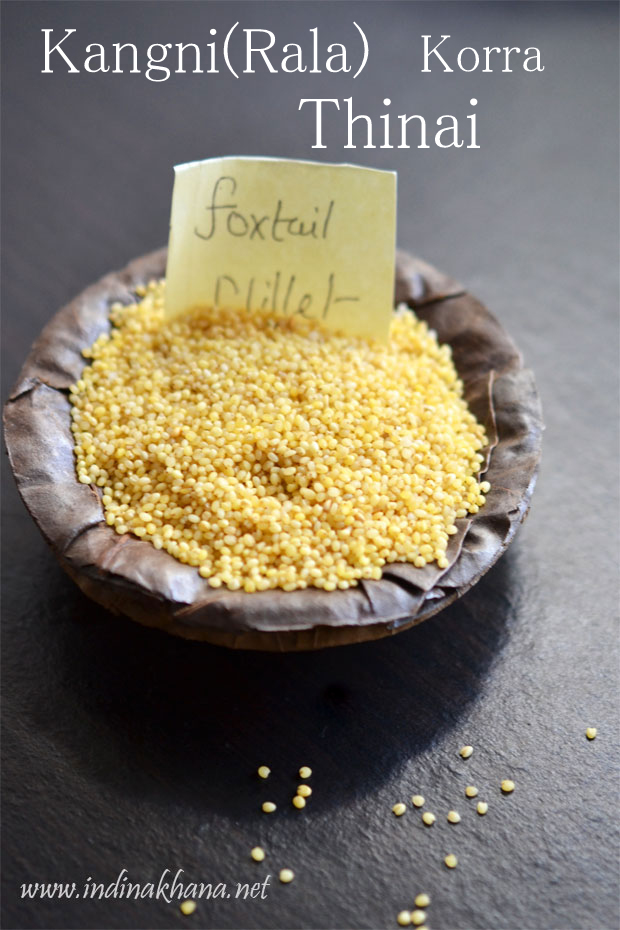 Foxtail millets are rich in iron and pest-free. Foxtail acts as an anti-pest agent which helps to store delicate pulses like green gram. It controls the level of blood sugar and cholesterol levels and raises HDL cholesterol.
4. Kodo Millet | Kodra | Varagu
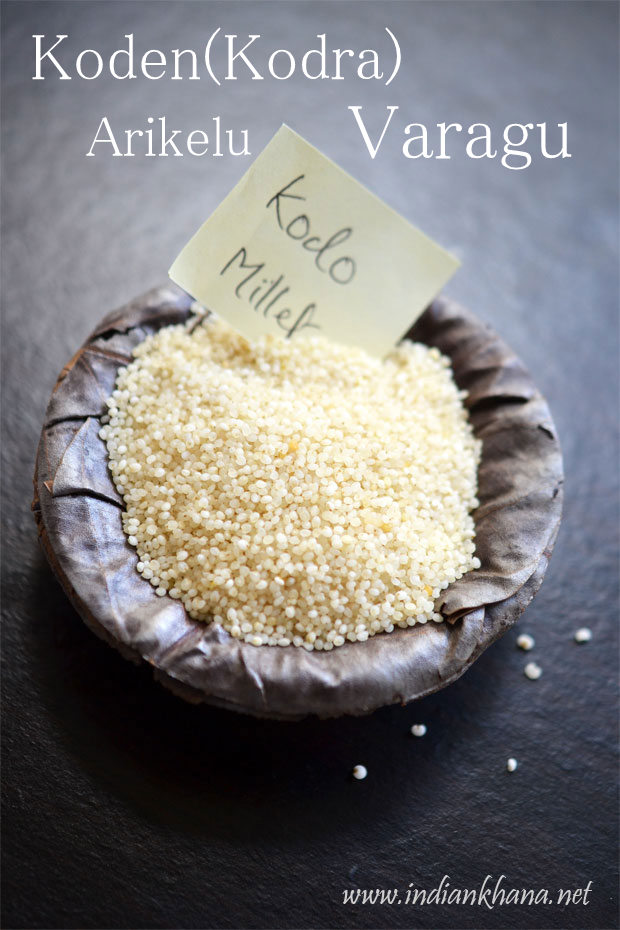 Kodo millet contains a high amount of polyphenols which act as an antioxidant. it is rich in fiber and low on fat. Kodo millet inhibits glycation as well as cross-linking of collagen. It is helpful for diabetes.
5. Little Millet | Kutki | Saamai
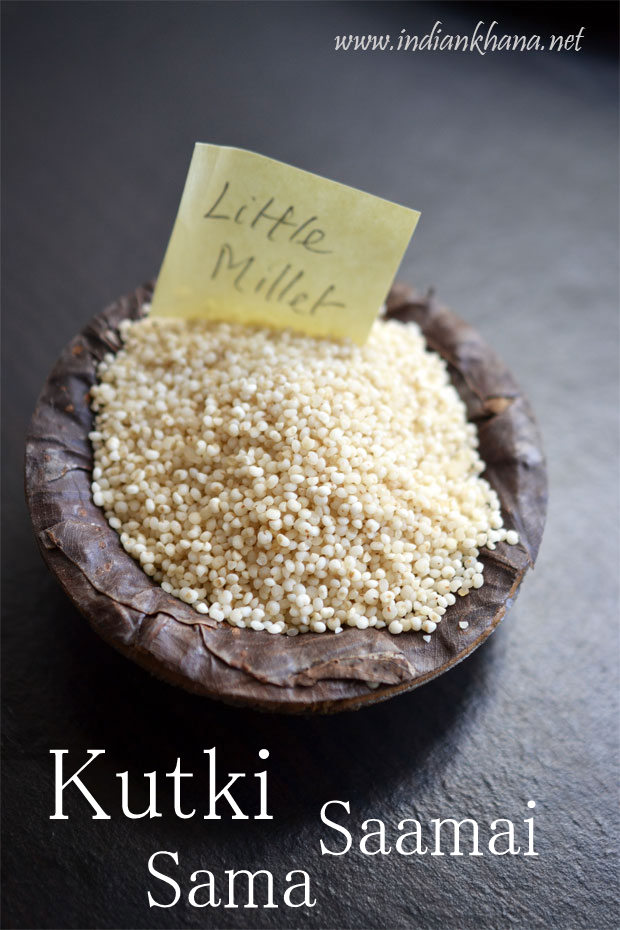
The seeds are smaller in comparison to other millet such as foxtail millet. Little millet has a high amount of iron content and fiber-like Kodo. It is rich in antioxidant properties. It is helpful for diabetes and stomach ailments.
6. Barnyard Millet | Jhangora | Kuthiravali
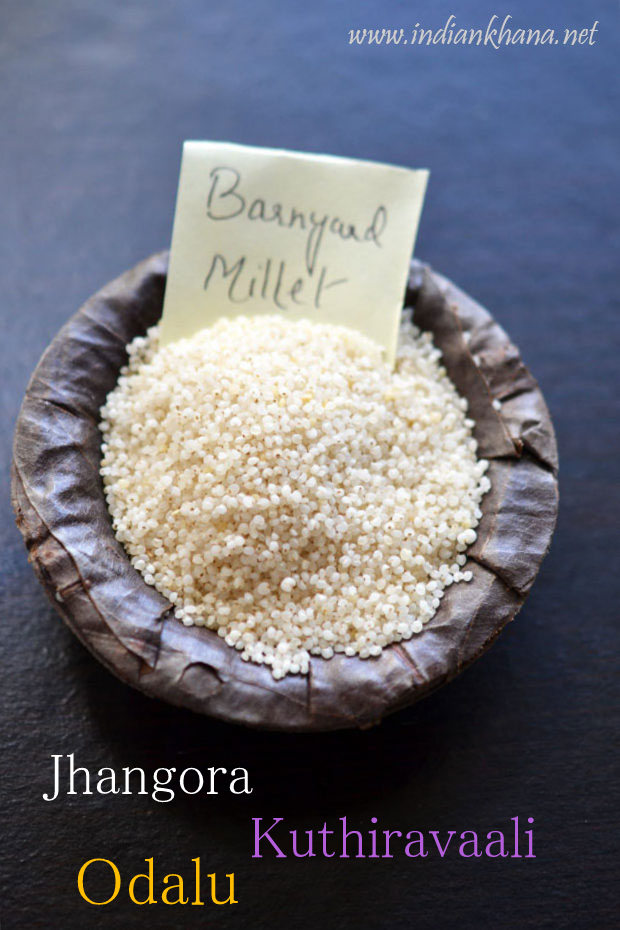
Barnyard millets are good source of fiber, phosphorous as well as calcium. Barnyard is low in glycemic index and assists type 2 diabetes and cardiovascular ailments with its daily intake.
7. Sorghum | Jowar | Cholam
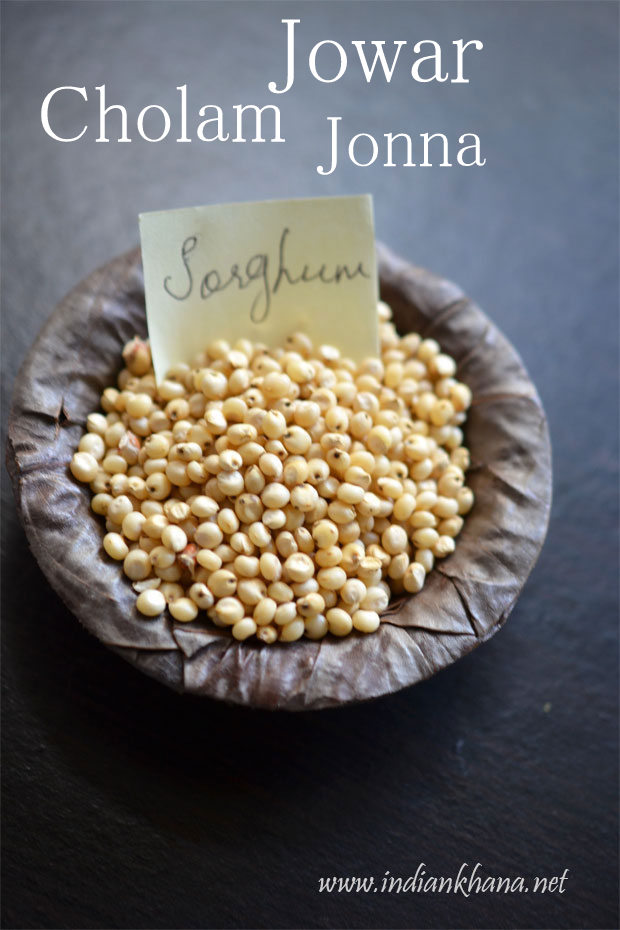
Sorghum is mostly cultivated due to its high fodder value. Sorghum is rich in nutrients with high amount of protein, unsaturated fats, fiber and minerals such as phosphorus, calcium, potassium and iron. in addition, it is loaded with calories as well as macronutrients. Sorghum helps to promote metabolism.
8. Proso millet
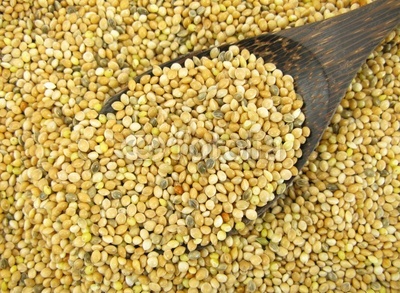
Proso millet is also called typical millet, white millet or hog millet . The wild ancestor and cultivation site of Proso millet are not known. Yellow proso is found in the packaged form or in the bulk bins at health food stores.
Recipe of Millet
1. Millet Muffins
Ingredients
- 2 1/4 cups whole wheat flour
- 1/3 cup millet
- 1 teaspoon baking powder
- 1 teaspoon baking soda
- 1 teaspoon salt
- 1 cup buttermilk
- 1 egg, lightly beaten
- 1/2 cup vegetable oil
- 1/2 cup honey
Directions
- Heat oven up to 400 degrees F. Grease sixteen muffin cups. In a bowl, mix wheat flour, millet flour, baking soda, baking powder, and salt. In a separate bowl, mix buttermilk, vegetable oil, egg, and honey. Then stir buttermilk mixture in a flour mixture until it is evenly moist. Put the batter on prepared muffin cups.
- Bake for about 15 minutes within the preheated oven or till a toothpick inserted in the center of the muffin becomes clean.
2. Millet Pie
It could be served with ketchup, onion chutney, and fruit.
Ingredients:
Original recipe makes 8 servings
- 1 cup water
- 1 cup oats
- 1 1/2 cups water
- 1 cup millet
- 1/2 cup diced onion
- 1/2 cup diced carrot
- 1/2 cup diced celery
- 1/2 cup diced potato
- 1/4 cup safflower oil
- 1/4 cup tamari sauce
- 1 teaspoon ground allspice
- 1/4 teaspoon ground nutmeg
- 4 whole cloves
- salt and ground black pepper to taste
- 1 recipe pastry for a 9-inch double-crust pie
- 1 egg, beaten (optional)
Directions
- Boil one cup of water and oats in a saucepan. Reduce heat and simmer until the water is absorbed for about 10 minutes. Boil 1 1/2 cups water and millet in an individual saucepan. Lower heat and simmer until the water is absorbed and millet becomes too tender for about 20 minutes.
- Heat oven to 350 degrees F or 175 degrees C.
- Mix oats, onion, millet, celery, carrot, potato, tamari, safflower oil, nutmeg, allspice, cloves, salt, and black pepper in a large bowl.
- Press one pie crust pastry in a nine-inch pie pan. Pour the filling into pie crust. Top with second pie crust pastry. Then pinch edges together. The top crust should be pierced to permit pie in order to ventilate during baking. Brush the top crust with the beaten egg.
- Bake the pie in the preheated oven until the crust becomes golden brown for about 40 minutes.
3. Baked Grains Pilaf
Ingredients
Original recipe makes 8 servings
- 1 tablespoon vegetable oil
- 1 onion, chopped
- 3 stalks celery, chopped
- 1/2 cup chopped bell pepper
- 1/2 cup corn kernels
- 3/4 cup millet
- 3/4 cup quinoa
- 1 teaspoon salt
- 3 cups low-sodium chicken stock
Directions
- Heat oven to 350 degrees F or 175 degrees C.
- Add oil in a skillet on medium heat. Cook and stir onion, bell pepper, celery, and corn in hot oil until softened for about 10 minutes.
- Mix onion, quinoa, millet, and salt in an 8 x 8-inch casserole dish. Then pour in chicken stock. Cover a dish with aluminum foil.
- Then bake within a preheated oven until the grains become too tender and the liquid is absorbed for about 30 minutes.
References
- https://www.ncbi.nlm.nih.gov/pmc/articles/PMC3257681/
- https://www.ncbi.nlm.nih.gov/pmc/articles/PMC5748761/
- https://www.ncbi.nlm.nih.gov/pmc/articles/PMC4711439/
- https://www.ncbi.nlm.nih.gov/pmc/articles/PMC3257681/
- https://www.ncbi.nlm.nih.gov/pmc/articles/PMC7294352/
- https://www.ncbi.nlm.nih.gov/pmc/articles/PMC4608274/
- https://www.ncbi.nlm.nih.gov/pmc/articles/PMC7915747/
- https://www.ncbi.nlm.nih.gov/pmc/articles/PMC7294352/
- https://www.ncbi.nlm.nih.gov/pmc/articles/PMC5066953/
- https://www.ncbi.nlm.nih.gov/books/NBK76060/
- https://www.ncbi.nlm.nih.gov/pmc/articles/PMC4188247/
- https://www.elsevier.com/books/nuts-and-seeds-in-health-and-disease-prevention/preedy/978-0-12-818553-7
- https://www.elsevier.com/books/nuts-and-seeds-in-health-and-disease-prevention/preedy/978-0-12-375688-6
- https://www.amazon.com/Nuts-Seeds-Improving-Your-Health/dp/1526725886
- https://books.google.com/books/about/Nuts_and_Seeds_in_Health_and_Disease_Pre.html?id=C6lYoH8rwywC
- https://www.sciencedirect.com/book/9780123756886/nuts-and-seeds-in-health-and-disease-prevention
- https://www.sciencedirect.com/book/9780128185537/nuts-and-seeds-in-health-and-disease-prevention
- https://link.springer.com/article/10.1007/s42452-019-1576-z
- https://www.tandfonline.com/doi/full/10.1080/10408398.2019.1657062
- https://academic.oup.com/nutritionreviews/article/73/6/335/1845023
- https://www.researchgate.net/publication/289036515_Nuts_and_seeds
- https://www.nature.com/articles/s43016-019-0026-9
- https://www.cambridge.org/core/journals/british-journal-of-nutrition/article/nuts-source-of-energy-and-macronutrients/AAAEDDA038B08C0A00C802F00A7F4171
- https://onlinelibrary.wiley.com/doi/full/10.1111/1541-4337.12730
- https://doi.org/10.1128/9781555818463.ch9
- https://en.wikipedia.org/wiki/Nut_(fruit)
- https://en.wikipedia.org/wiki/Cereal
- https://en.wikipedia.org/wiki/List_of_breakfast_cereals
- https://www.frontiersin.org/articles/10.3389/fchem.2016.00032/full
- https://www.nejm.org/doi/full/10.1056/nejmoa130735
- https://www.betterhealth.vic.gov.au/health/healthyliving/nuts-and-seeds
- https://www.bhf.org.uk/informationsupport/heart-matters-magazine/nutrition/ask-the-expert/nuts-as-a-healthy-snack
- https://www.bbcgoodfood.com/howto/guide/health-benefits-nuts
- https://www.olivemagazine.com/recipes/vegetarian/sticky-miso-nuts-and-seeds/
- https://www.researchgate.net/publication/232710843_Health_Benefits_of_Nut_Consumption
- https://en.wikipedia.org/wiki/Millet
- http://plants.usda.gov/core/profile?symbol=PAMI2
- http://www.hear.org/pier/species/panicum_miliaceum.htm
- http://davesgarden.com/guides/pf/go/31785/
- http://www.pfaf.org/user/Plant.aspx?LatinName=Panicum+miliaceum
- https://npgsweb.ars-grin.gov/gringlobal/taxonomydetail.aspx?id=26567
- http://www.thehealthyhomeeconomist.com/beware-of-millet/
- http://healthyeating.sfgate.com/eat-millet-breakfast-5272.html
- http://www.care2.com/greenliving/12-health-benefits-of-millet.html
- http://www.softschools.com/facts/plants/millet_facts/1093/
- http://www.theresearchpedia.com/health/superfoods/health-benefits-proso-millet

