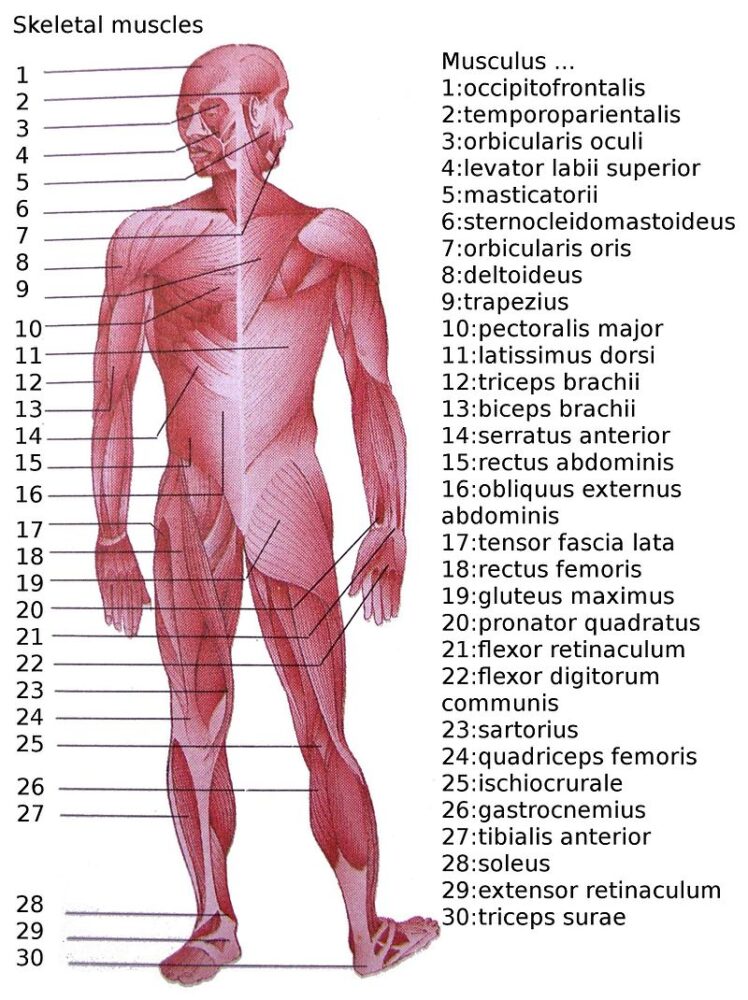
Coccygeus muscle disorders affect one of the key muscles in your pelvic floor. When this muscle is injured, inflamed, or working improperly, it can cause discomfort and pain in the tailbone and surrounding areas.
The coccygeus muscle is part of the pelvic floor muscles. It runs from the back of the pelvis (around the ischial spine) to the coccyx (tailbone). Its main role is to support your pelvic organs, help maintain stability in the lower back and tailbone area, and assist with movements like sitting and standing.
Structure
- Location: Deep in the pelvic area, forming part of the pelvic floor.
- Attachment: It attaches between the lower back (pelvis) and the tailbone.
- Relationship: Works together with other muscles in the pelvic floor to support organs like the bladder, uterus (in women), and rectum.
Blood Supply
- The muscle receives blood from branches of nearby arteries—primarily from the internal iliac artery. Good blood flow is important for muscle health and healing.
Nerve Supply
- Nerves from the sacral plexus supply the coccygeus muscle. These nerves help control muscle contraction and sensation in the pelvic area.
Functions
- Support: Helps hold pelvic organs in place.
- Stability: Contributes to the stability of the lower back and tailbone.
- Movement: Assists with controlled movements such as sitting, standing, and even childbirth in women.
Types of Coccygeus Muscle Disorders
There isn’t just one “coccygeus muscle disorder.” Instead, problems in this muscle can show up in different ways. Some common types include:
- Muscle Strain: Overstretching or tearing of the muscle fibers due to injury.
- Myofascial Pain Syndrome: Chronic pain caused by sensitive trigger points in the muscle.
- Muscle Spasm: Sudden, involuntary contractions that cause pain.
- Coccydynia: Tailbone pain often linked to strain or injury of the coccygeus and surrounding tissues.
- Pelvic Floor Dysfunction: A broader condition where one or more pelvic floor muscles, including the coccygeus, do not work properly.
- Postpartum Pelvic Pain: Pain after childbirth that may involve coccygeus muscle strain.
Understanding the type of disorder can help determine the best treatment approach.
Pathophysiology: How Coccygeus Muscle Disorders Occur
Structure and Function
When the coccygeus muscle is healthy, it supports your pelvic organs and aids in smooth movement. When injured, its structure may be altered, affecting its ability to support and stabilize the area. This can result from overstretching, inflammation, or even scar tissue formation.
Blood Supply and Healing
A good blood supply is essential for delivering oxygen and nutrients to help the muscle repair itself. When blood flow is reduced, healing may slow down, and pain can persist longer.
Nerve Supply and Pain
The nerves connected to the coccygeus muscle also carry pain signals. If the muscle is injured or inflamed, these nerves send signals to the brain, which you feel as pain or discomfort. Sometimes, the pain can even spread to other areas of the pelvis or lower back.
Functions Affected
- Support Loss: When the muscle is weak or injured, it may not support the pelvic organs properly, potentially leading to other pelvic issues.
- Movement Restrictions: Problems with the muscle can make sitting, standing, or walking uncomfortable.
- Compensatory Changes: Other muscles may overwork to compensate, potentially leading to additional pain or dysfunction.
Causes of Coccygeus Muscle Disorders
Here are twenty potential causes that might lead to problems with the coccygeus muscle:
- Trauma: A fall or direct injury to the tailbone.
- Accidents: Car accidents or sports injuries impacting the pelvic area.
- Prolonged Sitting: Extended periods of sitting on hard surfaces.
- Childbirth: The strain of labor and delivery, particularly during a vaginal birth.
- Postpartum Changes: Changes after childbirth affecting pelvic muscle balance.
- Poor Posture: Slouching or improper sitting posture that strains the muscle.
- Overuse: Repetitive strain from activities like cycling or heavy lifting.
- Obesity: Extra body weight putting more stress on the pelvic floor.
- Inflammation: Conditions such as arthritis affecting pelvic joints.
- Muscle Strain: Overstretching the muscle during sudden movements.
- Chronic Tension: Long-term stress and muscle tightness in the pelvic area.
- Degenerative Changes: Age-related changes in the bones and joints.
- Pelvic Surgery: Procedures that may inadvertently affect the muscle.
- Nerve Irritation: Damage or compression of nerves near the pelvic floor.
- Coccydynia: Inflammation or injury specifically targeting the tailbone area.
- Pelvic Floor Dysfunction: Overall imbalance among the pelvic muscles.
- Infection: Pelvic infections or abscesses that impact muscle tissue.
- Sedentary Lifestyle: Lack of movement leading to muscle weakness.
- Repetitive Microtrauma: Small, repeated injuries from everyday activities.
- Poor Ergonomics: Inadequate seating or workspace setups that strain the lower back.
Symptoms of Coccygeus Muscle Disorders
If you suspect a coccygeus muscle problem, you may notice several symptoms. Here are twenty common signs:
- Tailbone Pain: A persistent ache near the tailbone.
- Lower Back Pain: Discomfort in the lower back region.
- Sitting Pain: Increased pain when sitting, especially on hard surfaces.
- Standing Discomfort: Difficulty rising from a seated position.
- Pain During Intercourse: Discomfort during sexual activity.
- Sharp or Dull Pelvic Pain: Varying types of pain in the pelvic region.
- Muscle Stiffness: A feeling of tightness or reduced flexibility.
- Muscle Tightness: Continuous tightness around the tailbone.
- Referred Pain: Pain that radiates to the buttocks or lower abdomen.
- Difficulty Moving: Trouble with walking or moving comfortably.
- Local Tenderness: Pain when touching or pressing on the lower back or tailbone.
- Muscle Spasms: Sudden, involuntary contractions in the pelvic area.
- Numbness or Tingling: Abnormal sensations in the pelvis.
- Postural Imbalance: Poor posture due to pain and discomfort.
- Bowel Movement Pain: Discomfort during or after bowel movements.
- Stair Climbing Difficulty: Increased pain when climbing stairs.
- Pain When Rising: Sharp pain when standing up suddenly.
- Chronic Discomfort: Ongoing, persistent pelvic pain.
- Fatigue: A feeling of tiredness in the pelvic muscles.
- Generalized Pelvic Pain: A widespread discomfort in the lower pelvic region.
Diagnostic Tests for Coccygeus Muscle Disorders
Diagnosing coccygeus muscle disorders typically involves a combination of clinical evaluation and imaging tests. Here are twenty methods doctors may use:
- Physical Examination: A doctor manually examines your pelvic area.
- Medical History: Reviewing your symptoms and past injuries.
- Palpation: Pressing on the muscle to identify tender areas.
- X-Ray: Imaging to check the tailbone and nearby structures.
- MRI: Detailed images of soft tissues to see muscle damage.
- CT Scan: Cross-sectional images to examine the pelvic region.
- Pelvic Ultrasound: Uses sound waves to view muscle and soft tissue.
- Electromyography (EMG): Measures muscle electrical activity.
- Nerve Conduction Studies: Checks if nerves are properly sending signals.
- Bone Scan: Detects inflammation or small fractures.
- Diagnostic Nerve Blocks: Injections to pinpoint pain sources.
- Trigger Point Injections: Helps identify and relieve specific painful spots.
- Functional Movement Assessment: Observes how you move.
- Postural Analysis: Reviews your posture for contributing factors.
- Pelvic Floor Muscle Testing: Evaluates the strength and tone of the muscles.
- Thermography: Uses infrared imaging to detect inflammation.
- Myofascial Pain Mapping: Identifies specific areas of muscle tightness.
- Provocative Testing: Reproduces pain with certain movements.
- Ultrasound-Guided Injections: Both diagnostic and therapeutic.
- Blood Tests: Rules out infections or systemic inflammatory conditions.
Non-Pharmacological Treatments for Coccygeus Muscle Disorders
Before or alongside medications, many people benefit from non-drug approaches. Here are thirty options:
- Physical Therapy: Guided exercises to strengthen and relax muscles.
- Pelvic Floor Exercises: Targeted moves to improve muscle control.
- Stretching Routines: Gentle stretches to relieve tension.
- Yoga: Enhances flexibility and reduces stress.
- Pilates: Focuses on core strength and stability.
- Heat Therapy: Warm compresses can relax tight muscles.
- Cold Therapy: Ice packs help reduce inflammation and swelling.
- Massage Therapy: Relieves tension and promotes blood flow.
- Myofascial Release: Techniques to ease tight spots in the muscle.
- Trigger Point Therapy: Focuses on relieving specific pain points.
- Acupuncture: Inserting fine needles to reduce pain and muscle tension.
- Biofeedback Therapy: Helps learn to control muscle tension.
- TENS (Electrical Stimulation): A device that sends mild electrical pulses to reduce pain.
- Posture Correction Exercises: Improve alignment to reduce strain.
- Ergonomic Adjustments: Better chairs and work setups to ease pressure.
- Relaxation Techniques: Deep breathing exercises to lower muscle tension.
- Meditation: Reduces overall stress, which can lessen muscle tightness.
- Hydrotherapy: Water-based exercises that ease joint and muscle strain.
- Aquatic Therapy: Gentle exercise in water to reduce impact stress.
- Supportive Cushions: Special cushions for sitting comfortably.
- Manual Therapy: Hands-on techniques to manipulate soft tissues.
- Activity Modification: Changing habits to avoid repetitive strain.
- Core Strengthening: Exercises to support the lower back and pelvis.
- Balance Training: Improves stability to reduce undue muscle stress.
- Walking or Low-Impact Aerobics: Regular movement to keep muscles active.
- Lifestyle Changes: Reducing activities that contribute to stress on the pelvic floor.
- Weight Management: Keeping a healthy weight to lower pressure on muscles.
- Education on Body Mechanics: Learning proper movement techniques.
- Mindfulness Practices: Staying aware of tension and relaxing the body.
- Custom Exercise Programs: Tailored plans designed by a physiotherapist.
Drugs Commonly Used for Coccygeus Muscle Disorders
Medications may help reduce pain and muscle tension. While drug therapy is usually combined with other treatments, here are twenty common options:
- Ibuprofen: A non-steroidal anti-inflammatory drug (NSAID) to reduce pain and swelling.
- Naproxen: Another NSAID that helps relieve inflammation and pain.
- Acetaminophen: A pain reliever that can help with mild to moderate pain.
- Diclofenac: An NSAID available in oral or topical forms.
- Celecoxib: A COX-2 inhibitor that targets inflammation.
- Indomethacin: An NSAID often used for inflammatory pain.
- Ketoprofen: Another option in the NSAID category.
- Aspirin: Helps relieve pain and reduce inflammation.
- Cyclobenzaprine: A muscle relaxant that can ease muscle spasms.
- Methocarbamol: Another muscle relaxant used for muscle pain.
- Baclofen: Helps reduce muscle spasticity.
- Tizanidine: A muscle relaxant used to relieve spasms.
- Gabapentin: Can help manage nerve-related pain.
- Pregabalin: Similar to gabapentin for neuropathic pain relief.
- Tramadol: A moderate pain reliever for more persistent pain.
- Codeine (with acetaminophen): Used for pain relief when other drugs are not enough.
- Oxycodone: A strong pain reliever used short-term in severe cases.
- Diclofenac Topical Gel: Applied directly to the painful area.
- Capsaicin Cream: A topical option that may help reduce pain signals.
- Lidocaine Patches: Provide localized pain relief by numbing the area.
Note: Always consult your healthcare provider before starting any new medication.
Surgical Options for Severe Cases
Surgery is rarely the first choice for coccygeus muscle disorders. However, if conservative treatments fail, some surgical interventions might be considered:
- Coccygectomy: Surgical removal of the tailbone as a last resort.
- Sacrococcygeal Joint Resection: Removing part of the joint if it’s a pain source.
- Nerve Decompression Surgery: Relieving pressure on nearby nerves.
- Pelvic Floor Reconstructive Surgery: Repairing or tightening the pelvic muscles.
- Myofascial Release Surgery: Releasing tight muscle bands surgically.
- Trigger Point Injection Surgery: Precisely targeting and releasing painful spots.
- Pudendal Nerve Release: If the pudendal nerve is compressed.
- Laparoscopic Pelvic Adhesiolysis: Removing scar tissue that affects pelvic muscles.
- Sacroiliac Joint Fusion: For cases where joint issues contribute to muscle pain.
- Endoscopic Pelvic Floor Release: A minimally invasive technique to relieve muscle tension.
It is important to note that surgery is usually only considered after non-surgical treatments have been tried.
Preventive Measures
Prevention plays a key role in avoiding further issues. Here are ten ways to help prevent coccygeus muscle disorders:
- Maintain Good Posture: Sit and stand in ways that support your spine.
- Regular Physical Activity: Keep your muscles strong and flexible.
- Avoid Prolonged Sitting: Take breaks and move around frequently.
- Use Ergonomic Seating: Invest in chairs and cushions that support your lower back.
- Practice Pelvic Floor Exercises: Strengthen and balance your pelvic muscles.
- Manage Your Weight: A healthy weight reduces extra stress on the muscles.
- Use Proper Lifting Techniques: Lift with your legs, not your back.
- Eat a Balanced Diet: Good nutrition supports overall muscle health.
- Manage Stress: Practice relaxation techniques to reduce muscle tension.
- Regular Medical Check-Ups: Early detection of issues can prevent further complications.
When to See a Doctor
It’s important to know when professional help is needed. Consider seeing a doctor if:
- Persistent Pain: The pain in your tailbone or pelvic area lasts for weeks.
- Interfering with Daily Life: Your pain affects work, sleep, or daily activities.
- Worsening Symptoms: The pain or discomfort grows worse over time.
- Numbness or Weakness: You notice unusual numbness or weakness in the pelvic region.
- Trouble with Bowel or Bladder Functions: Any changes in these functions should be evaluated.
- Unexplained Symptoms: If you experience any new, unexplained symptoms, it’s best to get a professional evaluation.
Your healthcare provider can perform a thorough examination and recommend the appropriate tests and treatments based on your situation.
Frequently Asked Questions (FAQs)
Below are answers to 15 common questions about coccygeus muscle disorders:
1. What is the coccygeus muscle?
The coccygeus muscle is a part of the pelvic floor that runs from the pelvis to the tailbone, helping support pelvic organs and providing stability.
2. What are the common symptoms of coccygeus muscle disorders?
Common symptoms include tailbone and lower back pain, discomfort when sitting or standing up, muscle stiffness, and sometimes pain during sexual activity or bowel movements.
3. What causes coccygeus muscle pain?
Pain can result from trauma (like falls), prolonged sitting, childbirth, poor posture, overuse, or chronic stress on the pelvic area.
4. How is a coccygeus muscle disorder diagnosed?
Doctors typically perform a physical examination, review your medical history, and may use imaging tests like X-rays, MRI, or CT scans along with specialized tests like EMG.
5. Can I treat my coccygeus muscle pain at home?
Yes, many people benefit from home treatments such as stretching, using supportive cushions, and applying heat or cold packs, but consult your doctor for a tailored plan.
6. What non-pharmacological treatments are available?
Options include physical therapy, yoga, massage, pelvic floor exercises, acupuncture, and relaxation techniques.
7. What medications can help relieve coccygeus muscle pain?
Common drugs include NSAIDs (like ibuprofen and naproxen), acetaminophen, muscle relaxants (such as cyclobenzaprine), and topical treatments like lidocaine patches.
8. Is surgery ever required?
Surgery is rarely needed and is usually reserved for severe, persistent cases where other treatments have not helped.
9. How can physical therapy help?
Physical therapy can improve muscle strength, flexibility, and balance while teaching proper body mechanics to reduce stress on the coccygeus muscle.
10. Are there any risks associated with treatment?
Like any medical treatment, risks exist but are generally low with conservative treatments. Always discuss potential risks with your healthcare provider.
11. What lifestyle changes can help manage pain?
Regular exercise, maintaining a healthy weight, proper posture, stress management, and ergonomic adjustments can all contribute to pain relief.
12. How long does it take to recover?
Recovery time varies. With early treatment and lifestyle adjustments, many people notice improvements within weeks to months.
13. Can stress affect the coccygeus muscle?
Yes, stress can increase muscle tension and contribute to pain and discomfort in the pelvic area.
14. What are the preventive measures for coccygeus muscle disorders?
Preventive steps include good posture, regular exercise, avoiding prolonged sitting, proper lifting techniques, and managing stress.
15. When should I see a doctor for my coccygeus muscle pain?
If the pain is severe, persistent, or interferes with daily activities, it is important to seek medical advice.
Final Thoughts
Coccygeus muscle disorders can be challenging, but understanding the anatomy, causes, symptoms, and treatment options can empower you to take control of your pelvic health. Whether through lifestyle changes, physical therapy, or medications, many people find relief with the right approach. If your symptoms persist or worsen, don’t hesitate to see a healthcare professional for a personalized evaluation and treatment plan.
The article is written by Team Rxharun and reviewed by the Rx Editorial Board Members More details about authors, please visit to Profile rxharun.com Last Update: March 20, 2025.
Rx Editorial Board Member and Team Rxharun’s Writers Links
Disclaimer: Each person’s journey is unique, treatment plan, life style, food habit, hormonal condition, immune system, chronic disease condition, geological location, weather and previous medical history is also unique. So always seek the best advice from a qualified medical professional or health care provider before trying any treatments to ensure to find out the best plan for you. This guide is for general information and educational purposes only. Regular check-ups and awareness can help to manage and prevent complications associated with these diseases conditions. If you or someone are suffering from this disease condition bookmark this website or share with someone who might find it useful! Boost your knowledge and stay ahead in your health journey. We always try to ensure that the content is regularly updated to reflect the latest medical research and treatment options. Thank you for giving your valuable time to read the article.
Explore this medical topic
Continue through verified related conditions, investigations, medicines, and patient guides. These links are educational and do not replace professional medical advice.