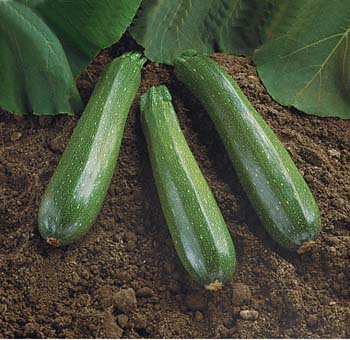
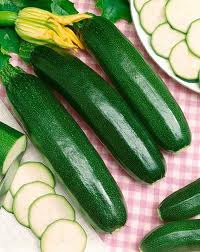
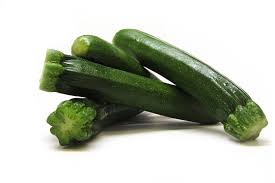
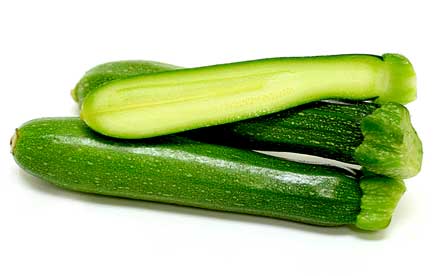
The zucchini is actually a type of summer squash, with creamy, white flesh and crisp green skin that’s chock full of nutrients. The summer squash, or zucchini, makes a great addition to summer meals when the plant is in season. Fortunately, zucchini is available year-round, and can be used in your culinary plans for any season of the year!
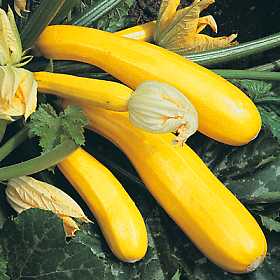
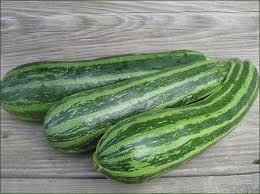
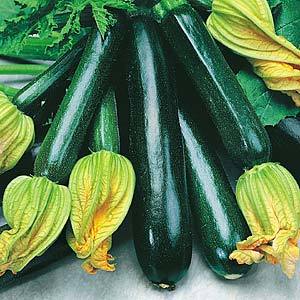
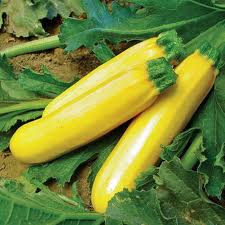
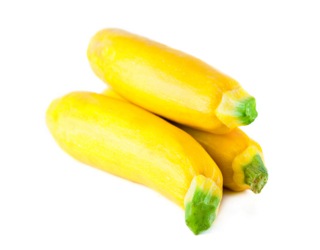
It is also known as courgette, zucchini is a summer squash that is native to the Americas. It belongs to the species Cucurbita pepo, along with a few other types of squashes and pumpkins. It usually is dark or light green. The golden zucchini (yellow zucchini), another variety, is orange/deep yellow in color.
Zucchini Quick Facts
Name:
Zucchini
Scientific Name:
Cucurbita pepo
Origin
Mexico where it has been domesticated for at least 5,000 years
Assist in weight loss, Maintains overall health, Enhance men health, Prevent diseases, Cardiovascular health
Zucchini (Cucurbita pepo) is a widely cultivated summer squash in the family Cucurbitaceae which also includes melons, cucumbers, pumpkins, and gourds. It is a vigorous annual, monoecious, trailing vine that bears fruits that are widely used as culinary vegetables. Some varieties of Zucchini are: Black Beauty, Raven, Fordhook, Dunja, Gadzukes, Gourmet Gold, Cocozelle, Caserta, Magda, Summer Green, Tiger, Italian Ribbed, Bush Baby, Patio Star, Golden Egg and Round De Nice. The Zucchini is originally from Mexico where it was domesticated 5000 years ago. Other common names of Zucchini include Summer Squash, Courgette, Crookneck Squashes, and Custard Squash.
ZUCCHINI FACTS
Zucchini is a fruit of plant named Cucurbita pepo which is an annual and herbaceous plant in the family Cucurbitaceae. As zucchini is a squash botanically, it shares the properties of cucumber. All the varieties of zucchini have yellowish or white pulp same as a cucumber.
Name
Zucchini
Scientific Name
Cucurbita pepo
Native
Mexico where it has been domesticated for at least 5,000 years.
Zucchini was originated in Mexico where it has been domesticated for at least 5,000 years. It extended to Northern Mexico and Southwestern U.S. During the 16th century, it got introduced to Europe. In Italy, it is considered to occur in the late nineteenth century. China, Japan, Italy, Romania, Turkey, Italy, Argentina, and Egypt are known as the biggest producers of squash. It is cultivated all year round and consumed raw in a sliced form.
Plant
Zucchini is an annual vine that has shallow, branched, and well-developed taproots. The leaves are alternate, simple, large, broadly triangular, and dark green. The fruit of Zucchini is white, pale-dark green-yellow having variable shapes and 1 meter long. The fruit bears flattened seeds of obovoid- elliptic shape and white to pale brown in color. The stem is hard, angular, five-angled, semi-erect, and pubescent to scabrous. The plant bears bright yellow flowers that are pentamerous and solitary.
Nutritional value of Squash, summer, raw
Serving Size: 1 Cup Sliced, 113 g
Calories 18 Kcal.Calories from Fat 1.8 Kcal.
Proximity
Amount
% DV
Water
106.94 g
N/D
Energy
18 Kcal
N/D
Energy
78 kJ
N/D
Protein
1.37 g
2.74%
Total Fat (lipid)
0.2 g
0.57%
Ash
0.7 g
N/D
Carbohydrate
3.79 g
2.92%
Total dietary Fiber
1.2 g
3.16%
Total Sugars
2.49 g
N/D
Sucrose
0.03 g
N/D
Glucose (dextrose)
0.85 g
N/D
Fructose
1.07 g
N/D
Minerals
Amount
% DV
Calcium, Ca
17 mg
1.70%
Iron, Fe
0.4 mg
5.00%
Magnesium, Mg
19 mg
4.52%
Phosphorus, P
43 mg
6.14%
Potassium, K
296 mg
6.30%
Sodium, Na
2 mg
0.13%
Zinc, Zn
0.33 mg
3.00%
Copper, Cu
0.058 mg
6.44%
Manganese, Mn
0.198 mg
8.61%
Selenium, Se
0.2 µg
0.36%
Vitamins
Amount
% DV
Water-soluble Vitamins
Vitamin B1 (Thiamin)
0.054 mg
4.50%
Vitamin B2 (Riboflavin)
0.16 mg
12.31%
Vitamin B3 (Niacin)
0.55 mg
3.44%
Vitamin B5 (Pantothenic acid)
0.175 mg
3.50%
Vitamin B6 (Pyridoxine)
0.246 mg
18.92%
Vitamin B9 (Folate)
33 µg
8.25%
Folic Acid
0 µg
N/D
Folate, food
33 µg
N/D
Folate, DEF
33 µg
N/D
Choline
7.6 mg
1.38%
Vitamin C (Ascorbic acid)
19.2 mg
21.33%
Fat-soluble Vitamins
Vitamin A, RAE
11 µg
1.57%
Vitamin A, IU
226 IU
N/D
Beta Carotene
136 µg
N/D
Lutein + zeaxanthin
2401 µg
N/D
Vitamin E (alpha-tocopherol)
0.14 mg
0.93%
Vitamin K (phylloquinone)
3.4 µg
2.83%
Lipids
Amount
% DV
Fatty acids, total saturated
0.05 g
N/D
Lauric acid (dodecanoic acid) 12:00
0.001 g
N/D
Myristic acid 14:00(Tetradecanoic acid)
0.001 g
N/D
Palmitic acid 16:00 (Hexadecanoic acid)
0.043 g
N/D
Stearic acid 18:00 (Octadecanoic acid)
0.005 g
N/D
Fatty acids, total monounsaturated
0.018 g
N/D
Palmitoleic acid 16:1 (hexadecenoic acid)
0.001 g
N/D
Oleic acid 18:1 (octadecenoic acid)
0.016 g
N/D
Fatty acids, total polyunsaturated
0.101 g
N/D
Linoleic acid 18:2 (octadecadienoic acid)
0.037 g
N/D
Linolenic acid 18:3 (Octadecatrienoic acid)
0.063 g
N/D
Amino acids
Amount
% DV
Tryptophan
0.012 g
2.73%
Threonine
0.032 g
1.82%
Isoleucine
0.047 g
2.81%
Leucine
0.078 g
2.11%
Lysine
0.073 g
2.18%
Methionine
0.019 g
N/D
Cystine
0.014 g
N/D
Phenylalanine
0.046 g
N/D
Tyrosine
0.035 g
N/D
Valine
0.06 g
2.84%
Arginine
0.056 g
N/D
Histidine
0.028 g
2.27%
Alanine
0.07 g
N/D
Aspartic acid
0.163 g
N/D
Glutamic acid
0.142 g
N/D
Glycine
0.05 g
N/D
Proline
0.042 g
N/D
Serine
0.054 g
N/D
*Above mentioned Percent Daily Values (%DVs) are based on 2,000 calorie diet intake. Daily values (DVs) may be different depending upon your daily calorie needs. Mentioned values are recommended by the U.S. Department of Agriculture. They are not rxharun.com recommendations. Calculations are based on average age of 19 to 50 years and weigh 194 lbs. Source: https://ndb.nal.usda.gov/
Health Benefits of Zucchini
Though Zucchini is a fruit, it is treated as a vegetable. The skin, flesh, and seeds of Zucchini are edible. It offers a great taste when it is cooked. It possesses a light and sweet taste. The minerals, nutrients, and vitamins found in Zucchini help to maintain heart health, eye health, reduce cholesterol, strengthen bones and teeth as well as promote weight loss.
Assist in weight loss
Zucchini has a low amount of calories but also it helps to keep full. It satisfies the stomach without more calories and is a healthy diet plan. Zucchini has a high amount of water and fiber along with a low amount of calories. Those people who are on diet should add Zucchini which provides enormous health benefits.
Maintains overall health
Zucchini is an excellent source of Vitamin C and Manganese which helps to maintain health. Magnesium, Vitamin A, Copper, Potassium, and Phosphorus are also contained in Zucchini. Additionally, it has a high amount of zinc, protein, niacin, omega 3 fatty acids, Vitamin B6, Vitamin B1, Vitamin B2 as well as calcium. Pregnant women should consume Zucchini due to the high amount of fiber.
Enhance men health
The research has shown that the properties found in Zucchini help to cure BPH (Benign Prostatic Hypertrophy). Due to the enlargement of the prostate gland, there will be difficulty in urinary and sexual function which is called prostatic hypertrophy. Zucchini helps to treat the BPH symptoms if combined with foods that are rich in phytonutrients.
Prevent diseases
The regular consumption of Zucchini helps to prevent diseases and various health ailments. The studies have shown that foods rich in fiber help to relieve cancer by clearing out the toxins from the colon cells. Zucchini contains folate, Vitamin C, and beta carotene which protect the cells from the chemicals that lead to colon cancer. Vitamin C and Beta-carotene possess anti-inflammatory properties which help to cure the ailments such as asthma, osteoarthritis, swelling, and rheumatoid arthritis.
Cardiovascular health
Zucchini has a high amount of Vitamin C and Manganese which is required to maintain a healthy heart. It prevents atherosclerosis and heart disease. Beta-carotene helps to prevent cholesterol oxidation. The vitamin folate helps to eliminate homocysteine levels that lead to strokes and heart attacks. The fiber content in Zucchini reduces the level of cholesterol which also decreases the chances of heart disease, atherosclerosis caused due to diabetes.
Prevent stroke
The study shows that the high amount of Vitamin C in the blood helps to lower the chances of stroke by 42%. People who consume veggies and fruits have high levels of Vitamin C in the blood so one should increase the intake of veggies and fruits to prevent the chances of stroke.
Brain health
Vitamin B6 helps in the development of the brain and its function. The deficiency of Vitamin B6 results in low memory, cognitive impairment, dementia, and Alzheimer’s. Vitamin B6 impact brain function by controlling the level of homocysteine that leads to heart ailments and damage the neurons of the central nervous system.
Vitamin B6 is vital for the norepinephrine and serotonin which control energy, mood, and concentration. The research shows that ADHD in children is the cause of the low level of serotonin. Vitamin B6 may help the children on recovering the behavior and learning disorders.
Enhance mood
Vitamin B6 has a great impact on the GABA neurotransmitters and serotonin in the brain which helps to control mood, prevent pain, depression, anxiety, and fatigue. Vitamin B6 helps to prevent mood disorders and enhance mood.
Vitamin B6 helps to produce hormones in the brain which helps to treat brain diseases and mood disorders. The research shows that the supplements of Vitamin B6 uplift mood, concentration, energy, and experience less pain.
Treat migraines
Vitamin B2 helps to treat migraine headaches effectively. Riboflavin of 400 mg dose helps to treat the headaches and cure the migraine attacks. The riboflavin supplements act as a natural aid to lower the migraine frequency, lower the symptoms, pain caused by migraine, and also minimize the duration.
Antioxidant activity
Vitamin B2 is an antioxidant that restricts the existence of free radicals in the body. It is essential for glutathione production which detoxifies the liver and body. Vitamin B2 defends the body from diseases by managing the healthy lining in the digestive tract where the immune system is stored. The digestive system assists in nutrient absorption. The deficiency of riboflavin leads to less utilization of nutrients for energy.
Riboflavin helps to prevent cancers such as esophageal cancer, colorectal cancer, prostate cancer, and cervical cancer. Though more studies should be carried out to find out the role of Riboflavin in the prevention of cancer. But it is considered that Vitamin B2 helps to lower the effects of oxidative stress and carcinogens which are caused due to free radicals.
Benefits Of Zucchini Leaves and Seeds
1. Zucchini Benefits For Weight Loss
As we have already discussed, zucchini is a low-starch fruit. Which means it is low in carbohydrates and high in fiber. Which means it will fill you up and discourage overeating (2). That’s precisely what most people looking to lose weight want, right?
The fruit also has a high water content that can keep you full for longer periods. It is one of those foods with a low glycemic index. Increased intake of fruits and vegetables and low-fat foods has been linked to healthy weight loss and weight maintenance (3). Another benefit of high-fiber foods is they require more chewing – because of which the individual takes more time to eat and is unable to gorge on a large number of calories in a short period (4).
2. Improves Heart Health
Ever heard of DASH diet? Also called the Dietary Approaches to Stop Hypertension, this diet is aimed at improving heart health by lowering hypertension. According to a report published by the National Heart, Lung, and Blood Institute, zucchini is a prominent part of the DASH diet (5).
Zucchini is low in cholesterol, sodium, and fat, and helps maintain a balance of carbohydrates – a requirement for optimum heart health (6).
Another reason zucchini works great for the heart is the presence of fiber. High intakes of fiber have been associated with significantly lower risks of developing stroke, hypertension, and heart disease (7).
Zucchini is also rich in folate, and as per a Chinese study, folate intake is inversely associated with heart disease risk (8). The fact that it is rich in other nutrients like potassium and magnesium makes zucchini a superfood for the heart. Research has stated that deficiencies in the two nutrients can be directly linked to heart failure (9).
Another nutrient in zucchini that is worth your attention is riboflavin, which is a B-complex vitamin essential for energy production. In one study, children with cardiac disease were found to be shockingly deficient in riboflavin, emphasizing on the possible link between riboflavin and heart health (10). Another Chinese study has linked riboflavin with alleviated cardiac failure in diabetics (11).
Riboflavin deficiency is also linked to certain birth defects in pregnant women, especially issues with the outflow tracts in the infant’s heart (12).
3. Improves Eye Health
One doesn’t need to be reminded of the importance of vision. That said, zucchini seems to be more than food for your eyes. The fruit is rich in lutein and zeaxanthin, two antioxidants that were found to prevent age-related macular degeneration (13).
It is shocking to note that certain serious (and often irreversible) eye diseases like glaucoma and age-related macular degeneration have no warning signs (14). So, what’s the best approach? Including zucchini in your diet. Zucchini is also a good source of vitamin A that has been shown to improve eye health (15). It is important for eye development and maintenance (16). As per a report published by Flaum Eye Institute of the University of Rochester Medical Center, a low-fat diet could be beneficial for the eyes – and zucchini can very well be a part of this diet (17).
The squash is also a wonderful source of beta-carotene that can improve eye health and offer protection against infections (18).
4. Helps Control Diabetes
It is but unfortunate that a household without a diabetic is a rare scene. Well, that’s the sad part. So, is zucchini good for diabetics? Yes, the good part is, zucchini can help.
Non-starchy foods like zucchini can fill you up and aid in diabetes treatment (19). And the dietary fiber, which zucchini is replete with, can delay glucose absorption and help patients with type 2 diabetes (20). A German study states that insoluble fiber (which zucchini has a good amount of) can be very much effective in preventing type 2 diabetes (21). Another study indicates the efficacy of insoluble dietary fiber that has been shown to reduce diabetes risk (22).
Higher fiber intake is also associated with a lower risk of metabolic syndrome, which is one of the factors contributing to diabetes (23). According to the University of Maryland Medical Center, soluble fiber can improve glucose tolerance in diabetics (24). (Zucchini contains both soluble and insoluble fiber, by the way.)
5. Helps Lower Cholesterol
Zucchini is one of the few foods that are free of cholesterol, and hence you can include it in your cholesterol-lowering diet (25). Soluble fiber has been found to interfere with cholesterol absorption. This helps lower the bad cholesterol or LDL in the blood (26).
6. Helps Cure Asthma
As per an Iranian study, the high levels of vitamin C in zucchini help cure asthma (27). The anti-inflammatory properties of zucchini also contribute to asthma treatment (28).
Along with vitamin C, zucchini also contains copper that is far more effective in treating asthma (29).
One Finnish study has found the benefits of vitamin C in treating not only asthma attacks, but also bronchial hypersensitivity (which is a characteristic of asthma) (30). As it is well known that vitamin C helps treat common cold symptoms, it is quite logical to use vitamin C for alleviating asthma symptoms.
7. Protects Against Colon Cancer
Ah, it’s fiber again! The fiber in zucchini is the most important reason it can help in the treatment of colon cancer (31). The fiber does multiple things – it absorbs the excess water in the colon, retains enough moisture in the fecal matter, and helps it to pass smoothly out of the body. Because of all this, fiber works beautifully well in preventing colon cancer (32). Though precise knowledge about the subtypes of fiber (soluble or insoluble) in this aspect is important, dietary fiber as a whole has been linked to a reduced risk of colorectal cancer (33).
As per a Los Angeles study, dietary fiber plays an important role in regulating normal intestinal functioning and maintaining a healthy mucus membrane of the intestine. Though the exact amount of fiber and the type is still not clearly known, an expert panel from the study had recommended a fiber intake of 20 to 35 grams per day to prevent colon cancer (34).
The lutein in zucchini may also reduce the risk of colon cancer (35).
8. Enhances Digestion
In addition to the many benefits of zucchini you have already seen, the wonder squash also aids digestion (36). According to a report published by the University of Rhode Island, green fruits and vegetables, like zucchini, promote healthy digestion (37). You can have zucchini as an after-meal eat – simply shred some carrots and zucchini on a quick bread or muffins and relish the taste (and the benefits too!)
In fact, the late Henry Bieler (a prominent American physician who had batted for the idea of treating disease with foods alone) used to treat digestive issues in his patients with a pureed soup broth made from zucchini (38). Now, isn’t that a reason good enough to entrust the ‘digestive-healing responsibilities’ to our humble zucchini?
The dietary fiber in zucchini adds bulk to your diet and aids digestion. However, ensure you introduce fiber in your diet gradually. Increasing dietary fiber in your diet too quickly can lead to bloating, abdominal cramps, and even gas (39).
It has been found that dietary fiber forms the major components of foods that have low energy value, and hence are of particular importance (40). Especially when it comes to dealing with abdominal issues.
If you are suffering from digestive issues, simply including zucchini in your meal might do the trick. It has been found that the addition of fiber in bread, cookies, breakfast cereals, and even meat products was found to have desirable results (41).
As we have already seen, zucchini contains both soluble as well as insoluble fiber. The insoluble fiber, also known as ‘the regulator’, accelerates the passage of water through the digestive tract. This reduces the time available for harmful substances to come in contact with the intestinal walls (42).
I would recommend you to go for all-natural sources of fiber, and not just zucchini alone. If you are purchasing fiber-rich foods from the supermarket, there is but one ground rule – a good source of fiber is one that has at least 2.5 grams of fiber per serving. Foods having more than 5 grams of fiber per serving are excellent (43). But, anything lower than 2.5 grams would just be a waste of money.
9. Lowers Blood Pressure
If you walk down a random street and pick any person you first see, chances are (s)he might be (or is likely to be) suffering from high blood pressure. If you ask us, blood pressure is more of a mind thing. We are so stressed about everything in life that blood pressure issues have become inevitable. Almost.
But with zucchini by our side, there is hope for respite.
Zucchini, being rich in potassium, is one of the most preferred foods to combat hypertension (44). Surprisingly enough, zucchini has more potassium than a banana (45).
Potassium is vasoactive, meaning it can affect the diameter of blood vessels. And hence, the blood pressure as well (46). In a London study, potassium supplementation was linked to lowered blood pressure levels (47). Though the study talks about certain conflicting results in pertinence to oral potassium supplementation, potassium was never shown to elevate blood pressure levels. Hence, it can be used without apprehension.
As per another New Orleans study, potassium intake is mandatory to combat hypertension, especially when the individual is unable to reduce his/her sodium intake (48). In addition to controlling blood pressure, potassium also lowers the heart rate and counters the harmful effects of sodium (49).
According to the National Academies Press, the adequate intake of potassium for adults is 4.7 grams per day (50). As per WHO, this dosage of potassium had the greatest impact on blood pressure levels (51). However, this dosage might vary as per the health condition of an individual. Hence, consult your doctor for further details.
So, why is potassium so important with respect to lowering blood pressure? Because the nutrient is one of the principal electrolytes in the human body (52). It is required in proper balance with sodium, in a ratio of 2:1. The junk foods we so very lovingly consume every other day have higher levels of sodium than potassium. This is why they contribute to high blood pressure like no other. Zucchini is a good source of potassium. A medium-sized fruit offers 512 milligrams of nutrients, which roughly equals 11% of your daily need.
10. Slows Down Aging
Anti-aging is a big market today. No less than a billion-dollar industry. But you probably wouldn’t have to contribute much to that segment if you have zucchinis in your kitchen.
Zucchini is a good source of the antioxidants lutein and zeaxanthin. These two carotenoids exhibit powerful anti-aging properties (53). They protect the cells of the body and the skin from free radical damage, which may otherwise lead to premature aging. Lutein and zeaxanthin have also been found to lighten the skin and improve its health (54).
In a study, lutein was found to prevent cell loss and membrane damage (55). It also has photoprotective properties that protect the skin from UV damage. Zucchini is also rich in beta-carotene, the low levels of which were found to increase mortality risk in older men (56).
The riboflavin in zucchini maintains the health of the skin, hair, nails, and mucus membranes. It slows down aging by boosting athletic performance and preventing age-related memory loss and other related conditions like Alzheimer’s disease (57).
In one study, riboflavin was found to prolong the lifespan of fruit flies – indicating a similar possibility in human beings (58).
Zucchini, as we have seen, is rich in vitamin C. According to a South Korean study, the vitamin was found to decelerate aging in human heart cells (59). Also, vitamin C is found in high levels in the skin layers, the content of which sees a decline due to aging (60). Hence, intake of vitamin C appears to be a logical solution to slow down the signs of aging.
11. Strengthens Bones And Teeth
Green vegetables and fruits, like zucchini, promote stronger bones and teeth (61). The lutein and zeaxanthin in zucchini keep the bones and teeth strong. In addition, they also strengthen the blood cells (62). Zucchini also contains vitamin K, which contributes to stronger bones (63).
Magnesium is another nutrient zucchini is rich in. Most of the body’s magnesium resides in the bones, which helps build strong bones and teeth (64). Magnesium also works along with calcium to improve muscle contraction.
The folate in zucchini also protects the bones (65). And so does beta-carotene. Studies show that the body converts beta-carotene into vitamin A, which contributes to bone growth (66).
Zucchini contains phytochemicals such as indoles, which, according to the Rutgers Cancer Institute of New Jersey, maintain strong bones and teeth (67). Similar findings have been published by the California Department of Public Health (68).
12. Helps Balance Thyroid And Adrenaline Function
Zucchini is rich in manganese, a mineral that promotes the optimal functioning of the thyroid gland (69).
13. Helps During Pregnancy
Dark green vegetables are a must during pregnancy, and zucchini is one of them. In the nine months of pregnancy, consuming zucchini offers adequate B-complex vitamins that help maintain energy levels and mood (70).
Zucchini is rich in folic acid that has been shown to reduce the risk of certain birth defects like spina bifida (the baby’s spinal cord doesn’t develop properly) and anencephaly (absence of a major portion of the brain) (71). As per a Canadian study, over 50 countries that have fortified their food staples with folic acid saw a dramatic decrease in neural tube defects in pregnant women (72).
One more reason folate is beneficial to pregnant women is its ability to produce red blood cells in the body (73). This is how it reduces the risk of developmental problems in the baby during pregnancy.
It is important to keep in mind that folic acid (or folate) works best when taken before getting pregnant and during the first trimester (74). As women need additional folic acid during pregnancy, it is advisable to take a folic acid supplement as well. Around 400 mcg of folic acid per day is recommended for women in this aspect.
Another reason zucchini is good for pregnancy is its magnesium content. As per an Italian study, magnesium is very important for women with a high risk of gestosis or premature labor (75).
14. Good For Babies (And Kids)
Diarrhea is one common problem amongst most kids over one year of age. Oh yes, there will be medications. But changes in the diet can also help. Bland foods work well in this case. And peeled zucchini can do wonders (76).
Mashed zucchini can also be a good addition to your baby’s diet (77). Since it is soft and bland in taste (and since it comes replete with nutrients), your baby will be able to consume it easily. And here’s a tip – Never leave a baby alone when he/she is eating. Keep the portions small. And avoid those foods that he/she can easily choke on – these include everything that is hard to chew.
There is no need to emphasize the negative effects smoking can have on pregnant women. But, what if a woman has been a smoker for a long time before getting pregnant and just can’t give the habit up? In one Portland study, the intake of vitamin C has been found to prevent lung problems in babies born to pregnant smokers (78). Zucchini, being rich in vitamin C, can help in this regard. By the way, this doesn’t mean it is okay to smoke during pregnancy. It simply isn’t. But, in case the idea of quitting smoking disturbs the mother more than smoking itself, this could be an alternative.
In another Denmark study, the deficiency of vitamin C was found to impair brain development in infants (79).
In fact, the importance of vitamin C for infants was discovered way back in the early 1900s. Studies conducted back then stressed the significance of vitamin C in preventing scurvy in infants (80). Dr. F.R. Klenner, between 1948-49, cured every polio case in children with vitamin C, and vitamin C only (81). Of course, polio is eradicated today. This is just to show how important vitamin C (which zucchini is extremely rich in) has been in the development of humanity.
According to an American study, deficiency of folate during infancy can put the kids at a higher risk of depression in their adulthood (82).
15. Helps Prevent Gout
Zucchini’s vitamin C grabs the spotlight, yet again. One study has linked vitamin C intake with a lower risk of gout in men (83). It achieves this by lowering serum uric acid levels via a process called the uricosuric effect. The vitamin was also found to prevent not just gout, but numerous other urate-related diseases as well (84).
You can also intake zucchini to complement your gout treatment or if your treatment isn’t working well. And with respect to the vitamin C dosage in this regard, talk to your doctor (85).
Including zucchini in your diet can help prevent gout (86). And it’s pretty easy as well – as its mild taste combines properly with most recipes.
Though gout generally affects men over the age of 40 or anyone with a family history of the disease, it can occur anytime. To anyone. It is caused due to the excessive build-up of uric acid in the body, leading to its accumulation in tissues in the form of needle-shaped crystals. But, worry not – apart from taking zucchini and other foods rich in vitamin C, something as simple as drinking 6 to 8 glasses of water daily can prevent gout (87).
16. Promotes Prostate Health
When it comes to men’s health, zucchini is one of the vegetables that is often overlooked. But, seldom does one know that its phytonutrients greatly benefit the prostate (88). The high carotenoid content of zucchini also associates it with a reduced risk of prostate cancer (89).
We have seen that zucchini is rich in beta-carotene and vitamin C. Both of these nutrients, as per a study, were found to be positively associated with prostate cancer (90). Vitamin C reduces oxidative DNA damage and hampers the growth and ability of prostate cancer cells (91).
And we have lutein in zucchin too. As per a report published by the University of California San Francisco, lutein is inversely associated with prostate cancer (92).
Dietary fiber has been found to bind with carcinogens and eliminate them from the body. It also has the ability to prevent prostate cancer progression. And phytonutrients protect the cells from damage (93). Both of these healthful compounds are abundant in zucchini, making it a powerful weapon to combat prostate cancer.
17. Aids Collagen Formation
As we have seen, zucchini contains riboflavin, whose deficiency was found to affect the maturation of collagen (94). One more reason zucchini can be great for the skin is its high water content – which has been found to enhance skin health tremendously.
Vitamin C in the squash plays a major part in the synthesis of collagen, which, as we know, is quite important to maintain the health of joints, cartilage, skin, and blood vessels (95). The vitamin also protects the body from cellular damage (96). In addition to collagen, vitamin C also helps in the production of elastin, both of which are essential for radiant and healthy skin (97).
Apart from vitamin C, a few other nutrients that contribute to collagen formation are potassium, zeaxanthin, and folate (98). And, like we have seen, zucchini is replete with these.
We have seen vitamin C can slow down aging. But did you know that it is collagen that keeps the skin firm and protects it from wrinkles (99)?
18. Helps In Skin Hydration
There is a reason zucchini is also called summer squash. It hydrates the body (and the skin) and helps it deal with the summer heat.
The lutein in zucchini encourages skin health by reducing inflammation responses. But how does that promote skin hydration? Well, here’s the science behind it. When the skin is exposed to sunlight, lutein reduces the inflammation response. This means the sunlight will cause less damage to the skin, and that means less damage to the moisture barrier of the skin as well (100). And the result? Well-hydrated skin.
We have an interesting fact here – zucchini is 95% water (101). This obviously means it hydrates the skin well. But yes, there is one thing to be kept in mind – only about 20% of our daily water intake is met through foods. Hence, it is but important that we drink 8-10 glasses of water every day because the skin cells need water to function at their best (102).
19. Improves Brain Functioning And Memory
Green foods, especially zucchini, are rich in folate and are excellent for brain health (103). Folate also helps in the production of DNA and RNA, the body’s genetic material. The nutrient, apart from improving mental health, also enhances emotional health (104).
The deficiency of folate is linked to megaloblastic anemia, which results in weakness and fatigue. Increased folate intake has been linked to reduced risk of dementia and Alzheimer’s disease in women (105).
Also, our brain is 75% water. When there is adequate water in your system, you will be more focused, think quick, and also display greater creativity. More importantly, sufficient water efficiently delivers nutrients to your brain and aids toxin removal. This results in enhanced concentration and mental alertness (106). Zucchini, apart from being rich in water, also contains vitamin C, zinc, and omega-3 fatty acids – all of which largely contribute to brain health (107).
Though not very rich in iron, zucchini contains the nutrient in acceptable amounts. As per a study, early iron deficiency can lead to permanent neurobehavioral problems despite diagnosis and treatment (108). Early iron deficiency can even affect the brain’s physical structure. Iron is also important for producing myelin, the fatty sheath that coats the brain’s nerves and accelerates brain communications (109).
20. Promotes Hair Growth
Zucchini, being rich in zinc, promotes hair growth (110). Vitamin C in zucchini can treat dry and splitting hair (111). It also makes your hair strands strong and supple (112). Lack of vitamin C can result in the enlargement of hair follicles, which might eventually stall hair growth (113). But, with zucchini by your side, that shouldn’t be a problem.
21. Enhances Immunity
You talk of immunity, and vitamin C is what comes to your mind, isn’t it? We are not going to tell you again that zucchini is an excellent source of vitamin C. A vitamin is an active form of ascorbic acid that boosts the immune system. And it does this in several ways. Firstly, vitamin C develops the body’s T cells (a type of white blood cell) into functional T cells that defend against diseases. It also helps you produce more immune cells. The antioxidant properties of vitamin C also prevent cells from dying due to inflammation. The RDA of vitamin C is 90 mg in males and 74 mg in females (114).
Low levels of vitamin C are linked to an increased risk of infection. In fact, high levels of vitamin C are frequently recommended for HIV-positive individuals to enhance their immunity (115).
In a Switzerland study, vitamin C and zinc were found to enhance immunity, so much that they had even improved the health of patients suffering from certain immune-deficient diseases like malaria and diarrhea (116).
Traditional uses
The seed can prevent kidney stones.
In Africa, the pulp is used as a poultice to cure burns, inflammations and as a cooling compress as a treatment for neuralgia and headache.
It is also applied to corns and tumors.
Seeds are consumed as an anthelmintic.
In Mauritius, seeds infusion is used internally for treating prostate complaints and hypertension whereas external use helps in treating erysipelas.
How to Eat
The immature fruits are consumed as vegetables by steamed, grilled, boiled, baked, stuffed, fried, hollowed, or barbequed.
In West Africa, the fruits are added to soups, stews, and couscous.
Zucchini is used in the preparation of various cuisines.
Zucchini is added to salads in Mexico.
In Italy, Zucchini is breaded or pan-fried.
In Libya, Zucchini is filled with rice, minced meat, herbs, spices, and then steamed.
In Bulgaria, fried Zucchini are served with a dip which is made from garlic, yogurt, and dill.
The flowers are deep-fried, stuffed, baked, sautéed, or added in soups.
The seeds are consumed raw, roasted, or as snacks.
Flowers are stuffed, battered, or deep-fried to make a Japanese dish called tempura.
Courgette farcie is a French dish that is prepared by filling bell papers or tomatoes in Zucchini.
Turkey dish named mücver is a pancake made from zucchini, flour, eggs which is gently fried in olive oil and consumed with yogurt.
The mashed Zucchini could be served as a side dish.
Other Facts
Italians brought Zucchinis to the United States in the 1920s.
April 25th is celebrated as National Zucchini Bread Day.
Mild bitterness in Zucchini may be a result of low moisture, high temperature, low soil nutrients, etc.
The world’s largest zucchini on record weighed about 65 lbs and was 69 1/2 inches in length.
The vitamins and nutrients found in zucchini help to prevent heart disease and cancer.
Zucchini contains more potassium in comparison to bananas.
Types of Zucchini
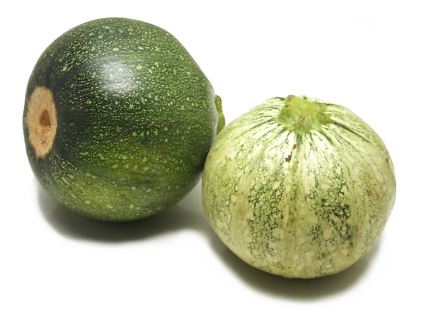
There are various types of Zucchini that possess distinct characteristics from others. Every zucchini are not dark green and round. Few widespread types are listed here with explanations:
1. Spineless Beauty Zucchini
It is desirable to those with hypersensitive skin which gets annoyed through the spines of Zucchinis plants. The foliage and stems are without spines and bear fruit prolifically. It is 8 inches long, smooth, deep green and possesses a rich taste.
2. Aristocrat Zucchini
This variety has a wax like skin and moderate green. Aristocrat Hybrid yields Zucchini during an entire season. The fruits are slim, dark green and up to 7-8″ in length. The waxy skin consists of white flesh inside.
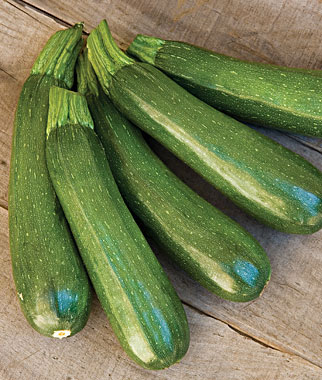
3. Black beauty Zucchini
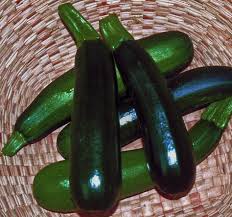
It has dark green skin with creamy white flesh. It is added to salads, soups and casseroles. It could be sliced thin to dips, fried, battered or as vegetable lasagna.
4. Zucchini Gadzukes
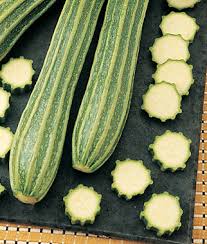
It is exclusive dark green which has light green ridges. When the slices are made it seems star-shaped. It possesses a sweet flavor and is crispy. It does well in full sun and common soil.
5. Gold Rush Zucchini
It is a variety of genus Cucurbita pepo var. cylindrical. It is a hybrid variety. Gold Rush Zucchinihas a vibrant, wax-like golden to yellow skin that protects the creamy flesh. It is an annual plant that grows up to the height of 90 cm (2.93 feet). It is a plant that requires low maintenance.
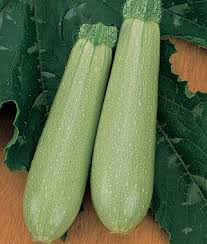
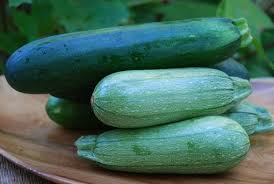
6. Greyzini Zucchini
Greyzini Zucchini has creamy grey to green fruits which are fairly sweet, delicious, and has a rich taste. It is an annual plant that grows up to 90 cm (2.93 feet) high. It blossoms at the beginning of the summer.
7. Sweet Gourmet Zucchini
Sweet gourmet is an annual plant that grows upto 90 cm or 2.93 feet high. The plant blooms at the beginning of the summer.
8. Zucchini ‘Dark Green’
It is a hybrid variety with dark green fruits which are mottled with pale green flesh. It possesses a fragile flavor. It has a lifecycle of one year. It grows up to 90 cm high.
9. Zucchini ‘Burpee’s Fordhook’
Burpee’s Fordhook has smooth, round, deep blackish to green and curved fruits. The flesh is creamy white and sensitive. It also grows upto the height of 90.0 cm. It blossoms during early summer.
10. Zucchini ‘Cocozelle’ Leaves of this variety are Kelly green in color. It is a tiny bush that produces dark green Zucchinis with light green stripes. It is effective for canning and freezing. It has a life cycle of one year.
It grows up to 90.0 cm high. This particular variety has a tendency to bloom during the early summer.
11. Zucchini ‘Black Jack’
BlackJack possesses a dark green fruit that is about 15 cm (6 inches) long. The fruit is lengthy, dark green with creamy to white flesh. It is an annual plant that grows up to 90 cm (2.93 feet) high.
12.’Golden Zucchini’
Leaves are rough and India green in color. The immature fruit is 20 to 30 cm long. Golden Zucchini grows to the height of 90 cm or 2.93 feet. It is considered to have arrived from Italy.
13. Zucchini ‘Ronde de nice’
The leaves of Ronde de nice are cadmium green and pale silver in color. Zucchini of French heirloom produces tiny, light green spherical Zucchini. Italian heirlooms are spherical, green, possess soft & fine flavor. Deep green leaves possess silver veins. Ronde de nice is an annual plant that grows up to 90 cm or 2.93 feet high. This variety is derived from France.
14. Zucchini ‘Defender’
It is grown an annual plant that grows up to 90 cm or 2.93 feet high. This variety blooms at a beginning of the summer. The defender has arisen from Italy.
15. Baby Zucchini
The flesh of Baby Zucchini is firm and seedless. They could be pickled along and cooked with other techniques. It doesn’t need a long time to cook and maybe steamed or blanched.
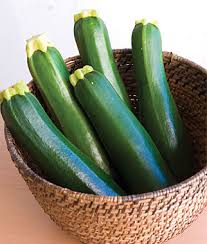
16. Green Zucchini
Green zucchini has smooth, deep green, shiny skin and has inch long green stem. This variety is versatile as it can be prepared in several ways such as roasted, steamed, grilled, baked, fried, and boiled.
17. Yellow Zucchini
The yellow courgettes have a similar taste to green courgettes. It has vibrant yellow skin and strong flesh with green stems.
18. Italian Zucchini
Italian zucchini is cooked similarly to standard zucchinis. This variety is green, lengthy, and thin. They are cultivated in Italy.
How to cook zucchini
Zucchini is made up of 95% water, so while cooking water will drip out. It could be added to the bread recipe as well. The daily intake of Zucchini helps to balance the overall health for the long term.
10 ways to cook zucchini
1. Grilled Zucchini Parmesan
Thicker slices of the grilled Zucchini should be layered with basil leaves, warm tomato sauce, and grated Parmesan in order to have a meatless main course.
2. Zucchini Carpaccio
Slice Zucchini in a thin way. Take 1/4 cup of white wine vinegar, one crumb of honey, and sprinkle of salt and pepper. Stir in 1/4 cup of olive oil. Then drizzle zucchini with adequate vinaigrette for a light coat. Stand for about fifteen minutes before serving. Top with asiago cheese. Then serve at room temperature.
3. Crisp Zucchini Gratin
Zucchini should be sliced in a long strip. Then layer in a baking dish and spread salt and pepper. Scatter with breadcrumbs and asiago or parmesan. Roast it until Zucchini is soft and the breadcrumbs are lightly golden. It requires about twenty-thirty minutes. Serve it hot.
4. Zucchini Crostini
Steam thick Zucchini rounds till it becomes soft. Sprinkle pinches of salt and newly ground pepper. Each round should be topped with a small dollop of light ricotta. After the nutmeg is sprinkled serve it. immediately.
5. Zucchini Noodles
Peel long and thin strips of Zucchini with the use of a veggie peeler. Cook it in boiling water until it is soft for about one to two minutes. Toss with a pasta sauce and vegetables.
6. Zucchini Shrimp Stir-Fry
Put vegetable oil in a fry pan or wok. Add quartered baby bok choy and strips of Zucchini. Stir fry it till it is soft. Add chopped garlic with squeezed lime juice. Then add shrimp and stir fry it till shrimp becomes pink and vegetables become soft. Serve it over the cooked buckwheat soba noodles. Season it with hot chili garlic sauce, garlic, sesame oil, and lime juice.
7. Zucchini Quinoa Salad
Cook quinoa by following the package directions. Steam chunks of Zucchini and broccoli florets by spreading them over quinoa for a couple of minutes. When the quinoa is completed, allow it to become cool. Stir it in a pinch of cayenne pepper, a dollop of Dijon mustard, and squeeze in lemon juice. Stir to coat and serve along with the main course.
8. Grilled Zucchini Ratatouille
Grill the ratatouille vegetables such as zucchini, tomatoes, eggplant, and peppers. When it becomes cool chop it coarsely. Toss with extra virgin olive oil, fresh lemon juice, pepper, sliced fresh oregano, and salt. Add navy beans or top with cheese. Served it warm or at room temperature.
9. Zucchini Slaw
Slice zucchini in thin or bite-size strips. Mix the light mayo with fresh lemon juice and a pinch of salt. Drizzle mayo mixture over the Zucchini strips to gently coat. Stir it to combine. Then serve it instantly.
10. Edamame, Zucchini, and Chicken Salad
Boiling edamame by following the package directions. Add chunks of Zucchini with edamame only at the last minutes of cooking. Drain it properly. Cool it a little bit, then toss with the chunks of cooked breast of chicken and baby greens such as arugula or spinach. Top with a low-fat dressing.
Recipes
Zucchini fritters
A quick, simple, and delicious recipe that’s quite low-calorie.
You will need
One and a half pounds of zucchini
A teaspoon of salt
A quarter cup of flour
A quarter cup of parmesan
Two cloves of garlic
An egg
Two tablespoons of olive oil
The method:
First, grate your zucchini. Put it into a strainer and slowly add your salt while tossing it, then let it sit for ten minutes so the salt can absorb. Afterward, drain it on a paper towel.
Mix the zucchini in a bowl with the flour, parmesan, garlic, and your egg, then add salt and pepper for your own taste.
Warm-up your oil in a pan on medium, then make your fritters by spooning your mixture into the pan. They should take about two minutes per side to cook.
2. Baked Zucchini Fries
This is another recipe that’s quite low-calorie, despite being incredibly delicious and very easy to prepare.
You will need:
A cup of panko bread crumbs
Half a cup of parmesan cheese
A teaspoon of Italian seasoning
Four Medium zucchinis
Half a cup of flour
Two eggs
Two tablespoons of parsley
The method:
Get your oven heated up to 425 degrees, and prepare your cooling rack by spraying it with cooking oil or nonstick coating. Put the cooling rack atop a baking sheet and set it aside.
Mix your panko in a bowl with the parmesan and Italian seasoning, then sprinkle some salt and pepper to taste. Set this aside for now.
Beat your eggs into a bowl until they’re completely mixed. Cut your zucchini into quarters, lengthwise, then powder them heavily with flour, quickly dip them into the eggs to coat them., then put them into the panko mixture and coat them.
When they’re all coated in panko, put them onto the baking sheet and bake them for around 20 minutes until they’re golden brown and crunchy. When they’re ready, serve them right away, or garnish with chopped parsley.
3. Zucchini pizza bites
Who doesn’t like pizza? Who doesn’t like low-calorie, easy-to-make pizza?
You will need:
A tablespoon of olive oil
Three zucchinis
A third cup of marinara sauce
Half a cup of mozzarella
A quarter cup of pepperoni
A tablespoon of Italian seasoning
The method:
Preheat your oven to broil, and heat up your olive oil in a large and medium-high. Slice your zucchini into quarter-inch thick circles. Cook your zucchini evenly, working in batches for simplicity. It shouldn’t take more than two minutes per side to make them golden. Salt and pepper to taste.
Place your sauteed zucchini onto a baking sheet then top each one with your marinara sauce, grated mozzarella, and sliced pepperoni.
Cook these until the cheese melts, which should take a couple of minutes. Serve them as soon as the cheese is melted, or sprinkle first with Italian
4. Zucchini Lasagna
What You Need
2 large zucchinis
1 tablespoon of salt
1/2 kilo of ground beef
1 1/2 teaspoons of black pepper
1 small (and diced) green bell pepper
1 diced onion
1 cup of tomato paste
30 ml of tomato sauce
1/4 cup of red wine
2 tablespoons of fresh basil, chopped
1 tablespoon of fresh oregano, chopped
Hot water (as you need)
1 egg
450 g of low-fat ricotta cheese
2 tablespoons of fresh parsley, chopped
1 pound of fresh mushrooms, sliced
220 g of grated Parmesan cheese
220 g of shredded mozzarella cheese
450 g of frozen spinach, chopped, thawed, and drained
Directions
Preheat the oven to 165o C. Take a deep baking pan and grease it.
Slice the zucchini lengthwise into thin slices. Sprinkle salt over them.
For preparing the meat sauce, cook and stir the beef and black pepper in a skillet over medium heat for 5 minutes. Add onion and green bell pepper, and cook and stir until the meat is no pinker. Add the tomato paste, basil, wine, tomato sauce, and oregano and stir. Bring to a boil. Reduce the heat and simmer the sauce for about 20 minutes. Stir frequently.
Stir the egg, parsley, and ricotta in a bowl.
Spread half of the meat sauce at the bottom of the baking pan. Layer half the zucchini slices, half the ricotta mixture, the entire spinach, and all the mushrooms, and then half the mozzarella cheese. Repeat the same by layering the remaining zucchini slices, ricotta mixture, and the mozzarella.
Spread Parmesan cheese evenly over the top and cover with foil.
Bake for about 45 minutes and remove the foil. Raise the oven temperature to 175 o C and bake for an extra 15 minutes.
Let it stand for 5 minutes. Serve.
5. Zucchini Soba Noodles
What You Need
120 g of soba noodles
2 to 3 grated cloves of garlic
1 tablespoon of grated ginger
1 tablespoon of water
1 tablespoon of olive oil
1/4 cup of soy sauce
1/2 thinly sliced red onion
1 thinly sliced yellow bell pepper
1 tablespoon of honey
1 small zucchini, cut into thin strips as noodles (equivalent to 2 cups)
2 to 3 tablespoons of toasted sesame seeds
Directions
Boil water in a pot.
Add the soba noodles and cook for about 4-5 minutes until tender. Drain and rinse under cold water and keep aside.
Heat the olive oil over medium heat in a large skillet. Add grated ginger and garlic and cook for a minute. Add the soy sauce, honey, and water. Reduce to a simmer and cook for 2 minutes.
To this soy sauce mixture, add the thinly sliced pepper and red onion. Cook for 3-4 minutes until tender.
Add the zucchini noodles and keep stirring. Cook for about 1-2 minutes. You can add more soy sauce or honey if you want.
Toss this with soba noodles and sprinkle with toasted sesame seeds. Serve.
6. Deep-Fried Zucchini Chips
What You Need
3 medium-sized zucchinis
1 cup of flour
2 cups of Panko crumbs
Salt, as required
1/4 cup of grated Parmesan cheese
2 tablespoons of water
Vegetable oil, as required
2 eggs
Directions
Heat 1 to 2 inches of the oil in a deep pan.
Maintain the heat of the oil around 175o C as any lower temperature will make the zucchini soak up too much of the oil.
Place the flour in a shallow bowl.
Take another bowl and combine the Panko crumbs, Parmesan cheese, and 3/4 teaspoon of salt.
Slice the zucchini into 1/2-inch thick circles. Coat them in flour, dip into the egg mixture, and then coat in the Panko crumbs. Fry until the chips turn golden brown on both the sides (90 seconds per side).
Drain on paper towels. Season with salt and serve.
Side Effects Of Zucchini
1. Digestive issues
Zucchini might cause digestive issues in people suffering from Irritable Bowel Syndrome (IBS). In such a case, consume it with caution. Or avoid it altogether (119).
Bitter zucchini might also cause stomach cramps or diarrhea or both (120).
2. Allergies
Zucchini might cause allergies in individuals who are sensitive to it. These include nausea, pruritus (severe skin itching), and certain kinds of oral allergies (121).
3. Alzheimer’s
Yes, this can be contradictory to what we spoke before in the article. Iron does help prevent brain ailments. But studies suggest that too much of it can cause neurological conditions like Alzheimer’s (122). Though iron is not abundant in zucchini, it still is better to consider its effects.
4. Excessive beta-carotene
Since zucchini is a very good source of beta-carotene, this could be a concern for certain individuals. Large doses of beta-carotene might be inadvisable for pregnant and lactating women, people who smoke (beta-carotene supplements), people who have been exposed to asbestos (beta-carotene supplements), and individuals who have undergone angioplasty (123).
Beta-carotene might also interact with medications – especially the ones used for lowering cholesterol and other medicines like niacin.
These side effects need to worry you in case you happen to take zucchini in excess. Otherwise, it sure is a wonder-food. And now, sit back and entertain yourselves with these super facts about zucchini.
Zucchini – Tips For Selection And Storage
How to select zucchini
Zucchini is usually picked and sold even before it matures. Hence, the seeds and skin are tender, and you can cook it even without peeling. This is why the zucchini must be clean and blemish-free. You must be able to pierce the skin easily with your fingernail.
Also, ensure the zucchini you select is small to medium in size. No more than 6 to 8 inches. Must be free of pricks and cuts. Much better if it has one inch of stem attached. Avoid longer or bigger zucchini.
How to store zucchini
Zucchini must be stored in a refrigerator. Remember to wrap it tightly (118).
Now we talk about freezing zucchini. If you want to freeze zucchini, choose the one with tender skin. Wash and slice it and scald for 3 minutes. Cool and drain and then pack it in a freezer container. You can also freeze shredded zucchini, provided you do it immediately.
If you are planning to grow zucchini in your backyard, you must remember that it grows best when surrounded by mulch, which keeps the soil moist. You also need to add two inches of water every week for the plant to thrive.
Once you have picked the right zucchini, what do you do? Simple. Enjoy it in your diet.
How To Prepare Zucchini?
If you are wondering how to use zucchini? Then, don’t worry! Here are fews ways to cook zucchini:
1. As a healthy snack
Simply take raw zucchini sticks and snack on them with your favorite dip. You can also pack them in your lunchbox for a healthy afternoon snack.
2. Mashed Zucchini
Wondering what to use as a side dish for your meal? Zucchini! Steam it and mash it. You can then puree this with other root vegetables and serve. Much better (and healthier) than mashed potatoes!
3. Grilled Zucchini
Who said only meat can be thrown on the grill? Slice zucchini into 1/2-inch thick disks, brush them with cooking oil (heat tolerant), and season as you desire.
4. Stuffed Zucchini
Pretty simple. Cut the zucchini lengthwise and scoop out the insides. Fill the empty zucchini cups with chopped vegetables, meat, and cheese. Bake for about 40 minutes at 190o C, or until they turn golden brown. Serve while hot.
5. Use in salads
Make your salad healthier by adding zucchini to it. If you have some leftover zucchini after a grill-out, you can simply add it to your salad.
This was about how to eat zucchini in so many smart ways. All good. But, what about babies? How about them?
How To Make Zucchini For Baby
We have already seen somewhere in this article why zucchini can be wonderful for babies. It has a mild flavor. It is soft to chew. And it offers super good nutrients.
But, remember this – zucchini, particularly because of its skin, can cause a bit of stomach upset in some individuals. Hence, you must wait till your baby is eating stage 2 foods, which would happen when (s)he is around 8 months old (117).
In case your child is prone to stomach upsets, peel the zucchini before cooking and observe how your child receives it. If things are alright, you can try with the skin the next time.
Here is how you can cook zucchini for your child:
Select a zucchini with a firm and shiny skin. It must be free of bruises and any other visible damage. Keep it unwashed in a plastic bag and store it in the refrigerator (until you are ready to cook it, which would usually be up to 4-5 days).
Divide the zucchini widthwise into half. Prepare the zucchini one half at a time. You can keep the second half back in the refrigerator until you want to use it next time.
Slice the end of the zucchini. Wash it thoroughly under a stream of cold water.
Cut it into thin slices.
Take a saucepan with cold water and bring it to a boil.
Add the sliced zucchini to it. Once the water boils, decrease the heat to medium.
Keep boiling the zucchini until it turns tender (this should take about 10 minutes).
Drain the water and transfer the boiled zucchini into a food processor. Process it until it is completely pureed. You can add a little cold water if it appears too thick.
Wait till the puree cools before you feed it to your little one. You can store the leftovers in a sealed container in the refrigerator for up to 2 days.
You can prepare the other half of zucchini in a similar way.
However, it’s always best to consult your baby’s pediatrician before introducing new foods in his/her diet.
That was for the babies. But what about us adults? Read on for some of the most sumptuous zucchini recipes you will ever find.