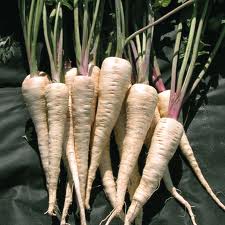
Parsnips are a member of the Umbelliferae family of vegetables, related to carrots, fennel, celeriac, and parsley root. Parsnips are a root vegetable that is native to Eurasia and have been used extensively in that region since ancient times. It is a hardy annual or biennial plant with a number of culinary applications. It is sweet, succulent underground taproots closely related to the carrot family of vegetables. It was even used as a sweetening agent for foods before cane sugar became a major import to Europe.
Parsnips Quick Facts
Name:
Parsnips
Scientific Name:
Pastinaca sativa
Origin
Europe to the Caucasus, Anatolia, Lebanon, and Western Siberia.
Colors
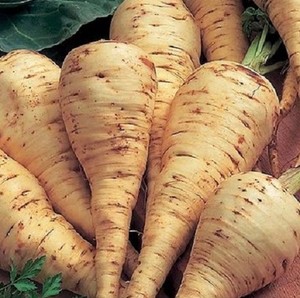
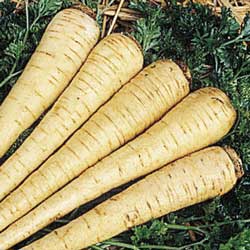
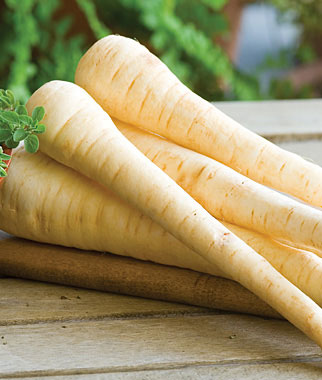
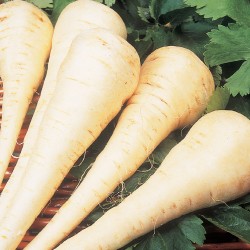
Yellowish white (Root)
Shapes
Smooth, fleshy, cylindrical, but some cultivars have a more bulbous shape (Root)
Flesh colors
Cream-colored
Taste
The sweet and peppery taste
Calories
100 Kcal./cup
Major nutrients
Manganese (32.39%)
Vitamin C (25.11%)
Vitamin K (24.92%)
Vitamin B9 (22.25%)
Carbohydrate (18.41%)
Health benefits
Fights Cancer, Dietary Fiber, Growth and Development, Birth Defects and Metabolism, Heart Health, Immune System, Mental and Emotional Disorders, ure of Lead Toxicity, Increases Energy Production, Osteoporosis, Weight Loss
Parsnip is a member of the Umbelliferae (Apiaceae) family, in the genus, Pastinaca, and is actually a relative of the carrot, parsley, celeriac, cumin, dill, and parsley root. It is a sweet, succulent underground taproot closely related to the carrot family. The word Parsnip is from the Latin ‘pastus’ meaning food and ‘sativa’ meaning cultivated. It is a root vegetable that is native to Eurasia and has been used extensively in that region since ancient times. It is closely related to carrots and parsley, and for that reason, it is often mistaken for carrots in historical records. Harris Model Parsnips, All American Parsnips, Hollow Crown Parsnips, Cobham Marrow Parsnips, and The Student Parsnips are some of the popular varieties of Parsnip which is grown throughout the world.
PARSNIP – PASTINACA SATIVA FACTS
Name
Parsnip
Scientific Name
Pastinaca sativa
Native
Wild distribution of parsnip occurs in Europe to the Caucasus, Anatolia, Lebanon, and Western Siberia.
Cool temperate climate and prefers full or partial sun
Soil
Moist to mesic conditions and fertile loamy soil
Plant Size
2-5 feet (0.6-1.5 meters) tall.
Root
Taproot
Root shape & Size
Smooth, fleshy, cylindrical, but some cultivars have a more bulbous shape
Root Color
Yellowish white
Flesh Color
Cream-colored
RootFlavor
Slightly celery-like fragrance
Root Taste
The sweet and peppery taste
Stem
Erect, glabrous to sparsely hairy, angular and furrowed.
Leaf
Leaves are once- or twice-pinnate with broad, ovate, sometimes lobed leaflets with toothed margins; they grow up to 40 cm (16 in) long.
Leaflets
Yellowish-green, shiny, oblong, coarsely toothed, and diamond-shaped.
Flowering Season
June-September
Flower
Yellow flowers are in a loose, compound umbel measuring 10 to 20 cm (4 to 8 in) in diameter. Six to 25 straight pedicels are present, each measuring 2 to 5 cm (1 to 2 in) that support the umbellets
Fruit
Oval and flat, with narrow wings and short, spreading styles. They are colored straw to light brown, and measure 4 to 8 mm (0.16 to 0.31 in) long.
Seed
Pale brown, oval or globose, narrowly winged seed.
Varieties/Types
Harris Model Parsnips, All American Parsnips, Hollow Crown Parsnips, Cobham Marrow Parsnips, The Student Parsnips
Major Nutrition
Manganese, Mn 0.745 mg (32.39%)
Vitamin C (Ascorbic acid) 22.6 mg (25.11%)
Vitamin K (phylloquinone) 29.9 µg (24.92%)
Vitamin B9 (Folate) 89 µg (22.25%)
Carbohydrate 23.93 g (18.41%)
Copper, Cu 0.16 mg (17.78%)
Total dietary Fiber 6.5 g (17.11%)
Vitamin B5 (Pantothenic acid) 0.798 mg (15.96%)
Phosphorus, P 94 mg (13.43%)
Vitamin E (alpha-tocopherol) 1.98 mg (13.20%)
Potassium, K 499 mg (10.62%)
Vitamin B1 (Thiamin) 0.12 mg (10.00%)
Iron, Fe 0.78 mg (9.75%)
Magnesium, Mg 39 mg (9.29%)
Peucedanum sativum (L.) Benth. & Hook.f. ex B.D.Jacks.
Selinum opacum E.H.L.Krause
Selinum pastinaca Crantz
Plant
Parsnip, Pastinaca sativa, is an herbaceous biennial plant in the family Apiaceae grew for its edible taproot resembling a pale carrot. It is found growing in cool temperate climates and prefers full or partial sun. Moist to mesic and fertile loamy soil is preferable for better growth of the plant. The plants normally reach 2-5 feet (0.6-1.5 meters) tall and have a deep taproot that is thick and fleshy and can grow between 10 and 23 cm (4–9 in) in length. It has an erect, glabrous to sparsely hairy, angular, and furrowed stem with a rosette of leaves. Leaves are once- or twice-pinnate with broad, ovate, sometimes lobed leaflets with toothed margins; they grow up to 40 cm (16 in) long. Leaflets are yellowish-green, shiny, oblong, coarsely toothed, and diamond-shaped. The plant produces yellow flowers are in a loose, compound umbel measuring 10 to 20 cm (4 to 8 in) in diameter and is found blooming from June to September. The flower later produces fruits, or schizocarps, which are oval and flat, with narrow wings and short, spreading styles. They are straw to light brown colored, and measure 4 to 8 mm (0.16 to 0.31 in) long. Seeds are normally pale brown, oval, or globose, narrowly winged.
Root
Parsnips are sweet, succulent underground taproots closely related to the carrot family of vegetables. The parsnip root is primarily eaten as a root vegetable after cooking. May be sliced and turned into crisps. The leaves of the plant are also edible and may be cooked and eaten as a vegetable. Parsnip root is smooth, fleshy, cylindrical, but some cultivars have a more bulbous shape and are yellowish-white in color and similar to the carrot in appearance. The flesh is usually cream-colored and has a slightly celery-like fragrance and sweet and peppery taste. The roots are generally harvested when they reach about six to ten inches in length, by pulling an entire plant along with its root (uprooting) as in carrots. It was even used as a sweetening agent for foods before cane sugar became a major import to Europe. You can still find parsnips as a main vegetable dish in many nations of Europe, particularly in the United Kingdom, where “neeps and tatties” (parsnips and potatoes) is one of the most famous dishes in Scotland.
History
Parsnips are believed to be native to the eastern Mediterranean area including the Caucasus. The Roman word for parsnip was pastinaca. Parsnip was illustrated in Germany in 1542 and called Pestnachen, a German form of the Roman word for parsnip, Pastinaca. Parsnip was a poor man’s food much as potatoes because they were comparatively productive and stored for a long time. Later it was introduced into England during the 16th century. Colonists brought them with them to Virginia and 20 years later parsnips were very common in Massachusetts. Indians even took to growing parsnip and thus they spread throughout the United States. Nowadays it is found growing throughout the world due to its wonderful health-promoting nutritional value as well as its miraculous taste.
Nutritional Value
Apart from their sweet and peppery taste Parsnip is a good source of nutrients, vitamins, and minerals. Consuming 100 grams of cooked Parsnip offers 0.745 mg of Manganese, 22.6 mg of Vitamin C, 29.9 µg of Vitamin K, 89 µg of Vitamin B9, 23.93 g of Carbohydrate, 0.16 mg of Copper, 6.5 g of Total Dietary Fiber and 0.798 mg of Vitamin B5.
Nutritional value of Parsnips, raw
Serving Size: 1 Cup, 133 g
Calories 100 Kcal.Calories from Fat 3.6 Kcal.
Proximity
Amount
% DV
Water
105.77 g
N/D
Energy
100 Kcal
N/D
Energy
418 kJ
N/D
Protein
1.6 g
3.20%
Total Fat (lipid)
0.4 g
1.14%
Ash
1.3 g
N/D
Carbohydrate
23.93 g
18.41%
Total dietary Fiber
6.5 g
17.11%
Total Sugars
6.38 g
N/D
Minerals
Amount
% DV
Calcium, Ca
48 mg
4.80%
Iron, Fe
0.78 mg
9.75%
Magnesium, Mg
39 mg
9.29%
Phosphorus, P
94 mg
13.43%
Potassium, K
499 mg
10.62%
Sodium, Na
13 mg
0.87%
Zinc, Zn
0.78 mg
7.09%
Copper, Cu
0.16 mg
17.78%
Manganese, Mn
0.745 mg
32.39%
Selenium, Se
2.4 µg
4.36%
Vitamins
Amount
% DV
Water-soluble Vitamins
Vitamin B1 (Thiamin)
0.12 mg
10.00%
Vitamin B2 (Riboflavin)
0.066 mg
5.08%
Vitamin B3 (Niacin)
0.931 mg
5.82%
Vitamin B5 (Pantothenic acid)
0.798 mg
15.96%
Vitamin B6 (Pyridoxine)
0.12 mg
9.23%
Vitamin B9 (Folate)
89 µg
22.25%
Folate, food
89 µg
N/D
Folate, DEF
89 µg
N/D
Vitamin C (Ascorbic acid)
22.6 mg
25.11%
Fat-soluble Vitamins
Vitamin E (alpha-tocopherol)
1.98 mg
13.20%
Vitamin K (phylloquinone)
29.9 µg
24.92%
Lipids
Amount
% DV
Fatty acids, total saturated
0.066 g
N/D
Myristic acid 14:00(Tetradecanoic acid)
0.004 g
N/D
Palmitic acid 16:00 (Hexadecanoic acid)
0.04 g
N/D
Stearic acid 18:00 (Octadecanoic acid)
0.019 g
N/D
Fatty acids, total monounsaturated
0.149 g
N/D
Palmitoleic acid 16:1 (hexadecenoic acid)
0.004 g
N/D
Oleic acid 18:1 (octadecenoic acid)
0.136 g
N/D
Fatty acids, total polyunsaturated
0.063 g
N/D
Linoleic acid 18:2 (octadecadienoic acid)
0.055 g
N/D
Linolenic acid 18:3 (Octadecatrienoic acid)
0.004 g
N/D
Flavonols
Amount
% DV
Quercetin
1.3 mg
N/D
*Above mentioned Percent Daily Values (%DVs) are based on 2,000 calorie diet intake. Daily values (DVs) may be different depending upon your daily calorie needs. Mentioned values are recommended by the U.S. Department of Agriculture. They are not rxharun.com recommendations. Calculations are based on average age of 19 to 50 years and weigh 194 lbs. Source:
Parsnip dishes really are a healthy accessory for any kind of holiday food. Many individuals believe parsnips are simply pale carrots, even though they are within the identical family, they’re not just one within the same. Another thing they do have in common is definitely the capability to increase serotonin within the brain, which will help you really feel happier! Parsnips additionally consist of falcarinol which has powerful anti-bacterial, anti-microbial as well as anti-fungal qualities, assisting the entire body within the combat against swelling.
1. Weight Loss
Since parsnip is a low-calorie option with high levels of soluble fiber, it fills you up and prevents the release of ghrelin, which is a “hunger” hormone. This will expressively reduce your likelihood of snacking between meals and help you with your weight loss goals. Apart from that optimized digestive processes help you eliminate waste and get your nutrient uptake into peak condition to get the healthiest nutrients from your food.(1)
2. Osteoporosis
Manganese is one of several trace elements that are essential for bone health. There is no particular indication that manganese can prevent osteoporosis, but some research found that taking a mixture of calcium, zinc, copper, and manganese helped lessen the spinal bone loss in a group of post-menopausal women. Anyone may have osteoporosis, but it is common in mature women. As many as half of all women and a quarter of men older than 50 will break a bone due to osteoporosis. Parsnip consists of 0.745 mg of manganese which is 32.39% of the daily recommended value.
3. Increases Energy Production
Copper is essential for the synthesis of adenosine triphosphate, which is an energy storehouse of the human body. The cuproenzyme, cytochrome c oxidase, affects intracellular energy production. It acts as a catalyst for the reduction of molecular oxygen to water, during which the enzyme produces an electrical gradient used by the mitochondria to synthesize the vital energy-storing molecule, ATP. Therefore, when we have enough copper in our bodies, we will have enough functional and accessible energy to get through the day without feeling lethargic or tired.
4. Cure of Lead Toxicity
Lead Toxicity is a severe health problem found mainly in kids, particularly in urban areas. Unusual growth and development have been discovered in certain children who are exposed to lead. They develop behavioral problems, learning disabilities and also tend to have a low IQ. It may damage the kidneys and increase blood pressure in adults. Vitamin C supplements, as well as vitamin C-rich food, can reduce the blood lead level. Including Parsnip in your regular diet can help to solve this problem as it consists of a considerable amount (25.11%) of Vitamin C.
5. Mental and Emotional Disorders
Vitamin B9 contained in parsnip is helpful in treating numerous mental and emotional disorders. For instance, it is helpful in treating anxiety and depression, which are two of the most common mental health problems suffered by people in today’s modern world.
6. Immune System
Parsnips are packed with essential vitamins, antioxidants and organic compounds that safeguard the body from foreign invaders, as well as toxic byproducts from our own cellular metabolism. Vitamin C and E present in parsnip act as antioxidants in the body and help to eliminate or neutralize free radicals which may cause chronic diseases, like cancer. Apart from that Vitamin C also encourages the production of white blood cells to attack the disease and foreign microbes in the body, in addition to functioning as a key element in the production of collagen, which is a fundamental building block of our body.(2)
7. Heart Health
Everyone seems to be searching for the big secret to unlocking a healthy cardiovascular system, and while fruits and vegetables are always a good choice, parsnips make an even bigger impact than usual, given the high level of potassium, which acts as a vasodilator and decreases blood pressure, as well as stress on the heart. The high level of folate found in parsnips is the perfect complement, as it reduces homocysteine levels in the blood, which are related to a higher risk of heart disease.(3)
8. Birth Defects and Metabolism
Folate is a member of the B-vitamin family and is connected with reducing neural tube birth defects in infants and enhancing metabolic processes related to energy production as well as your nervous system. Also, folate has been positively linked with lower levels of depression in those who regularly add it to their diet.(4)
9. Growth and Development
Though the content of protein isn’t remarkably high in parsnips, the full range of minerals and vitamins that parsnip boasts means it is an ideal snack or dietary addition because it can help to balance diets that may suffer from unpredictability or nutrient deficiency. Just as carrots are a great on-the-go snack, parsnips can likewise be a healthy option, rather than potato chips as well as junk food.(5)
10. Dietary Fiber
Parsnips have been admired for their higher fiber content for many years, particularly because it is composed of soluble fiber, a variety that is strictly related with reducing cholesterol levels and with a lower chance of developing diabetes. On top of that, dietary fiber is a key component of our digestive process, enabling healthy movement of food through the digestive tract, a reduction in constipation, and the prevention of other gastrointestinal disorders.(6)
11. Fights Cancer
Parsnip0 consists of Vitamin K that has been displayed to be effective in decreasing the risk of prostate, colon, stomach, nasal, and oral cancers. The research found that high doses of vitamin K helped patients with liver cancer stabilize and even improve their liver function. Another research showed that an increase in dietary intake of vitamin K is related to a reduced risk of cardiovascular, cancer. Parsnip consists of 29.9 µg of Vitamin K which is 24.92% of the daily recommended value.
Types of Parsnips
Parsnips, a distant relative of the carrot, are available in distinct types with various features to include in your dinner table.
Listed here are several well-known types of Parsnip-
1. Harris Model Parsnips
The Harris Model variety of parsnip is well-liked by home gardeners as well as industrial farmers. It’s got smooth white-colored skin, straight roots along with much more carefully grained flesh as compared to various other cultivars. It’ll grow from 12 to 15 inches long in approximately 130 days. This particular sweet-flavored parsnip does very best in the partial sun along with reasonable watering and often will require surface protection throughout the very coldest climate. Plant the Harris Model in loamy, well-drained, citrus soil.
2. All American Parsnips
The All-American parsnip is really a fast-growing variety, able to be collected in just 95 days. The flesh is soft, having a fairly sweet, ridiculous taste. Disease resistant, the All American is most beneficial gathered throughout late fall. It may be left outdoors through the majority of the winter if properly protected by straw mulch or even row covers. It lets you do your very best in the partial sun along with light watering and really should be grown in loamy, slightly acidic soil.
3. Hollow Crown Parsnips
The Hollow Crown parsnip is definitely an heirloom variety from England, therefore titled for the submerged, crown-like design in the bottom of the leaves. The roots grow to a lot more than 14 inches long and also need deep-soil tilling. This particular parsnip multiplies as well as sweetens in severe winter months. It will take as much as 3 weeks to emerge, but could be forced in case the soil is warmed up using a covering of clear plastic. Plant it in well-tilled, acidic soil as well as water on a regular basis. Harvest from mid-fall through winter.
4. Cobham Marrow Parsnips
The Cobham Marrow parsnip develops roots as much as 8 inches lengthy. This really is one of several sweetest parsnip types, utilized quite often in desserts or even glazed along with brown sugar. It germinates within just 3 weeks and is also extremely resistant to canker disease. Till plant beds from 12 to 16 inches deep. This particular parsnip is harvest-ready in approximately 4 months, even though the taste will further develop if left within the beds past the first couple of hard frosts.
5. The Student Parsnips
The Student is definitely an American heirloom parsnip dating to the mid-1850s. The root can easily develop to 30 inches long in case the plant beds are seriously tilled. The taste is sweet and also gentle, which will improve if left in the earth beyond the initial few touches of frost. It’ll, however, require surface safety to stay practical. This particular parsnip requires between 95 to 125 days to mature and does very best in the incomplete sun along with reasonable watering.
How to Eat
Parsnip can be consumed raw, cooked, boiled, fried, or roasted.
The root is delicious baked; it may also be used in soups, stews, salads, casseroles, pies, and puddings and dried for seasoning soups and processed for canning.
Parsnip is used for making jam, marmalade preserve, and sweet flour for cakes.
Parsnip is eaten with salt fish and boiled eggs during Lent.
Roasted parsnip is considered a significant ingredient in Christmas dinner and is featured in the traditional Sunday roast.
Parsnip is also used for making beer and wine in Britain and Ireland.
Cottagers make a beer by boiling the roots with water and hops and afterward fermenting the liquor in Ireland.
In the north of Ireland, they have been often brewed with malt instead of hops and fermented with yeast, the result being a pleasurable drink.
Parsnip wine, when properly made, is valued by many people; the quality has been said to approach the famed Malmsey of Madeira.
Leaves and young shoots are cooked with other greens as a vegetable or added to soups.
Seed is used as a condiment and has a similar taste as dill.
Raw parsnips add a distinctive sweet taste to salads, coleslaw, and toppings.
It can be cooked and mashed with potato, leeks, cauliflower, etc.
Slices and cubes are added to stews, soups, and stir-fries and served with poultry, fish, and meat.
It can be used in bread, pies, casseroles, cakes, etc., in a variety of savory dishes.
Parsnips are boiled and the solid portions are removed from the soup or stew, leaving behind a more subtle flavor than the whole root, and starch to thicken the dish.
Parsnips can also be fried or thinly sliced and made into crisps.
Other Traditional uses and benefits of Parsnips
It is used in folk medicine for kidney disorders, jaundice as well as other disorders.
Root and leaves are diuretics.
Tea made from parsnip root has been used in the treatment of women’s complaints, and a strong decoction has been used for intermittent fever.
A poultice of the roots has been used externally to inflammations and sores and to treat psoriasis and vitiligo.
Oils extracted from parsnip seeds have been used to treat intermittent fever.
In traditional Chinese medicine, the root of Chinese parsnip is used as an herbal medicine ingredient.
Other Facts
Roots and shoots serve as good animal feed especially for pigs and dairy cattle.
Leafy shoots and roots are used in a domestic insect spray to control aphids and red spider mites.
Parsnips are not only a valuable item of human food but equal, if not superior to carrots for fattening pigs, making the flesh white and being preferred by pigs to carrots.
Furanocoumarins found in parsnip had been shown to be toxic or repellent to insects.
Precautions
Parsnip consists of polyacetylene that has proven cytotoxic activity. Caution is recommended in individuals using anticancer agents since the mixture might have addicting results.
Parsnip could cause photosensitivity. Caution is suggested in individuals taking some other agents that can cause light sensitivity, just like St. John’s wort, since the mixture may improve this side-effect.
The parsnip plant and its parts may cause hypersensitivity reactions like contact dermatitis and oral allergy syndrome (OAS) when handled in some sensitive individuals.
Buying Tips:
Choose Parsnips that are smooth, firm, and one which is about the dimensions of a medium carrot. Gentleness is oftentimes a sign of rot, which might seem like a gray mold or even watery soft rot. Woody cores are usually present in huge, rough roots.
Storage Tips:
The majority of parsnips can be purchased with the tops taken out; in case the tops are still connected, cut them off just before saving them so that they don’t pull humidity from the roots. They may be kept for a couple of weeks within the fridge.
Cooking Tip:
To get the complete taste of parsnips, they must be steamed within their skins till tender. Then they might be peeled and split lengthwise. In case the core is big, scoop it out using the point of a knife. If soft, they may be consumed raw.
Cooking Tips
Parsnips could be baked, steamed, roasted, and also boiled.
They are coupled with meat or even fish to make soups.
Boil the parsnips and also mash them. Mix all of them with just a little butter, milk, salt, and pepper for the scrumptious flavor.
Boil parsnips till soft, about eight minutes, and mash along with unsalted butter and low-fat milk for the low-calorie parsnip puree.
Shred 1 parsnip and also combine it with your Coleslaw mix to get a spicy bite.
Dice 2 carrots and 2 parsnips and sauté along with chopped onion to get a low-calorie breakfast hash.
Rough chop parsnips and also put in the more preferred stew.
Give crushed potatoes a kick simply by mashing parsnip together with potatoes.
Slice parsnips into strips, rub along with olive oil, rosemary, salt & pepper. Bake at 400° F for Fifteen minutes or even till done for healthy low-calorie fries!