Edible Seaweed – Nutritional Value, Health Benefits, Recipes

Edible seaweed, or sea vegetables, are seaweeds that can be eaten and used for culinary purposes. They typically contain high amounts of fiber. They may belong to one of several groups of multicellular algae: red algae, green algae, and brown algae.[rx]

Seaweeds are also harvested or cultivated for the extraction of polysaccharides[rx] such as alginate, agar, and carrageenan, gelatinous substances collectively known as hydrocolloids or hydrocolloids. Hydrocolloids have attained commercial significance, especially in food production as food additives.[rx] The food industry exploits the gelling, water-retention, emulsifying, and other physical properties of these hydrocolloids.[rx]

Most edible seaweeds are marine algae whereas most freshwater algae are toxic. Some marine algae contain acids that irritate the digestion canal, while some others can have a laxative and electrolyte-balancing effect.[rx] Most marine macroalgae are nontoxic in normal quantities, but members of the genus Lyngbya are potentially lethal.[rx] Typically poisoning is caused by eating fish that have fed on Lyngbya or on other fish which have done so.[rx] This is called ciguatera poisoning.[7] Handling Lyngbya majuscula can also cause seaweed dermatitis.[rx] Some species of Desmarestia are highly acidic, with vacuoles of sulfuric acid that can cause severe gastrointestinal problems.[rx]

According to archeological studies, sea vegetables have been consumed by the Japanese for more than 10,000 years. In the ancient Chinese cultures, they were considered a delicacy that was served on very special occasions and to honored guests. Sea vegetables are thought to have been included in the diet of prehistoric people who lived near water in regions such as Scotland, Ireland, Norway, Iceland, New Zealand, the Pacific Islands, and coastal South American countries. Today, Japan is the largest producer and exporter of sea vegetables.[1]

Throughout the world, there are thousands of types of sea vegetables, which may also be referred to as seaweed and algae. Not all of these are suitable for human consumption; in fact, most are probably not. They tend to be classified into categories by color—brown, red, or green. The following are some of the best known sea vegetables:

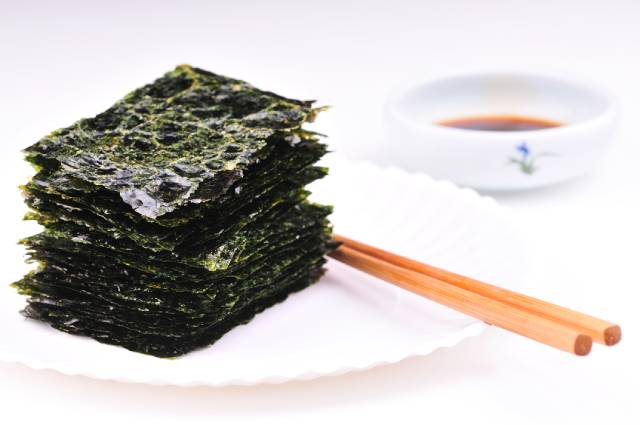
Nori: Although nori are dark purple-black, they turn green when toasted. Nori are frequently used to make sushi rolls.

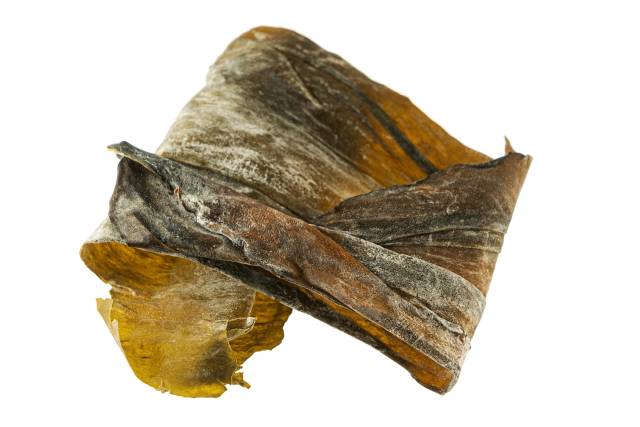
Kombu: Kombu is dark and tends to be sold in strips or sheets. It is often used to flavor soups.

Kelp: Generally available as flakes, kelp may be light brown to dark green.

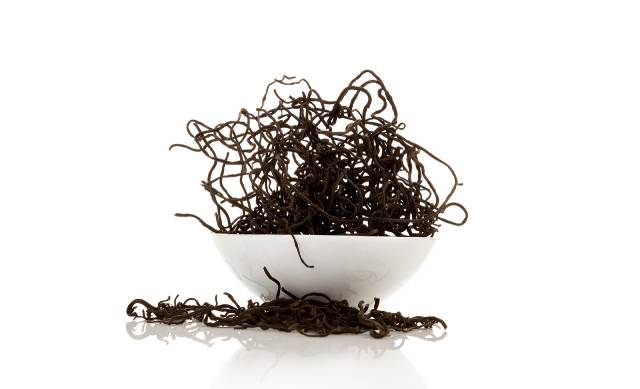
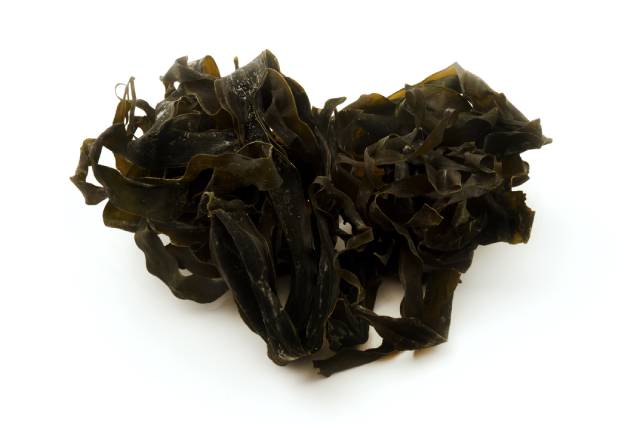
Hijiki: This type of sea vegetable, which has a strong flavor, looks like ‘‘black wiry pasta.’’

Arame: Sweeter and milder than most types of sea vegetables, arame is ‘‘wiry.’’

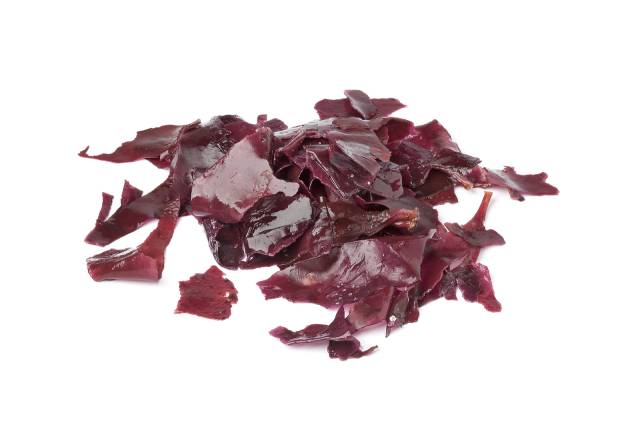
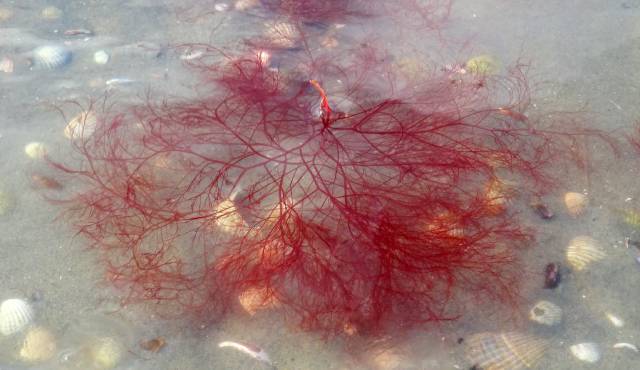
Dulse: Reddish brown, dulse has a soft and chewy texture.

Wakame: Wakame is like Kombu and is used to make miso soup.[2]


Types of sea vegetables.

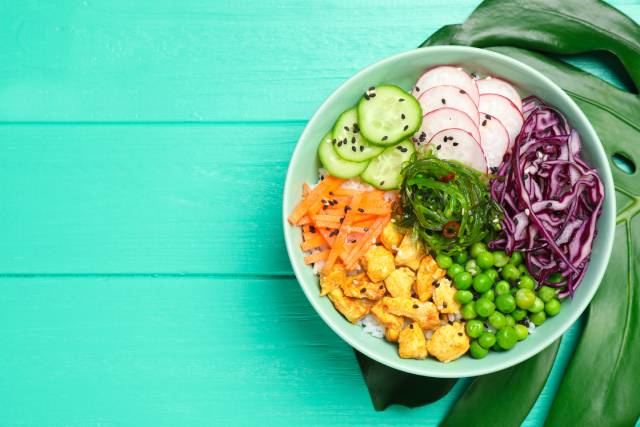
There is considerable diversity in the edible seaweed family. The many available varieties come with different nutrition profiles and uses. The red algae—nori—might be the most familiar because it’s typically used as sushi wrap or garnish. However, as seaweed becomes more mainstream, seaweed snacks, oils, seasonings, and even jerky are popping up in stores.

You can find it raw, pickled, dried, powdered, and encapsulated. Chefs are becoming more adventurous by incorporating these veggies into everything from soup to ice cream. And if chomping on something that tastes like the sea just isn’t for you, then you can forgo the taste and texture altogether by stirring the powdered form into smoothies or soups.

Kelp

There are nearly 30 varieties of this large brown alga, known colloquially as “seaweed.” This is the version of sea vegetables you are most likely to feel clinging to your legs while in the ocean. But you’ve probably also encountered kelp in your day-to-day while firmly on land; it’s found in thousands of products.

Algin, a versatile component in kelp, is an ingredient in toothpaste, shampoo, pharmaceuticals, and even ice cream. A rich source of nutrients like iodine, vitamin K, vitamin A, vitamin B-12, iron, magnesium, and lots of calcium (more than kale), kelp comes in both powder and capsule supplements, as well as raw and dried. There’s even kelp jerky!

Nori

This briny seaweed is often sold in thin, dry sheets, either plain or toasted, and is what you usually find holding your sushi roll together. This is a great seaweed for the pantry because it lasts a very long time and can add instant umami (savoriness due to the amino acid, glutamate) to any dish.

Get creative with it! Try your hand at making your own sushi, or crumble it up and use it in salad dressings, make nori-crusted steak, sprinkle it over popcorn, or use it in ramen. The list goes on and on.

Spirulina

A type of blue-green algae, spirulina is a single-celled cyanobacteria that has been referred to as the most nutrient-rich food on the planet. Originally used by the Aztecs, it was resurrected by NASA to feed astronauts in space.

Phycocyanin is the main active component that contributes to the algae’s antioxidant properties.* Typically found in powder or tablet form, a single tablespoon is considered an incredible source of high-quality protein made up of every essential amino acid, as well as an array of vitamins, minerals, and electrolytes.

Dulse

Full of the same range of nutrients as other sea vegetables, dulse resembles red, leafy lettuce. But you probably won’t find dulse raw. It’s usually dried immediately after harvesting and sold as whole-leaf, flakes, powder, or in seasoning mixes.

Next time you feel like a BLT, try pan-frying some whole-leaf dulse instead and see if you can tell the difference between it and bacon!

Wakame

A brown seaweed, wakame is another popular one and is traditionally used in cold salads or as a topping on tofu, soup, sushi, or rice.

Usually sold in dry form, it can be rehydrated by soaking it in water for a few minutes. This also helps remove some of the excess salt. Then toss it into your favorite salad and let the nutrients course through you.

Chlorella

This freshwater algae is another powerhouse food. You will only find it as a supplement because its hard cell wall prevents it from being digested in its natural form. In addition to the numerous health benefits it shares with other sea vegetables, chlorella has also been shown to also absorb heavy metals in the body, aiding in detoxification.*

Kombu

When it’s cold and dreary outside, break out the kombu and the stockpot. This seaweed is used in dashi, a traditional Japanese stock. Use kombu alone or with dried bonito flakes for miso soup or as a seasoning liquid in other dishes. Better yet, combine with beans or other hard-to-digest vegetables like Brussels sprouts or cabbage. Kombo has enzymes that break down gas-producing raffinose sugars found in many legumes and vegetables.

A List of Sea Vegetables

In this section, we will look at some of the most popular sea vegetable varieties from around the world.

1) Aonori

Edible Seaweed - Nutritional Value, Health Benefits, Recipes
  • Common name: Aonori (Green laver)
  • Scientific name: Monostroma hariotti
  • Area of cultivation: East Asia: Korea, Japan, Taiwan
  • Uses: eaten as a vegetable, seasoning, dried seaweed sheets

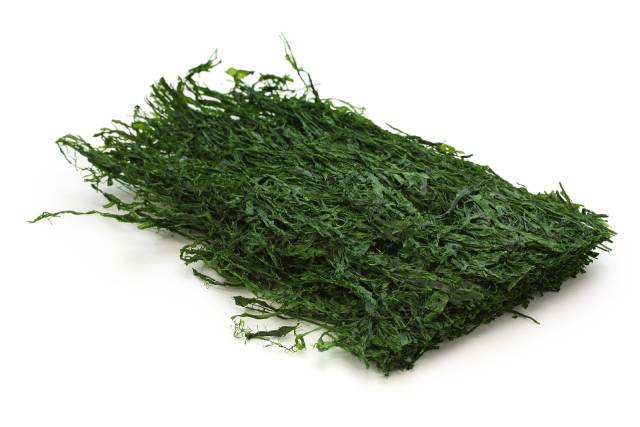
Sometimes known just as green laver, the Japanese name of aonori refers to a type of green algae.

Aonori is popular in East Asian nations where it is cultivated, including Korea, Japan, and Taiwan.

However, its flavorful dried and powdered form, which can be used to season various dishes, is available worldwide. This product is sometimes known as ‘aonori flakes.’

2) Arame

Edible Seaweed - Nutritional Value, Health Benefits, Recipes
  • Common name: Arame
  • Scientific name: Eisenia bicyclis
  • Area of cultivation: Japan, Korea
  • Uses: flavoring soups, stews, and other dishes

Eisenia bicyclis, commonly known as arame, is a type of brown algae. Processed, packaged, and sold in a dried state, arame typically has a dark and brittle appearance.

This sea vegetable is often added to soups and stews as seasoning. As the water boils, the seaweed reconstitutes and starts adding a lot of flavor to the dish, with hints of umami-like flavors and a slight saltiness.

Arame can also be cut into long thin strips and then used as a flavor-enhancing ingredient in stir-fries.

3) Badderlocks

Edible Seaweed - Nutritional Value, Health Benefits, Recipes
  • Common name: Badderlocks, dabberlocks, winged kelp
  • Scientific name: Alaria esculenta
  • Area of cultivation: East Asia, Europe, North America
  • Uses: salads, soups, stews, and stir-fries

Alaria esculenta, more commonly known as badderlocks or winged kelp, is a popular form of green algae that grows worldwide.

Dabberlocks is a type of ‘kelp,’ which refers to large brown algae. As shown in the above illustration, this sea vegetable has a long leaf-like appearance.

Although it grows all around the world, badderlocks is particularly concentrated around the British Isles (6).

Traditionally, badderlocks is consumed either raw or cooked in soups, stews, salads, and stir-fries.

4) Dulse

Edible Seaweed - Nutritional Value, Health Benefits, Recipes
  • Common name: Dulse
  • Scientific name: Palmaria palmata
  • Area of cultivation: Europe, Japan, Korea, North America, Russia
  • Uses: dried snack, powdered seasoning, soups, and stews

Palmaria palmata, better known as dulse, is a sea vegetable that belongs to the red algae family.

Dulse can be found in oceans around the world, and interestingly, this red seaweed may offer more protein than most other sea vegetables.

On this note, a study demonstrated that dulse had a protein content approaching that of protein-rich plant foods like soybeans. In this study, dulse cultivated during winter had a protein content of 21.9 grams per 100g (7).

People use dulse in various ways:

  • Dried (and fried) as a snack
  • For flavoring soups and stews
  • Adding powdered dulse to dishes as a seasoning
  • Mixing dried ‘dulse flakes’ into various dishes to enhance the flavor

5) Gim/Nori

Edible Seaweed - Nutritional Value, Health Benefits, Recipes
  • Common name: Gim, Nori
  • Scientific name: Pyropia, Porphyra
  • Area of cultivation: Korea, Japan
  • Uses: Dried seaweed sheets

Pyropia and Porphyra are forms of red algae.

Seaweed belonging to the species of Pyropia and Porphyra is commonly used in East Asia to make dried seaweed sheets. These products are known by the names of ‘nori’ in Japan and ‘Gim’ in Korea.

Interestingly, these dried seaweed products have been demonstrated to contain a rare plant source of vitamin B12 (8).

However, the Academy of Nutrition and Dietetics has stated that nori “cannot be relied upon as an adequate or practical source of B-12” and that vegans should consume supplements or fortified foods (9).

There are lots of interesting ways to use nori sheets:

  • Crumble them into dishes to enhance the flavor
  • Use them as wraps instead of bread
  • Make sushi that uses dried seaweed as a wrap
  • Reconstitute them in soups and stews
  • Eat them as a snack

6) Guso/Eucheuma

Edible Seaweed - Nutritional Value, Health Benefits, Recipes
  • Common name: Gusô/Eucheuma
  • Scientific name: Eucheuma
  • Area of cultivation: Philippines, South-East Asia
  • Uses: Food source, carrageenan production

Eucheuma is a type of algae that can grow in three different colors: brown, green, or red.

This sea vegetable is mostly cultivated in the Philippines as a food source and also for carrageenan production (10).

Sometimes known as guso, this seaweed is a popular ingredient in ‘seaweed salad’ dishes in the Philippines (11).

Here is a good example recipe for a eucheuma seaweed salad.

7) Hijiki

Edible Seaweed - Nutritional Value, Health Benefits, Recipes
  • Common name: Hijiki
  • Scientific name: Sargassum fusiforme
  • Area of cultivation: China, Japan, Korea
  • Uses: Vegetable (eaten alone), used in mixed dishes

Hijiki is a traditional sea vegetable that has been consumed in East Asia for centuries, and it is a form of brown algae.

After being harvested, hijiki is usually boiled and then dried, after which it develops a dark color. When it is time to cook hijiki, the dried seaweed should be soaked in water and then cooked as part of a dish (or to be eaten alone).

As with most seaweed, hijiki is an excellent source of fiber, vitamins, and minerals. That said, there have been some concerns over hijiki consumption in recent years.

These concerns revolve around the high levels of inorganic arsenic, which is a human carcinogen, that hijiki can contain (1213).

Due to these concerns and animal studies showing that arsenic accumulates in rats fed hijiki, several governmental agencies have advised their citizens to avoid the consumption of hijiki. These agencies include the United Kingdom’s Food Standards Agency (FSA) (14).

8) Irish Moss

  • Common name: Irish Moss
  • Scientific name: Chondrus crispus
  • Area of cultivation: Ireland, United Kingdom, Spain, United States, Canada, Japan
  • Uses: Add to soups and stews, making stock, carrageenan production

Chondrus crispus is a type of red algae more commonly known as Irish moss. This sea vegetable has a reddish-purple color, and it is a rich source of fiber, protein, vitamins, minerals, and polyphenols (15).

Despite the name, Irish moss grows from the United States to Southern Europe, and as far East as Japan (16).

Like many other seaweeds, Irish moss tends to be used in soups and stews rather than eaten fresh. Irish moss is also used to produce significant amounts of carrageenan, a thickener used within the food industry (17).

9) Kombu

Edible Seaweed - Nutritional Value, Health Benefits, Recipes
  • Common name: Kombu
  • Scientific name: Saccharina japonica
  • Area of cultivation: China, Japan, Korea
  • Uses: Adding flavor to soups and stews

Kombu is a form of large brown algae, a group commonly known as kelp.

We can find kombu in oceans around the world, but it is most extensively cultivated in China, Japan, and Korea (18).

Kombu has a tough texture, it is thick, and it takes a long time to soften when boiling it in water. However, it works well for seasoning purposes and its flavors work well in soups and stews.

It is also possible to make a stock using kombu. Known as ‘kombu dashi’ in Japanese, we can use this flavor-enhancing stock as a base ingredient for various soups and stews.

There is a useful guide on how to make it here.

An important point to note about kombu is that it offers extremely high levels of iodine, which can be positive and negative.

While it is an excellent source of the mineral, due to the significant iodine levels it contains, it can be easy to consume too much iodine. For instance, research has shown that per dried gram, kombu can contain as much as 2353 mcg of iodine (19).

In contrast, the FDA’s recommended daily value for iodine is set at only 150 mcg per day (20).

10) Oarweed

Edible Seaweed - Nutritional Value, Health Benefits, Recipes
  • Common name: Oarweed
  • Scientific name: Laminaria digitata
  • Area of cultivation: British Isles, Scandinavia, Greenland, Eastern regions of the United States
  • Uses: Add to soups, stews and other dishes, make a stock

Laminaria digitata, known by the common name of oarweed, is a type of large brown algae (kelp).

This sea vegetable grows in the North Atlantic region, and it is prevalent around the United Kingdom, France, Denmark, Sweden, Norway, Finland, and Iceland (21).

Similar to other types of brown seaweed such as kombu, oarweed is commonly used to add flavor to soups and stews or to make a seaweed stock.

11) Ogonori

Edible Seaweed - Nutritional Value, Health Benefits, Recipes
  • Common name: Ogonori
  • Scientific name: Gracilaria
  • Area of cultivation: China, Japan, Korea, Hawaii, Philippines
  • Uses: Salads, soups, and stews

Species of Gracilaria are red algae sea vegetables, and they are more commonly known as ogonori or ‘ogo’ for short.

Ogonori grows around the world. However, as with many varieties of seaweed, China, Japan, and Korea are some of the biggest producers.

This seaweed may be consumed either by itself or in ‘seaweed salads’ or in soups and stews.

12) Sea Grapes

  • Common name: Sea grapes/green caviar
  • Scientific name: Caulerpa lentillifera
  • Area of cultivation: China, Japan, Philippines, Taiwan, Vietnam
  • Uses: Raw vegetable, seaweed salads

Caulerpa lentillifera is better known by the names sea grapes and green caviar, and it is a type of green algae.

These names make sense, as this marine vegetable does look like small balls of green caviar.

The commercial cultivation of sea grapes is exclusive to Asia, and most of it comes from Japan and the Philippines.

Sea grapes contain a range of beneficial nutrients, and based on animal research, their intake may potentially have benefits (22).

However, there is a lack of human research on this food. Furthermore, one potential problem with sea grapes is that food poisoning can be an issue, so the seaweed requires careful and appropriate storage (23).

13) Sea Lettuce

  • Common name: Sea lettuce
  • Scientific name: Ulva lactuca
  • Area of cultivation: Worldwide
  • Uses: Raw vegetable, salads, soups, stews

Ulva lactuca, or sea lettuce, is a type of green algae that grows around coastlines globally.

This popular marine vegetable slightly resembles very delicate-looking lettuce leaves, hence its name.

Research into sea lettuce has demonstrated that it contains a broad range of minerals in significant amounts (24).

On the downside, depending on where it grows, sea lettuce can also be a source of heavy metals such as lead (25).

14) Wakame

  • Common name: Wakame
  • Scientific name: Undaria pinnatifida
  • Area of cultivation: Australia, France, Japan, Korea, New Zealand
  • Uses: Salads, soups, stews

Wakame is one of the most popular sea vegetables in the world, and it is a variety of kelp (large brown algae).

This seaweed features in some famous international dishes such as miso soup (Japan) and seaweed soup (Korea).

If fresh wakame is not available locally, it should be easy to find a dried imported version to buy. This simply needs to be rehydrated by placing it in hot water for around five minutes or so.

Several studies have investigated the potential health effects of wakame. A recent human trial suggested that wakame may have benefits for the management of blood glucose and insulin levels (26).

Health Benefits

Sea vegetables are an excellent source of iodine and vitamin K. They are a very good source of folate and magnesium, and they are a good source of calcium, iron, and tryptophan.[3] But what have the researchers learned?

1. Breast Cancer

In a study published in 2005 in The Journal of Nutrition, California researchers divided 24 rats into two groups. One group was fed a regular diet, and a second group was fed a diet enhanced with kelp. After four weeks, the rats that ate the diet with kelp showed a 25 to 38 percent reduction in estrogen levels in the blood. (Higher amounts of serum estrogen are associated with increased risk for breast cancer.) In addition, the kelp lengthened the rats’ menstrual cycles by up to 37 percent. It is known that women who have longer menstrual cycles have fewer cycles during their lifetime. So, less of their life is spent with high amounts of estrogen in their blood.

The researchers also tested the kelp on human ovarian cells. They found that it reduced estrogen production by 18 to 35 percent. These findings at least partially explain why people who consume Asian diets, which contain relatively high amounts of sea vegetables, ‘‘have a lower incidence of hormone-dependent cancers than populations consuming Western diets.’’ The research indicates that ‘‘anti-estrogenic effects of dietary kelp . . . may contribute to these reduced cancer rates.’’[4a4b]

2. Skin Cancer

In a study published in 2006 in the International Journal of Cancer, researchers investigated nine groups of mice, each containing 20 hairless mice specially bred to be strongly susceptible to UVB-induced skin cancer. 248 HEALTHY FOODS: FACT VERSUS FICTION The researchers applied varying amounts of brown algae polyphenols (BAPs) to the skin (3 milligrams or 6 milligrams in a mild solvent) of some of the mice and fed other mice different amounts of BAPs. Many of the mice were exposed to UVB rays. There was also a group of mice that served as controls.

The researchers determined that the mice exposed only to UVB (without treatment) developed an average of 8.5 skin tumors; the mice fed the lower and higher amounts of BAPs, respectively, had 4.7 and 3.7 tumors. But, the best results were seen in the topical application of BAPs. The lower dose mice had 3.4 tumors and the higher dose had 4.6. Furthermore, the mice that were treated with BAPs had tumor volumes that were markedly lower than in the mice that were exposed to UVB without any type of treatment.[5]

3. Cardiovascular health

In a randomized, double-blind, placebo-controlled trial that was published in 2007 in The Journal of Nutrition, British researchers gave 38 healthy men and women, between the ages of 40 and 65, either daily 0.7 g of docosahexaenoic (DHA), an omega-3 fatty acid found in algae and fish oil, or a placebo. After four months, the treatments were switched. The researchers found that when the subjects took the DHA, their diastolic blood pressure dropped by 3.3 mm Hg, and their heart rate decreased by 2.1 beats per minute. So, taking a relatively modest amount of DHA has the potential to enhance cardiovascular health.[6]

In a study published in 2008 in the Journal of the American Dietetic Association, researchers compared the heart-protective effects of two weeks of daily 600-ml capsules of algae-derived supplementation in 32 healthy men and women, between the ages of 20 and 65, to the consumption of salmon. The results were similar. ‘‘Algal-oil DHA capsules and cooked salmon appear to be bioequivalent in providing DHA to plasma and red blood cells, and, accordingly, . . . algal-oil DHA capsules represent a safe and convenient source of non-fish-derived DHA.’’[7]

4. Osteoarthritis

In a study published in 2008 in Nutrition Journal, researchers randomly placed 70 subjects with mild to severe osteoarthritis in one of four parallel investigation groups. The subjects, who were between 25 and 70 years old, were then assigned to take one of the following for 12 weeks: Aquamin (a multi-mineral supplement from seaweed, 2400 mg/day), glucosamine sulfate (1500 mg/day), a combination of Aquamin (2400 mg/day) and glucosamine sulfate (1500 mg/day), or a placebo.

Only 50 subjects completed the study. Still, the subjects on either Aquamin or glucosamine sulfate had significant improvement in their osteoarthritis symptoms. The subjects who received the combined supplement or the placebo did not experience any significant changes. The researchers wrote that SEA VEGETABLES 249 their study ‘‘suggested that a multi mineral supplement (Aquamin) may reduce the pain and stiffness of osteoarthritis over 12 weeks of treatment and warrants further study.’’[8]

5. Weight control

A study published in 2008 in the Asia Pacific Journal of Clinical Nutrition may be of particular importance to the millions of people who are either overweight, obese, or simply trying to maintain a healthful weight.

Japanese researchers compared the weight of rats and mice fed regular diets or diets enhanced with fucoxanthin, brown pigment found in some types of sea vegetables. The researchers found that fucoxanthin, which stimulated a protein that increased the metabolism of abdominal fat, caused the animals to lose weight and abdominal fat. Would fucoxanthin do the same for humans? That is uncertain. Nevertheless, companies are now selling concentrated forms of fucoxanthin, and there is anecdotal evidence that these may be effective. The researchers concluded that fucoxanthin ‘‘is an important bioactive carotenoid that . . . should be beneficial for the prevention of metabolic syndrome.’’

In a randomized, controlled, two-way crossover trial published in 2008 in Appetite, British researchers compared the effects of seven-day consumption of a seaweed-based drink (‘‘strong-gelling sodium alginate formulation’’) against control in 68 men and women with an average body mass index (BMI) of 23.5. The researchers found that the subjects who drank the seaweed product reduced their energy intake by about seven percent. They concluded that products like the one they used may be able to play a role ‘‘in the future management of overweight and obesity.’’

 6. They support detoxification

Unfortunately, we are regularly exposed to heavy metals from the products we use, pollution in our air, the food we consume (hello, high-mercury tuna), and even the fillings in our teeth.

Heavy metals accumulate in our bodies and can leave us feeling run down and awful all around. But algae such as spirulina and chlorella help support the body’s detoxification process.* In animal studies, these algae were able to reduce heavy metal levels, such as cadmium and lead.*

7. They are a good source of iodine

Iodine is critical for thyroid health; without enough, you run the risk of hypothyroidism, which can cause a host of issues, including weight gain, fatigue, and goiter. It can cause complications during pregnancy, affect brain and bone development, and even cause pregnancy loss.

About a third of the world’s population doesn’t get the recommended dietary intake (RDI) for iodine of 150 mcg per day, and pregnant women are most at risk for being deficient. Luckily, seaweed is an excellent dietary source of this essential mineral, with kombu having the highest content followed by wakame and nori.*

8. They have beneficial antioxidants

Excess free radicals cause cell destruction, DNA damage, and are thought to contribute to many adverse health conditions. Antioxidants prevent this damage by scavenging free radicals.* The term itself can refer to a wide range of substances, including specific vitamins (A, C, E, and beta-carotene are the most common), flavonoids, and carotenoids, among many others.

Sea veggies are chock-full of antioxidants and are the subject of numerous studies for their health benefits.*

9. They support a healthy gut microbiome.*

Seaweed gives your gut some love. It’s got more fiber than most fruits and vegetables, between 25 and 75% by dry weight, which helps with digestion and keeps things moving.* And it’s full of prebiotics, which feed the good bacteria in your gut and curbs the harmful ones.* It might even protect against H. pylori, bacteria that can cause stomach ulcers, although these studies have yet to be carried out in humans.*

As an added bonus, Jess Cording, M.S., R.D., CDN says, “The fiber in seaweed helps bind to cholesterol and escort it out of the body.* Fiber also helps you stay full longer to keep hunger and mindless snacking in check.”*

10. They’re a good source of vitamins and minerals.*

In case you weren’t paying attention, sea veggies are brimming with vitamins and minerals.* Aside from the antioxidants mentioned above, you’ll find iron, copper, manganese, folate, zinc, sodium, calcium, and magnesium.

In fact, seaweed is higher in minerals like copper and iron than meat or spinach! Eight grams of dried dulse has quadruple the amount of iron as 100 grams of sirloin steak.

11. They are a good source of omega-3 fatty acids*

These fatty acids get a lot of attention in health news lately, and with good reason—they protect against a range of adverse health conditions, especially benefitting cardiovascular health.*

We all know that we can find the all-important omega-3s in fatty fish, but the fish are getting them from their diet of sea algae, and you should too!

How to purchase

Sea vegetables are known for their ability to absorb minerals from the water. Often, these are healthy minerals such as calcium, iron, magnesium, and iodine. However, when sea vegetables are located in polluted waters, they may also absorb heavy metals such as arsenic and lead. As a result, whenever possible, it is best to purchase organic sea vegetables. Are sea vegetables a valuable part of the diet? They certainly seem to be.


References

RxHarun
Logo