

Connecting tubule pain refers to discomfort or pain arising from the connecting tubules in the kidneys. The connecting tubule is a critical part of the nephron, the functional unit of the kidney, responsible for fine-tuning the balance of water and electrolytes in the body. Understanding this pain involves exploring its causes, symptoms, diagnostic methods, treatments, and preventive measures. This guide aims to provide a clear and comprehensive overview in simple language to help you grasp the essentials of connecting tubule pain.
Connecting tubule pain is discomfort originating from the connecting tubules in the kidneys. These tubules play a vital role in the kidney’s function by adjusting the concentration of urine, thus maintaining the body’s fluid and electrolyte balance. Pain in this area can be a symptom of various underlying kidney conditions or other health issues.
Pathophysiology
Structure
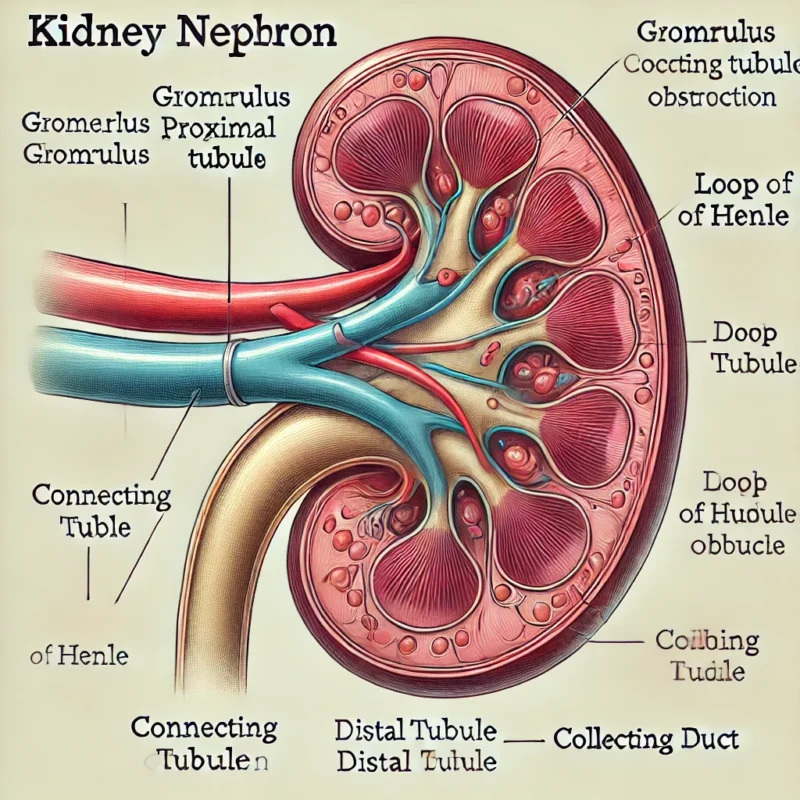
The connecting tubule is part of the nephron, which includes the glomerulus, proximal tubule, loop of Henle, distal tubule, and collecting duct. The connecting tubule links the distal tubule to the collecting duct, facilitating the final adjustments in urine composition.
Blood Supply
Connecting tubules receive blood supply primarily from the peritubular capillaries, which are networks of tiny blood vessels surrounding the tubules. This blood supply is crucial for the reabsorption and secretion processes that occur in the nephron.
Nerve Supply
Nerve fibers innervate the connecting tubules, providing sensory information about pain and other sensations. These nerves can transmit pain signals to the brain if there’s inflammation, injury, or other issues affecting the tubules.
Types of Connecting Tubule Pain
Connecting tubule pain can be categorized based on its origin and characteristics:
- Acute Pain: Sudden and severe, often due to kidney stones or acute infections.
- Chronic Pain: Persistent and long-lasting, possibly from chronic kidney disease or ongoing infections.
- Referred Pain: Pain felt in other areas like the lower back or abdomen, even though the issue is in the connecting tubules.
Causes of Connecting Tubule Pain
Connecting tubule pain can result from various conditions affecting the kidneys or nearby structures. Here are 20 potential causes:
- Kidney Stones: Hard mineral deposits causing blockage and pain.
- Urinary Tract Infections (UTIs): Bacterial infections leading to inflammation.
- Pyelonephritis: Severe kidney infection causing intense pain.
- Polycystic Kidney Disease: Genetic disorder with fluid-filled cysts.
- Glomerulonephritis: Inflammation of the glomeruli affecting tubule function.
- Interstitial Nephritis: Inflammation between kidney tubules.
- Renal Trauma: Injury to the kidneys from accidents or falls.
- Hydronephrosis: Swelling of a kidney due to urine buildup.
- Diabetic Nephropathy: Kidney damage from diabetes affecting tubules.
- Hypertensive Nephrosclerosis: High blood pressure-induced kidney damage.
- Renal Tumors: Cancerous growths in the kidneys.
- Renal Artery Stenosis: Narrowing of arteries supplying the kidneys.
- Toxins or Medications: Substances harming kidney tubules.
- Autoimmune Diseases: Conditions like lupus affecting kidneys.
- Obstructive Uropathy: Blockage in the urinary tract causing back pressure.
- Renal Tubular Acidosis: Acid-base imbalance from tubule dysfunction.
- Vascular Disorders: Blood flow issues to the kidneys.
- Urinary Obstruction: Blockages preventing normal urine flow.
- Kidney Infections: Bacterial or viral infections targeting kidneys.
- Congenital Anomalies: Birth defects affecting kidney structure.
Symptoms Associated with Connecting Tubule Pain
Pain from the connecting tubules can manifest with various symptoms. Here are 20 possible symptoms:
- Flank Pain: Sharp or dull pain on the side of the body between the ribs and hips.
- Lower Abdominal Pain: Discomfort in the lower belly area.
- Back Pain: Pain extending to the lower back.
- Pain During Urination: Discomfort while passing urine.
- Frequent Urination: Needing to urinate more often than usual.
- Burning Sensation: A burning feeling during urination.
- Hematuria: Blood in the urine.
- Cloudy Urine: Urine appearing murky or opaque.
- Fever: Elevated body temperature.
- Chills: Feeling cold with shivering.
- Nausea: Feeling sick to the stomach.
- Vomiting: Throwing up.
- Fatigue: Unusual tiredness or lack of energy.
- Swelling: Edema in the legs, ankles, or around the eyes.
- High Blood Pressure: Elevated blood pressure levels.
- Urine Odor Changes: Unusual smells in urine.
- Pain Radiating to Genitals: Discomfort spreading to the groin area.
- Difficulty Urinating: Straining or pain when trying to urinate.
- Loss of Appetite: Reduced desire to eat.
- General Malaise: A general feeling of being unwell.
Diagnostic Tests for Connecting Tubule Pain
Diagnosing the cause of connecting tubule pain involves various tests. Here are 20 diagnostic methods:
- Urinalysis: Testing urine for abnormalities.
- Blood Tests: Checking kidney function and detecting infections.
- Ultrasound: Imaging to visualize kidney structure.
- CT Scan: Detailed imaging to identify stones or tumors.
- MRI: Magnetic imaging for soft tissue assessment.
- X-ray: Basic imaging for detecting kidney stones.
- Renal Scan: Assessing kidney function and structure.
- Intravenous Pyelogram (IVP): X-ray with dye to visualize urinary tract.
- Cystoscopy: Endoscopic examination of the bladder.
- Biopsy: Sampling kidney tissue for analysis.
- Electrolyte Panel: Measuring electrolyte levels in blood.
- Glomerular Filtration Rate (GFR): Evaluating kidney filtering ability.
- Urine Culture: Identifying bacterial infections.
- Urodynamic Tests: Assessing bladder function.
- DMSA Scan: Detecting kidney scarring.
- Nuclear Renal Imaging: Functional imaging of kidneys.
- PTH Levels: Parathyroid hormone measurement affecting kidney function.
- Serum Creatinine: Measuring waste product levels.
- Fractional Excretion Tests: Evaluating kidney handling of electrolytes.
- Genetic Testing: Identifying hereditary kidney diseases.
Non-Pharmacological Treatments
Managing connecting tubule pain often involves non-drug approaches. Here are 30 non-pharmacological treatments:
- Hydration: Drinking plenty of water to flush kidneys.
- Diet Modification: Reducing salt, protein, or certain minerals.
- Heat Therapy: Applying warm compresses to alleviate pain.
- Physical Therapy: Exercises to strengthen back and abdominal muscles.
- Stress Management: Techniques like meditation and deep breathing.
- Acupuncture: Traditional Chinese practice for pain relief.
- Massage Therapy: Relieving muscle tension around kidneys.
- Weight Management: Maintaining a healthy weight to reduce kidney strain.
- Quit Smoking: Reducing risk of kidney disease.
- Limit Alcohol: Reducing alcohol intake to protect kidneys.
- Regular Exercise: Enhancing overall kidney health.
- Avoiding Caffeine: Limiting caffeine to reduce kidney workload.
- Low-Protein Diet: Decreasing protein intake to ease kidney function.
- Potassium Management: Controlling potassium-rich foods.
- Phosphate Binders: Dietary adjustments to manage phosphate levels.
- Proper Hygiene: Preventing UTIs through good hygiene practices.
- Elevating Legs: Reducing swelling by elevating feet.
- Compression Therapy: Using compression garments to manage edema.
- Breathing Exercises: Enhancing relaxation and pain control.
- Biofeedback: Learning to control physiological functions to reduce pain.
- Tai Chi: Gentle martial arts for improving balance and reducing stress.
- Yoga: Stretching and relaxation techniques beneficial for kidney health.
- Adequate Rest: Ensuring sufficient sleep to aid recovery.
- Avoiding Heavy Lifting: Reducing physical strain on kidneys.
- Limit NSAIDs: Avoiding nonsteroidal anti-inflammatory drugs that can harm kidneys.
- Regular Monitoring: Keeping track of kidney function through check-ups.
- Herbal Supplements: Using kidney-friendly herbs under professional guidance.
- Avoiding Excessive Sugar: Managing blood sugar to protect kidneys.
- Reducing Processed Foods: Cutting down on additives that may burden kidneys.
- Environmental Toxin Avoidance: Limiting exposure to harmful substances.
Medications for Managing Connecting Tubule Pain
Pharmacological treatments play a role in managing the underlying causes and pain. Here are 20 drugs commonly used:
- Analgesics: Pain relievers like acetaminophen.
- NSAIDs: Nonsteroidal anti-inflammatory drugs (e.g., ibuprofen).
- Antibiotics: Treating bacterial infections (e.g., ciprofloxacin).
- Alpha Blockers: Relaxing muscles in the urinary tract (e.g., tamsulosin).
- Diuretics: Increasing urine output to prevent stone formation.
- Antispasmodics: Reducing muscle spasms in the urinary tract.
- Corticosteroids: Reducing inflammation (e.g., prednisone).
- Immunosuppressants: Managing autoimmune-related kidney issues.
- ACE Inhibitors: Lowering blood pressure and protecting kidneys (e.g., lisinopril).
- ARBs: Angiotensin II receptor blockers for blood pressure control.
- Phosphate Binders: Managing phosphate levels in the blood.
- Erythropoietin: Treating anemia associated with kidney disease.
- Vitamin D Supplements: Supporting bone health in kidney patients.
- Beta-Blockers: Controlling blood pressure.
- Calcium Channel Blockers: Managing hypertension.
- Lithotripsy Medications: Facilitating kidney stone passage.
- Antivirals: Treating viral kidney infections.
- Antifungals: Managing fungal infections affecting kidneys.
- Uric Acid Reducers: Managing gout and kidney stone risk.
- Pain Modulators: Medications like gabapentin for nerve pain.
Surgical Interventions
In some cases, surgery may be necessary to address connecting tubule pain. Here are 10 surgical options:
- Lithotripsy: Breaking kidney stones using shock waves.
- Ureteroscopy: Removing stones or obstructions via the ureter.
- Nephrectomy: Surgical removal of a damaged kidney.
- Pyeloplasty: Repairing the renal pelvis to improve urine flow.
- Renal Transplant: Replacing a diseased kidney with a healthy one.
- Percutaneous Nephrolithotomy: Removing large kidney stones through a small incision.
- Embolization: Blocking blood flow to reduce bleeding in kidney tumors.
- Kidney Biopsy: Surgically obtaining kidney tissue for diagnosis.
- Urinary Diversion Surgery: Creating alternative pathways for urine flow.
- Stent Placement: Inserting a tube to keep the urinary tract open.
Prevention of Connecting Tubule Pain
Preventing connecting tubule pain involves maintaining kidney health and addressing risk factors. Here are 10 preventive measures:
- Stay Hydrated: Drinking enough water to prevent stone formation.
- Balanced Diet: Eating a diet low in salt and rich in fruits and vegetables.
- Regular Exercise: Maintaining a healthy weight to reduce kidney strain.
- Manage Blood Pressure: Controlling hypertension to protect kidneys.
- Control Blood Sugar: Managing diabetes to prevent kidney damage.
- Avoid Excessive Protein: Limiting high-protein foods that burden kidneys.
- Limit Oxalate Intake: Reducing foods high in oxalate to prevent stones.
- Stop Smoking: Eliminating smoking to decrease kidney disease risk.
- Moderate Alcohol Consumption: Limiting alcohol to support kidney health.
- Regular Check-Ups: Monitoring kidney function through medical appointments.
When to See a Doctor
It’s essential to seek medical attention if you experience:
- Severe or Persistent Pain: Especially in the back, side, or lower abdomen.
- Blood in Urine: Visible or detected through tests.
- Fever and Chills: Accompanied by pain, indicating possible infection.
- Difficulty Urinating: Pain or inability to pass urine.
- Swelling: Unexplained swelling in legs, ankles, or around the eyes.
- Nausea and Vomiting: Along with other symptoms of kidney issues.
- High Blood Pressure: Sudden or uncontrolled increases.
- Frequent Urination: Especially if accompanied by pain or discomfort.
- Unexplained Fatigue: Persistent tiredness not relieved by rest.
- Changes in Urine Output: Significant increases or decreases.
Frequently Asked Questions (FAQs)
- What exactly are connecting tubules?
- Connecting tubules are part of the nephron in the kidneys, responsible for adjusting urine composition.
- Can connecting tubule pain indicate kidney disease?
- Yes, pain can be a symptom of various kidney conditions affecting the connecting tubules.
- Is the pain from connecting tubules similar to kidney stone pain?
- It can be similar, often characterized by sharp or intense discomfort in the back or side.
- How is connecting tubule pain diagnosed?
- Through a combination of physical exams, imaging tests, blood and urine tests, and sometimes biopsies.
- Can lifestyle changes help alleviate connecting tubule pain?
- Yes, maintaining hydration, a balanced diet, and healthy habits can reduce pain and prevent causes.
- Are there specific diets recommended for kidney health?
- Diets low in salt, protein, and certain minerals like oxalate can support kidney function.
- Is surgery always required for severe connecting tubule pain?
- Not always. Surgery is considered based on the underlying cause and severity of the condition.
- Can stress contribute to kidney pain?
- While stress doesn’t directly cause kidney pain, it can exacerbate symptoms and overall health.
- Are there home remedies for managing mild connecting tubule pain?
- Applying heat, staying hydrated, and practicing relaxation techniques can help manage mild pain.
- How does high blood pressure affect the kidneys?
- It can damage blood vessels in the kidneys, impairing their function and leading to pain.
- What role do medications play in managing kidney pain?
- Medications can relieve pain, treat infections, reduce inflammation, and manage underlying conditions.
- Can kidney infections cause connecting tubule pain?
- Yes, infections like pyelonephritis can cause significant pain in the kidney area.
- Is it possible to have connecting tubule pain without other symptoms?
- It’s uncommon, as pain usually accompanies other signs like changes in urine or systemic symptoms.
- How long does connecting tubule pain typically last?
- It varies based on the cause; acute pain from stones may resolve quickly, while chronic pain may persist.
- Can children experience connecting tubule pain?
- Yes, kidney-related pain can occur in children due to infections, stones, or congenital issues.
Conclusion
Connecting tubule pain is a significant indicator of potential kidney issues that require attention. Understanding its causes, symptoms, and treatments can empower you to seek timely medical care and adopt preventive measures. Maintaining a healthy lifestyle, staying hydrated, and managing underlying health conditions are crucial steps in preventing and managing this pain. If you experience persistent or severe pain, consult a healthcare professional to determine the underlying cause and appropriate treatment.
Disclaimer: Each person’s journey is unique, treatment plan, life style, food habit, hormonal condition, immune system, chronic disease condition, geological location, weather and previous medical history is also unique. So always seek the best advice from a qualified medical professional or health care provider before trying any treatments to ensure to find out the best plan for you. This guide is for general information and educational purposes only. Regular check-ups and awareness can help to manage and prevent complications associated with these diseases conditions. If you or someone are suffering from this disease condition bookmark this website or share with someone who might find it useful! Boost your knowledge and stay ahead in your health journey. We always try to ensure that the content is regularly updated to reflect the latest medical research and treatment options. Thank you for giving your valuable time to read the article.


