

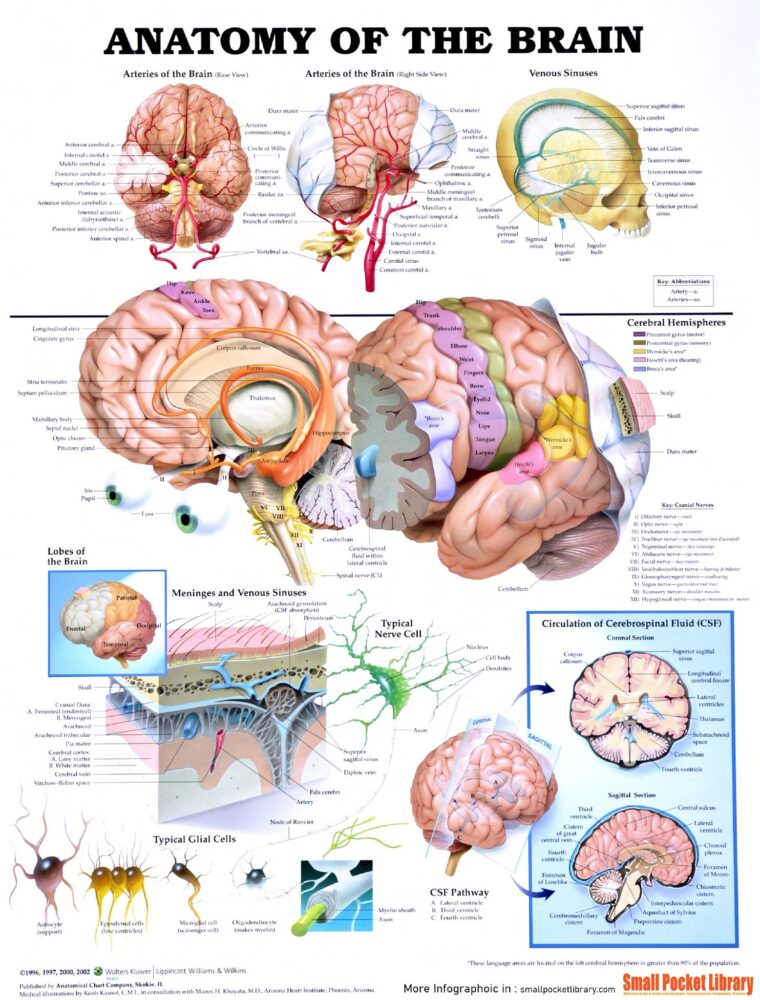
The thalamus is a crucial part of the brain responsible for relaying sensory and motor signals to the cerebral cortex, the outer layer of the brain. When lesions occur in the thalamus, they can disrupt these important functions, leading to various symptoms and complications. In this article, we will explore the types, causes, symptoms, diagnosis, and treatment options for thalamus lesions in simple, easy-to-understand language.
Types of Thalamus Lesions:
Thalamus lesions can be classified into different types based on their characteristics and effects on the brain. These include ischemic lesions, hemorrhagic lesions, and structural lesions.
- Ischemic Lesions: These occur when there is a blockage in the blood vessels supplying the thalamus, leading to a lack of oxygen and nutrients.
- Hemorrhagic Lesions: These result from bleeding within or around the thalamus, often due to ruptured blood vessels.
- Structural Lesions: These involve physical damage or abnormalities in the thalamus, such as tumors or trauma.
Causes of Thalamus Lesions:
Thalamus lesions can have various underlying causes, including:
- Stroke: A leading cause of thalamus lesions, strokes occur when blood flow to the brain is disrupted, leading to tissue damage.
- Hypertension: High blood pressure can increase the risk of blood vessel damage and hemorrhagic lesions in the thalamus.
- Traumatic Brain Injury: Severe head trauma can result in structural lesions in the thalamus.
- Tumors: Both primary and metastatic brain tumors can affect the thalamus and cause lesions.
- Infections: Certain infections, such as encephalitis or meningitis, can lead to inflammation and damage in the thalamus.
- Vascular Malformations: Abnormalities in blood vessels can increase the risk of hemorrhagic lesions in the thalamus.
- Neurodegenerative Diseases: Conditions like multiple sclerosis or Alzheimer’s disease can cause damage to the thalamus over time.
- Toxic Exposure: Exposure to toxins or certain medications can lead to thalamus lesions.
- Genetic Factors: Inherited conditions may predispose individuals to thalamus lesions.
- Autoimmune Disorders: Conditions where the immune system attacks the body’s own tissues can affect the thalamus.
- Metabolic Disorders: Disorders such as Wilson’s disease or maple syrup urine disease can lead to thalamus lesions.
- Radiation Therapy: Treatment for brain tumors or other conditions involving radiation can sometimes damage the thalamus.
- Nutritional Deficiencies: Lack of essential nutrients can impair thalamus function and lead to lesions.
- Substance Abuse: Chronic alcohol or drug abuse can contribute to thalamus lesions.
- Hypoxia: Prolonged oxygen deprivation, such as during a near-drowning incident, can cause damage to the thalamus.
- Hypoglycemia: Extremely low blood sugar levels can affect brain function and lead to thalamus lesions.
- Hypoxemia: Reduced oxygen levels in the blood can impair thalamus function.
- Systemic Diseases: Conditions like lupus or sarcoidosis can involve the central nervous system, including the thalamus.
- Inflammatory Disorders: Conditions characterized by chronic inflammation can affect the thalamus.
- Unknown Causes: In some cases, the exact cause of thalamus lesions may remain unknown.
Symptoms of Thalamus Lesions:
Thalamus lesions can manifest with a variety of symptoms, depending on their location and severity. Common symptoms include:
- Sensory Disturbances: Changes in sensation, such as numbness, tingling, or abnormal sensations like burning or prickling.
- Motor Impairments: Weakness, clumsiness, or difficulty with coordination and movement.
- Pain: Persistent or severe pain, which may be localized or diffuse.
- Visual Changes: Blurred vision, double vision, or other visual disturbances.
- Speech Problems: Difficulty speaking clearly or articulating words.
- Cognitive Changes: Memory problems, confusion, difficulty concentrating, or changes in reasoning and judgment.
- Emotional Changes: Mood swings, irritability, depression, or anxiety.
- Sleep Disturbances: Insomnia, excessive sleepiness, or disruptions in sleep patterns.
- Seizures: Abnormal electrical activity in the brain leading to seizures.
- Balance and Coordination Issues: Problems maintaining balance and coordination, leading to falls or difficulty walking.
- Headaches: Persistent or severe headaches, which may be accompanied by other symptoms.
- Fatigue: Persistent tiredness or lack of energy.
- Nausea and Vomiting: Especially if accompanied by other neurological symptoms.
- Dizziness: Sensations of lightheadedness or vertigo.
- Changes in Appetite: Loss of appetite or increased appetite without apparent cause.
- Difficulty Swallowing: Dysphagia or difficulty swallowing food or liquids.
- Urinary and Bowel Changes: Incontinence or difficulty controlling bladder and bowel function.
- Personality Changes: Alterations in personality traits or behaviors.
- Hemiparesis: Weakness or paralysis affecting one side of the body.
- Hallucinations: Sensory perceptions that are not based on external stimuli.
Diagnostic Tests for Thalamus Lesions:
Diagnosing thalamus lesions typically involves a combination of medical history, physical examination, and imaging studies. Common diagnostic tests include:
- Medical History: Gathering information about the patient’s symptoms, medical history, and any recent injuries or illnesses.
- Physical Examination: A thorough neurological examination to assess sensory, motor, and cognitive function.
- MRI (Magnetic Resonance Imaging): A non-invasive imaging technique that provides detailed images of the brain, including the thalamus and surrounding structures.
- CT (Computed Tomography) Scan: Another imaging method that can help visualize structural abnormalities in the brain, including lesions.
- Electroencephalogram (EEG): A test that measures electrical activity in the brain, which can help detect abnormalities associated with seizures or other neurological conditions.
- Blood Tests: To assess for underlying conditions such as infections, metabolic disorders, or autoimmune diseases.
- Lumbar Puncture (Spinal Tap): In some cases, a sample of cerebrospinal fluid may be collected and analyzed for signs of infection or inflammation.
- Neuropsychological Testing: Assessments of cognitive function, memory, and other mental abilities to evaluate the extent of neurological impairment.
- Functional Imaging Studies: Such as PET (Positron Emission Tomography) or SPECT (Single Photon Emission Computed Tomography), which can provide information about brain function in addition to structure.
- Genetic Testing: In cases where there is suspicion of an underlying genetic disorder contributing to thalamus lesions.
Treatment Options for Thalamus Lesions:
The treatment approach for thalamus lesions depends on the underlying cause, the severity of symptoms, and the individual patient’s overall health. Non-pharmacological treatments may include:
- Physical Therapy: To improve mobility, strength, and coordination.
- Occupational Therapy: To help with activities of daily living and adaptive strategies.
- Speech Therapy: To address speech and swallowing difficulties.
- Cognitive Rehabilitation: Exercises and strategies to improve memory, attention, and problem-solving skills.
- Pain Management Techniques: Including medications, physical modalities, and relaxation techniques.
- Nutritional Support: Ensuring adequate nutrition to support overall health and recovery.
- Psychological Support: Counseling or therapy to address emotional and psychological challenges.
- Assistive Devices: Such as braces, walkers, or communication aids to improve function and independence.
- Environmental Modifications: Making adjustments to the home or work environment to enhance safety and accessibility.
- Education and Support Services: For patients and their families to learn about the condition and available resources.
Drugs for Thalamus Lesions:
Medications may be prescribed to manage symptoms or treat underlying conditions associated with thalamus lesions. These may include:
- Pain Relievers: Such as acetaminophen, NSAIDs (non-steroidal anti-inflammatory drugs), or opioids for pain management.
- Anticonvulsants: To control seizures or neuropathic pain.
- Muscle Relaxants: To alleviate muscle spasms or stiffness.
- Antidepressants: To address mood disturbances or neuropathic pain.
- Antianxiety Medications: To manage anxiety or panic attacks.
- Stimulants: To improve alertness and attention in cases of cognitive impairment.
- Sleep Aids: To promote better sleep quality and manage insomnia.
- Anti-nausea Medications: To alleviate nausea or vomiting.
- Dopamine Agonists: Used in the treatment of certain movement disorders.
- Immunosuppressants: In cases of autoimmune disorders affecting the thalamus.
Surgeries for Thalamus Lesions:
In some cases, surgical intervention may be necessary to treat thalamus lesions or their underlying causes. Surgical options may include:
- Tumor Resection: Surgical removal of brain tumors affecting the thalamus.
- Clipping or Coiling: Procedures to repair ruptured blood vessels and prevent further bleeding in cases of hemorrhagic lesions.
- Deep Brain Stimulation (DBS): A procedure involving the implantation of electrodes in the brain to modulate abnormal electrical activity and alleviate symptoms such as tremors or dystonia.
- Lesion Ablation: Using techniques such as radiofrequency ablation or stereotactic radiosurgery to destroy abnormal tissue in the thalamus.
- Shunt Placement: In cases of hydrocephalus or increased intracranial pressure resulting from thalamus lesions.
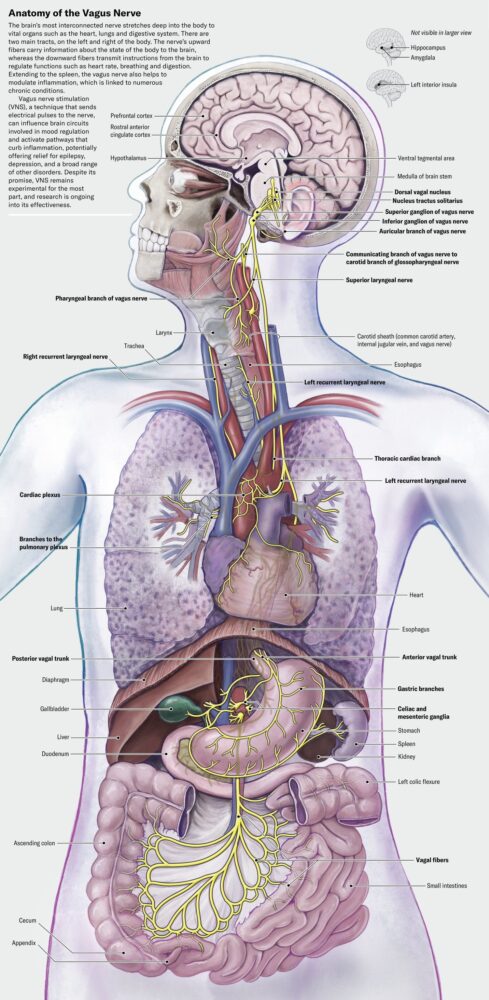
- Neurostimulation: Techniques such as transcranial magnetic stimulation (TMS) or vagus nerve stimulation (VNS) to modulate brain activity and alleviate symptoms.
- Microvascular Decompression: A surgical procedure to relieve pressure on cranial nerves or blood vessels causing symptoms such as trigeminal neuralgia.
- Cerebral Angioplasty and Stenting: In cases of vascular malformations or stenosis affecting blood flow to the thalamus.
- Cerebral Bypass Surgery: To reroute blood flow in cases of severe vascular compromise.
- Lesion Biopsy: To obtain tissue samples for diagnosis in cases of uncertain pathology.
Preventive Measures for Thalamus Lesions:
While some causes of thalamus lesions may be unavoidable, there are steps individuals can take to reduce their risk:
- Manage Blood Pressure: Keeping blood pressure within a healthy range can help prevent hemorrhagic lesions in the thalamus.
- Wear Seatbelts: To reduce the risk of traumatic brain injury in motor vehicle accidents.
- Use Protective Headgear: When engaging in activities with a risk of head injury, such as sports or cycling.
- Practice Safe Driving: Avoiding distractions and following traffic laws can help prevent accidents.
- Protective Equipment: Using helmets and other protective gear in high-risk occupations or recreational activities.
- Maintain a Healthy Lifestyle: Including regular exercise, a balanced diet, and avoiding excessive alcohol or drug use.
- Manage Chronic Conditions: Such as diabetes, heart disease, or autoimmune disorders, through proper medical care and lifestyle modifications.
- Seek Prompt Medical Attention: For symptoms such as sudden weakness, vision changes, or severe headaches.
- Follow Treatment Plans: For underlying conditions that may predispose to thalamus lesions, such as diabetes or hypertension.
- Genetic Counseling: For individuals with a family history of neurological disorders or genetic predis
Disclaimer: Each person’s journey is unique, treatment plan, life style, food habit, hormonal condition, immune system, chronic disease condition, geological location, weather and previous medical history is also unique. So always seek the best advice from a qualified medical professional or health care provider before trying any treatments to ensure to find out the best plan for you. This guide is for general information and educational purposes only. If you or someone are suffering from this disease condition bookmark this website or share with someone who might find it useful! Boost your knowledge and stay ahead in your health journey. Thank you for giving your valuable time to read the article.





