

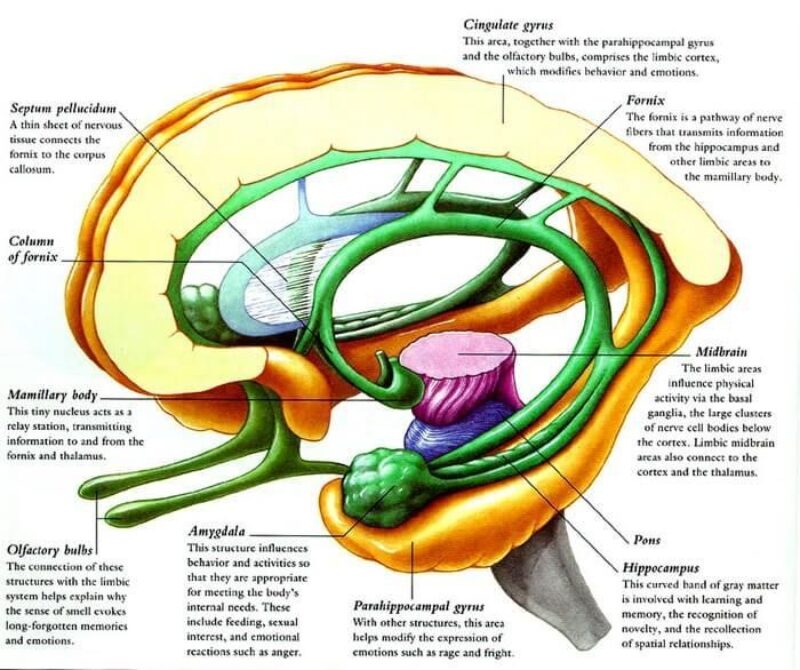
The thalamus is a crucial part of the brain that acts like a relay station, transmitting signals between different parts of the brain. When the thalamus doesn’t work properly, it can lead to various issues known as thalamus dysfunction. This dysfunction can cause a range of symptoms affecting both physical and mental health.
Types of Thalamus Dysfunction
- Sensory Thalamus Dysfunction: This type affects the processing of sensory information, leading to problems with perception, such as touch, temperature, and pain.
- Motor Thalamus Dysfunction: Here, issues arise with controlling movements and coordination due to disruptions in motor signal transmission.
- Emotional Thalamus Dysfunction: Emotional regulation may be affected, leading to mood swings, anxiety, or depression.
Causes of Thalamus Dysfunction
- Brain Injury: Trauma to the head can damage the thalamus and disrupt its function.
- Stroke: Reduced blood flow to the thalamus, as in a stroke, can cause dysfunction.
- Infections: Certain infections, such as encephalitis, can affect the thalamus.
- Tumors: Growths in the brain can put pressure on the thalamus, affecting its function.
- Genetic Disorders: Some genetic conditions can impact the development and function of the thalamus.
- Neurological Diseases: Conditions like multiple sclerosis or Parkinson’s disease can lead to thalamus dysfunction.
- Vascular Issues: Problems with blood vessels supplying the thalamus can cause dysfunction.
- Toxic Exposure: Exposure to certain toxins or drugs can harm the thalamus.
- Metabolic Disorders: Conditions affecting metabolism can have secondary effects on the thalamus.
- Autoimmune Disorders: Immune system dysfunction can sometimes target the thalamus.
- Hypoxia: Reduced oxygen supply to the brain can damage the thalamus.
- Degenerative Disorders: Conditions like Alzheimer’s disease can affect the thalamus over time.
- Nutritional Deficiencies: Lack of essential nutrients can impact thalamus function.
- Hypertension: High blood pressure can damage blood vessels supplying the thalamus.
- Diabetes: Poorly managed diabetes can lead to vascular issues affecting the thalamus.
- Headaches and Migraines: Chronic headaches or migraines can affect thalamus function.
- Sleep Disorders: Conditions like sleep apnea can impact brain function, including the thalamus.
- Psychiatric Disorders: Some mental health conditions may be associated with thalamus dysfunction.
- Medication Side Effects: Certain medications can have adverse effects on the thalamus.
- Alcohol and Substance Abuse: Excessive alcohol or drug use can harm the thalamus over time.
Symptoms of Thalamus Dysfunction
- Sensory Disturbances: Altered perception of touch, temperature, or pain.
- Motor Impairments: Difficulty with coordination, movement control, or tremors.
- Emotional Changes: Mood swings, anxiety, depression, or emotional instability.
- Memory Problems: Difficulty remembering or retaining information.
- Sleep Disturbances: Insomnia, excessive sleepiness, or abnormal sleep patterns.
- Cognitive Decline: Problems with thinking, concentration, or decision-making.
- Visual Disturbances: Changes in vision, such as blurriness or visual hallucinations.
- Speech and Language Issues: Difficulty speaking, understanding, or expressing thoughts.
- Fatigue: Persistent tiredness or lack of energy.
- Headaches: Recurrent headaches, especially migraines.
- Balance Problems: Feeling unsteady or dizzy.
- Seizures: Uncontrolled electrical activity in the brain.
- Changes in Appetite: Increased or decreased appetite.
- Nausea or Vomiting: Feeling sick to the stomach or vomiting.
- Weakness or Numbness: Loss of strength or sensation in certain body parts.
- Behavioral Changes: Agitation, irritability, or impulsivity.
- Social Withdrawal: Avoiding social interactions or activities.
- Hallucinations: Seeing, hearing, or feeling things that aren’t there.
- Difficulty Swallowing: Dysphagia or choking sensation.
- Urinary Problems: Incontinence or difficulty urinating.
Diagnostic Tests for Thalamus Dysfunction
- Medical History: Detailed information about symptoms, medical conditions, and past injuries.
- Physical Examination: Assessment of neurological function, reflexes, and coordination.
- MRI Scan: Imaging test to visualize the structure and function of the brain, including the thalamus.
- CT Scan: X-ray-based imaging to detect abnormalities in the brain.
- Electroencephalogram (EEG): Measures electrical activity in the brain, helpful in detecting seizures or abnormal patterns.
- Blood Tests: Checks for infections, metabolic disorders, or other systemic issues.
- Neuropsychological Testing: Evaluates cognitive function, memory, and mental status.
- Lumbar Puncture (Spinal Tap): Collects cerebrospinal fluid to check for infections or other abnormalities.
- Genetic Testing: Identifies any genetic factors contributing to thalamus dysfunction.
- PET Scan: Measures brain activity and metabolism, helpful in diagnosing certain conditions.
- SPECT Scan: Evaluates blood flow in the brain, useful in detecting vascular issues.
- Sleep Studies: Assess sleep patterns and detect any associated disorders.
- Visual Field Test: Checks for abnormalities in the field of vision.
- Electromyography (EMG): Measures muscle activity and nerve conduction.
- Evoked Potential Tests: Assess sensory pathways in the brain.
- Cerebral Angiography: Visualizes blood vessels in the brain, helpful in diagnosing vascular problems.
- Neuroimaging with Functional MRI: Examines brain function in real-time.
- Psychological Assessment: Evaluates mood, behavior, and cognitive function.
- Doppler Ultrasound: Assesses blood flow in the arteries supplying the brain.
- Eye Examination: Checks for any visual abnormalities or signs of optic nerve dysfunction.
Treatments for Thalamus Dysfunction
- Physical Therapy: Exercises to improve strength, coordination, and mobility.
- Occupational Therapy: Helps in regaining skills for daily activities.
- Speech Therapy: Assists in improving speech and language abilities.
- Cognitive Behavioral Therapy (CBT): Addresses emotional and behavioral issues.
- Support Groups: Provides emotional support and coping strategies.
- Assistive Devices: Aids such as canes, walkers, or mobility scooters.
- Dietary Changes: Healthy eating habits to support brain health.
- Stress Management: Techniques like meditation or yoga to reduce stress.
- Sleep Hygiene: Establishing good sleep habits for better rest.
- Pain Management: Medications or therapies to alleviate pain symptoms.
- Medication Management: Monitoring and adjusting medications to optimize effectiveness.
- Vision Correction: Glasses or contact lenses for visual disturbances.
- Audiological Interventions: Hearing aids for auditory problems.
- Alternative Therapies: Acupuncture, massage, or chiropractic care for symptom relief.
- Assistive Technology: Devices to aid communication or mobility.
- Biofeedback: Techniques to control physiological responses to stress or pain.
- Neurofeedback: Training to regulate brainwave activity.
- Transcranial Magnetic Stimulation (TMS): Non-invasive brain stimulation for certain conditions.
- Deep Brain Stimulation (DBS): Invasive procedure involving implantation of electrodes for neuromodulation.
- Experimental Therapies: Participation in clinical trials for emerging treatments.
Drugs Used in the Treatment of Thalamus Dysfunction
- Antidepressants: Medications to manage mood disorders.
- Antianxiety Drugs: Helps alleviate symptoms of anxiety or panic attacks.
- Antipsychotics: Controls symptoms of psychosis, such as hallucinations or delusions.
- Anticonvulsants: Prevents seizures and stabilizes mood.
- Muscle Relaxants: Relieves muscle stiffness or spasms.
- Pain Relievers: Alleviates headaches, muscle aches, or neuropathic pain.
- Stimulants: Improves alertness and concentration in certain conditions.
- Sedatives: Promotes relaxation and aids sleep.
- Memory Enhancers: Medications to improve cognitive function and memory.
- Neuroprotective Agents: Drugs that protect brain cells from damage or degeneration.
- Dopamine Agonists: Helps manage movement disorders like Parkinson’s disease.
- Serotonin-Norepinephrine Reuptake Inhibitors (SNRIs): Treats depression and certain pain disorders.
- Cholinesterase Inhibitors: Improves cognitive function in Alzheimer’s disease.
- NMDA Receptor Antagonists: Modulates glutamate activity in certain neurological conditions.
- Beta Blockers: Controls symptoms of anxiety, tremors, or migraines.
- Vasodilators: Improves blood flow to the brain.
- Anti-inflammatory Drugs: Reduces inflammation in conditions affecting the brain.
- Neurotransmitter Modulators: Regulates neurotransmitter levels in the brain.
- Sleep Aids: Medications to promote sleep and regulate sleep-wake cycles.
- Antiemetics: Controls nausea and vomiting associated with thalamus dysfunction.
Surgeries for Thalamus Dysfunction
- Thalamotomy: Surgical destruction of a small part of the thalamus to alleviate symptoms.
- Deep Brain Stimulation (DBS): Implantation of electrodes in the brain to modulate neural activity.
- Stereotactic Radiosurgery: Precise radiation therapy to target specific areas of the brain.
- Neuroablative Procedures: Surgical techniques to disrupt neural pathways associated with symptoms.
- Lesioning Techniques: Creating intentional lesions in the brain to interrupt abnormal neural circuits.
- Neurostimulation Devices: Implantable devices that deliver electrical stimulation to the brain.
- Thalamic Bypass Surgery: Redirecting neural pathways to bypass damaged areas of the thalamus.
- Neurotransplantation: Transplanting neural tissue to replace or repair damaged brain cells.
- Neuroprosthetics: Implantable devices that mimic or augment thalamus function.
- Experimental Procedures: Investigational surgeries exploring new treatment approaches.
Preventive Measures for Thalamus Dysfunction
- Safety Precautions: Wear helmets during activities with risk of head injury.
- Healthy Lifestyle: Maintain a balanced diet and regular exercise routine.
- Manage Chronic Conditions: Control blood pressure, blood sugar levels, and other systemic health issues.
- Avoid Toxins: Minimize exposure to harmful chemicals or substances.
- Monitor Medications: Follow prescribed doses and watch for side effects.
- Protective Gear: Use appropriate protective gear during sports or recreational activities.
- Regular Check-ups: Visit healthcare providers for routine screenings and check-ups.
- Stress Management: Practice stress-reduction techniques to promote overall well-being.
- Stay Hydrated: Drink plenty of water to support brain function and circulation.
- Brain Exercises: Engage in mentally stimulating activities to maintain cognitive health.
When to See a Doctor
If you experience any of the symptoms associated with thalamus dysfunction or have concerns about your neurological health, it’s essential to seek medical attention promptly. Early diagnosis and intervention can help manage symptoms effectively and improve quality of life. Don’t hesitate to reach out to a healthcare provider if you notice any changes in your sensory perception, movement control, emotional well-being, or cognitive function.
In conclusion, thalamus dysfunction can have significant impacts on various aspects of physical and mental health. Understanding the causes, symptoms, diagnosis, and treatment options is essential for managing this condition effectively. By prioritizing preventive measures and seeking timely medical care, individuals can optimize their outcomes and maintain their overall well-being.
Disclaimer: Each person’s journey is unique, treatment plan, life style, food habit, hormonal condition, immune system, chronic disease condition, geological location, weather and previous medical history is also unique. So always seek the best advice from a qualified medical professional or health care provider before trying any treatments to ensure to find out the best plan for you. This guide is for general information and educational purposes only. If you or someone are suffering from this disease condition bookmark this website or share with someone who might find it useful! Boost your knowledge and stay ahead in your health journey. Thank you for giving your valuable time to read the article.





