

Bell’s palsy is an idiopathic, acute, unilateral paresis or paralysis of the face in a pattern consistent with peripheral facial nerve dysfunction, and may be partial or complete, occurring with equal frequency on the right and left sides of the face. There is evidence that Bell’s palsy is caused by herpes viruses. Additional symptoms of Bell’s palsy may include mild pain in or behind the ear, oropharyngeal or facial numbness, impaired tolerance to ordinary levels of noise, and disturbing taste on the anterior part of the tongue. Severe pain is more suggestive of herpes zoster virus infection (shingles) and possible progression to a Ramsay Hunt syndrome, but another cause should be carefully excluded. Up to 30% of people with acute peripheral facial palsy will not have Bell’s palsy; other causes may include stroke, tumor, trauma, middle ear disease, and Lyme disease.
Bell’s palsy is an unexplained episode of facial muscle weakness or paralysis that begins suddenly and worsens over three to five days. This condition results from damage to the 7th (facial) cranial nerve, and pain and discomfort usually occur on one side of the face or head.
Bell’s palsy is the most common peripheral paralysis of the seventh cranial nerve with an onset that is rapid and unilateral. The diagnosis is one of exclusion and most often made on a physical exam. The facial nerve has both an intracranial, intratemporal, and extratemporal course as its branches. The facial nerve has a motor and parasympathetic function as well as taste to the anterior two-thirds of the tongue. It also controls salivary and lacrimal glands. The motor function of the peripheral facial nerve controls the upper and lower facial muscles. As a result, the diagnosis of Bell’s palsy requires special attention to forehead muscle strength. If forehead strength is preserved, a central cause of weakness should be considered. Although the utility of antivirals has been called into question, treatment is medical with most sources recommending a combination of corticosteroids and antiviral medication.[rx][rx][rx]
The Others Names of Bell’s palsy
- Antoni’s Palsy
- Facial Nerve Palsy
- Facial Paralysis
- Idiopathic Facial Palsy
- Refrigeration Palsy
- Idiopathic peripheral facial palsy; Cranial mononeuropathy – Bell palsy
Types of Bell’s Palsy
Bell’s palsy types by severity
Bell’s palsy is often classified by the degree of facial weakness, using the House-Brackmann scale, which ranges from Grade I (normal) to Grade VI (complete paralysis). Clinicians group these into three types:
- Mild Bell’s Palsy – House-Brackmann Grades I–II (Mild Dysfunction): Slight weakness noticeable on close inspection, with mostly normal symmetry at rest. Patients can close the eye completely and have good forehead movement Iowa Head and Neck Protocols. This type often resolves quickly and leaves no long-term effects.
- Moderate Bell’s Palsy – House-Brackmann Grades III–IV (Moderate Dysfunction): Obvious but not disfiguring weakness, with incomplete eye closure and moderate forehead movement (Grade III) or significant asymmetry and incomplete closure (Grade IV) Medscape. Recovery may take longer and sometimes leaves mild facial asymmetry.
- Severe Bell’s Palsy – House-Brackmann Grades V–VI (Severe Dysfunction to Total Paralysis): Barely perceptible motion (Grade V) or no movement at all (Grade VI). Patients cannot close the eye or move the mouth on the affected side. This type carries the highest risk of incomplete recovery without treatment NCBI.
Bell’s Palsy Types by above all conditions
While Bell’s palsy itself refers specifically to idiopathic (unknown-cause) facial nerve paralysis, healthcare professionals often describe subtypes or classifications by severity and presentation:
-
Incomplete vs. Complete Paralysis
-
Incomplete means some facial movement remains; you can still smile a bit or close your eye halfway.
-
Complete means nearly total loss of movement on the affected side.
-
-
Acute vs. Chronic
-
Acute refers to sudden-onset cases, most typical of Bell’s palsy.
-
Chronic describes facial nerve weakness lasting more than six months, which may hint at other causes.
-
-
Recurrent Bell’s Palsy
-
A small number of people (about 7%) experience Bell’s palsy more than once. Recurrent episodes may affect the same or opposite side.
-
-
Bilateral Bell’s Palsy
-
Very rare (fewer than 1% of cases), both sides of the face are affected, often prompting investigation into other conditions.
-
-
Severity Grading (House-Brackmann Scale)
-
Grade I: Normal function
-
Grade II: Mild dysfunction
-
Grade III: Moderate dysfunction
-
Grade IV: Moderately severe dysfunction
-
Grade V: Severe dysfunction
-
Grade VI: Total paralysis
-
Each grade helps doctors describe how weak the facial muscles are and track recovery over time.
Causes of Bell’s palsy
Although labeled “idiopathic” (unknown cause), research points to multiple triggers that can inflame or damage the facial nerve. Below are 20 possible causes, each explained in simple terms:
-
Herpes Simplex Virus Type 1 (HSV-1): This common cold sore virus can hide in nerve cells and reactivate, causing inflammation of the facial nerve and leading to weakness Medscape.
-
Varicella Zoster Virus (VZV): When this chickenpox virus reactivates in the nerve, it causes Ramsay Hunt syndrome, which includes facial paralysis plus painful ear rash Medscape Reference.
-
Epstein-Barr Virus (EBV): Known for causing mononucleosis, EBV can sometimes trigger Bell’s palsy by inflaming nerve tissue, as seen in rare teen cases Medscape.
-
Lyme Disease: The bacterium Borrelia burgdorferi, spread by ticks, can infect the facial nerve and cause palsy, especially in areas where Lyme is common Medscape.
-
Herpes Zoster Oticus (Ramsay Hunt Syndrome): A variant of VZV infection in the ear canal that inflames the facial nerve, causing paralysis, ear pain, and blisters Medscape Reference.
-
Influenza and Other Respiratory Viruses: Cold and flu viruses can trigger immune reactions that inflame the facial nerve, though this link is less direct Mayo Clinic.
-
Upper Respiratory Infections: Recent colds or sinus infections may precede Bell’s palsy by causing body-wide inflammation that affects the facial nerve Mayo Clinic.
-
Ear Infections (Otitis Media): Severe middle ear infections can spread inflammation to the facial nerve as it passes near the ear cavity Medscape.
-
Trauma: Injury to the skull base, temporal bone fractures, or surgical injury near the facial nerve can lead to temporary or permanent palsy Medscape.
-
Tumors: Growths along the facial nerve pathway—such as acoustic neuromas or parotid gland tumors—can press on the nerve and cause palsy Medscape.
-
Diabetes Mellitus: High blood sugar can damage small blood vessels and nerves, increasing the risk of Bell’s palsy through diabetic neuropathy Medscape.
-
Hypertension: Chronic high blood pressure may weaken small blood vessels supplying the facial nerve, leading to ischemia and injury NCBI.
-
Pregnancy: Hormonal changes and fluid balance shifts—especially in the third trimester—can make nerve swelling more likely, causing palsy NCBI.
-
Preeclampsia: This pregnancy complication marked by high blood pressure and organ dysfunction can impair blood flow to the facial nerve NCBI.
-
Sarcoidosis: An autoimmune disease causing small clumps of inflammatory cells can affect the facial nerve, leading to palsy Medscape.
-
Guillain-Barré Syndrome: A rapid nerve-damaging autoimmune reaction can sometimes present with facial paralysis among its early signs Medscape.
-
Multiple Sclerosis: Demyelination in the brainstem can rarely affect the facial nerve nucleus, causing central facial palsy that mimics Bell’s palsy Medscape.
-
Lyme Co-Infection (Babesiosis, Bartonellosis): Tick-borne infections other than Borrelia sometimes accompany Lyme disease and can inflame facial nerves Medscape.
-
Cold Exposure: Sudden chilling of the face or drafts—sometimes called “cold palsy”—may trigger nerve swelling in susceptible people Mayo Clinic.
-
Idiopathic (Unknown): In many cases, no clear cause is found, and the palsy resolves on its own; this unexplained form remains true Bell’s palsy Medscape.
What other causes of facial weakness are there?
- Ramsay-Hunt Syndrome – Viral infection with the chickenpox virus, herpes zoster, which is shingles of the facial nerve. There is usually significant pain and a rash in the ear. Other cranial nerves may be affected leading to hearing loss balance disturbance and numbness.
- Skull fractures involving the temporal bone – the bone that contains the middle ear. The facial nerve travels through this bone on its way to the facial muscles and so maybe damaged usually with significant trauma to the head.
- High neck injuries, particularly a stab wound to the upper neck.
- Tumors anywhere along the course of the facial nerve, which includes the base of the skull, the ear, and the parotid gland just in front of the ear. These will usually present with a gradual loss of weakness to distinguish them from Bell’s palsy
- Middle ear disease, especially cholesteatoma.
- Damage to the facial nerve during ear surgery.
- Loss of power in one side of the face can be a symptom of a stroke but there will be other features present, such as loss of power in a limb, which points to the correct diagnosis.
Symptoms of Bell’s palsy

Sometimes, you may have a cold shortly before the symptoms of Bell palsy begin. Symptoms most often start suddenly but may take 2 to 3 days to show up. They do not become more severe after that. Many people feel discomfort behind the ear before weakness is noticed. The face feels stiff or pulled to one side, and may look different. Other signs can include:
- Twitching
- Weakness
- Paralysis on one side of the face
- Problems smiling or making facial expressions
- Difficulty closing your eye
- Drooling due to a lack of control over the facial muscles
- Difficulty closing one eye
- Difficulty eating and drinking; food falls out of one side of the mouth
- Drooling due to lack of control over the muscles of the face
- Drooping of the face, such as the eyelid or corner of the mouth
- Problems smiling, grimacing, or making facial expressions
- Twitching or weakness of the muscles in the face
Bell’s palsy symptoms may come on suddenly or develop over a few days. Initial symptoms may include
- Pain behind the ear that is followed by weakness and paralysis of the face
- Ringing sound in the ear
- Slight fever
- Slight hearing impairment
- A slight increase in sensitivity to sound on the affected side.
Symptoms of full-blown Bell’s palsy may include
- Facial weakness or paralysis (look for smooth forehead and problems smiling)—most often on one side
- Numbness just before the weakness start
- Drooping corner of the mouth
- Drooling
- Decreased tearing
Inability to close an eye, which can lead to
- Dry, red eye
- Ulcers forming on the eyes
- Infection
- Problems with taste
- Sound sensitivity in one ear
- Earache
- Slurred speech
Late symptoms can occur 3-4 months after or second-time onset of Bell’s palsy and can include
- Muscle weakness or paralysis
- Facial Droop
- Impossible or difficult to blink
- Difficulty speaking
- Difficulty eating and drinking
- Nose runs
- The nose is constantly stuffed
- Difficulty breathing out of nostril on the affected side
- Nostril collapse on the affected side
- Forehead wrinkles disappear
- Sensitivity to sound
- Excess or reduced salivation
- Facial swelling
- Drooling
- Diminished or distorted taste
- Pain behind ear
- Long-lasting tightening of the facial muscles
- Tearing from the eye during eating
Diagnosis of Bell’s Palsy

Diagnosing Bell’s palsy involves ruling out other causes of facial paralysis. Tests fall into five categories:
A. Physical Exam
-
Cranial Nerve Examination: The doctor checks movement in all facial muscles by asking the patient to smile, raise eyebrows, and close eyes Mayo Clinic.
-
Ear Inspection: Looking inside the ear canal for vesicles that suggest Ramsay Hunt syndrome Mayo Clinic.
-
Taste Test: Applying sweet or salty solutions to the front of the tongue to check taste sensation Mayo Clinic.
-
Corneal Reflex: Gently touching the cornea with a wisp of cotton to see if the eyelid blinks Mayo Clinic.
-
Hyperacusis Assessment: Placing a stethoscope on the mastoid bone and having the patient listen to a tuning fork to detect increased sound sensitivity Medscape.
-
Salivary Flow Test: Collecting saliva from each side of the mouth after sour stimulation to compare gland function Medscape.
-
Stapedial Reflex Test: Measuring the muscle reflex in the middle ear that usually dampens loud sounds Medscape.
-
Nasal Airflow Test: Checking for symmetry in nasal breathing to assess facial muscle control Mayo Clinic.
-
Facial Symmetry Inspection
Observe resting face for droop of brow, eyelid, and mouth. -
Voluntary Movement Testing
Ask patient to raise eyebrows, close eyes tightly, smile, and puff cheeks to assess muscle function. -
Bell’s Phenomenon Observation
Notice upward rotation of the eyeball when attempting eye closure. -
House-Brackmann Grading
Rate facial nerve function on a scale from I (normal) to VI (total paralysis). -
General Neurologic Exam
Check other cranial nerves, motor strength, and sensation to exclude stroke or central lesions.
Manual Tests
-
Schirmer’s Test
A small strip of paper under the lower eyelid measures tear production to detect dry eye risk. -
Tinel’s Sign
Tapping over the stylomastoid foramen (where the facial nerve exits the skull) can reproduce tingling if the nerve is irritated. -
Muscle Strength Grading
The doctor applies light resistance as you try to close your eye or smile to grade muscle power. -
Sensory Testing
Although rare in Bell’s palsy, gentle touch to facial skin checks for numbness or altered sensation. -
Corneal Reflex Test
Touch cornea with a wisp of cotton to assess trigeminal (V) sensory and facial (VII) motor response. -
Gustatory Taste Test
Apply salt or sweet solutions to the tongue’s anterior two-thirds to evaluate taste sensation. -
Stapedius Muscle Reflex (Acoustic Reflex)
Use tuning fork or reflex hammer to assess stapedius contraction in response to loud sound. -
Resistance Testing
Manually resist eyebrow lifting or mouth elevation to grade muscle strength.
C. Laboratory and Pathological Tests
-
Complete Blood Count (CBC): To look for signs of infection or inflammation Medscape.
-
Erythrocyte Sedimentation Rate (ESR): A general marker of inflammation that can be elevated in autoimmune or infectious causes Medscape.
-
Blood Glucose and HbA1c: To screen for diabetes as a risk factor Medscape.
-
Lyme Serology: Antibody tests for Borrelia burgdorferi if the patient is from an area where Lyme is common Medscape.
-
HIV and Syphilis Testing: To exclude these infections as causes of facial palsy Medscape.
D. Electrodiagnostic Tests
-
Electroneuronography (ENoG): Measures the speed and strength of nerve signals along the facial nerve to assess damage Wikipedia.
-
Electromyography (EMG): Records electrical activity in facial muscles to pinpoint the location and severity of nerve injury Wikipedia.
-
Maximal and Minimal Stimulation Test (MST): Evaluates the lowest and highest electrical currents needed to produce a muscle response, giving prognostic information Medscape.
-
Electroneurography (ENoG)
Records muscle response to a standard electrical stimulus of the facial nerve to quantify damage. -
Blink Reflex Study
Electrical stimulation near the ear triggers a blink; delayed or absent response indicates nerve dysfunction.
E. Imaging Tests
-
Magnetic Resonance Imaging (MRI) with Gadolinium: Visualizes the facial nerve along its entire course to detect tumors, inflammation, or demyelination .
-
Computed Tomography (CT) Scan: Helps rule out fractures, bone lesions, or structural causes along the nerve pathway Wikipedia. CT scan —a type of x-ray that uses a computer to make pictures of structures inside the head to see if there is an infection, tumor, bone fracture , or other problem in the area of the facial nerve
-
The nerve excitability test – determines the excitation threshold by recording the minimum electrical stimulus required to produce visible muscle contraction. A difference greater than 3.5 mA between affected and unaffected sides is considered to be significant in terms of poorer outcomes. Measuring the peak-to-peak amplitude of the evoked compound action potential of the involved side compared to the normal side has prognostic importance. If there is a 90% or greater reduction in the amplitude of the affected side, the prognosis is poor.[rx]
-
Currently the trigeminal blink reflex – is the only test to measure the intracranial pathway of the facial nerve and also a useful test to study various post paralysis sequelae such as synkinesis and hemifacial spasms. With the recovery of facial function, the ipsilateral R1 latency becomes less prolonged and the amount of initial prolongation of this response correlates with greater loss of facial motor function.
-
Gadolinium contrast magnetic resonance (MRI) – study reveals enhancement of internal acoustic meatal segment on the affected side; however, this is a non-specific finding. MRI should not be done routinely and should be the investigation to look for other possible causes for acute facial paralysis especially if there is little or no recovery of function.
Treatment of Bell’s palsy
Non-Pharmacological Treatments
Each of these therapies aims to reduce inflammation, maintain muscle tone, or retrain facial muscles to speed recovery and prevent permanent muscle contractures.
-
Acupuncture
Involves inserting fine needles at specific points on the face and body. It may modulate nerve function and reduce pain, though high-quality studies are lacking Frontiers. -
Biofeedback Training
Uses visual or auditory feedback to help patients relearn controlled muscle movements by monitoring muscle activity and guiding relaxation techniques Mayo Clinic. -
Botulinum Toxin Injections
Though a drug, it’s delivered as a procedure: small doses of Botox are injected into unaffected muscles to reduce synkinesis (unwanted muscle contractions) and improve symmetry Mayo Clinic. -
Facial Exercise Therapy
Structured exercises (e.g., smiling, raising eyebrows) maintain muscle tone and stimulate the nerve. Systematic reviews show improved facial function with early exercise AAFP. -
Mime Therapy
A specialized exercise program combining gentle stretch and coordination exercises to improve facial symmetry and emotional expression ScienceDirect. -
Massage
Gentle manual massage of facial muscles and soft tissues reduces stiffness, improves circulation, and can alleviate discomfort Frontiers. -
Thermotherapy (Warm Compresses)
Applying moist heat to the affected side relaxes muscles and eases pain by improving blood flow Wikipedia. -
Electrostimulation
Low-level electrical currents applied to paralyzed muscles may promote nerve conduction and prevent atrophy; evidence is preliminary Frontiers. -
Kabat Rehabilitation (PNF Techniques)
Proprioceptive neuromuscular facilitation techniques use specific patterns of movement and resistance to retrain facial muscle coordination Frontiers. -
Hyperbaric Oxygen Therapy
Breathing pure oxygen in a pressurized chamber may reduce nerve swelling and support healing in severe cases; evidence remains very tentative Wikipedia. -
Ultrasound Therapy
Pulsed ultrasound waves applied to the face enhance circulation and may stimulate nerve repair; studies show benefit when combined with exercise and massage Nose Creek Physiotherapy. -
Transcutaneous Electrical Nerve Stimulation (TENS)
Surface electrodes deliver mild electrical currents to reduce pain and improve muscle activation Nose Creek Physiotherapy. -
Eye Protection Measures
Frequent use of tear‐like eye drops, gel, or ointment during the day and wearing an eye patch or tape at night protects the cornea when blinking is impaired Wikipedia. -
Kinesio Taping
Sports taping techniques applied to facial muscles can reduce synkinesis and guide correct muscle movement MedStar Health. -
Breathing and Meditation Practices
Guided breathwork and mindfulness calm the nervous system, reducing stress-related exacerbations and supporting recovery Facial Palsy UK. -
Peer Support and Psychological Interventions
Group or one-on-one support reduces distress, normalizes the experience, and encourages adherence to therapy Facial Palsy UK. -
Yoga
Gentle yoga poses and stretches improve overall circulation and help manage stress, indirectly supporting nerve healing Number Analytics. -
Cognitive-Behavioral Therapy (CBT)
Addresses anxiety or depression that may accompany Bell’s palsy, improving mental well-being and treatment engagement Number Analytics. -
Deep Breathing Exercises
Simple diaphragmatic breathing sessions reduce muscle tension and stress, promoting a healing environment audreylemd.com. -
Low-Impact Motion Exercises (Walking, Stretching)
General physical activity boosts circulation, which may enhance nutrient delivery to injured nerves Nose Creek Physiotherapy. - Physical Therapy – In Bell’s palsy various physical therapies, such as exercise, biofeedback, laser, electrotherapy, massage, and thermotherapy are used to hasten recovery. However, the evidence for the efficacy of any of these therapies is lacking. Cochrane systemic review of the efficacy of physical therapies, electrostimulation, and exercises, on the outcome of Bell’s palsy, concluded that there was no significant benefit or harm from any of these physical therapies for Bell’s palsy. There was limited evidence that improvement began earlier in the exercise group.[Rx] Another systematic review examined the effects of facial exercises associated either with mirror or electromyogram biofeedback with respect to complications of delayed recovery in Bell’s palsy and concluded that because of the small number of randomized controlled trials, it was not possible to analyze if the exercises, were effective.[Rx] However, the possibility that facial exercise reduces time to recover and sequelae need confirming with good-quality randomized controlled trials.[Rx]
Drug Treatments
These medications target inflammation, viral replication, pain, and prevent corneal damage.
-
Acyclovir (Antiviral)
Dosage: 400 mg five times daily for 7 days
Purpose: Inhibit herpes simplex viral replication
Mechanism: Guanosine analog terminates viral DNA synthesis
Side Effects: Headache, nausea Wikipedia -
Valacyclovir (Antiviral)
Dosage: 1 g three times daily for 7 days
Purpose: Prodrug of acyclovir with better bioavailability
Mechanism: Converted to acyclovir, then inhibits viral DNA polymerase
Side Effects: Fatigue, headache Wikipedia -
Ibuprofen (NSAID)
Dosage: 400 mg every 4–6 hours as needed
Purpose: Relieve pain and mild inflammation
Mechanism: Inhibits cyclooxygenase (COX) enzymes
Side Effects: GI upset, renal impairment Mayo Clinic -
Artificial Tears (Lubricant Eye Drops)
Dosage: Instill one drop every 2 hours while awake
Purpose: Prevent corneal drying and irritation
Mechanism: Provides tear film supplementation
Side Effects: Mild eye irritation Wikipedia -
Ocular Lubricating Ointment
Dosage: Apply thin strip to lower eyelid at bedtime
Purpose: Protect cornea during sleep
Mechanism: Creates a protective lipid barrier
Side Effects: Blurred vision upon application Wikipedia -
Botulinum Toxin A
Dosage: 1–10 units injected into overactive facial muscles
Purpose: Reduce synkinesis and unwanted contractions
Mechanism: Blocks acetylcholine release at neuromuscular junction
Side Effects: Injection site pain, temporary weakness Mayo Clinic -
Gabapentin (Neuropathic Pain)
Dosage: Start 300 mg at bedtime, titrate to 900–1,200 mg/day
Purpose: Alleviate neuropathic pain around the ear
Mechanism: Modulates α₂δ subunit of voltage-gated calcium channels
Side Effects: Dizziness, fatigue Dr.Oracle -
Topical Lidocaine Gel
Dosage: Apply to area of pain 3–4 times/day
Purpose: Local analgesia for ear or facial pain
Mechanism: Blocks sodium channels in nerve membranes
Side Effects: Local numbness Wikipedia -
Acetaminophen
Dosage: 500–1,000 mg every 4–6 hours as needed
Purpose: Pain relief when NSAIDs are contraindicated
Mechanism: Central COX inhibition and modulation of serotonergic pathways
Side Effects: Hepatotoxicity in overdose Mayo Clinic
-
Gabapentin (Anticonvulsant)
-
Class: Calcium channel modulator
-
Dosage & Time: 300 mg three times daily, adjusted for pain control
-
Purpose: Alleviate nerve-related facial pain
-
Mechanism: Modulates α₂δ subunit of voltage-gated calcium channels, reducing excitatory neurotransmitter release
-
Side Effects: Drowsiness, dizziness Wikipedia
-
-
Carbamazepine – (Anticonvulsant)200 mg twice daily, max 800 mg/day for severe neuralgic pain; mechanism: blocks high-frequency discharges. S/E: mild liver enzyme rise, sleepiness.
-
Class: Sodium channel blocker
-
Dosage & Time: 100 mg twice daily, titrating up to 200 mg three times daily
-
Purpose: Treat synkinesis and neuropathic pain
-
Mechanism: Stabilizes hyperexcited neural membranes by blocking sodium channels
-
Side Effects: Drowsiness, nausea, risk of blood dyscrasias Wikipedia
-
-
Botulinum Toxin Type B
-
Class: Neurotoxin
-
Dosage & Time: 2.5–5 units injected into targeted muscles every 3–4 months
-
Purpose: Reduce unwanted muscle contractions (synkinesis)
-
Mechanism: Blocks acetylcholine release at the neuromuscular junction, relaxing overactive muscles
-
Side Effects: Temporary weakness in nearby muscles, injection site pain Wikipedia
-
-
Artificial Tears (Carboxymethylcellulose)
-
Class: Ophthalmic lubricant
-
Dosage & Time: 1–2 drops every 2–4 hours while awake
-
Purpose: Protect cornea when eyelid closure is incomplete
-
Mechanism: Mimics natural tears, maintaining moisture on the ocular surface
-
Side Effects: Mild irritation or blurred vision Wikipedia
- Methylcobalamin (active vitamin B12 injection) – 500–1000 µg IM three times a week for 4–8 weeks in people with low B-vitamin levels; nourishes myelin and speeds nerve remyelination. S/E: rare acne-like rash.AAFPPMC
-
Botulinum toxin type A (chemodenervation) – 2.5-4 units injected into over-active muscles every 3-4 months after the acute phase to treat synkinesis and asymmetry; blocks acetylcholine release. S/E: transient local weakness.PMCPubMed
-
Artificial-tear ointment with hyaluronic acid (ocular lubricant) – ribbon in lower lid at bedtime; purpose: physical barrier preventing night-time corneal drying; minimal systemic effects.AAO-HNS
- Botulinum Toxin (Botox) Injections – These injections give you the option to treat the unaffected or the affected side of your face. These injections can help your facial muscles to relax to reduce unwanted muscle movements. They can also reduce muscle activity in the unaffected side of your face to maintain a balance. Botox injections may also help treat tears when eating and to keep you from winking an eye when smiling, eating, or laughing.
- Vitamin therapy – Vitamins B-12, B-6, and zinc may help nerve growth.
- Prednisolone – The rationale for the use of corticosteroids in the acute phase of Bell’s palsy is that inflammation and edema of the facial nerve are implicated in causing Bell’s palsy and corticosteroids have a potent anti-inflammatory action which should minimize nerve damage and thereby improve the outcome. Randomized, double-blind, placebo-controlled trials have provided compelling evidence that treatment with prednisolone improves outcomes in patients with Bell’s palsy and shortens the time to complete recovery.[Rx–Rx]
- Methylprednisolone – should be used in all patients with facial palsy of less than 72 h duration who do not have contraindications to steroid therapy. The prednisolone dose used was 60 mg per day for 5 days then reduced by 10 mg per day (for a total treatment time of 10 days)[Rx] and 50 mg per day (in two divided doses) for 10 days.[Rx] The reported adverse rates were low. Treatment with prednisolone is likely to be cost-effective.[Rx]
- Antiviral Agents – The rationale for the use of antiviral agents is the evidence that the inflammation of the facial nerve in Bell’s palsy might be related to the herpes simplex virus (HSV). In an autopsy study, latent HSV type-1 has been isolated from the majority of the geniculate ganglia samples.[Rx] HSV-1 genome was detected in 79% of facial nerve endoneurial fluid in patients with Bell’s palsy, but not in the controls.[Rx] However, the benefit of acyclovir or valacyclovir, either as single agents or in combination with prednisolone in Bell’s palsy has not been definitively established.[Rx–Rx,Rx, Rx] Thus with the available evidence acyclovir or valacyclovir should not be routine and treatment with acyclovir is highly unlikely to be considered cost-effective.[Rx]
- Combination therapy – A randomized controlled trial found that at nine months of diagnosis, the facial function had recovered in 94.4% of patients who took prednisolone alone, 85.4% of those who took aciclovir alone, and 92.7% of those who received both. There were no serious adverse effects in any group. The study concluded that early treatment with prednisolone alone increases the likelihood of complete recovery and there was no additional benefit of treatment with aciclovir alone or combining with prednisolone.7However, a systematic review also found that treatment with prednisolone reduced the chances of incomplete recovery but using an antiviral drug had an additional benefit.14
Dietary Molecular Supplements
These nutrients support nerve health, reduce inflammation, and may inhibit viral triggers.
-
Vitamin B₁₂ (Methylcobalamin) – 1,000 µg/day oral
Supports myelin formation and nerve regeneration Life Extension -
Acetyl-L-Carnitine – 500 mg twice daily
Enhances nerve metabolism and repair Life Extension -
Curcumin – 500 mg twice daily with meals
Potent anti-inflammatory and antioxidant action Life Extension -
Omega-3 Fatty Acids – 1,000 mg EPA/DHA daily
Modulates inflammatory cytokines, supports neuron membrane fluidity Life Extension -
Ginkgo Biloba – 120 mg/day in divided doses
Increases microcirculation and may protect nerve cells Life Extension -
L-Lysine – 1,000 mg/day
May inhibit herpes virus replication Life Extension -
Zinc – 25 mg/day
Essential for immune function and antioxidant enzyme activity Life Extension -
Reishi Mushroom Extract – 1,000 mg/day
Immunomodulatory and antiviral properties Life Extension -
Vitamin C – 500 mg twice daily
Antioxidant that supports collagen and nerve repair PMC -
Magnesium – 300 mg/day
Supports nerve conduction and reduces muscle excitability Life Extension
Regenerative and Stem Cell Therapies
These emerging treatments aim to harness cell-based repair mechanisms for facial nerve recovery.
-
Uncultured Umbilical Cord-Derived MSC Transplantation
Eight injections of allogeneic MSCs directly into the affected facial region over 32 months led to complete recovery in a 7-year chronic case by promoting regeneration and reducing inflammation PubMed. -
Adipose-Derived Stem Cell (ADSC) Therapy
Single sentinel case used autologous fat grafting enriched with ADSCs, showing improved facial movement by delivering trophic growth factors to injured nerves BioMed Central. -
Mesenchymal Stem Cell (MSC) Immunomodulation
IV or local MSCs modulate macrophage polarization toward anti-inflammatory M2 phenotype via AKT–FoxO1 pathway, enhancing remyelination and nerve repair in animal models jmsgr.tamhsc.edu. -
Extracellular Vesicles (EVs) from Stem Cells
EVs harvested from ADSCs deliver microRNAs and proteins that stimulate nerve regeneration without requiring live cell transplantation BioMed Central. -
Peripheral Blood Mononuclear Cells (PBMCs) with Platelet-Rich Plasma
Combined PBMC and PRP injections provided both cellular and growth-factor support, resulting in improved muscle function and nerve recovery in a small series PMC. -
Platelet-Rich Plasma (PRP) Therapy
Single or serial PRP injections concentrate neurotrophic factors (e.g., NT-3, GDNF) at the injury site, promoting axonal sprouting and functional recovery in preclinical models PMC.
Surgical Procedures
Reserved for cases with poor spontaneous recovery or severe degeneration.
-
Middle Fossa Decompression
Drilling away bone over the facial canal at the skull base to relieve nerve pressure; studies show mixed outcomes and it is not routinely recommended AAFP. -
Transmastoid Decompression
Accesses the facial canal via the mastoid bone to release constriction; clinical benefit remains uncertain AAFP. -
Cross-Facial Nerve Grafting
Harvests sural nerve grafts to connect functional facial nerve branches on the healthy side to paralyzed muscles, enabling reinnervation Mayo Clinic. -
Free Muscle Transfer (e.g., Gracilis Transplantation)
Transplants a segment of thigh muscle with its nerve and blood supply to restore dynamic smile function; requires microsurgical technique Mayo Clinic. -
Nerve Transfer Surgery (Masseteric to Facial Nerve)
Uses a branch of the trigeminal nerve (masseteric) to reinnervate facial muscles, offering improved symmetry and voluntary control Mayo Clinic. - Nerve repair or nerve grafts – Facial nerve regeneration occurs at a rate of one millimeter per day. If a nerve has been cut or removed, the direct microscopic repair is the best option.
- Nerve transposition – Often the tongue nerve (hypoglossal nerve) or the other facial nerve can be connected to the existing facial nerve. For example, the patient can then train themselves to move their face by moving their tongue.
- Muscle transposition or sling procedures – The temporalis muscle or masseter muscle (some of the only muscles on the face not supplied by the facial nerve), can be moved down and connected to the corner of the mouth to allow movement of the face.
- Muscle transfers – Free muscles from the leg (gracilis) can be used to provide both muscle bulk
Often, no treatment is needed. Symptoms often begin to improve right away. But, it may take weeks or even months for the muscles to get stronger. Your provider may give you lubricating eye drops or eye ointments to keep the surface of the eye moist if you can’t close it completely. You may need to wear an eye patch while you sleep. Sometimes, medicines may be used, but it isn’t known how much they help. If medicines are used, they are started right away.
Physiotherapy
- Relaxation techniques – Relaxing by using techniques such as meditation and yoga may relieve muscle tension and chronic pain.
- Acupuncture – Placing thin needles into a specific point in your skin helps stimulate nerves and muscles, which may offer some relief.
- Biofeedback training – By teaching you to use your thoughts to control your body, you may help gain better control over your facial muscles.
- Hyperbaric oxygen – may improve the time to recovery and the proportion of people who make a full recovery compared with corticosteroids; however, the evidence for this is weak. We don’t know whether facial nerve decompression surgery is beneficial in Bell’s palsy.
- Facial retraining – may improve recovery of facial motor function scores including stiffness and lip mobility, and may reduce the risk of motor synkinesis in Bell’s palsy, but the evidence is too weak to draw conclusions.
- The efficacy of acupuncture – remains unknown because the available studies are of low quality (poor primary study design or inadequate reporting practices).[Rx] There is very tentative evidence for hyperbaric oxygen therapy in severe disease.[Rx]
- During the earliest stages of Bells palsy, when muscles are completely flaccid, it is advisable to limit therapy to:
- Moist heat (to ease soreness and reduce swelling)
- Massage (also to ease soreness, plus to provide a degree of motion & stimulation to the muscles and increase circulation)
- Mental exercises (to retain the “memory” of facial motions)
A special form of physiotherapy called facial retraining can also help minimize the asymmetrical appearance of the face that occurs when one side is weakened. Examples of facial retraining exercises can include but are not limited to
- Sniffle. Wrinkle’s nose. Flared nostrils.
- Curl upper lip up and raise and protruding upper lip.
- Compress lips together. Pucker lips & attempt to whistle.
- Smile without showing teeth; then smile showing teeth.
- Try moving your lips into a small smile slowly. Then gently pucker slowly using equal strength from both sides.
- Draw the angle of the mouth upward so as to deepen the furrow from the side of the nose to the side of the mouth.
- Harden (wrinkle) the chin; “stick out” the chin (like a boxer).
- Using your index finger and thumb pull the corners of your lips toward the center. Slowly and smoothly push out and up into a smile. Continue the movement up to the cheekbone. Use firm pressure.
- Placing 4 fingertips on the eyebrow rub using a firm stroke up to the hairline. Return downward to the eyebrow. Do the same type of massage in a circular motion on your cheeks and chin, and outward to your ear.
- Try to close the eye slowly and gently, without letting your mouth pull up or your eyebrow moves downward.
- Raise eyebrows and hold for 10 -15 seconds (watch out for synkinesis – hold the brow at a point before the corner of your mouth starts to move or your cheek tries to help). Wrinkle forehead.
- Frown and draw eyebrows downward.
- Gently wink with one eye and then the other to the best of your ability.
- Open eyes widely, but without involving your eyebrow. Stop if you see any inappropriate muscle actions.
Bell’s palsy develops rapidly, with symptoms ‘peaking’ within 48 hours of their onset in many patients, and maximal by 5 days overall. Patients often mistakenly believe they have had a stroke, because of the facial paralysis. In the majority of cases (60-80%), the condition gradually disappears completely within weeks to months. In some, there may be slight residual paralysis that is barely noticeable to others. Unfortunately, some people are left with complications of the condition, which include:
- Obvious residual paralysis (e.g. asymmetrical smile, drooling of liquids, inability to close eye, abnormal blinking, tear pooling)
- Dry eye
- Affected taste
- Distorted nerve functions (e.g. tear production with eating, blinking when opening mouth).
In 7-10% of people, Bell’s palsy will recur.
Hyperacusis (distorted hearing) and associated diseases such as diabetes are associated with a poor outcome. Factors that increase the likelihood of better outcome include:
- Young age
- Incomplete paralysis at the outset
- Recovery of taste within 1 week
- Early recovery (within 10-21 days).
- The use of facial massage, neuromuscular retraining (e.g. using a mirror to practice the use of facial muscles), acupressure, or acupuncture may help enhance the recovery process.
Prevention Strategies
While idiopathic, risk may be reduced by bolstering overall health and avoiding triggers.
-
Stress Management (Mindfulness, Therapy)
Chronic stress can trigger viral reactivation; practices like meditation help keep stress in check drpanossian.com. -
Regular Exercise
Improves circulation and immune resilience, potentially lowering infection risk drpanossian.com. -
Adequate Sleep
Supports immune function and nerve repair processes drpanossian.com. -
Balanced Diet with Fruits & Vegetables
Provides antioxidants and nutrients essential for nerve health drpanossian.com. -
Avoid Excessive Alcohol & Caffeine
Both can impair immunity and hydration, increasing susceptibility to viral triggers drpanossian.com. -
Blood Sugar Control (for Diabetics)
High glucose impairs nerve healing; tight glycemic control reduces risk Wikipedia. -
Good Oral Hygiene
Prevents dental infections that can spread to facial nerves MedStar Health. -
Boost Immune Function (Diet, Supplements)
Adequate micronutrients and lifestyle support may deter viral reactivation Dr. Axe. -
Protect from Cold Drafts
Keep the face warm in cold weather to prevent nerve irritation (common clinical advice). -
Influenza Vaccination
Reduces risk of respiratory infections linked to Bell’s palsy onset (general preventive recommendation).
When to See a Doctor
-
Onset of facial weakness (especially if within the first 72 hours)
-
Severe ear or facial pain
-
Inability to close the eye fully
-
Worsening after 2 weeks without improvement
-
Bilateral facial paralysis (rare, may indicate serious pathology)
-
Associated stroke-like symptoms (arm/leg weakness, speech changes)
-
Rash on ear or mouth (suggests Ramsay Hunt syndrome)
-
Persistent corneal discomfort despite lubrication
-
Fluctuating or jerky facial movements (synkinesis)
-
No sign of recovery after 3 months (consider specialist referral) Mayo Clinic
Dietary Do’s and Don’ts
Do Eat:
-
Whole grains (brown rice, oats)
-
Fresh fruits (berries, citrus)
-
Vegetables (leafy greens)
-
Lean proteins (poultry, fish)
-
Omega-3 sources (salmon, chia seeds)
-
Nuts and seeds (walnuts, flaxseed)
-
Low-fat dairy (yogurt, cottage cheese)
-
Legumes (beans, lentils)
-
Healthy fats (olive oil, avocado)
-
Hydrating fluids (water, herbal teas)
Don’t Eat:
-
Refined carbs (white bread, pastries)
-
Sugary drinks (sodas, energy drinks)
-
Excessive salt (processed snacks)
-
Fried foods (French fries, fried chicken)
-
Trans fats (margarine, baked goods)
-
High-sugar sweets (candy, doughnuts)
-
Caffeinated beverages (strong coffee, energy shots) drpanossian.com
-
Alcoholic drinks
-
Artificial sweeteners
-
Excessive red meat
How can you care for yourself at home?
Facial exercises – As the nerve in your face begins to work again, doing simple exercises—such as tightening and relaxing your facial muscles—may make those muscles stronger and help you recover more quickly. Massaging your forehead, cheeks, and lips with oil or cream may also help.
Eye care – If you can’t blink or close your eye fully, your eye may become dry. A dry eye can lead to sores and serious vision problems. To help protect the eye and keep it moist:
- Use your finger to close and open your eyelid often throughout the day.
- Use eye drops (“artificial tears”) or ointment. Those that contain methylcellulose are a good choice and don’t require a prescription. You may want to use drops during the day and ointment at night while you sleep. Ask your doctor how often to use the drops.
- Wear an eye patch while you sleep, and wear glasses or goggles the rest of the time.
Mouth care – If you have no feeling and little saliva on one side of your tongue, food may get stuck there, leading to gum disease or tooth decay. Brush and floss your teeth often and well to help prevent these problems. To prevent swallowing problems, eat slowly, and chew your food well. Eating soft, smooth foods, such as yogurt, may also help.
Home Remedies for Bell’s Palsy
You can improve your chances of recovering faster by taking medications. It is also important to protect your eye if you cannot close your eyelids. Here are some treatment options for quick recovery:
www .rxharun.com
Eye Protection
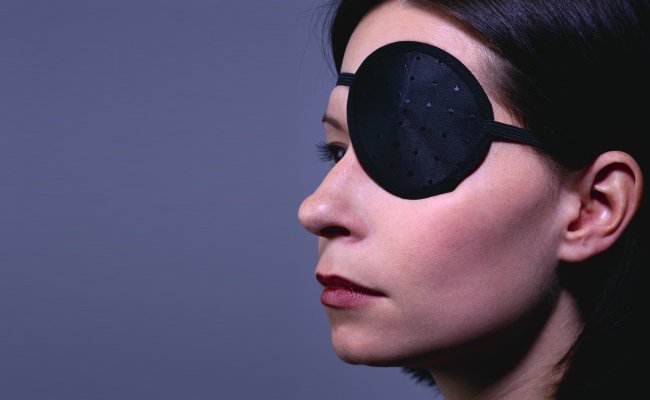
You can always damage your eye if your eyelids do not close properly. It may also lead to dryness. Your doctor will give you goggles or an eye pad for protection along with eye drops to keep your eye moist. There is also an option of taping the lower and upper lid together to keep your eye closed while you are sleeping.
2.

rx
Try Heat Compress
Apply soaked warm washcloth on face at least 3 times a day to find some comfort. The heat will help to relax facial muscles and prevent atrophy.
3. Massage with Olive Oil

www.rxharun.com
Regular massage with olive oil can increase blood circulation, which will help to improve your paralysis by stimulating damaged nerve. Start with your lower face. Place your thumb and index finger on each corner of your mouth, then push your lips forward and repeat for about 15 times. Next, massage your forehead and around your eyebrows. After that, move to your cheeks. Remember to apply some pressure to massage in a circular motion. Each part of the face shall be massaged for at least 2-3 minutes.
4. Try Castor Oil

www.rxharun.com
Castor oil helps because it’s effective in dealing with swelling, repairing damaged nerve and strengthening facial muscles. To do that, apply a cotton cloth that has been soaked in heated castor oil on the face for at least 3 times a day. For better result, you can use something such as flannel to retain the heat.
5. Eat Some Celery

www.rxharun.com
The vitamins and minerals in celery are beneficial for nerve health and can help to repair damaged nerve. In addition, celery can also boost your immune system. Eat celery, leaves and stick, raw several times a day.
6.

www.rxharun.com
Have Some Ginger and Turmeric
The anti-inflammatory properties in ginger and turmeric are very effective in relieving Bell’s palsy symptoms. You can either add them to your food while cooking or take their supplements.
7. Take Vitamin Supplements
www.rxharun.com
Vitamins such as vitamin B-12, B-6, and zinc can greatly speed up Bell’s palsy recovery. Vitamin B-12 is helpful for neurological conditions while vitamin B-6 helps nerve growth. Vitamin B-1 also helps with its thiamine in treating never inflammation. However, consult your doctor for proper doses before taking them.
Ayurvedic Treatment for Bell’s Palsy
Brahmi Capsules
Brahmi capsules of Planet Ayurveda are packed with pure extract of the best quality Brahmi. Brahmi is known as Bacopa monnieri scientifically.
Pack Size: 1 Bottle 60 Capsules
Dosage: 1 capsule twice daily with plain water after meals
Ashwagandha Capsules
Ashwagandha capsules of Planet Ayurveda are packed with pure extract of the best quality Ashwagandha. Ashwagandha is Withania somnifera scientifically.
Pack Size: 1 Bottle 60 Capsules
Dosage: 1 capsule twice daily with plain water after meals
Curcumin Capsules
Curcumin capsules of Planet Ayurveda are packed with a standardized extract of Curcumin, an active compound of turmeric.
Pack Size: 1 Bottle 60 Capsules
Dosage: 1 capsule twice daily with plain water after meals
Chandraprabha Vati
Chandraprabha Vati is a classical natural formulation, a blend of many ingredients that are explained in ayurvedic texts. Some of them are Vacha (Acorus calamus), Mustak (Ciprus rotundus), Pippali (Piper longum), Maricha (Piper nigrum), Haridra (Curcuma longa), Vidanga (Emblica ribes), etc.
Overall Chandraprabha Vati maintains healthy body functions.
Pack Size: 1 Bottle of 120 Tablets
Dosage: 2 tablets twice daily with plain water after meals
Nirgundi Oil
Nirgundi oil contains Nirgundi (Vitex Segundo) with other ingredients like Haridra (Curcuma longa), Manjista (Rubia cordifolia), Kalahari (Dichrostachys cinerea).
Pack Size: 1 Bottle 100ml
Dosage: for external use. Apply on the affected area once to twice daily and massage gently.
Bell’s Palsy (Homeopathy)
Complications
Due to the complexity of our facial muscles and their function, a number of problems can arise following the prolonged experience of having Bell’s palsy
- Contracture – Shortening of the facial muscles over time may make the affected side of the face appear to be slightly ‘lifted’ in comparison to the unaffected side, and the affected eye may appear smaller than the unaffected eye. The fold between the outer edge of the nostril and the corner of the mouth may seem deeper due to the increased contraction of cheek muscles on that side.
- Crocodile tears – This means that the affected eye waters involuntarily, particularly whilst eating. This is due to faulty ‘re-wiring’ of the nerves during the recovery phase.
- Lagophthalmos – This is an inability to close the affected eye, which if prolonged may result in eye dryness and/or corneal ulceration. (This complication can be assisted/prevented by the use of artificial tears and taping the eye down at night.) In rare cases, the vision may be permanently damaged if care is not taken.
- Synkinesis – This means that when intentionally trying to move one part of the face, another part automatically moves. For example, on smiling the eye on the affected side automatically closes. Similarly, on raising the eyebrows or closing the eyes, involuntary contraction of the cheek or neck muscles occurs. Find out more about synkinesis.
- People with persistent symptoms of Bell’s palsy may experience psychological problems including stress, anxiety, depression and low self-esteem
- altered sense of taste
- facial pain, pain in or behind the ear (in fewer than 50% of cases)
- no tears in one eye
- sensitivity to noise on the affected side
There’s none of the confusion, language difficulty, or crushing headache that’s commonly seen in stroke victims. You may have some trouble talking, but it’s purely muscular, whereas stroke victims have difficulty finding the words they need.
Usually, the symptoms appear at once. Occasionally, they worsen over a few days. Steady, progressive paralysis over several weeks is not a sign of Bell’s palsy.
The most serious complication seen in Bell’s palsy is permanent mild facial paralysis. This is found in a minority of cases. Overall, about 80% to 90% recover completely over weeks to months, and most of the rest improve.
Another complication is increased risk of stroke. Stroke prevention and follow-up is recommended.
Incomplete recovery is more likely in people who
- are over age 55
- feel pain other than ear pain
- have weakness/paralysis on both sides of the face – this occurs in 1% of cases
- show a lack of tears
People who don’t recover completely may be left with one or more of the following symptoms
- abnormal blink
- asymmetrical smile
- buccinator paralysis (food caught in cheek of paralyzed side)
- corneal damage
- drooling of liquids from corner of paralyzed mouth
- dry eye
- excessive perspiration
- frozen muscle in the nostril area
- hyperacusis (perceiving sounds as unusually loud)
- impaired taste
- impaired speech
- synkinesis



