

Tamarind (Tamarindus indica) is a leguminous tree bearing edible fruit that is indigenous to tropical Africa. The genus Tamarindus is monotypic, meaning that it contains only this species. It belongs to the family of Fabaceae. The tamarind tree produces brown, pod-like fruits that contain a sweet, tangy pulp, which is used in cuisines around the world. The pulp is also used in traditional medicine and as a metal polish. The tree’s wood can be used for woodworking and tamarind seed oil can be extracted from the seeds. Tamarind’s tender young leaves are used in Indian and Filipino cuisine.[rx][rx] Because tamarind has multiple uses, it is cultivated around the world in tropical and subtropical zones.
| Tamarind Quick Facts | |
|---|---|
| Name: | Tamarind |
| Scientific Name: | Tamarindus indica |
| Origin | Native to Eastern Africa. Today, it has been introduced to tropical areas of the world and has been naturalized in Southeast Asia, India, Pacific Islands, Tropical America and the Caribbean. |
| Colors | Cinnamon-brown or greyish to brown |
| Shapes | Sub-cylindrical, straight or irregularly curved, 15 cm long, 5 cm wide |
| Flesh colors | Brown or reddish-brown |
| Taste | Sour, sweet, acidic |
| Calories | 287 Kcal./cup |
| Major nutrients | Carbohydrate (57.69%) Vitamin B1 (42.83%) Iron (42.00%) Magnesium (26.19%) Phosphorus (19.43%) |
| Health benefits | Prevent oxidative damage, Liver health, Prevent bacteria, Slows down the aging process, Assist to lower weight |
Tamarind is a multipurpose, perennial, and evergreen tree which belongs to the family Fabaceae and sub-family Caselapinoideae. It is inherent to tropical Africa and got naturalized in over 50 countries worldwide. India and Thailand are the major production areas in Asian countries and are also found in Sri Lanka, Bangladesh, Indonesia, and Thailand. Mexico and Costa Rica are the biggest producers in America. Gambia, Senegal, Zambia, and Tanzania are the minor producing countries in Africa.
The tree is large reaching upto 80 feet in height bearing long and heavy drooping branches and dense foliage. It produces curvy and bean-shaped fruit pods found all over the branches in abundance. The pod has a hard and outer shell that possesses deep brown, beaded, and soft pulp. The fruit flesh contains 2 to 10 hard and dark brown seeds. The pulp of the fruit inside the shell is held together by an extensive fiber network that runs from pedicle to tip.
The tree thrives in various ranges of soil from deep alluvial soil to sandy soil, porous, oolitic limestone, and poor rocky land. It is resistant to drought and could be grown in semi-arid areas, is salt-tolerant, and could also be found near the seashores. The tree is sensitive to frost and young trees should be protected from cold. It needs a dry period for good fruit set and frequent rains at the time of flowering and development of fruit.
Tamarind pulp possesses 3.1% protein, 20.6% water, 0.4% fat, 3.0% fiber, 70.8% carbohydrates and 2.1% ash. The pulp has a low content of water and high content of protein, minerals, and carbohydrates.
Plant
Tamarind is an evergreen, slow-growing, and perennial tree which could reach up to the height of 25 to 30 meters with trunk dbh of 30 to 50 to 90 cm. It has a rough, dark grey, and fissured bark. Leaves are pinnate, alternate, stipulate, petiolate, and measure about 7.5 to 15 cm long. Each leaf has 10 to 20 pairs of oblong leaflets of 1.25 to 2.5 cm long by 5 to 6 mm wide having a rounded base and entire margins. An inflorescence is lateral, lax, and terminal racemes and measures about 13 cm long. The fragrant flowers are small and 3 cm long. The calyx tube is about 7 mm having four unequal lobes and five petals. Fruits are subcylindrical pods that might be straight or irregularly curved having rounded ends and crustaceous and scurfy skin. The skin is cinnamon to brown or greyish to brown. Fruits measure about 15 cm long and 5 cm wide and bear ten flattened, shiny, and brown seeds measuring about 1.1 to 1.25 cm long. Seeds are enclosed by a parchment-like membrane and entrenched in a juicy, thick, syrupy acidulous to the sweetish pulp which changes to brown or reddish-brown when ripened.
Bark
Tamarind tree has grayish to brown bark which is rough and scaly with both horizontal and vertical fissures. As the tree ages, the fissures start to deepen and darken. The bark of the oldest trees on lower trunks falls away. The tree has an ornate and contorted trunk that provides a pleasing appearance. The trunks have gray, brown, or tan colors. The diameter of the trunk is six feet or more.
Leaves
This evergreen tree bears pinnate and alternate leaves which measure four to 6 inches long and 1 ½ wide. It possesses petioles of 1 quarter inch long. Leaves have 10 to 17 pairs of opposite leaflets. It has a rounded and asymmetric base and is rounded to square apex. The entire blades are thin with a delicate texture. It is light green and turns to darker blue to green when mature. It has a slightly paler on the lower surface.
Flowers
The showy and small flowers bloom in spring. The flower buds are dark red in color. Flowers are arranged on the terminal and lateral lax racemes. It possesses four pale yellow sepals one half inch long. Petals are white and cream in color with red or brown veins. The upper three petals are well developed and the lower two are minute.
Fruit
Fruit is a legume which is also known as a pod measuring 12 to 15 cm (4.7 to 5.9 inches) long with a hard and brown shell. The fruit has a juicy, fleshy, and acidulous pulp. The flesh has a brown or reddish-brown color. Seeds are flattened and are glossy brown in color. It has a sweet and sour taste. It has a high content of sugar, tartaric acid, and Vitamin B. Pull the pod from stalk to harvest fruit. A mature tree produces up to 36 lb. (175 kg) of fruit a year.
History
Tamarind is inherent to Tropical Africa and has been cultivated for a long time in the Indian subcontinent which is sometimes considered to be inherent there, where it is called imli in Urdu-Hindi. It is grown wild in Africa as diverse as Cameroon, Sudan, Tanzania, and Nigeria. In Arabia, it is grown wild in Oman where it is grown on sea-facing slopes of mountains. Through human transportation, it reached South Asia and was cultivated for several thousand years BC. It is distributed widely in a tropical belt from Africa to South Asia, Oceania, Northern Australia, Taiwan, Southeast Asia, and China.
It was introduced to Mexico in the 16th century and by Spanish and Portuguese colonists to South America to a lesser degree than it became a major ingredient in the region’s cuisine. Currently, India is considered to be the highest producer of Tamarind. An intake of tamarind is widely spread due to its vital role in cuisines of the Indian subcontinent, Americas, and Southeast Asia.
Nutritional value of Tamarinds, raw
Calories 287 Kcal. Calories from Fat 6.48 Kcal.
| Proximity | Amount | % DV |
|---|---|---|
| Water | 37.68 g | N/D |
| Energy | 287 Kcal | N/D |
| Energy | 1200 kJ | N/D |
| Protein | 3.36 g | 6.72% |
| Total Fat (lipid) | 0.72 g | 2.06% |
| Ash | 3.24 g | N/D |
| Carbohydrate | 75 g | 57.69% |
| Total dietary Fiber | 6.1 g | 16.05% |
| Total Sugars | 46.56 g | N/D |
| Minerals | Amount | % DV |
|---|---|---|
| Calcium, Ca | 89 mg | 8.90% |
| Iron, Fe | 3.36 mg | 42.00% |
| Magnesium, Mg | 110 mg | 26.19% |
| Phosphorus, P | 136 mg | 19.43% |
| Potassium, K | 754 mg | 16.04% |
| Sodium, Na | 34 mg | 2.27% |
| Zinc, Zn | 0.12 mg | 1.09% |
| Copper, Cu | 0.103 mg | 11.44% |
| Selenium, Se | 1.6 µg | 2.91% |
| Vitamins | Amount | % DV |
|---|---|---|
| Water-soluble Vitamins | ||
| Vitamin B1 (Thiamin) | 0.514 mg | 42.83% |
| Vitamin B2 (Riboflavin) | 0.182 mg | 14.00% |
| Vitamin B3 (Niacin) | 2.326 mg | 14.54% |
| Vitamin B5 (Pantothenic acid) | 0.172 mg | 3.44% |
| Vitamin B6 (Pyridoxine) | 0.079 mg | 6.08% |
| Vitamin B9 (Folate) | 17 µg | 4.25% |
| Folic Acid | 0 µg | N/D |
| Folate, food | 17 µg | N/D |
| Folate, DEF | 17 µg | N/D |
| Choline | 10.3 mg | 1.87% |
| Vitamin C (Ascorbic acid) | 4.2 mg | 4.67% |
| Fat-soluble Vitamins | ||
| Vitamin A, RAE | 2 µg | 0.29% |
| Vitamin A, IU | 36 IU | N/D |
| Beta Carotene | 22 µg | N/D |
| Vitamin E (alpha-tocopherol) | 0.12 mg | 0.80% |
| Vitamin K (phylloquinone) | 3.4 µg | 2.83% |
| Lipids | Amount | % DV |
|---|---|---|
| Fatty acids, total saturated | 0.326 g | N/D |
| Myristic acid 14:00(Tetradecanoic acid) | 0.008 g | N/D |
| Palmitic acid 16:00 (Hexadecanoic acid) | 0.202 g | N/D |
| Stearic acid 18:00 (Octadecanoic acid) | 0.072 g | N/D |
| Fatty acids, total monounsaturated | 0.217 g | N/D |
| Oleic acid 18:1 (octadecenoic acid) | 0.217 g | N/D |
| Fatty acids, total polyunsaturated | 0.071 g | N/D |
| Linoleic acid 18:2 (octadecadienoic acid) | 0.071 g | N/D |
| Amino acids | Amount | % DV |
|---|---|---|
| Tryptophan | 0.022 g | 5.00% |
| Lysine | 0.167 g | 4.99% |
| Methionine | 0.017 g | N/D |
*Above mentioned Percent Daily Values (%DVs) are based on 2,000 calorie diet intake. Daily values (DVs) may be different depending upon your daily calorie needs. Mentioned values are recommended by the U.S. Department of Agriculture. They are not rxharun.com recommendations. Calculations are based on average age of 19 to 50 years and weigh 194 lbs. Source, https://ndb.nal.usda.gov/
Health Benefits of Tamarind
People have been using bark, roots, and leaves of tamarind for centuries. The pulp of tamarind helps to cure sore throats, inflammations, and conjunctivitis such as pink eye. Mix the pulp with salt which is an effective liniment for rheumatism. The poultice prepared from flowers and leaves provides relief from sprains, swollen joints, and boils. The ash prepared from tamarind fried with salts is useful for colic and digestion. Decoction could be made by boiling tamarind to extract chemicals and used to alleviate eye inflammations, asthma, and gingivitis. It is also used for culinary purposes and added to curries, salads, and stews.
- Prevent oxidative damage
The study concluded that the pulp of tamarind is a natural health food that possesses antioxidant and hypocholesterolemic properties. The pulp promotes cholesterol efflux, increases uptake and clearance of LDL-C from peripheral tissues, inhibits cholesterol biosynthesis, and suppresses the accumulation of triglyceride in the liver. The observations show that pulp is effective for hypocholesterolemic conditions. Moreover, it also prevents the chances of oxidative damage such as oxidation of LDL-C which is a risk factor for atherosclerosis. These beneficial effects could be obtained from phytochemical constituents that include many phenolic and flavonoid compounds in fruit pulp. It also provides a cholesterol-lowering effect and prevents oxidative damage. (1)
- Liver health
The study evaluated that the ameliorative effect of the seed coat of tamarind on a high-fat diet promotes nonalcoholic fatty liver disease. The treatment with seed coat of tamarind at dose levels weakens pathological alterations related with HFD induced NAFLD hepatomegaly, inflated lipid peroxides and hepatic lipid, free fatty acid levels, serum alanine aminotransferase, and macrohepatic steatosis. The treatment from extract lowered body weight and adiposity with improvement in insulin resistance index. (2)
- Prevent bacteria
The aqueous and ethanolic extracts of fruit pulp, leaves, stem bark, and tamarind evaluate antibacterial activity. The extracts of pulp exhibit extensive spectrum activity. Tamarind is used to treat various health ailments as well as enteric disturbances and high potency against pathogenic bacterial was obtained. In comparison to the stem bark extracts, fruit extracts showed better activity which is the part used by herbal practitioners. Moreover, bacterial strains were involved in enteric disturbances, sexually transmitted infections and foodborne diseases are the common diseases of concern in the tropics. It concludes that the herb is used to treat ailments caused by these organisms. (3)
- Slows down the aging process
The study clarifies that seed extract of tamarind contains botanical antioxidants which display antiaging activities when applied topically. The cosmetic of W/O emulsion packed with tamarind seed extracts is formulated to notice the increase in stratum corneum water contents. The increase in stratum corneum water content provides a smooth look and prevents aging of the skin. The decrease in SELS parameters showed antioxidants found in a formulation that contains seed extract with anti-wrinkle activities. Moreover, antioxidants in formulation showed non-deleterious activities so this formulation is known to be economical and safe to manage wrinkles. (4)
- Assist to lower weight
Results demonstrated that isolated trypsin inhibitor from tamarind lower weight gain by lowering food consumption, an effect which is mediated by promoting cholecystokinin. The potential use of trypsin inhibitor is used to prevent obesity which was evaluated. (5)
- Antioxidant activity
Oxidative stress aggravates diabetic type 1 and types 2 situations but it contributes to the destruction of beta-cell in type 2 diabetes in insulin resistance hyperglycemia. The control of glucose plays a vital role in antioxidant or pro-oxidant balance. Some antidiabetic agents include antioxidant properties independently of their role in the control of glucose. (6)
- Anthelmintic activity
The study evaluated the anthelmintic activity of aqueous and ethanolic extract of bark and leaves of tamarind using Tubifex tubifex and Pheretima Posthuma as test worms. The time of death and paralysis was studied and the activity was compared with piperazine citrate as the reference standard. The aqueous and alcohol extract of tamarind bark presented significant anthelmintic activity which was confirmed by lowering the paralyzing time and death time. Results supported the use of tamarind as an anthelmintic activity. (7)2
- Lower oxidative stress
Tamarind is also called asma Jawa which belongs to the Leguminosae family. The seeds of tamarind as by-products from fruits were reported to possess high polyphenolic content. The identification of bioactive polyphenols which use recent technologies is less well researched. The study was conducted to provide further information about polyphenolic content as well as antioxidant activities and also to identify as well as quantify bioactive polyphenols. (8)
- Skin health
Tamarind is helpful to maintain healthy skin. It effectively protects skin from ultraviolet damage caused by the sun. It is traditionally used on the face and skin to lower scars and acne. It possesses alpha hydroxyl acid which acts as an exfoliating agent to eliminate dead skin cells and also clears clogged pores.
Types and Varieties of Tamarind
There are many types of tamarind. Several produce fruits that are really sweet, with no slightest trace of sour. These types of fairly sweet types command a higher price in the market and therefore are sold in their ripened pods to be consumed fresh as fruits. The land of Petchaboon in northeastern Thailand is recognized for its sweet tamarind (Makaha wahn). Every year, when the fruit comes into season throughout the dry months, a Sweet Tamarind Fair is held with many different celebrations and a lot of scrumptious tamarinds to sample and take home. During this period of the year, bags of the plump brown pods are peddled around by street hawkers, in addition, to piled amongst colorful fruits at fruit stands across the nation. The prized good-eating types even find their way into prepackaged gift baskets bought from modern Bangkok supermarkets, together with imported fruits, refined goods as well as chocolates. More prevalent types create tart fruits that fluctuate from sweet-and-sour to mouth-puckering sour. The less sour ones – taken off their fragile pods as well as coated with a combination of salt, sugar, and also smashed Chillies – really are a pleasure to chew. They wake up the mouth, have the juices flowing as well as momentarily satisfying thirst. Others are cooked in syrup with their seeds strained out making them into candied tamarind. They’re perfect for the digestive tract and also have a moderate, natural laxative impact. In addition, tamarind is considered to get blood purifying qualities. Some of the varieties of tamarind are as follows-
Africa
In Africa, tamarind develops in exotic parts of Senegal and Kenya. These types of fruit trees may also be within the island nations of Madagascar and Zanzibar. However, tamarind usually is not indigenous to Madagascar, in accordance with the International Centre for Underfertilized Crops. The African nation of Malawi receives a tamarind a “bwemba” and helps to create “bwemba juice” from the tamarind fruit. In her native African environment, tamarind medium trees develop 40 to 80 feet in height, having a spread of approximately 35 meters. The majority of varieties trees generally develop to 25 meters tall and therefore are utilized for shade or even decorative reasons.
Asia
 Aside from India, tamarind growing in Asian countries for instance Thailand, Malaysia, the Philippines, Myanmar, and Turkey. Several Asian versions are Piyai, Jiahom as well as Sitting. The two states with the biggest tamarind farming are India and Thailand. Produce native or even cultivated Asian tamarind either “sour” or “sweet” fruit. The majority of tamarind in Thailand are sweet, fruit mostly from the “Makhwam want ‘variety, while India has sweet as well as sour tamarind fruit. Several trees along with sour fruits are cultivated in the position, sweet fruit on some of its branches. Whenever ripe, the flesh turns reddish-brown (sweet) or brown (acidic).
Americas
All tamarind in the USA are types, the very first tamarind in America was of Spanish and Portuguese settlers within the 17th and 18 Centuries introduced. South Florida, as well as Hawaii, include the main places exactly where tamarind is grown in the USA. In Hawaii, the sour tamarind pulp from cultured primary components for drinks, chutney as well as curry. Central America, as well as Caribbean Cultivators, see tamarind as “tamarindo.” American cultivators make use of seed or even vegetation to spread the cultivation of tamarind. Tamarind seed is made by the planting of tree seeds in the ground, whilst vegetation grows tamarind spread by planting buds, shoots, or cuttings from the fully developed tamarind.
Manila Tamarind
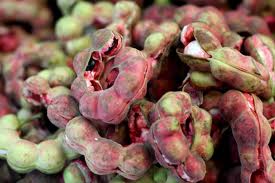 Despite the tree title, the Manila tamarind (Pithecellobium dulce) isn’t actual tamarind. However, the tamarind, as well as Manila tamarind trees, involve some resemblances. Both trees are usually delicious fruit having white or red flesh for human consumption. Much like tamarind, Manila tamarind develops sweet or even sour fruits. Could also grow Manila tamarind in exotic climates and could be planted for decorative reasons. However, Manila is tamarind is indigenous to the coastal regions of Southern California, Mexico, and South America, but isn’t native to Manila, Philippines. Is cultured Manila tamarind it in India and Africa coasts?
Traditional uses
- The preparations of tamarind are used to treat fever, cold, diarrhea, stomach disorder, jaundice, and also as a skin cleanser.
- Combine pulp with honey, lime juice, spices, or camphor, and dates and use it to cure bile disorders and biliousness.
- Apply the pulp on inflammations and used it as a gargle for sore throat and mix it with salt for rheumatism.
- The pulp helps to restore the sensation in case of paralysis.
- It is used in tamarind for digestion and gastric problems.
- Make a paste of powdered seeds to treat boils or with cumin seeds and palm sugar for dysentery and diarrhea.
- Root infusion helps to treat chest complaints and is also used as an ingredient in prescriptions for leprosy.
- Consume the roasted and soaked seeds to eliminate intestinal parasites.
- Use the poultice made from leaves and flowers either boiled or dried for sprains, swollen joints, and boils.
- An extract is useful to treat dysentery, conjunctivitis, hemorrhoid, erysipelas, and jaundice.
- In the Philippines, herbal tea made from tamarind leaves is used to lower malaria fever.
- It is also helpful for colic and indigestion.
- A decoction is used as a cure for asthma, gingivitis, and eye inflammations.
- Apply the poultice made from bark to caterpillar rashes and open sores.
- In Benin, seeds of tamarind are used for menses problems.
- In the Popular Republic of Congo, leaves are used to treat chickenpox.
- In Niger, leaves of ripe tamarind are used to treat intestinal worms.
- In Central West Africa, leaves and bark are used to cure wounds.
- In the Philippines, the bark is used as a poultice for treating rashes, boils, ulcers, and sores.
- The decoction made from the bark is used for cough and gargle.
- In Senegal, leaves are used to treat ulcers and powdered bark is used to treat cough.
- In Uganda, a decoction made from the bark is used to cure uterine fibroids and root decoction is used for syphilis.
- Boil the leaves and use it as a mouth wash to cure oral sores.
- A decoction made from roots is used to cure epilepsy in Tanzania.
- In Ethiopia, crushed seeds are used to treat tapeworm.
- In Philippines, poultice prepared from flowers is used as an aid for conjunctivitis and eye diseases.
- Use the flowers internally for piles and jaundice.
- It is used to cure bilious disorders.
- Leaves are used in herbal tea for lowering malaria fever.
- Gargle with dilute tamarind pulp for sore throat.
- The decoction prepared from tamarind leaves is used to cure ulcers and jaundice.
- Treat piles with the juice extracted from tamarind flowers.
Precautions
- It could react with ibuprofen, aspirin, blood thinners, naproxen, and anticoagulants.
- Excessive consumption promotes the chances of hypoglycemia.
- People might be hypersensitive to this fruit and could cause itching, rashes, shortness of breath, and vomiting.
- Being highly acidic, it could damage the teeth when consumed excessively.
- It could result in gallstone formation.
- People who have indigestion problems should not use tamarind because it could promote acid reflux.
How to Eat
- The fruit pulp is consumed fresh, raw, or used as a condiment or spice in various food dishes and sauces.
- In Thailand, the pulp of the fruit is sold as dessert or snack fruit.
- In Southeast Asia, young pods are consumed with sweet shrimp sauce.
- Pickle young and green tamarinds and consume them as snacks like pickled mango. Dip it in the mixture of salt, crushed chilies, and sugar.
- In India, immature sour pods are cooked as a seasoning with fish, rice, and meats.
- In Asian and Latin American cuisines, the fruit pulp of tamarind is used as a spice or a vital ingredient in HP barbecue sauce and Worcestershire sauce.
- The pulp is also used in gravy dishes, sauces,s or cooked with vegetables and lentils.
- Pickapeppa is a Jamaican sauce that consists of a mixture of onions, tomatoes, raisins, mangoes, other spices, and tamarind.
- Tamarind is used as a vital ingredient in curries, chutneys, and sauces.
- In the South Indian diet, it is used to make Rasam which is the spicy preparation of onion, tomatoes, chilies, garlic, jaggery, tamarind, curry leaves, mustard seeds, coriander seeds, red chili, peppercorns, cumin seeds, and oil.
- A south Indian rice preparation with tamarind is consumed as a snack.
- It is also used to add flavor to pulse dishes and rice dishes.
- In Singapore and Malaysia, tamarind is used to add a unique and distinctive flavor to fish dishes.
- In East Malaysia, it is used in Sarawak laksa which is a type of rice noodle soup that contains sour tamarind, sambal belacan, galangal, garlic, coconut milk, lemongrass, topped with omelet strips, prawns, chicken strips, lime, and fresh coriander.
- In the Philippines, tamarind is used to add a sour taste to the spicy sour soup which is prepared with tomato, tamarind, green pepper, onion, fish or meat.
- Tamarind is used to prepare jellies, mansion, and syrup in Indonesia.
- Young pods are combined with rujak or pounded together with small fish.
- The salted pulp is made into balls which are known as Assam kayak in Java.
- Confection could be prepared by sugaring tamarind pulp.
- It is used as a vital ingredient in Mexican candies known as pulparindo.
- The pulp could be turned into syrup and is used as a base to make carbonated water and refreshing drinks.
- It is also used to make ice cream and tamarind sherbet.
- Tamarind pulp is also used to make wine.
- In India, young leaves, flowers, and seedlings are cooked and consumed as greens or added to curries.
- In Zimbabwe, leaves are added to soups, and flowers are used as an ingredient in salads.
- In Andhra Pradesh, tamarind flowers are used to make tangy pickles.
- In Indonesia, young leaves are used to prepare the pindang step which is a spicy soup cooked with asem leaves, meat, salt, white onions, and Lombok.
- In Timor, young shoots recombined with other lab or consumed with salt and Lombok.
- In Madura and East Java, seed kernels are consumed after soaking in water for a day.
- It is used as an ingredient in India and Southeast Asia in curries, chutneys, rasam, vegetable, and lentil recipes.
- Prepare the juice from tamarind pulp by adding sugar, dates, cloves, cardamom, and coriander seeds.
References


