

Purple Morsels/A raisins is a dried grape. Raisins are produced in many regions of the world and maybe eaten raw or used in cooking, baking, and brewing. In the United Kingdom, Ireland, New Zealand, and Australia, the word raisin is reserved for the dark-colored dried large grape, with sultana being a golden-colored dried grape, and currant being a dried small Black Corinth seedless[rx] grape.[rx]
| Raisins Quick Facts | |
|---|---|
| Name: | Raisins |
| Colors | Golden, green or black |
| Taste | Sweet |
| Calories | 493 Kcal./cup |
| Major nutrients | Carbohydrate (100.50%) Copper (58.33%) Iron (38.75%) Potassium (26.30%) Phosphorus (23.86%) |
| Health benefits | Eye health, Oral health, Prevent constipation, Supports to gain weight, Cancer prevention |
Raisins are shriveled brown, yellow, or purple morsels called raisins. Actually, they are grapes that have been dried in a food dehydrator or sun. Usually, they are added to yogurt, oatmeal, cereal or granola, and salads. Due to their small size, raisins are loaded with energy and rich in vitamins, fiber, and minerals. Raisins possess a sweet taste and have a high content of calories and sugar. Still, they are beneficial to health when consumed in moderate amounts. It supports digestion, keeps bone strong, and promotes iron levels.
Facts of Raisins
| Name | Raisins |
|---|---|
| Name in Other Languages | Albanian: rrush i thatë; Basque: pasak; Belarusian: разынкі; Bosnian: grožđice; Bulgarian: stafidi (стафиди); Catalan: panses; Croatian: grožđice; Czech: rozinky; Danish: rosiner; Dutch: rozijnen; Estonian: rosinad; Finnish: rusinat; French: raisins secs; Galician: pasas de uva; German: Rosinen; Greek: Stafídes (Σταφίδες) Hungarian: mazsolák; Icelandic: Rúsínum; Irish: rísíní; Italian: uva passa; Latvian: rozīnes; Lithuanian: razinos; Macedonian: suvo grozje (суво грозје); Maltese: żbib; Norwegian: rosiner; Polish: rodzynki; Portuguese: passas de uva; Romanian: stafide; Russian: izyum (изюм); Serbian: suvo grozhdzhe (суво грожђе); Slovak: hrozienka; Slovenian: rozine; Spanish: Pasas; Swedish: russin; Ukrainian: rodzynky (родзинки); Welsh: rhesins; Yiddish: reyzanz (רייזאַנז); Armenian: ch’amich’ (չամիչ); Azerbaijani: kişmiş; Bengali: Kiśamiśa (কিশমিশ); Chinese: pútáogān (葡萄干); Georgian: k’ishmishi (ქიშმიში); Gujarati: Kisamisa (કિસમિસ); Hindi: kishamish (किशमिश); Hmong: raisins; Japanese: Rēzun (レーズン); Kannada: Oṇadrākṣi (ಒಣದ್ರಾಕ್ಷಿ); Kazakh: meyiz (мейіз); Khmer: tompeangbaychour (ទំពាំងបាយជូរ); Korean: geonpodo (건포도); Lao: raisins; Malayalam: uṇakkamuntiri (ഉണക്കമുന്തിരി); Marathi: Manukā (मनुका); Mongolian: üzem (үзэм ); Myanmar (Burmese): hc pyit see pyain (စပျစ်သီးပျဉ်); Nepali: Kisamisa (किसमिस); Sinhala: viyaḷi midi (වියළි මිදි); Tajik: maviz (мавиз); Tamil: Ularnta tirāṭcaikaḷ (உலர்ந்த திராட்சைகள்); Telugu: Eṇḍudrākṣa (ఎండుద్రాక్ష ); Thai: Lūkked (ลูกเกต); Uzbek: mayiz; Vietnamese: nho khô; Arabic: zabib (زبيب); Turkish: Kuru üzüm; Afrikaans: rosyne; Chichewa: zoumba; Hausa: zabibi; Igbo: amiri Sesotho: morara o omisitsoeng; Somali: sabiib; Swahili: zabibu; Yoruba: raisins; Zulu: omisiwe; Cebuano: pasas ; Filipino: mga pasas; Indonesian: kismis; Javanese: raisins; Malagasy: voaloboka; Malay: kismis; Maori: karepe; Esperanto: sekvinberoj; Haitian Creole: rezen chèch; Latin: uvam passam; |
| Fruit color | Golden, green or black |
| Taste | Sweet |
| Major Nutritions | Carbohydrate 130.65 g (100.50%) Copper, Cu 0.525 mg (58.33%) Iron, Fe 3.1 mg (38.75%) Potassium, K 1236 mg (26.30%) Phosphorus, P 167 mg (23.86%) Vitamin B6 (Pyridoxine) 0.287 mg (22.08%) Manganese, Mn 0.493 mg (21.43%) Tryptophan 0.083 g (18.86%) Total dietary Fiber 6.1 g (16.05%) Vitamin B2 (Riboflavin) 0.206 mg (15.85%) |
| Calories in 1 cup packed (165 gm) | 493 Kcal. |
The varieties of raisins depend on the type of grape used and could be found in a variety of colors and sizes such as brown, black, green, yellow, blue, and purple. Flame grapes, Greek currants, and Sultana are seedless varieties. Traditionally raisins are sun-dried and also could be water-dipped and artificially dehydrated.
Raisins contain phenolic compounds such as gallic, quinic, chlorogenic, and caffeic acids: epicatechin and catechin. Golden raisins contain health-promoting compounds due to its antioxidant properties of sulfite which is used for the production of golden raisins hinder the loss of these compounds. In comparison to sun-dried raisins and grapes, golden raisins have a high content of the antioxidant activity and phenolic content. The drying process to make raisins preserves and focuses on the antioxidant properties of raisins.
History
Drying grapes for making raisins is an ancient practice that goes back thousands of years. Phoenicians and Armenians found the earliest vineyards. It was mentioned in the Old Testament of the Bible several times. In ancient Rome and Greece, raisins were provided as prizes for events and sports. Physicians used to prescribe it as an aid for ailments.
The raisin is discovered unintentionally, several years prior to Christ. People consumed grapes however didn’t know that when these were to dry out the grape, it might turn out to be this convenient as well as scrumptious dried out fruit known as the raisin. Experts declare that the Phoenicians, as well as Armenians, were the very first nations around the world to create raisins. Phoenicians set up vineyards in Spain as well as Greece which was fitted for growing raisins as well as the Armenians set up their vineyards within Iran, Turkey as well as Iraq. The Greeks and also Romans experienced a popular demand for raisins and after that, some other nations began to utilize raisins too.
The term raisin goes back to Middle English and is also a loanword from Old French; raisin indicates “grape,” whilst, in French, a dried out grape is known as a raisin sec, or even “dry grape.” The earlier French word, therefore, was made from the Latin term racemes, “a number of grapes.” Raisin types depend upon the kind of grape utilized. Seedless types add the Sultana (also referred to as “Thompson Seedless” in the United States) as well as Flame. Raisins are usually sun-dried, however can also be “water-dipped,” or even dried out.
The process of drying out fruit was most likely identified accidentally. It really is possible that the forefathers discovered fallen fruit, which in fact had dried out under the sun, and also found out its sweet taste after sampling it. Proof has demonstrated that raisins were made by the Egyptians as soon as 2000 B.C. Raisins particularly have already been pointed out in historical writings and it also shows that these were utilized for consuming, dealing with health problems, and in some cases paying out taxes.
Through the entire ages, wine-making has been the most crucial utilize for grapes, even so, a modest amount of these grapes have invariably been converted to raisins. Throughout the later 1800s, Spanish missionaries from Mexico launched grapes in the United States of America. Most of the vineyards set up by these types of missionaries in California are still provided nowadays. These types of earlier vineyards were mainly utilized to create wines, but also in 1873 once the vineyard identified they might make quicker earnings by developing raisins, the raisin industry came into this world.
Medieval knights introduced raisins to Northern Europe as a sample in Persia and the Mediterranean during the Crusades. As cultivation spread to Germany and France, raisins became a valuable part of European cuisines. Generally, raisins came from Greece, Turkey, and Iran. Currently, the United States is the leading producer of raisins which is then followed by Australia. Grape vines were planted in California (America) in the 18th century from where the raisins come from. In 1873, America’s first raisin crop occurred by accident when San Joaquin Valley suffered massive heat waves that dried grapes on vine before it have been picked.
Nutritional value of Raisins, seedless
Calories 493 Kcal. Calories from Fat 6.84 Kcal.
| Proximity | Amount | % DV |
|---|---|---|
| Water | 25.46 g | N/D |
| Energy | 493 Kcal | N/D |
| Energy | 2066 kJ | N/D |
| Protein | 5.07 g | 10.14% |
| Total Fat (lipid) | 0.76 g | 2.17% |
| Ash | 3.05 g | N/D |
| Carbohydrate | 130.65 g | 100.50% |
| Total dietary Fiber | 6.1 g | 16.05% |
| Total Sugars | 97.66 g | N/D |
| Sucrose | 0.74 g | N/D |
| Glucose (dextrose) | 45.79 g | N/D |
| Fructose | 48.97 g | N/D |
| Starch | 4.46 g | N/D |
| Minerals | Amount | % DV |
|---|---|---|
| Calcium, Ca | 82 mg | 8.20% |
| Iron, Fe | 3.1 mg | 38.75% |
| Magnesium, Mg | 53 mg | 12.62% |
| Phosphorus, P | 167 mg | 23.86% |
| Potassium, K | 1236 mg | 26.30% |
| Sodium, Na | 18 mg | 1.20% |
| Zinc, Zn | 0.36 mg | 3.27% |
| Copper, Cu | 0.525 mg | 58.33% |
| Manganese, Mn | 0.493 mg | 21.43% |
| Selenium, Se | 1 µg | 1.82% |
| Fluoride | 385.9 µg | 9.65% |
| Vitamins | Amount | % DV |
|---|---|---|
| Water-soluble Vitamins | ||
| Vitamin B1 (Thiamin) | 0.175 mg | 14.58% |
| Vitamin B2 (Riboflavin) | 0.206 mg | 15.85% |
| Vitamin B3 (Niacin) | 1.264 mg | 7.90% |
| Vitamin B5 (Pantothenic acid) | 0.157 mg | 3.14% |
| Vitamin B6 (Pyridoxine) | 0.287 mg | 22.08% |
| Vitamin B9 (Folate) | 8 µg | 2.00% |
| Folic Acid | 0 µg | N/D |
| Folate, food | 8 µg | N/D |
| Folate, DEF | 8 µg | N/D |
| Choline | 18.3 mg | 3.33% |
| Vitamin C (Ascorbic acid) | 3.8 mg | 4.22% |
| Fat-soluble Vitamins | ||
| Betaine | 0.5 mg | N/D |
| Vitamin E (alpha-tocopherol) | 0.2 mg | 1.33% |
| Tocopherol, gamma | 0.07 mg | N/D |
| Vitamin K (phylloquinone) | 5.8 µg | 4.83% |
| Lipids | Amount | % DV |
|---|---|---|
| Fatty acids, total saturated | 0.096 g | N/D |
| Myristic acid 14:00(Tetradecanoic acid) | 0.002 g | N/D |
| Palmitic acid 16:00 (Hexadecanoic acid) | 0.073 g | N/D |
| Stearic acid 18:00 (Octadecanoic acid) | 0.017 g | N/D |
| Arachidic acid 20:00 (Eicosanoic acid) | 0.002 g | N/D |
| Behenic acid (docosanoic acid) 22:00 | 0.003 g | N/D |
| Fatty acids, total monounsaturated | 0.084 g | N/D |
| Palmitoleic acid 16:1 (hexadecenoic acid) | 0.064 g | N/D |
| Oleic acid 18:1 (octadecenoic acid) | 0.02 g | N/D |
| Fatty acids, total polyunsaturated | 0.061 g | N/D |
| Linoleic acid 18:2 (octadecadienoic acid) | 0.046 g | N/D |
| Linolenic acid 18:3 (Octadecatrienoic acid) | 0.013 g | N/D |
| Alpha-linolenic acid 18:3 n-3 c,c,c (Octadecatrienoic acid) | 0.002 g | N/D |
| Amino acids | Amount | % DV |
|---|---|---|
| Tryptophan | 0.083 g | 18.86% |
| Threonine | 0.127 g | 7.22% |
| Isoleucine | 0.094 g | 5.62% |
| Leucine | 0.158 g | 4.27% |
| Lysine | 0.139 g | 4.16% |
| Methionine | 0.035 g | N/D |
| Cystine | 0.031 g | N/D |
| Phenylalanine | 0.107 g | N/D |
| Tyrosine | 0.02 g | N/D |
| Valine | 0.137 g | 6.49% |
| Arginine | 0.681 g | N/D |
| Histidine | 0.119 g | 9.66% |
| Alanine | 0.173 g | N/D |
| Aspartic acid | 0.181 g | N/D |
| Glutamic acid | 0.271 g | N/D |
| Glycine | 0.132 g | N/D |
| Proline | 0.419 g | N/D |
| Serine | 0.116 g | N/D |
| Anthocyanidins | Amount | % DV |
|---|---|---|
| Cyanidin | 0.05 mg | N/D |
| Flavan-3-ols | Amount | % DV |
|---|---|---|
| (+)-Catechin | 0.7 mg | N/D |
| (-)-Epigallocatechin | 0 mg | N/D |
| (-)-Epicatechin | 0.2 mg | N/D |
| Flavonols | Amount | % DV |
|---|---|---|
| Quercetin | 0.4 mg | N/D |
| Isoflavones | Amount | % DV |
|---|---|---|
| Daidzein | 0.04 mg | N/D |
| Genistein | 0.08 mg | N/D |
| Total isoflavones | 0.13 mg | N/D |
*Above mentioned Percent Daily Values (%DVs) are based on 2,000 calorie diet intake. Daily values (DVs) may be different depending upon your daily calorie needs. Mentioned values are recommended by the U.S. Department of Agriculture. They are not rxharun.com recommendations. Calculations are based on average age of 19 to 50 years and weigh 194 lbs. Source: https://ndb.nal.usda.gov/
Health Benefits of Raisins
Raisins are used to treat constipation, anemia, acidosis, sexual dysfunction, and fever. It is also helpful to gain weight and have a positive impact on dental health, eye health, and bone health.
- Eye health
Polyphenolic phytonutrients found in raisins possess antioxidant properties. These phytonutrients are helpful for ocular health as they protect the eyes from free radical damage or macular degeneration, cataracts, and loss of vision. Besides antioxidant properties, it contains meaningful amounts of beta carotene, Vitamin A, and carotenoid that assist in maintaining ocular health.
- Oral health
Raisins possess phytochemicals that enhance gum and teeth health. Phytochemicals such as linoleic acid, oleanolic acid, and linolenic acid help to counteract bacteria in the mouth that result in cavities. Replace sugary snack foods with raisins to maintain a healthy smile. The chemical analysis identified botulin, oleanolic aldehyde, oleanolic acid, 5-(hydroxymethyl)-2-furfural, and betulinic acid which are phytochemicals or antioxidants found in plants. Oleanolic acids prevent growth of two species of oral bacteria called Streptococcus mutans that causes cavities and Porphyromonas gingivalis causing periodontal disease. Oleanolic acid block adherence S.mutans to surfaces. Adherence is vital for bacteria for the formation of dental plaque, a sticky biofilm that consists of oral bacteria accumulation on teeth. After the consumption of a sugary meal, the bacteria release acids that deteriorate tooth enamel. (1)
- Prevent constipation
Raisins contain fiber it which helps to add bulk to the food which moves through an intestinal tract and this provides relief from constipation. It contains insoluble fiber as it takes in water and gains volume. It is also helpful in stopping loose stools and absorbing the liquid and lower frequency as well as unpredictability of diarrhea.
- Supports to gain weight
Raisins are helpful for those who are planning to gain weight. It is loaded with glucose and fructose and possesses a high content of potential energy. It is an excellent diet for bodybuilders and athletes who requires powerful boost of energy or is helpful for those who wants to add weight without accumulation of unhealthy amounts of cholesterol. Due to the presence of amino acids, vitamins, and minerals such as phosphorus and selenium that facilitates absorption of proteins and nutrients in the body. It assist in stimulation of absorption of vitamins, proteins and nutrients from food which promotes overall energy and strengthen immune system.
- Cancer prevention
Raisins have a high content of catechins which are considered to be polyphenolic antioxidants found in the blood. An antioxidant helps to eliminate free radicals present in the body and wreak havoc on organ systems and cells. Free radicals are the main cause for the growth of cancer cells and the substance that could activate metastasis. The addition of raisins to the diet helps to increase antioxidant activity in the system that prevents cancer and slows down its progression.
- Lowers hypertension
Raisins are believed to lower blood pressure and protect heart health. A positive correlation was shown between consumption of raisins and lowering of hypertension. Nutrients found in raisins are beneficial for maintaining overall health. The high content of potassium helps to lower the tension of blood vessels and lower blood pressure and dietary fiber found in raisins affect the biochemistry of blood vessels and lowers their stiffness that helping to lower hypertension.
The daily consumption of raisins helps to lower blood pressure significantly. The trial shows the blood pressure effect of consuming raisins in people with hypertension. The analysis of data showed that raisins lower systolic blood pressure in a few weeks in comparison to other snacks. The group analysis demonstrated that raisins lower diastolic blood pressure significantly. Packaged snacks such as cookies and crackers lower diastolic and systolic blood pressure in the studies. The study did not recognize how raisins lower blood pressure. Raisins have a high content of polyphenols, fiber, tannins, phenolic, and antioxidants. It is loaded with potassium that helps to lower blood pressure. (2)
- Diabetes treatment
Raisins help to reduce postprandial insulin response meaning that they could stabilize spikes or plunges on insulin after meals because it proves to be harmful to diabetic patients. It assists in regulating the release of ghrelin and leptin which are the hormones responsible for informing the body when it is full or hungry. Raisins help to keep these hormones in check that maintains a healthy diet and prevent overeating.
- Strong bones
Calcium is essential for bones which are found in raisins. Raisins are dried fruit which is a great source of boron (a micronutrient). A micronutrient is essential for the body in a very small amount. Boron is essential for the proper formation of bones and efficient calcium absorption. It prevents osteoporosis persuaded by menopause in women. Raisins have a high content of potassium that assists in the strengthening of bones and enhance the growth of bones by lowering the chances of osteoporosis condition.
- Lower inflammation
Raisins are a great source of polyphenols and nutrients. The studies show that raisins possess antioxidant and anti-inflammatory properties. A study was conducted to find out the anti-inflammatory activity of five raisin extracts attentive on the Nuclear Factor κB and Interleukin-8 pathway. An extract of raisin was characterized by High-Performance Liquid Chromatography- Diode Array Detector analysis and isolated its ability for inhibition of Tumor necrosis factor α-induced IL-8 release. An effect was because of the impairment of corresponding promoter activity. Data shows that the consumption of raisins provides a beneficial effect on gastric inflammatory diseases. (3)
- Sexual dysfunction
Raisins assist in the stimulation of libido and promote arousal due to an amino acid known as arginine that is helpful to treat erectile dysfunction. Arginine promotes a level of sperm motility that enhances conception when engaging in sexual intercourse. In India, it is a common practice to make the groom and bride drink a glass of milk each which is boiled with a pinch of saffron and raisins on their wedding night. It is helpful for those who have issues with sexual endurance.
Types of Raisins
Whether or not you require a practical treat or even an additional sweet taste for cooking, raisins supply a useful advantage. The numerous types of raisins are usually filled with anti-oxidants as well as boron, an organic mineral that encourages healthy and balanced bone improvement. Raisins have got a lengthy shelf-life, and may also be plumped when dry-out takes place. Raisins are available in different types — possibly your preferred breakfast cereal includes a handful of various kinds. Every type of raisin has got differentiating qualities.
1. Thompson Raisins
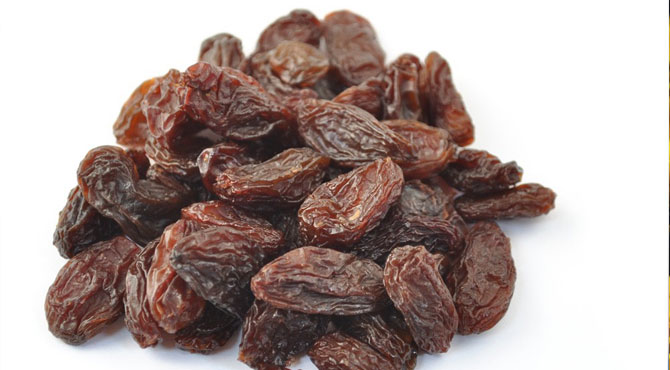
In accordance with the Cooperative Agricultural Pest Survey, seedless darkish brown raisins are definitely the most typical raisin within the U.S. marketplace and therefore are cultivated through the Thompson green grapes. The raisin changes from green to darkish brown throughout the all-natural drying out procedure, which is created through sun drying without having chemical substances. Thompson raisins are helpful for baking, cooking as well as a snack.
2. Sultana Raisins
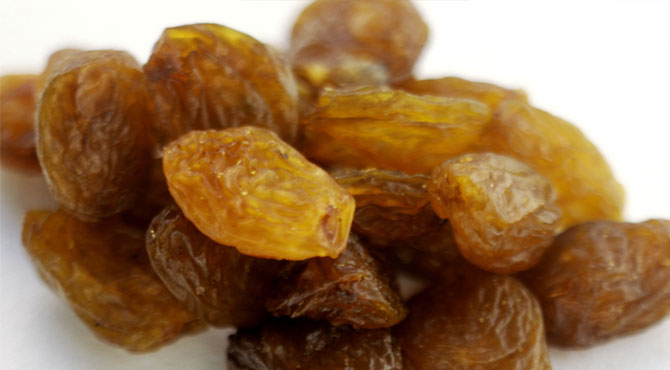
Sultana raisins can also be dried out from green Thompson grapes, but they are made by way of various drying out techniques. Just before drying out, the grapes are soaked in treatment of potassium carbonate, water as well as essential olive oil, which usually boosts the drying out pace. Since the Thompson raisin usually spends more hours in the sunshine, sultana raisins are usually lighter colored. The raisins may also be cured with bleach to lighten up the color too. You are able to consume sultanas uncooked or even make use of them for baking or even cooking.
3. Golden Raisins
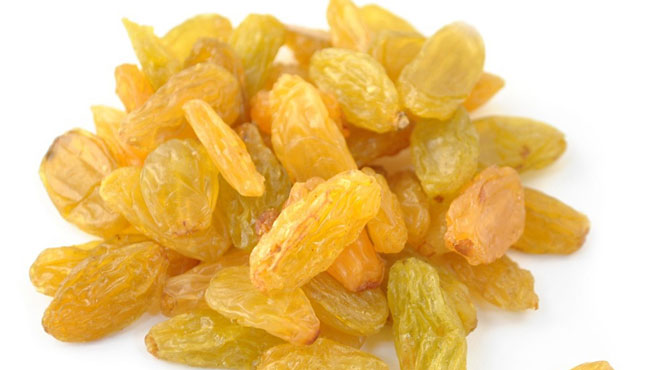
Golden raisins may also be manufactured from the green Thompson grapes, however have already been helped by sulfur dioxide to avoid the grape from altering color throughout the drying out procedure. These types of grapes are dried out along with synthetic heat as well as for a brief period of time, which usually results in fat as well as the fairly sweet outcome. Natural golden raisins are exceptional, however, when discovered are darker in color. Even though utilized for baking and also cooking, you are able to consume golden raisins raw too.
4. Currants
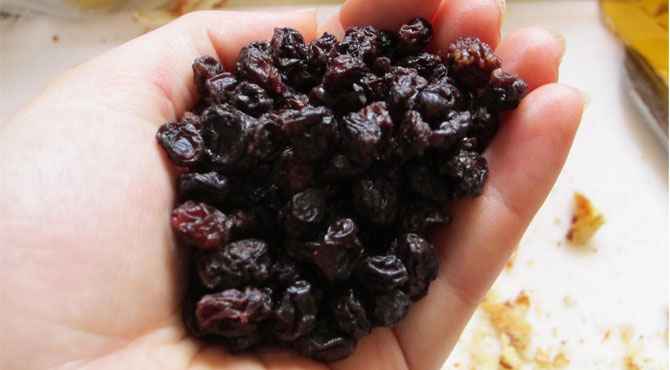
Currants, to never be mistaken with bush-grown berries, are made of the Black Corinth grape and therefore are one-fifth the dimensions of a typical raisin. Currants are extremely darkish colored, and also have a powerful sour taste. Their particular seeds are usually eliminated ahead of the drying out procedure, as opposed to some other raisins. Currants are usually mainly utilized in cooking because of their size.
5. Muscats
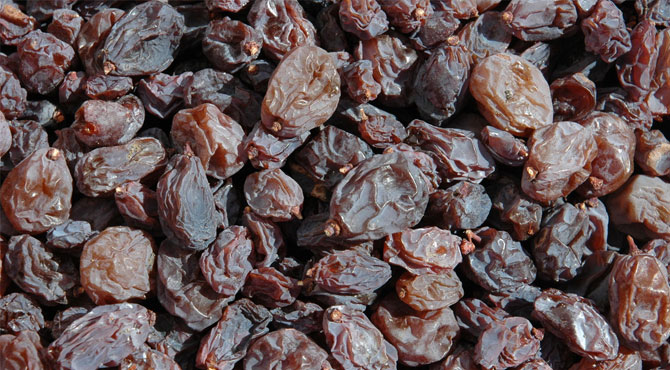
Muscat raisins are usually bigger than the normal raisin and in addition darker colored. Created from the Alexandria grape, Muscats are extremely sweet in taste. Usually, the seeds have already been eliminated before the drying out procedure, however, in the U.S. the procedure is less frequent. Muscats are mainly utilized in baking and are available throughout the fall and winter months.
6. Flame Seedless Raisins
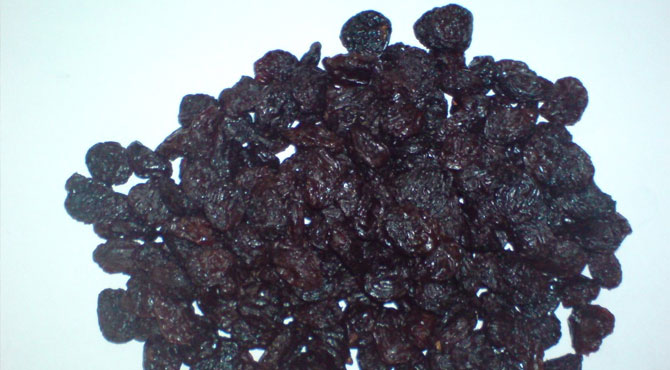
Flame raisins are generally somewhat bigger than normal raisins and therefore are deep beautiful red colors. These types of raisins are usually mainly utilized in baking, and also have a powerful, fairly sweet taste. Due to their taste, you may enjoy them like a treat.
How to store Raisins
Raisins create a sweet snack or could be added to cereals, loaves of bread, and salads. It could be utilized in cooking as its sour sweetness matches tasty sauces and glazes. Raisins are dried-out grapes though a few dampness remains within the fruit. In a dry environment, it dries up as well as their sugar might crystalize. Its appropriate storage could continue to keep their taste and could be consumed for many months or even longer.
- Place the raisins in an air-tight storage bag or even pot. Press out as much air as you can.
- Seal the bag and put a cover on the pot. An air-tight bag or container prevents the raisins from crystallizing or switching stagnant.
- Keep raisins in the kitchen if you are planning to utilize them by their package’s use-by date. Put it within the fridge for about 1 year or even freezer for approximately two years.
References


