
Prunus domestica/A prune is a dried plum, most commonly from the European plum (Prunus domestica). Not all plum species or varieties can be dried into prunes. A prune is the firm-fleshed fruit (plum) of Prunus domestica varieties that have a high soluble solids content and does not ferment during drying. Use of the term “prune” for fresh plums is obsolete except when applied to varieties of plums grown for drying.[rx]
Most prunes are freestone cultivars (the pit is easy to remove), whereas most plums grown for fresh consumption are clingstone (the pit is more difficult to remove). Prunes are 64% carbohydrates including dietary fiber, 2% protein, a rich source of vitamin K, and a moderate source of B vitamins and dietary minerals. The sorbitol content of dietary fiber likely provides the laxative effect associated with consuming prunes. Contrary to the name, boiled plums or prunes are not used to make sugar plums.
| Prune Quick Facts | |
|---|---|
| Name: | Prune |
| Scientific Name: | Prunus domestica |
| Origin | It is cultivated in temperate areas for its fruit worldwide. |
| Colors | Green, yellow, red, purple, black |
| Shapes | Round to oval drupe, 8 cm (3 in) long |
| Flesh colors | Translucent |
| Calories | 418 Kcal./cup |
| Major nutrients | Vitamin K (86.25%) Carbohydrate (85.50%) Copper (54.33%) Total dietary Fiber (32.63%) Vitamin B6 27.46%) |
| Health benefits | Prevent Hepatitis C, Eliminate free radicals, Bone health, Treatment for obesity, Cardiovascular problems |
Prunus domestica is also called Common Plum, Gage, European Plum, Garden Plum, Prune, Plum, and Prune Plum. Prune belongs to the species Prunus domestica L. and the family Rosaceae. More than a hundred species of plum are sophisticated throughout the world in temperate regions since prehistoric times. The dried plums are known as prunes. China is regarded as the leading producer of plums in the world. The plum trees are small to medium-sized. It bears leaves of ovate or elliptical shape with acute and obtuse tips, crenulate margins, and short petioles. The small flowers are white with longer pedicles and born in umbel-like 2 to 3 clusters on short spurs and solitary. Flowers turn into fleshy fruits in the oval to round to conical shape with glaceous surface. Fruits vary in size and color. The plant requires well-drained moisture-retentive soil. It thrives well in loamy soil and also does well on limestone and heavy clay soils.
Plums have a high content of potassium, Vitamin K, and C and are a great source of dietary fiber and are often consumed dried, fresh, or is prepared into jams, preserves, juices, and jellies. It is also used in puddings and baked goods and used as a condiment alongside meat dishes. It is used to make alcoholic beverages in Central and Eastern Europe including the plum brandy called slivovitz. Plums have chlorogenic, neochlorogenic acid, and phenols which are phytonutrients. Both dry and fresh plums act as a natural laxative due to the presence of isatin and sorbitol which provide relief from constipation. It adds bulk and enhances the free movement of fecal matter through the colon so that it prevents the chances of developing colon cancer. Soluble fiber helps to lower the level of cholesterol by eliminating the excess buildup of cholesterol and preventing its proliferation.
History
Prune was originated in areas of Asia Minor and the Caucasus. The cultivars were reported to occur about 500 BC in Central Europe and were already known to Teutonic and Celtic tribes. The fruit was distributed by Romans in Central Europe. High-quality cultivars were originated after Middle Ages from Southeast Europe and were distributed by the seventeenth century throughout Europe. It is cultivated globally in temperate to warm temperate regions in Central, South, and Southeast Europe, West Asia, North Africa, Australia, North America, South Africa, New Zealand, and South America. Prunus domestica is a hexaploid species but its origin is still not known. It is believed to be originated from Prunus spinosa and Prunus cerasifera.
Plant
Plumtree measures from 29 to 50 feet (9 to 15 m) in height with reddish to brown twigs having no or few spines. Twigs while young are pubescent, covered with downy and short hair. Leaves are oval to oblong in shape and measure 10 cm (4 inches) long with wavy or serrated margins. Flowers are white, five-petalled which occurs singly or in two or three clusters. The plant bloom flowers in early spring. Fruit measures upto 8 cm (3 inches) long and is round to oval in shape. It has a hard and stony flattened pit with a smooth or slightly pitted shell. The color of the fruit considerably varies across varieties which range from green to yellow to red to purple to black and is often with white waxy bloom on the surface.
Fruit
Fruits are sweet, juicy, and possess a tart taste. It is round having a diameter of 8 cm. The color of the fruit varies according to its variety which could be red, blue, yellow, or purple. The mature fruits have a dusty to white coating that provides a glaucous appearance. This natural wax could be easily rubbed off.
Nutritional value of Plums, dried (prunes), uncooked
Calories 418 Kcal. Calories from Fat 5.94 Kcal.
| Proximity | Amount | % DV |
|---|---|---|
| Water | 53.8 g | N/D |
| Energy | 418 Kcal | N/D |
| Energy | 1750 kJ | N/D |
| Protein | 3.79 g | 7.58% |
| Total Fat (lipid) | 0.66 g | 1.89% |
| Ash | 4.59 g | N/D |
| Carbohydrate | 111.15 g | 85.50% |
| Total dietary Fiber | 12.4 g | 32.63% |
| Total Sugars | 66.35 g | N/D |
| Sucrose | 0.26 g | N/D |
| Glucose (dextrose) | 44.3 g | N/D |
| Fructose | 21.66 g | N/D |
| Maltose | 0.1 g | N/D |
| Starch | 8.89 g | N/D |
| Minerals | Amount | % DV |
|---|---|---|
| Calcium, Ca | 75 mg | 7.50% |
| Iron, Fe | 1.62 mg | 20.25% |
| Magnesium, Mg | 71 mg | 16.90% |
| Phosphorus, P | 120 mg | 17.14% |
| Potassium, K | 1274 mg | 27.11% |
| Sodium, Na | 3 mg | 0.20% |
| Zinc, Zn | 0.77 mg | 7.00% |
| Copper, Cu | 0.489 mg | 54.33% |
| Manganese, Mn | 0.52 mg | 22.61% |
| Selenium, Se | 0.5 µg | 0.91% |
| Fluoride | 7 µg | 0.18% |
| Vitamins | Amount | % DV |
|---|---|---|
| Water-soluble Vitamins | ||
| Vitamin B1 (Thiamin) | 0.089 mg | 7.42% |
| Vitamin B2 (Riboflavin) | 0.324 mg | 24.92% |
| Vitamin B3 (Niacin) | 3.275 mg | 20.47% |
| Vitamin B5 (Pantothenic acid) | 0.734 mg | 14.68% |
| Vitamin B6 (Pyridoxine) | 0.357 mg | 27.46% |
| Vitamin B9 (Folate) | 7 µg | 1.75% |
| Folate, food | 7 µg | N/D |
| Folate, DEF | 7 µg | N/D |
| Choline | 17.6 mg | 3.20% |
| Vitamin C (Ascorbic acid) | 1 mg | 1.11% |
| Fat-soluble Vitamins | ||
| Vitamin A, RAE | 68 µg | 9.71% |
| Vitamin A, IU | 1359 IU | N/D |
| Beta Carotene | 686 µg | N/D |
| Alpha Carotene | 99 µg | N/D |
| Beta Cryptoxanthin | 162 µg | N/D |
| Betaine | 0.7 mg | N/D |
| Lutein + zeaxanthin | 258 µg | N/D |
| Vitamin E (alpha-tocopherol) | 0.75 mg | 5.00% |
| Tocopherol, gamma | 0.03 mg | N/D |
| Vitamin K (phylloquinone) | 103.5 µg | 86.25% |
| Lipids | Amount | % DV |
|---|---|---|
| Fatty acids, total saturated | 0.153 g | N/D |
| Caprylic acid 8:00 (octanoic acid) | 0.012 g | N/D |
| capric acid 10:00 (decanoic acid) | 0.009 g | N/D |
| Lauric acid (dodecanoic acid) 12:00 | 0.002 g | N/D |
| Palmitic acid 16:00 (Hexadecanoic acid) | 0.052 g | N/D |
| Stearic acid 18:00 (Octadecanoic acid) | 0.077 g | N/D |
| Arachidic acid 20:00 (Eicosanoic acid) | 0.002 g | N/D |
| Behenic acid (docosanoic acid) 22:00 | 0.002 g | N/D |
| Fatty acids, total monounsaturated | 0.092 g | N/D |
| Palmitoleic acid 16:1 (hexadecenoic acid) | 0.068 g | N/D |
| Oleic acid 18:1 (octadecenoic acid) | 0.024 g | N/D |
| Fatty acids, total polyunsaturated | 0.108 g | N/D |
| Linoleic acid 18:2 (octadecadienoic acid) | 0.077 g | N/D |
| Linolenic acid 18:3 (Octadecatrienoic acid) | 0.03 g | N/D |
| Amino acids | Amount | % DV |
|---|---|---|
| Tryptophan | 0.044 g | 10.00% |
| Threonine | 0.085 g | 4.83% |
| Isoleucine | 0.071 g | 4.25% |
| Leucine | 0.115 g | 3.11% |
| Lysine | 0.087 g | 2.60% |
| Methionine | 0.028 g | N/D |
| Cystine | 0.019 g | N/D |
| Phenylalanine | 0.09 g | N/D |
| Tyrosine | 0.037 g | N/D |
| Valine | 0.097 g | 4.59% |
| Arginine | 0.064 g | N/D |
| Histidine | 0.047 g | 3.81% |
| Alanine | 0.115 g | N/D |
| Aspartic acid | 1.394 g | N/D |
| Glutamic acid | 0.198 g | N/D |
| Glycine | 0.082 g | N/D |
| Proline | 0.226 g | N/D |
| Serine | 0.103 g | N/D |
| Anthocyanidins | Amount | % DV |
|---|---|---|
| Cyanidin | 1.24 mg | N/D |
| Delphinidin | 0.1 mg | N/D |
| Flavonols | Amount | % DV |
|---|---|---|
| Quercetin | 3.1 mg | N/D |
| Isoflavones | Amount | % DV |
|---|---|---|
| Genistein | 0.01 mg | N/D |
| Total isoflavones | 0.01 mg | N/D |
*Above mentioned Percent Daily Values (%DVs) are based on 2,000 calorie diet intake. Daily values (DVs) may be different depending upon your daily calorie needs. Mentioned values are recommended by the U.S. Department of Agriculture. They are not rxharun.com recommendations. Calculations are based on average age of 19 to 50 years and weigh 194 lbs. Source: https://ndb.nal.usda.gov/
Health Benefits of Prunes
Prunes are loaded with major nutrients such as carbohydrates, Vitamin A, several amino acids, Vitamin B complex, potassium, Vitamin K, magnesium, calcium, manganese, copper, zinc, dietary fiber, and boron. Prunes fiber includes soluble fraction which includes hemicellulose, pectin, lignins, and cellulose. The drying process promotes the total dietary fibers. Fructose, glucose, sorbitol, and sucrose are primary simple sugars.
Prunes have ample amounts of flavonoid polyphenolic antioxidants such as cryptoxanthin, lutein which help to scavenge free radicals which enter due to environmental toxins and poor eating habits. It leads to premature aging and cancer. It contains potassium which helps to formulate red blood cells, blood pressure, and heart, and Vitamin B6, niacin, Vitamin K, amino acid, and pantothenic acid could also be found in it. Zeaxanthin and Vitamin A found in plums are good for eye health due to the presence of carotenoid that absorbs into the retina and filters ultraviolet light. Vitamin C helps to protect cholesterol from damage made by free radicals and is helpful for patients with atherosclerosis and diabetes.
- Prevent Hepatitis C
HCV is a Hepatitis C virus infection that results in chronic liver diseases. Standard therapies have severe side effects, high expense, and resistance development. The present study was conducted to evaluate fruits that are known for their hepatoprotective activities in order to know the inhibitors. Then it was reported that Prunus domestica acted as a new HCV entry inhibitor. The confirmation and characterization were performed by NMR, LC-ESI-MS, and IR spectral analyses. Rutin inhibits HCV-LP significantly by binding to hepatoma cells and inhibits cell culture-derived HCV entry into hepatoma cells. Moreover, rutin was non-toxic to hepatoma cells. It inhibits the early stage of the HCV lifecycle by directly acting on the viral particle. (1)
- Eliminate free radicals
The intake of fruits such as prunes and plums is helpful for the treatment of digestive disorders, measles, blood circulation disorder, diabetes, prevention of cancer, and obesity. The study was conducted to know the antioxidant and antiradical capacity of plums in both dried and fresh forms. The findings show that fresh ones are favorable in collecting oxygen-free radicals such as peroxy radicals (ROO) and superoxide (O2-) in comparison to dried. (2)
- Bone health
Osteoporosis is a chronic age-related disease that characterizes the loss of bone in quality and mass and is also related to an increase in chances of fragility fractures. Postmenopausal women have high chances of development of osteoporosis because of cessation in production of ovarian hormone which accelerates the loss of bone. The lifestyle factors such as exercise and nutrition also lower the chances of osteoporosis development and play a vital role in bone health. The dried plum intervention the prevention and reversing structural loss and bone mass in rats as well as osteopenic postmenopausal women. The evidence was provided to show the efficacy of dried plums to prevent and reverse bone loss related to ovarian hormone deficiency in humans and rodent models. The postmenopausal women who consumed 100 g of dried plum per day retain bone mineral density to a high extent in comparison to those who receive a comparative control. Moreover, possible mechanisms are highlighted by which bioactive compounds found in dried plums provide bone-protective effects. The study findings and others suggest that dried plum is an effective functional food therapy to prevent bone loss in postmenopausal women with long-lasting bone protective effects. (3)
- Treatment for obesity
The evidence shows that nutritional interventions assist in treatment for obesity and most investigations utilized non-digestible carbohydrates only. Plum and peach have a high content of polyphenols, compounds having demonstrated anti-obesity effects. An underlying process treats obesity successfully with the use of polyphenols which involves an alteration of intestinal microbiota. (4)
- Cardiovascular problems
Plums, as well as prunes, have a high content of phytonutrients known as phenols. It has a high content of two unique phytonutrients such as chlorogenic acid and neochlorogenic acid. The study shows that phytonutrients assist in the prevention of damage to cells in the oxidation of lipid molecules in the body. Cell membranes and brain cells are made up of lipids that contain fat which are essential phytonutrients that are a must in the diet. These compounds assist in the inhibition of oxidation of LDL cholesterol in the body which makes it an essential factor to prevent chronic diseases.
- Lowers cholesterol
Soluble fiber assists to lower cholesterol by soaking excess bile in the intestine and excreting it. Bile is formed from cholesterol found in the liver to digest fat. The body when excretes bile with fiber from plums and prunes, the liver should use cholesterol in the body for making bile by lowering circulation in the body. Soluble fiber assists in the inhibition of cholesterol amounts produced by the liver. The study shows that prunes effectively provide relief from constipation.
- Prevent constipation
Prunes have oxyphenisatin which acts as a laxative. The high content of chlorogenic acids and sorbitol provides the laxative effect of prunes. The study shows that an intake of yogurt that contains galactooligosaccharides, prune, and linseed lowered constipation severity. The regular intake of prune juice provides a mild laxative effect and significantly lower serum activities of serum alkaline phosphatase and alanine transaminase. Prune juice is effective for hepatic diseases. Prunes assist the body to digest food properly, have regular movement of the bowel, and provide relief from constipation. One prune provides 3% of recommended regular intake of fiber. Sorbitol found in prunes acts as a laxative as it pulls moisture into the digestive tract and also facilitates bowel movements.
- Supports vision
Prunes have a high content of Vitamin A. One serving of 25 grams of prunes provides 15% of the RDA of this vital nutrient. Prunes provide Vitamin A in form of five carotenoids such as beta carotene, alpha carotene, beta-cryptoxanthin, zeaxanthin, and lutein. Alpha-carotene, beta-cryptoxanthin, and beta carotene are converted in form of Vitamin A which is used by cells in the eyes that convert light into nerve impulses. Zeaxanthin and lutein are found in the retina where they protect cells from toxic blue light wavelengths and also lower the chances of developing cataracts and macular degeneration.
- Acts as antioxidants
Prunes have a high content of phytonutrients called phenols. It possesses two phenols chlorogenic and neochlorogenic acid which have shown high effectiveness against free radicals especially superoxide anion radical. It damages fats in cell membranes, cholesterol molecules, and brain cells so it neutralizes this free-radical which supports the protection of health. Moreover, prunes have a high content of anthocyanins due to their rich purple hue. Anthocyanins and potent antioxidants contribute to liver function, heart health, arthritis relief, and reduction in cholesterol with their anti-inflammatory activities.
- Lower cholesterol
Prunes assist one to manage weight by keeping full for the longer time period. It has a high content of fiber which takes time to digest so that appetite stays satisfied for a long period of time. Prunes have a low glycemic index which raise the level of glucose (sugar) in the blood slowly. It is due to the high content of sorbitol which is sugar alcohol having a slow absorption rate. It avoids spikes in levels of blood sugar that are caused by foods having a high glycemic index that keeps appetite at bay. The study shows that the consumption of dried plums as a snack helps in suppressing hunger for longer in comparison to low-fat cookie. Those who are on a weight loss program should add prunes to the diet.
Types of Prunes
French
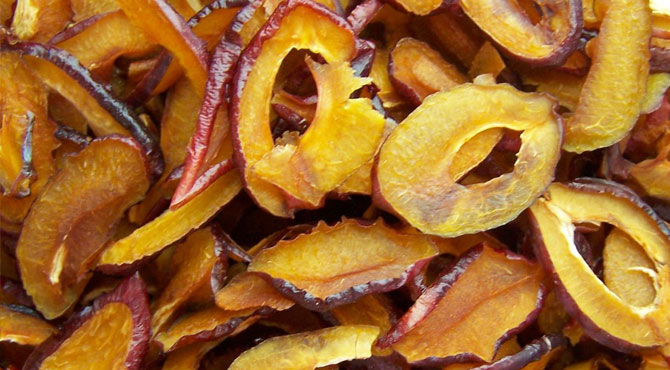
This is the high-quality variety nowadays for consumer packs. The fresh fruit is medium-sized, egg-shaped. Skin is deep red to purplish; the flesh is good flavored, even, non-porous as well as golden yellow. The drying out percentage usually averages about 3:1, fresh to dry. The pit is little, even, flat, and also long-oval. Collect maturation are usually mid-season.
Moyer
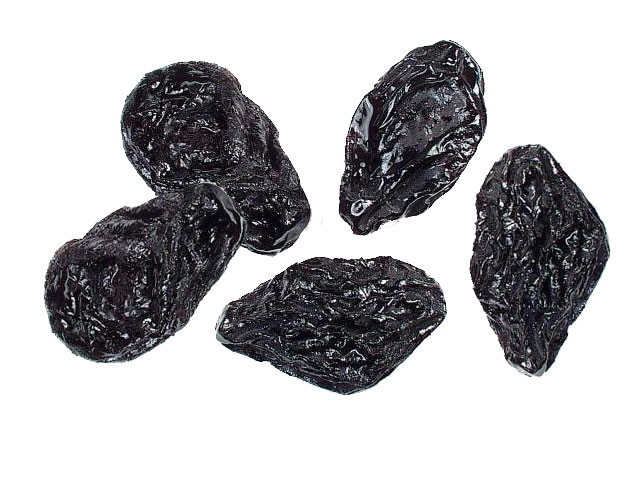 Fruit is quite big when trees are usually clipped and is also oblong along with almost equal halves, and it has darkish reddish skin. Trees are usually vertical growers and therefore are incredibly energetic while youthful. These are efficient at showing large crops. Trees bloom about a couple of days after doing French trees and therefore are gathered about 10 days later on. The drying proportion approaches 4:1. The majority of lucrative when utilized in specialized packs as well as fresh market deliveries
Tulare Giant
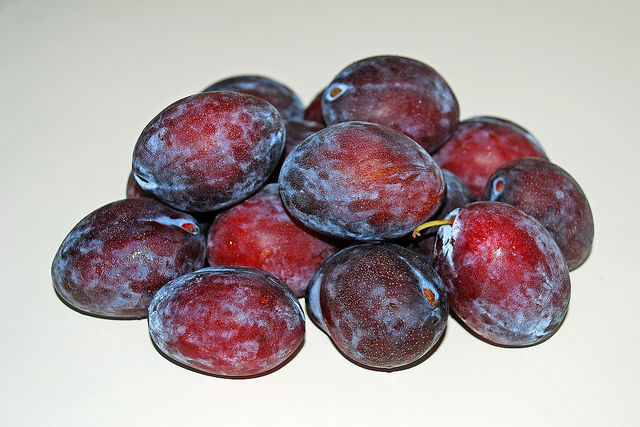 Most suitable for the fresh new marketplace. It really is big in dimensions, usually two times the dimensions of French. It has an earlier date of maturation, ripening within mid-July within an average year. The fruit is darkish purple to just about blue colored. The usage of this particular cultivar for drying out is limited-large pit size, drying time which is higher than 20 hours and also tends to bleed as well as piece.
Traditional uses
- Dried prunes are used as a decoction and are mildly laxative.
- Prepare a tincture from fresh flower buds.
- The oil extracted from the kernel of plum is used for alimentary purposes.
- For centuries, it has been used to treat digestive complaints.
- Prunes are used for vomiting, nausea, acid dyspepsia, lower thirst, headache, and bilious fevers.
- It also soothes the stomach.
- Prunes are also used as a treatment for leucorrhea, dysmenorrhea, fever, asthma, and miscarriage.
Precautions
- Its excess use causes respiratory failure or even death.
- It should not be used by diabetic patients, allergic people, and nursing mothers.
- Too much intake of prunes causes gastrointestinal distress because of high sorbitol and fiber.
How to Eat
- Dried prunes should be soaked in hot water before cooking.
- Serve the stewed prunes with rosemary-scented braised lamb.
- Serve prunes on the top of waffles and pancakes.
- Mix diced dried prunes with dried nuts and fruits to make a homemade trail mix.
- It is made into preserves, jams, muffins, pieces of bread, and pastry.
- The juice of plum could be fermented into wines.
- Flowers of plum are also consumed and used as a garnish for ice cream, salads.
- It is brewed into tea, jam, and also dried.
- The intake of prunes is helpful for measles, blood circulation problems, cancer prevention, digestive problems, obesity, and diabetes.
- Prunes are used to prepare savory and sweet dishes.
- Stewed prunes are used as desserts.
- It is used as an ingredient in North Africa, consumed with rice pudding in Nordic prune kisel, and also in traditional Norwegian dessert fruit soup.
- The fruit is also used in cakes and stuffing.
- It is also added to yogurts, pastries, ice cream and also used to make juice.
- In Europe, kompot is a traditional drink made from prunes.
Other Facts
- Dyes of dark grey, green and yellow color could be obtained from fruit, leaves, and bark respectively.
- The grounded seeds are used for producing face masks for dry skin.
- The woods are used to make musical instruments.
- Prunes are a great source of fiber which lowers the chances of certain cancer.
References
- https://www.ncbi.nlm.nih.gov/pmc/articles/PMC3649719/
- https://www.ncbi.nlm.nih.gov/pmc/articles/PMC6315720/
- https://www.ncbi.nlm.nih.gov/pmc/articles/PMC3419346/
- https://www.ncbi.nlm.nih.gov/books/NBK11795/
- https://www.ncbi.nlm.nih.gov/pmc/articles/PMC5291486/
- https://fruits.edpsciences.org/articles/fruits/abs/2012/05/fruits120033/fruits120033.html
- http://www.fao.org/3/cb2395en/CB2395EN.pdf
- https://www.fao.org/in-action/inpho/crop-compendium/fruits-vegetables/en/
- https://www.fao.org/3/cb2395en/online/src/html/fruit-and-vegetables.html
- http://www.fao.org/3/cb2395en/CB2395EN.pdf
- https://en.wikipedia.org/wiki/Fruit
- https://en.wikipedia.org/wiki/List_of_food_plants_native_to_the_Americas
- https://en.wikipedia.org/wiki/List_of_culinary_fruits
- https://www.hsph.harvard.edu/nutritionsource/what-should-you-eat/vegetables-and-fruits/
- https://www.betterhealth.vic.gov.au/health/healthyliving/fruit-and-vegetables
- https://www.cdc.gov/healthyweight/healthy_eating/fruits_vegetables.html
- https://www.botanical-online.com/en/botany/fruits-types-characteristics
- https://www.fda.gov/food/laboratory-methods-food/mpm-v-9-fruits-and-fruit-products-v-51-v-78
- https://www.fda.gov/food/food-labeling-nutrition/nutrition-information-raw-fruits-vegetables-and-fish
- https://onlinelibrary.wiley.com/doi/abs/10.1111/mcn.12208
- http://news.discovery.com/earth/
- https://www.cabi.org/isc/datasheet/
- https://www.science.org/
- https://plants.ces.ncsu.edu/plants/
- https://www.sciencedirect.com/topics/agricultural-and-biological-sciences/fruit-vegetable
- https://www.researchgate.net/publication/
- https://www.ams.usda.gov/grades-standards/fruits
- https://www.aphis.usda.gov/aphis/resources/traveler/intl-travel/fruits-vegetables/fruits-vegetables
- https://snaped.fns.usda.gov/seasonal-produce-guide
- https://www.nass.usda.gov/Publications/Highlights/2015/FruitsNutsBerries_AgCensusHighlights.pdf
- https://plants.usda.gov/home/plantProfile?
- https://www.fs.fed.us/wildflowers/ethnobotany/food/nuts.shtml
- https://downloads.usda.library.cornell.edu/usda-esmis/files/zs25x846c/sf269213r/6t054c23t/ncit0521.pdf
- https://agr.wa.gov/departments/business-and-marketing-support/farm-to-school-toolkit/
- https://health.gov/sites/default/files/2020-01/DGA2000.pdf
- https://www.farmers.gov/archived/cfap2/specialty
- https://www.hsph.harvard.edu/nutritionsource/
- https://www.foodsafety.gov/food-safety-charts/food-safety-during-power-outage
- https://clinicaltrials.gov/ct2/show/
- https://botany.org/home/careers-jobs/careers-in-botany/what-is-botany.html
- https://www.healthbenefitstimes.com/category/fruits
- http://www.hear.org/pier/species/
- https://www.itis.gov/servlet/SingleRpt/SingleRpt?
- http://www.theplantlist.org/tpl1.1/record/
- https://www.fs.fed.us/database/feis/plants/tree/
- https://www.itis.gov/servlet/SingleRpt/SingleRpt?
- https://eol.org/pages/
- https://www.itis.gov/servlet/SingleRpt/SingleRpt?search_topic=TSN&search_value=24774#null
- http://www.pfaf.org/user/Plant.aspx?LatinName=prunus+domestica
- http://www.missouribotanicalgarden.org/PlantFinder/PlantFinderDetails.aspx?kempercode=n300
- http://www.floracatalana.net/prunus-domestica-l
- http://www.botanical.com/botanical/mgmh/p/prunes72.html
- https://en.wikipedia.org/wiki/Prune
- https://www.tarladalal.com/glossary-prunes-1602i
- http://foodfacts.mercola.com/plums-and-prunes.html
- https://static8.enetural.com/static/ameixas_27210.pdf
- http://www.chatelaine.com/health/diet/health-benefits-of-prunes-and-five-reasons-to-eat-more-of-them/
- https://www.healthline.com/health/food-nutrition/top-benefits-of-prunes-prune-juice#appetite10
- https://www.indigo-herbs.co.uk/natural-health-guide/benefits/prunes

