
Mango is an edible stone fruit produced by the tropical tree Mangifera indica which is believed to have originated from the region between northwestern Myanmar, Bangladesh, and northeastern India. M. indica has been cultivated in South and Southeast Asia since ancient times resulting in two distinct types of modern mango cultivars: the “Indian type” and the “Southeast Asian type”. Other species in the genus Mangifera also produce edible fruits that are also called “mangoes”, the majority of which are found in the Malesian ecoregion.[rx]
Worldwide, there are several hundred cultivars of mango. Depending on the cultivar, mango fruit varies in size, shape, sweetness, skin color, and flesh color which may be pale yellow, gold, green, or orange.[rx] The mango is the national fruit of India, Pakistan, and the Philippines,[rx][rx] while the mango tree is the national tree of Bangladesh.[rx]
| Mango Quick Facts | |
|---|---|
| Name: | Mango |
| Scientific Name: | Mangifera indica L. |
| Origin | Native to India and Myanmar. Originally it was found in the foothills of the Himalayas in Burma, Northeastern India, and Bangladesh. It was domesticated thousands of years ago. |
| Colors | Green, yellow, red, purple with a dotted skin |
| Shapes | 2.5 cm to 30 cm long, round to oval, kidney-shaped or egg-shaped |
| Flesh colors | Yellow, white |
| Taste | Sweet, tart |
| Calories | 99 Kcal./cup |
| Major nutrients | Vitamin C (66.78%) Copper (20.33%) Carbohydrate (19.02%) Vitamin B9 (17.75%) Vitamin B6 (15.08%) |
| Health benefits | Overall health, Lowers cholesterol, Breast cancer, Treat diabetes, Cardiac health |
Mango scientifically known as Mangifera indica L. is a flowering plant species in poison ivy and sumac family Anacardiaceae. Native to the Indian subcontinent, it is inherent and cultivated varieties are introduced to other warm regions of the world. Mangoes are the evergreen tree that measures 10 to 30 m tall and trunk circumference of above 12 feet with a dense crown, symmetrical and rounded canopy which ranges from low and dense to the upright and open trunk and dense taproot. It has glabrous and brown branchlets. Leaves are alternate which are borne in petioles of 2 to 6 cm long and are shallowly grooved apically as well as inflated basally. It has a simple and variable lamina in lanceolate to ovate or oblong to oblong-lanceolate measuring 12 to 45 cm long by 3 to 12 cm wide. It has acute to long acuminate apex, cuneate to the obtuse base with 18 to 30 pairs of lateral veins, and midrib distinct on both sides. Leaves are light green when young which turns into deep green when mature. It bears narrowly to broadly conical inflorescences, pseudoterminal, 20 to 45 cm long, glabrous to tomentose pilose having lanceolate, pubescent bracts which bear hundreds of fragrant and subsessile to shortly pedicellate male and hermaphrodite flowers. The small hermaphrodite flowers are 5 to 10 mm having four to five ovate-lanceolate, four to five oblong, lanceolate and yellowish petals. Fruit is a fleshy yellow to orange drupe which is smooth to fibrous mesocarp which is surrounded by a leathery laterally compressed by endocarp which contains a single seed. Fruit is globose to ovate, obovate to oblong to elongate in shape. It has green to pale green and yellow skin. When ripe it has blushes of orange, pink, purple, and red which depends on the variety.
Mango is regarded to be one of the best tropical fruits. This species was domesticated in India around 2000 BC. From India, the species was brought around 400 to 500 BCE to East Asia, in the 15th century to the Philippines, and in the 16th century to Africa and Brazil by Portuguese. In 1753, the species was described by Linnaeus for science. It is the national fruit of Pakistan, India, and the Philippines. The tree is regarded as the national tree of Bangladesh. India and Pakistan is considered to be the main suppliers of Western Asia & Thailand and the Philippines are the main suppliers of Western Asia. Pharmacological activities such as antitumor, antioxidant, antiallergic, immunomodulatory, antidiabetic, anti-inflammatory, antiviral, antiulcer, antibacterial, antifungal, and antiparasitic properties are found in Mangifera indica L. It contains indicol, pentacyclic terpene, sugars, β-sitosterol, and glycosidic substances. Leaves possess volatile oil which contains ethyl, methyl, isobutyl and amyl alcohols, and ethyl acetate.
Tree
The mango tree is evergreen grows from 10 to 40 m high with an asymmetrical and rounded canopy that ranges from low and dense to upright and open. It has dark grey to brown to black bark which is smooth and superficially cracked. Exudate of live bark is transparent, drying brown, dark yellowish-brown which consists of resin combined with gum. Bark consists of 15% gum and 78% resin with tannic acid. The twigs are smooth, glabrous, apically angular, dark green, and glossy.
Root
Tree has long and unbranched taproot which measures up to 6-8 m and dense mass of superficial feeder root that develop at trunk base or slightly deeper. It produces anchor roots and feeder roots sometimes develop above the water table. Fibrous root system broader away from the drip line.
Leaves
Leaves are simple, alternately arranged, exstipulate and measure 15 to 45 cm long. It has 1 to 12 cm long petioles which are swollen at the base. It is grooved on the upper side. Leaves are arranged closely at tips that appear to be whorled. Leaves are oval to lanceolate, oblong, lanceolate, ovate, linear to oblong, roundish to oblong, and obovate to lanceolate. An apex is acuminate to nearly round. The entire margin is slightly wavy, undulated, folded, or rarely twisted. The upper surface is dark green and shiny and the lower surface is glabrous light green. The leaves are flaccid, pendulous while young, and appear in flushes. Young leaves are tan-red, yellow to brown, and pink in color. The color later on chances from tan-red to green and pass through various shades becomes dark green when mature.
Inflorescence
The tree bears an inflorescence which is narrow to broadly conical panicle measuring 45 cm long that depends on cultivar and environmental conditions. It is bracteates or ebracteate. Bract is elliptical, concave, and leafy. The panicle is yellowish to green or light green having crimson patches. An inflorescence is pubescent which might be glabrous sometimes. The panicle bears about 500 to 600 flowers of which 1 to 70% are bisexual and the remaining are male depending on cultivar and temperature during development.
Flowers
The male and hermaphrodite flowers are formed in the same panicle which is usually larger. Male and hermaphrodite flowers measure about 6 to 8 mm in diameter. It is rarely pedicellate, subsessile, and possesses a sweet smell. The short pedicles are articulate having panicle branches of the same diameter. The calyx is five-partite and lobes are concave and ovate to oblong. Corolla has five pale yellow petals and three to five ridges on the ventral side. It bears pink anther which turns to purple at the time of shedding. It has a sessile and one-celled ovary which is oblique and is slightly compressed. An ovule is pendulous and antrapous showing one-sided growth.
Fruit
Fruit is a fleshy drupe that is more or less compressed and varies in shape, size, color, flavor, and taste. The main characteristic feature of this fruit is the formation of a small conical projection that develops laterally at a proximal end of the fruit which is called beak. Above the beak, a wide sinus is present. A pistillate area of fruit is found near the base of the beak called nak. The fruit is rounded to ovate-oblong or longish and its length varies from 2.5 to 30 cm in contrasting varieties. The base is elevated or depressed or intermediate. The skin color shows different mixtures of yellow, green, and red shades. The skin might be rough or smooth.
Nutritional value of Mangoes, raw
Calories 99 Kcal. Calories from Fat 5.67 Kcal.
| Proximity | Amount | % DV |
|---|---|---|
| Water | 137.71 g | N/D |
| Energy | 99 Kcal | N/D |
| Energy | 412 kJ | N/D |
| Protein | 1.35 g | 2.70% |
| Total Fat (lipid) | 0.63 g | 1.80% |
| Ash | 0.59 g | N/D |
| Carbohydrate | 24.72 g | 19.02% |
| Total dietary Fiber | 2.6 g | 6.84% |
| Total Sugars | 22.54 g | N/D |
| Sucrose | 11.5 g | N/D |
| Glucose (dextrose) | 3.32 g | N/D |
| Fructose | 7.72 g | N/D |
| Minerals | Amount | % DV |
|---|---|---|
| Calcium, Ca | 18 mg | 1.80% |
| Iron, Fe | 0.26 mg | 3.25% |
| Magnesium, Mg | 16 mg | 3.81% |
| Phosphorus, P | 23 mg | 3.29% |
| Potassium, K | 277 mg | 5.89% |
| Sodium, Na | 2 mg | 0.13% |
| Zinc, Zn | 0.15 mg | 1.36% |
| Copper, Cu | 0.183 mg | 20.33% |
| Manganese, Mn | 0.104 mg | 4.52% |
| Selenium, Se | 1 µg | 1.82% |
| Vitamins | Amount | % DV |
|---|---|---|
| Water soluble Vitamins | ||
| Vitamin B1 (Thiamin) | 0.046 mg | 3.83% |
| Vitamin B2 (Riboflavin) | 0.063 mg | 4.85% |
| Vitamin B3 (Niacin) | 1.104 mg | 6.90% |
| Vitamin B5 (Pantothenic acid) | 0.325 mg | 6.50% |
| Vitamin B6 (Pyridoxine) | 0.196 mg | 15.08% |
| Vitamin B9 (Folate) | 71 µg | 17.75% |
| Folic Acid | 0 µg | N/D |
| Folate, food | 71 µg | N/D |
| Folate, DEF | 71 µg | N/D |
| Choline | 12.5 mg | 2.27% |
| Vitamin C (Ascorbic acid) | 60.1 mg | 66.78% |
| Fat-soluble Vitamins | ||
| Vitamin A, RAE | 89 µg | 12.71% |
| Vitamin A, IU | 1785 IU | N/D |
| Beta Carotene | 1056 µg | N/D |
| Alpha Carotene | 15 µg | N/D |
| Beta Cryptoxanthin | 16 µg | N/D |
| Lycopene | 5 µg | 0.10% |
| Lutein + zeaxanthin | 38 µg | N/D |
| Vitamin E (alpha-tocopherol) | 1.49 mg | 9.93% |
| Tocopherol, beta | 0.02 mg | N/D |
| Tocopherol, gamma | 0.02 mg | N/D |
| Vitamin K (phylloquinone) | 6.9 µg | 5.75% |
| Lipids | Amount | % DV |
|---|---|---|
| Fatty acids, total saturated | 0.152 g | N/D |
| Lauric acid (dodecanoic acid) 12:00 | 0.002 g | N/D |
| Myristic acid 14:00(Tetradecanoic acid) | 0.021 g | N/D |
| Palmitic acid 16:00 (Hexadecanoic acid) | 0.119 g | N/D |
| Stearic acid 18:00 (Octadecanoic acid) | 0.007 g | N/D |
| Fatty acids, total monounsaturated | 0.231 g | N/D |
| Palmitoleic acid 16:1 (hexadecenoic acid) | 0.111 g | N/D |
| Oleic acid 18:1 (octadecenoic acid) | 0.124 g | N/D |
| Fatty acids, total polyunsaturated | 0.117 g | N/D |
| Linoleic acid 18:2 (octadecadienoic acid) | 0.031 g | N/D |
| Linolenic acid 18:3 (Octadecatrienoic acid) | 0.084 g | N/D |
| Amino acids | Amount | % DV |
|---|---|---|
| Tryptophan | 0.021 g | 4.77% |
| Threonine | 0.051 g | 2.90% |
| Isoleucine | 0.048 g | 2.87% |
| Leucine | 0.083 g | 2.25% |
| Lysine | 0.109 g | 3.26% |
| Methionine | 0.013 g | N/D |
| Cystine | 0.045 g | N/D |
| Phenylalanine | 0.026 g | N/D |
| Tyrosine | 0.069 g | N/D |
| Valine | 0.051 g | 2.41% |
| Arginine | 0.031 g | N/D |
| Histidine | 0.135 g | 10.96% |
| Alanine | 0.112 g | N/D |
| Aspartic acid | 0.158 g | N/D |
| Glutamic acid | 0.056 g | N/D |
| Glycine | 0.048 g | N/D |
| Proline | 0.058 g | N/D |
| Anthocyanidins | Amount | % DV |
|---|---|---|
| Cyanidin | 0.17 mg | N/D |
| Flavan-3-ols | Amount | % DV |
|---|---|---|
| (+)-Catechin | 2.8 mg | N/D |
| Flavonols | Amount | % DV |
|---|---|---|
| Kaempferol | 0.1 mg | N/D |
| Myricetin | 0.1 mg | N/D |
| Isoflavones | Amount | % DV |
|---|---|---|
| Total isoflavones | 0.01 mg | N/D |
| Proanthocyanidin | Amount | % DV |
|---|---|---|
| Proanthocyanidin dimers | 3 mg | N/D |
| Proanthocyanidin trimers | 2.3 mg | N/D |
| Proanthocyanidin 4-6mers | 11.9 mg | N/D |
*Above mentioned Percent Daily Values (%DVs) are based on 2,000 calorie diet intake. Daily values (DVs) may be different depending upon your daily calorie needs. Mentioned values are recommended by the U.S. Department of Agriculture. They are not rxharun.com recommendations. Calculations are based on average age of 19 to 50 years and weigh 194 lbs. Source: https://ndb.nal.usda.gov/
Health Benefits of Mango
Mangoes have a low content of cholesterol, saturated fat, and sodium. It is a great source of Vitamin B6, dietary fiber, Vitamin C, and Vitamin A. The high content of minerals such as copper, magnesium and potassium, astragalin, beta carotene, and quercetin could be found in mangoes. Mangoes are a great source of dietary fiber, minerals, vitamins, and poly-phenolic flavonoid antioxidants. It also possesses an adequate amount of Vitamin A and potassium. Vitamin A assist in bone growth, vision, healthy mucous membranes, and skin. The serving size of 100 grams of mangoes provides 156 mg of potassium and 2 mg of sodium. Potassium is essential to normalize blood pressure and heart rate. It controls the level of homocysteine in the blood. Bark, leaves, stems, and roots contain mangiferin which prevents the harmful effects of radiation. Bark possesses anti-inflammatory, antioxidant, and immunomodulatory properties. Besides various minerals and vitamins, it contains flavonoids such as alpha-carotene, betacarotene, and beta-cryptoxanthin that provide antioxidant activities which assist in neutralizing free radicals from the body that causes premature aging, heart diseases, degenerative diseases, and cancer.
- Overall health
Mangoes are loaded with vitamins that promote overall health. It is rich in magnesium and potassium which help to cure high blood pressure. It possesses calcium, selenium, phosphorus, and iron. This fruit is rich in Vitamin B6, riboflavin, Vitamin C, Vitamin A, Vitamin K, Vitamin E, folate, niacin, and pantothenic acid. It assists to prevent a host of diseases that arises from a deficiency of minerals and vitamins. Vitamin E promotes sex life by enhancing the activity of sex hormones. The present study showed multifaceted activities of mango and its phytochemicals which help to counteract pro-inflammatory molecules and health problems such as cardiovascular diseases, cancer, aging, and neurodegenerative disorders. (1)
- Lowers cholesterol
The methanol extract of Mangifera indica L. showed cholesterol-lowering activity when provided 90 mg/kg for 6 weeks treatment and lowered in plasma triglycerides which were also examined on the treatment with the extract. 3β-taraxerol, mangiferin, and iriflophenone-3-C-β-glucoside were found in leaf methanol extract in 0.49% w/w, 4.6% w/w, and 2.37% w/w respectively. Methanol extract of Mangifera indica leaf is considered to be safe after oral examination of a single dose of 5000 mg/kg body weight to female albino Wistar rat. (2)
- Breast cancer
The extract of Mangifera indica was found to be cytotoxic to both estrogen negative and positive breast cancer cell lines in comparison to normal breast cells. Antioxidant bioactives provide synergistic effects that contribute to the cytotoxic effects of the extract. Mangifera indica extract possesses anticancer activities against breast cancer cells. The therapeutic potential is tremendous and could be used as an alternative for various therapy used currently to treat breast cancer. Yet it is required to identify actual components which are responsible for cytotoxicity and isolate them and study their effect in vivo to make sure of its effectiveness or any side effects. This extract could play a vital role in future studies for managing breast cancer. (3)
- Treat diabetes
Mango kernel flour is a great source of flavonoids as well as phenolic acids and its methanolic extract helps to inhibit some enzymes associated with pathology complications associated with type 2 diabetes. The study shows antidiabetic activities when fed to type 2 diabetic rats. The supplementation of Mango kernel flour showed a significant improvement in blood glucose, glycosylated hemoglobin, hepatic glycogen, lipid profile, hepatic and pancreatic malonaldehyde, plasma electrolytes, and liver function markers of diabetic rats in comparison to diabetic control rats. The conclusion shows that Mangifera indica kernel flour provides antidiabetic effects on type 2 diabetes rats and promising nutraceutical therapy to manage type 2 diabetes as well as its complications. (4)
- Cardiac health
The study was conducted to evaluate the cardio protective effect of alcoholic leaf extract of mangoes against cardiac stress which is caused by doxorubicin (DOX). It is concluded that DOX-induced cardiac stress could be prevented with the use of the alcoholic extract of mango leaves to a higher extent. No preset guidelines are there to prevent cardiotoxicity caused due to anticancer agents. It is helpful for patients with chemotherapy-associated complications of the heart. The studies could be further conducted or designed clinically. (5)
- Promote brain health
Mangoes are packed with ample amounts of Vitamin B6 that is essential to maintain and improve brain function. It supports the amalgamation of vital neurotransmitters which helps to determine mood and modify sleeping patterns. It naturally provides meaningful amounts of Vitamin when included in the diet. It results in a healthy brain with the effective functioning of nerves. It is better to avoid medicinal supplements that provide various side effects. Mangoes have glutamine acid content that promotes memory and concentration.
- Cure for acne
Mangoes are useful to maintain skin health. It helps to provide a healthy glow to the face and also lightens the skin color. This fruit helps to enhance beauty if consumed regularly. It helps to treat acne by opening the clogged pores on the skin. When the pores have opened the formation of acne will stop eventually. The most effective way to erase acne is to unclog the pores of the skin. Besides its consumption, apply the pulp on the skin for about 10 minutes and then wash it.
- Losing weight
The studies have shown the importance of mango fruit with its skin. The phytochemicals are found on peels of fruit which acts as natural fat busters. Mango peel also assists in weight loss. It contains fiber which contributes a huge role in weight loss. It is proved that the dietary fiber obtained from the intake of fruits and vegetables supports weight loss. It is associated with the ability of fiber to lower the intake of food.
- Vision health
The eyes are the vital organs of the body. Mangoes provide beta carotene and Vitamin A which help to enhance eye health. The deficiency of Vitamin A results in blindness. Vitamin A is essential for vision and eye health and is essential for the functioning of the retina optimally. Zeaxanthin and lutein are the two major carotenoids of the human eye. Mangoes are a great source of zeaxanthin which assists in promoting eye health. The fruit contains a carotenoid known as cryptoxanthin which helps to lower the chances of age-related macular degeneration.
- Promotes immune function
Mangoes are rich in Vitamin C which plays a vital role to strengthen immune function. Besides Vitamin C content, mangoes are a great source of zinc which plays a vital role to maintain the overall health of the immune system. Vitamin C helps to lower the severity of allergies and also counteract various infections. It protects the cells of the body from reactive oxygen species which are formed by the immune system to eliminate pathogens.
Types of Mango fruit
Very well, there are far more than one hundred kinds of mangoes accessible across the world. Generally, particular kinds are normally found that are full of taste in sub-continent among others can be found in Southeast Asia as well as the rest of the world. Pakistan also offers various and really delicious types of mangoes because the physical location of Pakistan and its particular weather offers the very best appropriate atmosphere the place where a mango tree can easily develop effortlessly. The most well-known kinds of mangoes generally present in Pakistan could be called.
1. Chaunsa:
 The title Chaunsa actually indicates “to suck.” This particular golden-colored jewel is really a genuinely heavenly fruit and is also well known because of its sweet taste, aroma as well as structure. The Chaunsa turns golden yellow on maturing prompting many to call it “The food of the Kings. “ It features a very large pulp and as its title implies, makes you wish to suck out each and every drop of its superb sweet taste. It is very succulent and that causes it to be popular along with juice lovers.
It really is regarded as probably the greatest variety of mangoes obtainable in Pakistan because of the flavor it’s got as well as the richness it owns. It is almost always made available from July to the start of September.
The Chaunsa season will last from the last week of June to the start of August.
2. Langara:
 This really is probably the most outstanding type of Mango from the Northern Indian sub-continent. It possesses great green skin and contains brown yellow color. It features an extremely fairly sweet pulp. Therefore it is ideal in making mango juices as well as mango smoothies. It brings the image of the individual whose objective in life is carefree joy and pleasure!!
Langra lovers usually live their life for Langra. For them, there are just a couple of states of life: Life-with-Langra as well as Life-without-Langra!! The lengthy Life-without-Langra is invested excitedly waiting for the Life-with-Langra. The Langra keeps its greenish touch throughout the maturing procedure. It provides out a fairly sweet maturing odor whenever ripe and is also packed with juice as well as pulp!!
The optimum time for this Mango is throughout the last two weeks of July.
3. Sindheri:
 Major variety from the Sind province of Pakistan, just the thought of the mango can hold someone to the heavenly tone of the mango tree, basking during the summertime sun awaiting the next ripe mango to fall into your lap.
It has a flavor much like a Chaunsa kind of mangoes however, not in fact have got the same flavor in general.
Its origins are from Mir Pur Khas within the Sindh province of Pakistan. Its high season is from mid-may to mid-June.
4. Dusehri:
 Probably the most scrumptious Dusehri Mango from Pakistan. Its flavor is extremely sweet and different It really is mainly grown in the area of Mir Pur Khas as well as Hyderabad, the province of Sindh. Pakistan may be the 3rd largest Exporter of Mango on the planet. Colour is yellow-colored whenever ripe, skin thin pulp fiber less, flesh firm, extremely sweet in flavor, stone really small, keeping as well as peeling qualities well.
Colour is yellow-colored whenever ripe, skin thin, pulp fibreless, flesh firm, extremely sweet in flavor, stone really small, mid-season (July), keeping as well as peeling qualities well.
5. Anwar Ratole
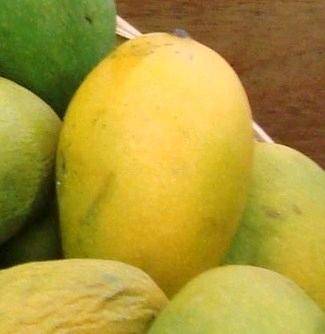 This particular mango is considered to have been grown by Anwar-ul-Haq within a garden in the Ratol area in the state of Uttar Pradesh in India. It is just a little mango as well as fairly sweet as sin. Its taste is definitely the major reason for its reputation in recent years. It really is thoroughly developed within the Punjab province of Pakistan.
Its high season comes from mid-July to August.
6. Alphonso
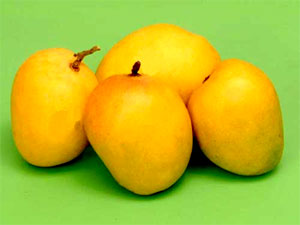 The Alphonso Mango is termed after Afonso de Albuquerque. This was a superb as well as a pricey variety of mango, which he utilized to bring on his trips to Goa. The locals took to calling it Aphoos in Konkani as well as in Maharashtra the pronunciation got further more changed to Hapoos. This particular variety then was delivered to the Konkan region of Maharashtra along with other areas of India.
The Alphonso is recognized as the “king of the fruits” and is also much preferred in both India as well as in another country. As a result of the shortage, costs have increased significantly.
Ratnagiri is really a tiny heavenly seaside town – 330 kilometers south of Mumbai. It really is renowned for golden Haapus or Alfonso mangoes as well as the horseshoe-shaped fort.
7. Sammar Bahisht
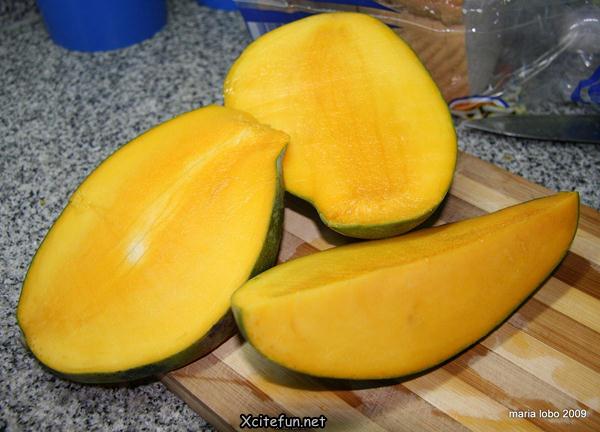 Sammar Bahisht (in Urdu Sammar signifies fruit as well as Bahisht means Paradise) is really a mango cultivar cultivated in various areas of the planet.
It originated as an excellent chance seedling in Muzaffarnagar Uttar Pradesh, India. It got its title for the enjoyable taste. The fresh fruit is moderate having a somewhat compressed base, equal shoulders, greenish-yellow skin, as well as yellow pulp. It features an extremely sweet, pleasurable taste and is also sparsely fibrous. The fruit in addition maintains effectively as well as peels easily. It ripens from July to August.
8. Fajri Mango
 Fajri is actually a huge size mango. Fajri has got tiny aroma however the pulp is fiberless. Accessibility is from 15th June to 5th August.
In both its green as well as ripe type is an extremely excellent tenderizing agent and for that reason perfect to incorporate in any kind of gravy. In Pakistan, they’ll use a bitter mango powder that contains ground-up green mangoes known as Achar, both equally like a flavoring as well as tenderizing aid.
Traditional uses
- In the Philippines, a decoction made from the root is used as an astringent, and resin obtained from trees is used to cure aphthae.
- In Kampuchea, the bark is astringent and used for leucorrhoea and rheumatism.
- Swallow the gum obtained from bark for dysentery in India and Kampuchea.
- Mix the gum resin with coconut oil and apply it to scabies and other parasitic diseases of the skin.
- The bark infusion is used as an aid for mouth infections in Samoa.
- Leaf juice is used for bleeding dysentery.
- Use the decoction made from leaves by adding honey for loss of voice.
- A young leaf infusion is used for chronic diseases of lungs, coughs, and asthma.
- The ashes of leaves are used as an aid for scalds and burns.
- Leaves are used to prepare tea in the Philippines.
- The dried flowers of mango are used in decoction for diarrhea, gleet, and chronic dysentery.
- Consume a half-ripe fruit with salt and honey to treat gastro-intestinal disorders, blood disorders, bilious disorders, and scurvy.
- The juice of ripe mangoes is useful for treating Vitamin A deficiencies such as night blindness and treating constipation and atomic dyspepsia.
- In India, resins are used to cure scabies and cutaneous affections.
- The powdered form is used for chronic dysentery, obstinate diarrhea, asthma, and bleeding piles.
- In Johore, Malaysia, seeds are used for menorrhagia, roundworms, and piles.
- Mango can cause contact dermatitis.
- In Ayurveda, it is used to clear acidity and digestion due to pitta.
- Drink an infusion to lower blood pressure and treat various conditions such as asthma, angina, diabetes, and coughs.
- Use the leaves externally in the convalescent bath.
- Prepare mouthwash from leaves for hardening gums and treat dental problems.
- Leaves are useful in treating skin irritations.
- Leaves (charred and pulverized) are used to eradicate warts.
- It is used for treating colds, coughs, bleeding piles, and obstinate diarrhea.
- It is used to treat throat problems and hemorrhage.
- Use the decoction prepared from leaves to treat diarrhea, fever, and toothache.
- Young leaves are used for diarrhea in Chittagong.
- In India, the bark is used to treat rheumatism and diphtheria.
- The resinous gum obtained from the trunk is used on cracks of feet and scabies.
- In the Caribbean, a decoction made from leaves is an aid for fever, diarrhea, diabetes, chest complaints, ills, and hypertension.
- Use the decoction of mango and other leaves after childbirth.
- Mango assists resistance to counteract germs and afflictions.
- It is used to soothe the stomach.
Precautions
- The ingestion of mango might cause a rash similar to poison ivy in sensitive people.
- Avoid overconsumption of this fruit.
- If consumed more, it enhances the level of blood sugar, causes diarrhea, and gains in weight.
- A white substance found in raw mangoes may cause allergies to some people.
- People might experience runny noses, watery eyes, and anaphylactic shock.
- The sap of mango causes allergies and blisters.
- Allergic people should avoid it.
How to Eat
- Mango fruit is consumed in immature green or when ripe.
- Immature mangoes are consumed as pickled mangoes or also used in curries.
- Add green mangoes to the fruit salad.
- It is added to various recipes.
- The Vietnamese recipe of green mango salad consists of ram, sliced green mangoes, sliced red onion, mint, coriander, brown sugar or grated palm sugar, fried shallots, lime juice, crushed garlic, vinegar, or fish sauce.
- Thai recipe consists of dry shredded unsweetened coconut, julienned green mango, sliced spring onions, bean sprouts, chopped fresh coriander, fresh basil, cashews, or chopped peanuts, soy sauce or fish sauce, lime juice, chili, Thai chili sauce, and brown sugar.
- Green mango is consumed with sauce or shrimp paste in the Philippines.
- Mango is consumed green with pepper, salt, and hot sauce in Central America.
- In Guatemala, green mangoes are followed with the ground and toasted pumpkin seeds with salt and lime.
- An unripe green mango could be cooked or processed into various products.
- Make chutney by peeling, slicing, and parboiling green mangoes with salt, sugar, and various spices and cook with other fruits and raisins.
- It could be sun-dried, salted, and used in pickles.
- Make a relish with ripe or green mangoes.
- In India, green mango is used as pickle, am away, murabba, amchur, chatni, Sukhavati, or chutney.
- In Malaysia, India, and Thailand, the unripe flesh of green mango is popular.
- The peeled and sliced green mature mangoes are used as a filling for pies, sauce, used for jelly, and also converted into sherbet.
- In the Philippines, green mango is made in green mango jam, dried green mangoes, green mango wine, and puree.
- In Australia and India, mangoes are used to make alcoholic beverages such as liquors and wines.
- In Java, flour is made from seeds.
- In Indonesia, young tender leaves are consumed fresh.
- It is used to make preserves, jams, chutney, pies, jellies, and ice cream.
- Eat unripe mango with fish sauce, bagoong, soy sauce, vinegar, or with a dash of salt.
- In Central America, it is consumed with vinegar, salt, hot sauce, and black pepper.
- Mash mango and use it as a topping on ice cream or blend it with milk or ice as milkshakes.
- Seed is useful for pitta, cough, chronic diarrhea, helminthiasis, hemorrhages, dysentery, hemorrhoids, hemoptysis, bruises, ulcers, diabetes, menorrhagia, vomiting, and heat burn.
References
- https://www.ncbi.nlm.nih.gov/pmc/articles/PMC3649719/
- https://www.ncbi.nlm.nih.gov/pmc/articles/PMC6315720/
- https://www.ncbi.nlm.nih.gov/pmc/articles/PMC3419346/
- https://www.ncbi.nlm.nih.gov/books/NBK11795/
- https://www.ncbi.nlm.nih.gov/pmc/articles/PMC5291486/
- https://fruits.edpsciences.org/articles/fruits/abs/2012/05/fruits120033/fruits120033.html
- http://www.fao.org/3/cb2395en/CB2395EN.pdf
- https://www.fao.org/in-action/inpho/crop-compendium/fruits-vegetables/en/
- https://www.fao.org/3/cb2395en/online/src/html/fruit-and-vegetables.html
- http://www.fao.org/3/cb2395en/CB2395EN.pdf
- https://en.wikipedia.org/wiki/Fruit
- https://en.wikipedia.org/wiki/List_of_food_plants_native_to_the_Americas
- https://en.wikipedia.org/wiki/List_of_culinary_fruits
- https://www.hsph.harvard.edu/nutritionsource/what-should-you-eat/vegetables-and-fruits/
- https://www.betterhealth.vic.gov.au/health/healthyliving/fruit-and-vegetables
- https://www.cdc.gov/healthyweight/healthy_eating/fruits_vegetables.html
- https://www.botanical-online.com/en/botany/fruits-types-characteristics
- https://www.fda.gov/food/laboratory-methods-food/mpm-v-9-fruits-and-fruit-products-v-51-v-78
- https://www.fda.gov/food/food-labeling-nutrition/nutrition-information-raw-fruits-vegetables-and-fish
- https://onlinelibrary.wiley.com/doi/abs/10.1111/mcn.12208
- http://news.discovery.com/earth/
- https://www.cabi.org/isc/datasheet/
- https://www.science.org/
- https://plants.ces.ncsu.edu/plants/
- https://www.sciencedirect.com/topics/agricultural-and-biological-sciences/fruit-vegetable
- https://www.researchgate.net/publication/
- https://www.ams.usda.gov/grades-standards/fruits
- https://www.aphis.usda.gov/aphis/resources/traveler/intl-travel/fruits-vegetables/fruits-vegetables
- https://snaped.fns.usda.gov/seasonal-produce-guide
- https://www.nass.usda.gov/Publications/Highlights/2015/FruitsNutsBerries_AgCensusHighlights.pdf
- https://plants.usda.gov/home/plantProfile?
- https://www.fs.fed.us/wildflowers/ethnobotany/food/nuts.shtml
- https://downloads.usda.library.cornell.edu/usda-esmis/files/zs25x846c/sf269213r/6t054c23t/ncit0521.pdf
- https://agr.wa.gov/departments/business-and-marketing-support/farm-to-school-toolkit/
- https://health.gov/sites/default/files/2020-01/DGA2000.pdf
- https://www.farmers.gov/archived/cfap2/specialty
- https://www.hsph.harvard.edu/nutritionsource/
- https://www.foodsafety.gov/food-safety-charts/food-safety-during-power-outage
- https://clinicaltrials.gov/ct2/show/
- https://botany.org/home/careers-jobs/careers-in-botany/what-is-botany.html
- https://www.healthbenefitstimes.com/category/fruits
- http://www.hear.org/pier/species/
- https://www.itis.gov/servlet/SingleRpt/SingleRpt?
- http://www.theplantlist.org/tpl1.1/record/
- https://www.fs.fed.us/database/feis/plants/tree/
- https://www.itis.gov/servlet/SingleRpt/SingleRpt?
- https://eol.org/pages/
- http://www.hear.org/pier/species/mangifera_indica.htm
- http://www.pfaf.org/user/Plant.aspx?LatinName=Mangifera+indica
- https://www.itis.gov/servlet/SingleRpt/SingleRpt?search_topic=TSN&search_value=28803#null
- http://www.horticultureworld.net/botany-taxonomy.htm
- https://medinfo.org/amazing-facts-health-benefits-of-mango-fruit
- http://www.stylecraze.com/articles/health-benefits-of-mangoes/#gref
- https://www.organicfacts.net/health-benefits/fruit/mango.html

