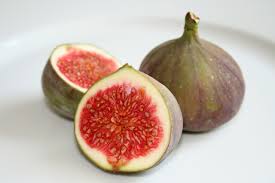
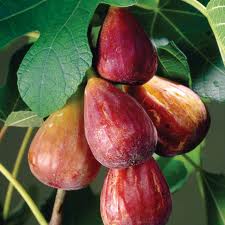
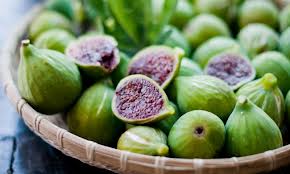
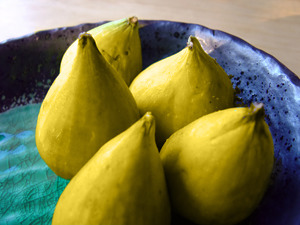
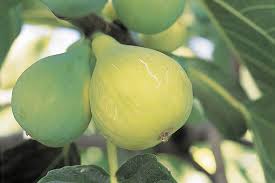
Ficus carica/Figs botanically belong to the mulberry family (Moraceae), in the genus Ficus and is naive to south-western Asia to northwest India. During each season, fig bears several hundreds of pear-shaped fruits twice a year, which vary in size and color depending on the variety. Fig, Common Fig, Cultivated Fig, Edible Fig, Wild Fig are some of the popular common names of figs. The fleshy wall is whitish, pale-yellow, or amber, or more or less pink, rose, red or purple; juicy and sweet when ripe, gummy with latex when unripe.
Figs Quick Facts
Name:
Figs
Scientific Name:
Ficus carica
Origin
Indigenous in south-western Asia to northwest India
Colors
Greenish- yellow, yellow, reddish to reddish-violet
Shapes
Usually pyriform-obovoid to subglobose, 3–5 centimeters (1.2–2.0 in) long, glabrous, or shortly hispid
Flesh colors
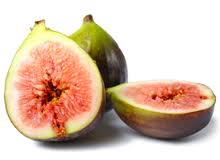
Whitish, pale-yellow, or amber, or more or less pink, rose, red or purple
Prevention of constipation, Anticancer, Weight loss, Lower cholesterol, Treat Common Illnesses, Prevention of coronary heart disease, Prevention of colon cancer, Good for diabetic patients, Antibacterial and Antifungal, Prevention of hypertension, Bronchitis, Venereal Diseases, Sexual Dysfunction, Strengthens Bones, Urinary calcium loss, Prevention of macular degeneration, Relief for throat pain
Ficus carica is an Asian species of flowering plant in the mulberry family, known as the common fig (or just the fig). It is the source of the fruit also called the fig, and is an important crop in those areas where it is cultivated commercially. Native to the Middle East and western Asia, it has been sought out and cultivated since ancient times and is now extensively grown throughout the world, both for its fruit and as an ornamental plant. The species has become naturalized in scattered locations in Asia and North America.
FIGS FACTS
Name
Figs
Scientific Name
Ficus carica
Native
Indigenous in south-western Asia to northwest India
Common/English Name
Fig, Common Fig, Cultivated Fig, Edible Fig, Wild Fig
Perform best on well-drained, reasonably fertile, organic matter rich soils. Figs are relatively salt-tolerant and can be grown along the coast near brackish water. Fig is intolerant of poorly drained, waterlogged conditions.
Plant Size
5–10 m high
Root
Shallow and spreading.
Bark
Smooth, distinctly lenticellate, grey or dull white, young twigs glabrous or softly hairy
Trunk
Short, rough trunk.
Stipules
Red, ovate-lanceolate, about 1 cm long, and caducous.
Leaf
Alternate and borne on 5–12 cm long, grooved petioles. Lamina is variable in shape and size, broadly ovate to nearly orbicular, (4-) 5–15 (−20) cm long by (3.5-) 5–15 (−18) cm wide, undivided or shallowly palmatifid to mostly palmatipartite, lobes spathulate with entire to apically few-dentate margin, 5-costate at the cordate base, apex acute to obtuse, margins undulatedentate or dentate-crenate, sparsely to moderately hairy above, often densely hispid beneath especially on nerves, lateral nerves 6–8 (−9) pairs.
Flower
Male flowers are found near the apical orifice, with usually 4 united sepals, 4 stamens on long filaments with oval, exserted anthers. Female flowers are pedicellate, with 4 lanceolate-oblong lobed sepals, ovoid ovary with lateral style and bifid stigma.
Fruit Shape & Size
Usually pyriform-obovoid to subglobose, 3–5 centimeters (1.2–2.0 in) long, glabrous or shortly hispid,
Fruit Color
Greenish- yellow, yellow, reddish to reddish-violet
Fruit Skin
Thin
Flesh Color
Whitish, pale-yellow, or amber, or more or less pink, rose, red or purple;
Taste
Unique, sweet Taste
Seed
Several slightly crunchy, edible seeds
Varieties/Types
Commom Fig
Caprifig
Smyrna Fig
San Pedro Fig
Adriatic Fig
Black Mission Fig
Brown Turkey Fig
Calimyrna Fig
Sierra Fig
King Fig
Kadota Fig
Strangler Fig
Major Nutrition
Carbohydrate 12.28 g (9.45%)
Vitamin B6 (Pyridoxine) 0.072 mg (5.54%)
Total dietary Fiber 1.9 g (5.00%)
Copper, Cu 0.045 mg (5.00%)
Vitamin B5 (Pantothenic acid) 0.192 mg (3.84%)
Manganese, Mn 0.082 mg (3.57%)
Vitamin B1 (Thiamin) 0.038 mg (3.17%)
Potassium, K 148 mg (3.15%)
Iron, Fe 0.24 mg (3.00%)
Magnesium, Mg 11 mg (2.62%)
Health Benefits
Prevention of constipation
Anticancer
Weight loss
Lower cholesterol
Treat Common Illnesses
Prevention of coronary heart disease
Prevention of colon cancer
Good for diabetic patients
Antibacterial and Antifungal
Prevention of hypertension
Bronchitis
Venereal Diseases
Sexual Dysfunction
Strengthens Bones
Urinary calcium loss
Prevention of macular degeneration
Relief for throat pain
Calories in 1 Large (64 gm)
47 K cal
Figs Scientific Classification
Scientific Name: Ficus carica
Rank
Scientific Name & (Common Name)
Kingdom
Plantae (Plants)
Subkingdom
Tracheobionta (Vascular plants)
Superdivision
Spermatophyta (Seed plants)
Division
Magnoliophyta (Flowering plants)
Class
Magnoliopsida (Dicotyledons)
Subclass
Hamamelididae
Order
Hamamelididae
Family
Moraceae (Mulberry family)
Genus
Ficus L. (Fig)
Species
Ficus carica L. (Edible fig)
Synonyms
Ficus carica L.
Ficus carica subsp. rupestris (Hausskn.)Browicz
Ficus carica var. afghanica Popov
Ficus carica var. caprificus Risso
Ficus carica var. domestica Czern.&Rav.
Ficus carica var. globosa Hausskn.
Ficus carica var. johannis (Boiss.) Hausskn.
Ficus carica var. longipes Bornm. exParsa
Ficus carica var. riparium Hausskn.
Ficus carica var. rupestris Hausskn.
Fig, Common Fig, Cultivated Fig, Edible Fig, Wild Fig is few of the common names of Fig. Apart from that Common Fig, Caprifig, Smyrna Fig, San Pedro Fig, Adriatic Fig, Black Mission Fig, Brown Turkey Fig, Calimyrna Fig, Sierra Fig, King Fig, Kadota Fig, and Strangler Fig are few of the popular varieties of fig that are grown throughout the world because of its delightful taste and wonderful nutritive value. Figs are known for their sweet and juicy flesh, tender skin, and crunchy seeds. They’re highly perishable and are commonly dried to preserve them. And unlike many other fruits and vegetables, studies have shown that the health benefits of figs actually increase after drying. They can be prepared in a number of ways and make a great pairing with meats and cheeses.
Plant
Fig is a robust, deciduous, dioecious shrub or small tree, 5–10 m high. It is normally found growing in warm, dry climates and normally performs best on well-drained, reasonably fertile, organic matter rich soils. Figs are comparatively salt-tolerant and can be grown along the coast near brackish water. Fig is intolerant of poorly drained, waterlogged conditions. The plant has shallow and spreading roots and a short, rough trunk. The bark is usually smooth, distinctly lenticellate, grey or dull white, young twigs glabrous or softly hairy. The plant has a small leaf-like appendage to a leaf that is red, ovate-lanceolate, about 1 cm long, and caducous.
Leaves
Fig plant bears leaves that are bright green, single, alternate, and large (to 1 ft. length). They are more or less deeply lobed along with 1 – 5 sinuses, rough hairy on the upper surface and soft hairy on the underside. In summer their foliage gives a beautiful tropical feeling. Fig tree leaves release a pleasant, woodsy-green fragrance. Some people dry the leaves and use them in perfume or in potpourri for their homes. Fig trees produce a natural latex sap that is also used for a number of practical and medicinal purposes.
Flowers
The tiny flowers of the fig are out of sight, clustered inside the green “fruits”, exactly a syconium. Pollinating insects gain access to the flowers through an opening at the apex of the syconium. In the case of the common fig, the flowers are all female and need no pollination. There are 3 other types, the caprifig which has male and female flowers requiring visits by a tiny wasp, Blastophaga grossorum; the Smyrna fig, needing cross-pollination by caprifigs in order to develop normally; and the San Pedro fig which is intermediate, its first crop independent like the common fig, its second crop dependent on pollination.
Fruits
The common fig bears a first crop, called the breba crop, in the spring on last season’s growth. The second crop is borne in the fall on the new growth and is known as the main crop. Fig is normally pyriform- obovoid to sub-globose, 3–5 centimeters (1.2–2.0 in) long, glabrous or shortly hispid, and is greenish-yellow, yellow, reddish to reddish-violet colored. The skin of the fruit is extremely thin and flesh is whitish, pale-yellow, or amber, or more or less pink, rose, red, or purple colored and consists of several slightly crunchy, edible seeds. The fruit has a unique, sweet taste when completely ripe, gummy with latex when unripe. Figs are known for their sweet and juicy flesh, tender skin, and crunchy seeds. They’re highly perishable and are commonly dried to preserve them. Unlike many other fruits and vegetables, research has shown that the health benefits of figs actually increase after drying. They can be prepared in a number of ways and make a wonderful pairing with meats and cheeses.
History
Fig is said to have originated from south-western Asia to northwest India. Figs have been cultivated by humans for over 5,000 years and were first known from Caria in southwestern Asia. It has naturalized all over the Mediterranean area and is now cultivated elsewhere in areas with a similar climate.
Nutritional Value
Apart from their unique sweet taste, the fig is a good source of nutrients, vitamins, and minerals. Consuming 64 grams of figs offers 12.28 g of Carbohydrate, 0.072 mg of Vitamin B6, 1.9 g of Total Dietary Fiber, 0.045 mg of Copper, 0.192 mg of Vitamin B5, and 0.082 mg of Manganese. Moreover many Amino acids 0.004 g of Tryptophan, 0.015 g of Threonine, 0.015 g of Isoleucine, 0.021 g of Leucine, and 0.019 g of Lysine are also found in 64 grams of Figs.
Nutritional value of Figs, Raw
Serving Size: 1 Large, 64 g
Calories 47 Kcal.Calories from Fat 1.71 Kcal.
Proximity
Amount
% DV
Water
50.63 g
N/D
Energy
47 Kcal
N/D
Energy
198 kJ
N/D
Protein
0.48 g
0.96%
Total Fat (lipid)
0.19 g
0.54%
Ash
0.42 g
N/D
Carbohydrate
12.28 g
9.45%
Total dietary Fiber
1.9 g
5.00%
Total Sugars
10.41 g
N/D
Minerals
Amount
% DV
Calcium, Ca
22 mg
2.20%
Iron, Fe
0.24 mg
3.00%
Magnesium, Mg
11 mg
2.62%
Phosphorus, P
9 mg
1.29%
Potassium, K
148 mg
3.15%
Sodium, Na
1 mg
0.07%
Zinc, Zn
0.1 mg
0.91%
Copper, Cu
0.045 mg
5.00%
Manganese, Mn
0.082 mg
3.57%
Selenium, Se
0.1 µg
0.18%
Vitamins
Amount
% DV
Water-soluble Vitamins
Vitamin B1 (Thiamin)
0.038 mg
3.17%
Vitamin B2 (Riboflavin)
0.032 mg
2.46%
Vitamin B3 (Niacin)
0.256 mg
1.60%
Vitamin B5 (Pantothenic acid)
0.192 mg
3.84%
Vitamin B6 (Pyridoxine)
0.072 mg
5.54%
Vitamin B9 (Folate)
4 µg
1.00%
Folate, food
4 µg
N/D
Folate, DEF
4 µg
N/D
Choline
3 mg
0.55%
Vitamin C (Ascorbic acid)
1.3 mg
1.44%
Fat-soluble Vitamins
Vitamin A, RAE
4 µg
0.57%
Vitamin A, IU
91 IU
N/D
Beta Carotene
54 µg
N/D
Lutein + zeaxanthin
6 µg
N/D
Vitamin E (alpha-tocopherol)
0.07 mg
0.47%
Vitamin K (phylloquinone)
3 µg
2.50%
Lipids
Amount
% DV
Fatty acids, total saturated
0.038 g
N/D
Myristic acid 14:00(Tetradecanoic acid)
0.001 g
N/D
Palmitic acid 16:00 (Hexadecanoic acid)
0.029 g
N/D
Stearic acid 18:00 (Octadecanoic acid)
0.008 g
N/D
Fatty acids, total monounsaturated
0.042 g
N/D
Oleic acid 18:1 (octadecenoic acid)
0.042 g
N/D
Fatty acids, total polyunsaturated
0.092 g
N/D
Linoleic acid 18:2 (octadecadienoic acid)
0.092 g
N/D
Phytosterols
20 mg
N/D
Amino acids
Amount
% DV
Tryptophan
0.004 g
0.91%
Threonine
0.015 g
0.85%
Isoleucine
0.015 g
0.90%
Leucine
0.021 g
0.57%
Lysine
0.019 g
0.57%
Methionine
0.004 g
N/D
Cystine
0.008 g
N/D
Phenylalanine
0.012 g
N/D
Tyrosine
0.02 g
N/D
Valine
0.018 g
0.85%
Arginine
0.011 g
N/D
Histidine
0.007 g
0.57%
Alanine
0.029 g
N/D
Aspartic acid
0.113 g
N/D
Glutamic acid
0.046 g
N/D
Glycine
0.016 g
N/D
Proline
0.031 g
N/D
Serine
0.024 g
N/D
Others
Amount
% DV
Flavonoids
Cyanidin
0.32 mg
N/D
Flavan-3-ols
(+)-Catechin
1 mg
N/D
(-)-Epicatechin
0.3 mg
N/D
Flavonols
Quercetin
3.5 mg
N/D
*Above mentioned Percent Daily Values (%DVs) are based on 2,000 calorie diet intake. Daily values (DVs) may be different depending upon your daily calorie needs. Mentioned values are recommended by the U.S. Department of Agriculture. They are not rxharun.com recommendations. Calculations are based on average age of 19 to 50 years and weigh 194 lbs. Source: https://ndb.nal.usda.gov/
Health benefits of Figs
Figs are seasonal fruits that are found in the western parts of Asia, but dried figs are accessible almost everywhere, at any point during the year. The fig tree is a member of the mulberry family. The health benefits of figs come from the presence of minerals, vitamins, and fiber contained in the fruit. Figs contain a wealth of beneficial nutrients, including vitamin A, vitamin B1, vitamin B2, calcium, iron, phosphorus, manganese, sodium, potassium, and chlorine. A few of the health benefits derived from figs include:
1. Prevention of constipation
Every three serving of fig offers about 5 grams of fiber. That high concentration of fiber helps promote healthy, regular bowel function and helps to prevent constipation. Fiber works to add bulk and mass to bowel movements, so it not only avoids constipation but also eliminates diarrhea and unhealthy or irregular bowel movements.(1)
2. Anticancer
Figs have a reputation in traditional medicine as a cure for several health problems, including as a natural cancer treatment. Research by the Department of Natural Medicinal Chemistry at China Pharmaceutical University displays that some elements present in figs are poisonous to various human cancer cell lines.
Although more research is needed, there are references encouraging researchers to find out more about how figs’ bioactive compounds can combat illness because of the success of numerous findings thus far.(2), (3)
3. Weight loss
The fiber in figs helps to decrease weight and is often suggested for obese people. However, their high-calorie count may also result in weight gain, particularly when consumed with milk. A few figs are sufficient to get the recommended amount of nutrients, so don’t overdo it! Remember, it is possible to have too much of a good thing.(4)
4. Lower cholesterol
Figs consist of Pectin, which is actually soluble fiber. When fiber moves through the digestive system, it mainly wipes up excess masses of cholesterol and carries them to the excretory system to be removed from the body. As a soluble fiber, pectin from figs stimulates healthy bowel movements. Figs can have a laxative effect, as they are one of the most fiber-dense foods available. High amounts of fiber in your diet can benefit your overall health by avoiding certain types of abdominal cancer, as well as colon cancer.(5)
5. Treat Common Illnesses
Since ancient times, a fig has been used to treat a wide range of common ailments. More than 40 ailments related to the digestive, endocrine, reproductive, and respiratory systems have been treated with the regular use of fig fruit, extracts, and components of the fig tree.
Researches have shown figs to be a good source of treatment for anemia, liver disease, gastrointestinal tract, cancer, paralysis, diabetes, skin diseases, leprosy, ulcers, and urinary tract infections, and more. Figs and the fig tree are considered promising candidates for helping develop new drugs as well, and researchers hope to find new medicinal uses for the plant.(6)
6. Prevention of coronary heart disease
Phenol, Omega-3, and Omega-6 are found in dried figs. These fatty acids help to reduce the risk of coronary heart disease. Additionally, the leaves of figs have a significant effect on the level of triglycerides in a person’s system. A fig leaf has an inhibitory effect on triglycerides and makes the overall number of triglycerides drop. Triglycerides are another major factor behind various heart diseases.
7. Prevention of colon cancer
Fiber present in fig helps to stimulate the elimination of free radicals and other cancer-causing substances, mainly in the colon, since fiber increases the healthy movement of the bowels.(7)
8. Good for diabetic patients
The American Diabetes Association recommends figs as a high fiber treat that helps encourage functional control of diabetes. Figleaves help to reduce the amount of insulin needed by diabetic patients who have to frequently take insulin injections. Figs are rich in Potassium, which helps to regulate the amount of sugar that is absorbed into the body after meals. Large amounts of potassium can ensure that blood sugar spikes and falls are much less frequent, so figs can help diabetics live a much more normal life.(8)
9. Antibacterial and Antifungal
Figs act as a natural antibacterial and antifungal agent. A review by the Drug and Herbal Research Centre at the Universiti Kebangsaan in Malaysia cited two types of research that showed fig extract’s ability to combat a strand of oral bacteria, as well as various fungi and microbes.
There are also studies done in grass carp that show effectiveness in figs’ ability to stimulate immune system response, therefore making figs great immune system boosters. This may explain why figs are such great common illness fighters, which are normally the work of bacteria and other invaders.(9), (10)
10. Prevention of hypertension
People usually take in sodium in the form of salt, but low potassium and high sodium level may lead to hypertension. Figs are high in potassium and low in sodium, so they are a wonderful defense against the appearance and effects of hypertension, making figs a relaxing food as well, which helps to settle the nerves and bring some calmness to your day.
11. Bronchitis
Natural chemicals present in fig leaves make it an ideal component for a tea base. Fig leaf tea has been popularly recommended for several respiratory conditions like bronchitis, and it is also used to prevent and lessen the symptoms of asthmatic patients.
12. Venereal Diseases
Figs have been traditionally used as a calming ointment for venereal diseases. Ingestion or topical application both work for relief from sexually transmitted diseases, though further research needs to be done on the exact range of symptoms and diseases which figs positively effect.
13. Sexual Dysfunction
Since ancient times, figs are recommended to correct sexual dysfunction like sterility, endurance, or erectile dysfunction. It is referenced as a powerful fertility or sexual supplement. Its actual success as an aphrodisiac is doubtful, but the huge amount of valuable vitamins and minerals might result in the sudden boost in energy and stamina that people mistake for a sexual surge. Soak 2-3 figs in milk overnight and eat them in the morning to enhance your sexual abilities.(11)
14. Strengthens Bones
Figs consist of a good amount of calcium, which is one of the most important components in strengthening bones and decreasing the risk of osteoporosis. It is also rich in phosphorus, which inspires bone formation and spurs regrowth if there is any damage or degradation to bones.(12)
15. Urinary calcium loss
People with a high-sodium diet may be affected by increased urinary calcium loss. The high potassium content in figs helps to avoid that condition and controls the content of waste in your urine. It reduces the calcium you lose while increasing the amount of uric acid and other harmful toxins which you want to get out of your body.(13)
16. Prevention of macular degeneration
Vision loss in older people is normally due to macular degeneration. Fruits and figs are mainly good at helping you avoid this very common symptom of aging.
17. Relief for throat pain
The high mucilage content in figs helps to heal and protect sore throats. The calming nature of figs and their natural juices relieve pain and stress on the vocal cords.
Health Benefits of Fig Leaves
If you are lucky enough to have access to a fig tree, the leaves of the trees are incredibly valuable to your health, mostly due to their antioxidant abilities. The leaves are dried and made into teas or extracts, which is very common in areas of the world with substantial fig tree growth.
1. Anti-diabetic
Research shows a reduction of glucose in the blood of rats when given an extract made from fig tree leaves. Research also showed a decline in the levels of cholesterol, as well as help, normalize antioxidant activity to help combat oxidative stress caused by diabetes.
Fig fruit is proven as a powerful treatment for the side effects of diabetes. With anti-inflammatory and antioxidant activities, figs can normalize many bodily functions sometimes damaged by diabetes, making them a probable diabetes natural remedy. (1), (2), (3)
2. Help Treat Skin Cancer
Figleaves are a wonderful source of bioactive compounds that are great at fighting free radical damage. As a result, research has used information about the makeup of the fig leaf to develop better forms of photodynamic therapy to treat certain types of skin cancer.(4), (5)
3. Anti-Wrinkle Capabilities
Several types of research on fig tree leaf extract have shown successful examples of anti-wrinkle capabilities. Individuals using creams including fig leaf and fig fruit extracts showed a considerable decrease in length and depth of facial wrinkles, due to antioxidant and anti-collagenase activity.
Another research published in the Indian Journal of Pharmaceutical Sciences even concluded that creams containing fig extract help to hyperpigmentation, acne, and even freckles.(6), (7)
How to Eat
Fruits are enjoyed as a popular and nutritious fruit both fresh and dried.
When dried the fruits besides being consumed as snacks are also used for cooking for instance in specialty Chinese dishes and in herbal soups.
Ripe fresh figs are eaten out of hand with or without peeling or they can be served with cream and sugar.
Peeled or unpeeled, the fruits may be just stewed or cooked in various ways, as in pies, jams, puddings, cakes, bread, or other bakery products, or added to ice cream mix.
Ripe figs are excellent for processing into fruit juice, fruit-tea, ratafia, and canned beverages.
Whole fruits can be preserved in sugar syrup, canned, or processed into jam, marmalade, or paste.
Fig paste (with added wheat and corn flour, whey, syrup, oils, and other ingredients) forms the filling for the well-known bakery product, “Fig Newton”.
The fruits are occasionally candied whole commercially.
In Europe, western Asia, northern Africa, and California, commercial canning and drying of figs are industries of great importance.
Dried cull figs are roasted and ground as a coffee substitute.
Low-grade figs are converted into alcohol in Mediterranean countries.
An alcoholic extract of dried figs is used as a flavoring for liqueurs and tobacco.
Leaves are gathered just before shedding, dried and used for herbal tea in China.
From fig latex, a protein-digesting enzyme ficin can be obtained, which is used for tenderizing meat, rendering fat, and clarifying beverages.
Other Traditional Uses and benefits of Figs
Figs are commonly used as folk remedies in Latin America.
Fruit is considered mildly laxative, demulcent, diuretic, emollient, digestive, pectoral, and to have aphrodisiac properties.
Decoction of the fruits is gargled to relieve sore throat; figs boiled in milk are repeatedly packed against swollen gums; the fruits are much used as poultices on tumors and other abnormal growths.
Unripe green fruits are cooked with other foods as galactagogue and tonic.
Roasted fruit is emollient and used as a poultice in the treatment of gumboils, dental abscesses.
Fruit is useful in inflammations and paralysis in India.
Carica is claimed to be useful in liver and spleen complaints, to cure piles, and in the treatment of gout.
Leaves are used in the treatment of jaundice.
Paste of figs is given in prescriptions, also as cooked vegetable for emaciation and debility, as a diuretic in urinary stones.
Fruit in a medicated clarified butter is given for internal use in fever, consumption, asthma, epilepsy, and insanity.
Leaf decoction is taken as a cure for diabetes and calcifications in the kidneys and liver and as a stomachic.
Leaves are added to boiling water and used as a steam bath for painful or swollen piles.
Latex from the stem is normally applied on warts, corns, skin ulcers, and sores, and taken as a purgative and vermifuge.
It also has an analgesic effect against insect stings and bites.
Decoction of the young branches is used as pectoral.
Roots are used to treat leucoderma and ringworms.
Fruit and leaves are pulverized and gargled to relieve sore throats.
Other Facts
Fig leaves are used for fodder and in the Mediterranean region also the fruits in India.
Wood is pliable but porous and of little commercial value and has been used for hoops, garlands, ornaments, etc.
Fruits and other parts of the tree are significant for folk medicine.
Latex has been used as a detergent for washing dishes, pots, and pans in Tropical America.
It was an ingredient in some of the early commercial detergents for household use but was removed after many reports of irritated or inflamed hands in housewives.
In southern France, Fig leaves are used as a source of woodland scented perfume material called “fig-leaf absolute” in Southern France.
Types of Figs
Fresh figs are very delicate. Ripe ones usually split even if left totally alone! Finding locally grown figs could be tricky away from California, however, they could be grown anywhere in which winter temperatures do not drop below 20°F. Here are some types to look for at markets close to you.
1. Common Fig
It refers back to the delicious figs that we all consume. The medical title of the common fig is Ficus carica. It is indigenous to the Mediterranean region and also to southwest Asia. Fig was one of the primary plants to be grown by humans – it’s a really old guy! These types of fruits have several of the best health advantages to humans and therefore are on top of their nutritional value. Dried figs are specifically great for health and really are a rich source of calcium and several other minerals and in addition flavonoids and vitamin K.
Common Figs are definitely the only figs substantial to industrial growers in Texas. These types of figs develop parthenocarpically (without pollination) and therefore are probably the most common kind of fig cultivated in Texas. The fruit doesn’t have true seeds and is also mainly created on wood from the current season. Most types suitable for Texas are of the Common Fig type.
2. Caprifig
Caprifigs build a tiny non-edible fruit; however, the flowers within the Caprifig product pollen. This pollen is important for fertilizing fruit of the Smyrna and San Pedro types. The pollen is transported from the Caprifigs to the pollen-sterile types by the Blastophaga wasp. Industrial growers hang baskets of Blastophaga-infested Caprifigs so the wasps can efficiently fertilize the fruit. Caprifigs were cultivated successfully at Del Rio, Texas, as early as 1901.
3. Smyrna Fig
Smyrna Fig types produce huge delicious fruit along with true seeds. The Blastophaga wasp as well as Capriifigs are needed for pollination and also normal fruit development. If this fertilization process doesn’t happen, the fruit will not develop properly and will fall from the tree. Smyrna-type figs are commonly sold as dried figs.
4. San Pedro Fig
San Pedro-type figs have two crops of fruit in a single season – one crop around the earlier season’s development another crop on present development. The first crop, known as the breba crop, is parthenocarpic and doesn’t need pollination. The fruit of the second crop is definitely the Smyrna type and needs pollination from the Caprifig. Breba crops are made early in the spring on last season’s wood. However, the second crop of Smyrna type may neglect to set due to insufficient pollination from Blastophaga and Caprifig. This second crop fruit drop regularly discourages homeowners.
5. Adriatic Fig
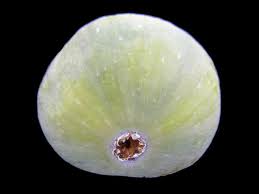
These types of pale green to pale yellow figs are occasionally known as “white figs” because of their mild color. I’ve additionally seen them sold as “candy-striped figs” whenever striped just like the ones shown here. They’ve got bright pink to outstanding red insides as well as an extra-sweet flavor. They’re collected in June and also again in August.
6. Black Mission Fig
Amongst the most prestigious as well as accessible fig types on the planet, the Black Mission is considered to have come from a seedling tree someplace within the Balearic Islands off the coast of Spain. The variety, once referred to as the Franciscana, took over as the main fig of the Catholic missions – and as the variety was utilized by the developing fig industry of California, the name Black Mission was created. This fig is small, with thick pink flesh seriously studded with seeds that provide a pleasing crunch to the silky flesh. The texture of the perfectly ripe one is sticky as well as jammy – and that left extra-long on the tree, the place that the sun dries them out just like prunes, are additional sweet as well as gummy.
Black Mission figs are incredibly sweet (sometimes they even can ooze a little bit of syrup) and therefore are fantastic for serving plain or even along with yogurt or even tangy fresh cheese (just like mascarpone, Fromage blanc, or farmers cheese) for dessert. They have got blackish-purple skin as well as dark pink flesh.
7. Brown Turkey Fig
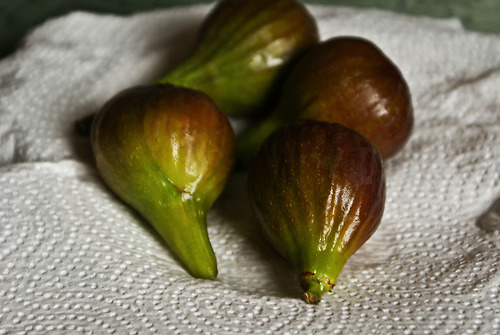
This seriously popular and huge fig is developed around the globe perhaps a lot more than {almost every other|any}. Its origins get back to earlier 1700s, when it was initially unveiled in England – perhaps from Italy. The fruits are spear-like as well as pear-shaped, along with maple-brown skin. While shopping, beware of Brown Turkey figs harvested too soon, which will be rigid and hard and taste dull as well as flat. But those with sensitive skin which bruises easily will probably be soft and also velvety, and heavy, sweet, and also juicy inside.
Brown Turkey figs have got brownish-dark purple skin, a milder taste as compared to other figs, and therefore are significantly less sweet than the similar-looking Black Mission figs. Brown Turkey figs work effectively in salads or perhaps in desserts where the sweetener will probably be used.
8. Calimyrna Fig
Usually dried, this particular initially Turkish fig is exceptional like fresh fruit. Its huge fruits separated along with ripeness as sap as well as sugars emerge through the breaches within the skin. Such figs taste of honey, jam as well as butterscotch, having a nuttiness from the several seeds. All you are able to find are semi-ripe supermarket figs? Then grill them, which literally brings out caramel notes along with a hot and spicy holiday zest whilst softening them in the sticky, sweet globs which the best figs are. Calimyrna figs usually are relatively big, along with somewhat golden skin along with pinkish flesh which has an exclusive crazy taste.
9. Sierra Fig
A green-skinned fig, the Sierra is yet another new selection, designed by breeders in the year 2006. The Sierra looks like the Calimyrna, a well-liked fig along with roots in western Turkey. The fruits are huge as well as spherical, well suited for slicing open as well as serving by the half, possibly topped along with cheese as well as essential olive oil.
10. King Fig
This particular cold-tolerant fig is cultivated on smaller farms around the country, mainly in cooler areas just like the Pacific Northwest, as well as places exactly where cold winters prevent various other types, just like the heat-loving Calimyrna as well as Black Mission. The King is really a teardrop-shaped, green-skinned fig with dark purple flesh completely self-indulgent when the fruits are permitted to fully ripen. Shop at farmers’ markets or even natural foods groceries to find the best bet at finding genuinely ripe figs.
11. Kadota Fig
The most typical green type, the Kadota is considered to be many thousands of years old. Pliny the Elder is said to possess recommended this range, known in Italy as the Dotatto. The skin is yellowish-green, along with the flesh specifically smooth and silky. It really is among the commonly seen fresh figs within California.
Celeste: It’s really a tiny to moderate, violet skin along with the incredibly sweet, juicy white pulp. Good fresh or even dried. A popular one for container gardening.
12. Strangler Fig
This kind gets its title from the uncommon life-cycle that the trees comply with. The tree is developed and grown on the host plant just as one epiphyte within the initial period. Since the roots of the seedling touch the soil, the tree grows quickly and takes over the host plant – just as if “strangling” it to death.
Selection and storage
Figs are obtainable throughout the season; however, they’re best from May through November. Many find fresh and also dried figs within the markets. Whilst purchasing fresh figs look for ripe fruits, that are soft in hand and give off a fairly sweet smell.
Stay away from brazenly soft, injured, fungus-induced fruits. Likewise, unripe green fruits since they are astringent and out from taste.
Fig fruits die rather quickly and are eaten while they’re fresh otherwise need to be put into the refrigerator exactly where they keep well for 2-3 days. Put them in the plastic or even zip pouch and also store them within the refrigerator set with higher relative moisture. However, dried figs can remain for 6-8 months.
Preparation and serving tips
Figs should be permitted to ripen fully within the tree just before they are selected. They may be appreciated fresh and after sun or even synthetic drying. To consume fresh fruits clean them in cold water, mop them dry carefully utilizing soft cloth or even tissue. You can consume fresh-figs whole, or even peeled. If removed through the cold storage, placed in a bowl of water to bring them back to normal room temperature to enhance their taste as well as palatability. Here are a few offering suggestions:
Sweet, tasty fig fruit is best appreciated as it is without the additions.
Fresh figs are a fantastic accessory for salad, cakes as well as ice creams.
Dried ones could be included with soup, stews, and also to enhance poultry, venison, lamb meat.
Dry figs are fantastic inclusions in muffins, cakes, sandwiches, pies, and cheesecakes.
Enjoy marinated figs along with the raspberry sauce.
Pests and Diseases
Fig tree roots are a popular food of gophers, who are able to effortlessly destroy a big plant. One unaggressive way of control is usually to plant the tree within a huge aviary wire basket. Deer usually are not especially drawn to figs, yet birds may cause lots of injury to the fruit. Nematodes, specifically in sandy soils, harm roots, develop galls, and also stunt the trees. Mitadulid and Carpophilus dried fruit beetles can easily enter ripening fruit from the eye and cause harm by introducing fungi and rots. They often times breed in fallen citrus fruits. Keep a thoroughly clean orchard by destroying fallen fruits and don’t grow near citrus trees. Euryphid mites lead to little damage but they are carriers of mosaic virus from infected to completely clean trees.
Mosaic virus, earlier regarded as harmless, most likely leads to crop reduction. Symptoms look like potassium deficiency–leaves are pebble along with yellow spots, and the veins are light-colored. Symptoms are frequently not obvious till the tree is older or even when it turns into heat or even water-stressed. Usually do not buy contaminated trees as well as isolate those that show signs and symptoms. Botrytis leads to a blast of branch terminals, which dry up and turn charcoal-like. The strike generally starts from half-grown fruits broken by the very first frost of winter, after that gets into the main stem like a reddish growing necrotic zone. The problem is usually self-controlling as well as stopping in the spring. It could be avoided by eliminating mummies as well as frost-damaged fruits once they are noticed. Fig canker is actually a bacterium that gets into the trunk at broken zones, leading to necrosis as well as girdling and loss in branches. It often begins at sun-burned locations, so it’s crucial that you keep uncovered branches whitewashed. Rhizopus smut attacks ripened fruits on the tree, leading to charcoal black coating within the fruit, and it is worst on cultivars along with big, open eyes. Most ripe fruit losses are from Endosepsis (Fusarium) as well as Aspergillus rot that is created by insects, even pollinating wasps. The fruit seems to burst, or even a ropy, mucus-like exudate drains from the eye, making the fruit are inedible. The very best management is always to eliminate all crops for just one year, use diazinon granules beneath trees to remove insect vectors, and also destroy surrounding wild trees. Penicillium fungus will strike dried fruits in storage but could be managed by keeping them dry or even sulfuring just before storage.
Toxicity
Figleaves, as well as un-ripened fruit, create white latex, which could permeate the skin leading to burning up soreness. Fig latex consists of numerous substances just like furocoumarins, 5-methoxy psoralen (5-MOP)…etc, which could generate cell-mediated allergic reactions. If not treated, it could result in serious allergic outbreaks all around the uncovered parts.
Consuming fig fruit might also generate allergy symptoms which range from vomiting, diarrhea, as well as itching of the skin and also mucus membranes in certain sensitive people. Therefore, it is, individuals with a history of allergic reactions to figs might be recommended not to eat them.
Special Precautions & Warnings
Pregnancy as well as breast-feeding:
Fresh or even dried fig fruit remains safe in amounts present in food, but there are insufficient details to understand if it’s safe in the bigger quantities which are utilized as medicine.
Surgery:
Fig may possibly reduce blood glucose levels. There is several problems that may possibly restrict blood sugar control throughout and after surgery. Stop using fig as medicine a minimum of Two weeks just before a planned surgical treatment.
Food Uses
A number of people peel off the skin back from the stem end to reveal the flesh for eating out of hand. A lot more diligent eater holds the fruit by the stem end, cuts the fruit into quarters from the apex, propagates the sections apart as well as lifts the flesh from the skin using a knife blade, removing the stem and skin. Commercially, figs are peeled by immersion for One minute in boiling lye water or perhaps a boiling solution of sodium bicarbonate. In warm, moist environments, figs are usually consumed fresh as well as raw without peeling, and they’re usually offered along with cream and sugar. Peeled or even unpeeled, the fruits might be just stewed or may be cooked in a variety of methods, just as pies, puddings, cakes, bread, or any other bakery products, or even combined with ice cream mixture. Homeowners protect the whole fruits in sugar syrup or even prepare them as jam, marmalade, or paste. Fig paste (with added wheat and corn flour, whey, sirup, oils along with other components) forms the filling for the well-known bakery product, “Fig Newton”. The fruits are occasionally candied whole commercially. In Europe; western Asia, northern Africa, and California, commercial canning as well as drying of figs are industries of great significance.
Several drying is performed in Poona, India, plus there is presently curiosity about solar drying in Guatemala. Generally, the fruits are permitted to completely ripen as well as partly dehydrate in the tree, they are exposed to sulfur fumes for around 30 minutes, placed outside in the sun as well as turned every day to accomplish uniform drying, as well as pressed flat throughout the 5- to the 7-day procedure. ‘Black Mission’ and ‘Kadota’ figs are compatible with a freezing whole in sirup or sliced as well as layered along with sugar.
Dried-out cull figs have already been roasted as well as ground like a coffee replacement. In Mediterranean nations, low-grade figs are transformed into alcohol. An alcoholic extract of dried figs has been utilized like a seasoning for liqueurs as well as tobacco.
Medicinal Uses
The latex is broadly applied on warts, skin ulcers, and also sores, and taken like a purgative as well as a vermifuge, however with substantial risk. In Latin America, figs are much used as folk treatments. A decoction of the fruits is gargled to alleviate a sore throat; figs boiled in milk are frequently packed against inflamed gums; the fruits tend to be used as poultices on tumors along with other abnormal growths. The leaf decoction is taken as a treatment for diabetes as well as calcifications within the kidneys and liver. Fresh and dried figs have always been valued because of their laxative actions.