

Diospyros kaki/The persimmon is the edible fruit of a number of species of trees in the genus Diospyros. The most widely cultivated of these is the Oriental persimmon, Diospyros kaki. Diospyros is in the family Ebenaceae, and a number of non-persimmon species of the genus are grown for ebony timber. In 2019, China produced 75% of the world’s total of persimmons.
| Persimmon Quick Facts | |
|---|---|
| Name: | Persimmon |
| Scientific Name: | Diospyros kaki |
| Origin | Native to low and medium altitude forests of Philippine Islands from island of Luzon to the southernmost of the Sulu Islands, and is also found in southern Taiwan and Celebes in Indonesia. |
| Colors | Yellow to red to orange |
| Shapes | Globose or oblate berry, 5 to 12 cm by 8 to 10 cm |
| Flesh colors | Whitish, firm |
| Taste | Sweet, astringent |
| Calories | 118 Kcal./cup |
| Major nutrients | Vitamin B6 (1000.00%) Manganese (25.91%) Carbohydrate (24.02%) Copper (21.11%) Vitamin A (19.43%) |
| Health benefits | Overall health, Cancer prevention, Strengthen immunity, Digestive health, Prevent tumors |
Diospyros kaki is also known as Butter Fruit, Mabolo, Camogan Ebony, Mabola Persimmon, Velvet Apple, Mabola-Tree, Velvet Persimmon, Kaki, Keg fig, and Date plum. It is a medium-sized tree belonging to the ebony family Ebenaceae which is originated in East Asia and is cultivated in China and Japan with various varieties developed for countless centuries. It is also grown in Asia, South America, the Mediterranean, Hawaii, and Southern U.S. for its fruit. It is regarded as Divine fruit due to its scientific name of Greek origin which is found during autumn.
The tree measures a 7 to 32 m high bearing alternate, ovate to obovate leaves about 8 to 30 cm by 2.5 to 12 cm. It is a monoecious plant that bears male and female flowers on separate plants. Flowers are four parted, yellowish to white measuring 2 cm long. Male flowers have 16 to 24 stamens and female flowers are solitary having eight staminodes. Fruits measure 5 to 12 cm by 8 to 10 cm and are round to conical to square. It is grown in moist, deep, slightly acidic, and well-drained loams in full sun. Though it is tolerable to a wide range of soils, it prefers moist and sandy soils. It is tolerant of drought as well.
It is rich in minerals such as calcium, phosphorus with vitamins such as Vitamin C and A. Besides the sweet and delicious taste, it contains health-promoting nutrients such as Vitamin C, Vitamin A, Vitamin B complexes such as pyridoxine, folic acid, zeaxanthin, thiamin, beta carotene, lycopene, and cryptoxanthin. Antioxidant compounds such as flavonoid, phytonutrients, gallocatechin, catechins, polyphenols, and betulinic acid which is an anti-tumor compound are also present in it. This fruit is low in calories and contains astringent and non-astringent properties. It is a great source of minerals such as manganese, potassium, phosphorus, and copper.
Plant
Persimmon is a much-branched, dioecious, and evergreen tree which grows to the height of 7 to 32 meters having stout and dark brown to black furrowed trunk measuring 50 to 80 cm in diameter and a conical crown. When young the branchlets are green, sericeous which becomes gray and glabrous. It bears oblong and alternate leaves measuring 8 to 30 cm by 2.5 to 12 cm. The upper surface is glossy and dark green and the lower surface is silvery hairy. Petioles are 1.7 cm long which is densely pubescent. Young leaves are silky to hairy and pinkish to pale green. Male flowers form in 3 to 7 flowered axillary cymes or racemes on the short pedicel. The calyx is deeply four-lobed, tubular, villous, and is about 1 cm long. The creamy to white corolla has four reflexed lobes and stamens are 24 to 30 united in pairs at the base. Female flowers are axillary, solitary, and somewhat larger than male flowers having 3-cleft style and 4 to 10 staminodes. Flowers are replaced by a globose or oblate berry measuring 5 to 12 cm by 8 to 10 cm. Fruits are orange, brown-reddish, and velvety which is crowned with persistent stiff and pale green calyx. Skin is thin and densely villous. The pulp of the fruit is firm, whitish, sweet, aromatic, and astringent. Seeds are three-sided, dark brown, and measure up to 4 × 2.5 × 1.5 cm. Seeds are covered with a whitish membrane that is transparent when fresh and becomes opaque when dried.
Flower
Usually, Persimmon trees do not bear till they reach 3 to 6 years old. The tree blooms in spring and bears flowers of 2 cm (1 inch) to 2.5 cm (1 inch) wide. Female flowers grow singly and are creamy yellow in color. Male flowers appear in threes with a pink tint. Flowers have four petals and four crown-shaped sepals.
Fruit
Fruit is spherical to oval in shape and could weigh up to 500 grams. Shell is shiny, smooth, and thin and its color ranges from yellow to red to orange. It contains eight seeds that possess an astringent taste. Fruit softens as it becomes mature. The furry taste which is caused by tannins is lowered during the process of ripening. It has a high content of carotenoids beta carotene, beta-cryptoxanthin, and zeaxanthin with some alpha-carotene and lutein.
Nutritional value of Persimmons, japanese, raw
Calories 118 Kcal. Calories from Fat 2.88 Kcal.
| Proximity | Amount | % DV |
|---|---|---|
| Water | 134.94 g | N/D |
| Energy | 118 Kcal | N/D |
| Energy | 492 kJ | N/D |
| Protein | 0.97 g | 1.94% |
| Total Fat (lipid) | 0.32 g | 0.91% |
| Ash | 0.55 g | N/D |
| Carbohydrate | 31.23 g | 24.02% |
| Total dietary Fiber | 6 g | 15.79% |
| Total Sugars | 21.05 g | N/D |
| Sucrose | 2.59 g | N/D |
| Glucose (dextrose) | 9.14 g | N/D |
| Fructose | 9.34 g | N/D |
| Minerals | Amount | % DV |
|---|---|---|
| Calcium, Ca | 13 mg | 1.30% |
| Iron, Fe | 0.25 mg | 3.13% |
| Magnesium, Mg | 15 mg | 3.57% |
| Phosphorus, P | 29 mg | 4.14% |
| Potassium, K | 270 mg | 5.74% |
| Sodium, Na | 2 mg | 0.13% |
| Zinc, Zn | 0.18 mg | 1.64% |
| Copper, Cu | 0.19 mg | 21.11% |
| Manganese, Mn | 0.596 mg | 25.91% |
| Selenium, Se | 1 µg | 1.82% |
| Vitamins | Amount | % DV |
|---|---|---|
| Water-soluble Vitamins | ||
| Vitamin B1 (Thiamin) | 0.05 mg | 4.17% |
| Vitamin B2 (Riboflavin) | 0.034 mg | 2.62% |
| Vitamin B3 (Niacin) | 0.168 mg | 1.05% |
| Vitamin B5 (Pantothenic acid) | 0.168 mg | 3.36% |
| Vitamin B6 (Pyridoxine) | 13 mg | 1000.00% |
| Folic Acid | 13 µg | N/D |
| Folate, food | 13 µg | N/D |
| Folate, DEF | 12.8 µg | N/D |
| Vitamin C (Ascorbic acid) | 12.6 mg | 14.00% |
| Fat-soluble Vitamins | ||
| Vitamin A, RAE | 136 µg | 19.43% |
| Vitamin A, IU | 2733 IU | N/D |
| Beta Carotene | 425 µg | N/D |
| Beta Cryptoxanthin | 2431 µg | N/D |
| Lycopene | 267 µg | 5.34% |
| Lutein + zeaxanthin | 1401 µg | N/D |
| Vitamin E (alpha-tocopherol) | 1.23 mg | 8.20% |
| Vitamin K (phylloquinone) | 4.4 µg | 3.67% |
| Lipids | Amount | % DV |
|---|---|---|
| Fatty acids, total saturated | 0.034 g | N/D |
| Myristic acid 14:00(Tetradecanoic acid) | 0.002 g | N/D |
| Palmitic acid 16:00 (Hexadecanoic acid) | 0.027 g | N/D |
| Stearic acid 18:00 (Octadecanoic acid) | 0.005 g | N/D |
| Fatty acids, total monounsaturated | 0.062 g | N/D |
| Oleic acid 18:1 (octadecenoic acid) | 0.062 g | N/D |
| Fatty acids, total polyunsaturated | 0.072 g | N/D |
| Linoleic acid 18:2 (octadecadienoic acid) | 0.066 g | N/D |
| Linolenic acid 18:3 (Octadecatrienoic acid) | 0.007 g | N/D |
| Phytosterols | 7 mg | N/D |
| Amino acids | Amount | % DV |
|---|---|---|
| Tryptophan | 0.017 g | 3.86% |
| Threonine | 0.05 g | 2.84% |
| Isoleucine | 0.042 g | 2.51% |
| Leucine | 0.071 g | 1.92% |
| Lysine | 0.055 g | 1.64% |
| Methionine | 0.008 g | N/D |
| Cystine | 0.022 g | N/D |
| Phenylalanine | 0.044 g | N/D |
| Tyrosine | 0.027 g | N/D |
| Valine | 0.05 g | 2.37% |
| Arginine | 0.042 g | N/D |
| Histidine | 0.02 g | 1.62% |
| Alanine | 0.049 g | N/D |
| Aspartic acid | 0.096 g | N/D |
| Glutamic acid | 0.128 g | N/D |
| Glycine | 0.042 g | N/D |
| Proline | 0.037 g | N/D |
| Serine | 0.037 g | N/D |
*Above mentioned Percent Daily Values (%DVs) are based on 2,000 calorie diet intake. Daily values (DVs) may be different depending upon your daily calorie needs. Mentioned values are recommended by the U.S. Department of Agriculture. They are not rxharun.com recommendations. Calculations are based on average age of 19 to 50 years and weigh 194 lbs. Source: https://ndb.nal.usda.gov/
Health Benefits of Persimmon
Persimmons are exotic fruits that provide a sweet taste. Persimmon is a great source of Vitamin C, Vitamin A, Vitamin B6, Vitamin E, manganese, dietary fiber, potassium, magnesium, and phosphorus. It also possesses organic compounds such as betulinic acid, gallocatechin, catechins, and other carotenoid compounds. The ample amounts of nutrients are packed in it which helps to improve eye health, prevent cancer, lower signs of aging, boost the immune system, promote digestion, increase metabolism, lower cholesterol, enhance cognitive function, strengthen bones, lower blood pressure, and skincare. Moreover, it assists in the healing process of the body, lowers inflammation supports weight loss and also promotes blood circulation in the body. Here are some health benefits of persimmon in detail:
- Overall health
Leaves of Persimmon possess a therapeutic property that helps to prevent and treat cerebral arteriosclerosis, hypertension, and diabetes. It showed meaningful neuroprotection against reperfusion injury in vitro and in vivo. Additionally, it regulates immune function and inhibits inflammation. Still, further investigations are essential to carry out for knowing individual bioactive compounds which are responsible for pharmacological effects in vivo and in vitro and mode of actions. Further clinical trials and safety assessments should be performed before it is used for medicinal practices. The studies revealed pharmacological activities such as hypolipidemic, antioxidative, hemostasis, antibacterial, and antidiabetic activities as well as effects on the cardiovascular system. (1)
- Cancer prevention
Fruit is loaded with antioxidants and anti-cancer properties which could enhance the body’s ability to counteract free radicals, prevent diseases, and enhance overall health. Free radicals are harmful by-products of cellular metabolism that cause mutation of healthy cells into cancerous cells and could damage various organs. Persimmon has a high content of Vitamin A and C as well as phenolic compounds such as gallocatechin and catechins which are associated with the prevention of various cancers. Add persimmon to the diet to prevent various sorts of cancer.
- Strengthen immunity
Persimmon helps to enhance immunity due to the content of Vitamin C. Persimmon provides 80% of the daily requirement of Vitamin C which assists in the stimulation of the immune system and promotes the production of white blood cells. WBC are the primary line of defense for the body to counteract against viral, microbial, and fungal infections as well as toxins and foreign bodies.
- Digestive health
Persimmon contains 20% of the daily requirement of fiber in a single serving. Fiber assists the body process food efficiently by adding bulk to stool, stimulating peristaltic motion for food movement through the digestive tract, promoting the secretion of digestive and gastric juices and also providing relief from diarrhea and constipation. Persimmons are high fiber fruit that enhances the gastrointestinal system and prevents the chances of colorectal cancer and other similar health problems. It assists people to lose weight by defending against the uptake of lipid which is the cause of obesity. Chronic constipation could make the blood vessels around the anus to swell and even bleed and rupture which is known as piles. It prevents constipation and prevents painful piles.
- Prevent tumors
Besides reduction in risk for cancer, it lowers the chances of tumor development. Persimmon contains betulinic acid that is confirmed an anti-tumor compound. It lowers the risk of contracting tumors by encouraging apoptosis which is also called programmed cell death. The existence of a tumor lowers the size and prevents metastasizing of cancer.
- Slows aging process
Persimmon has a high content of Vitamins such as beta carotene, Vitamin A, lycopene, lutein, and cryptoxanthins. It acts as antioxidants in the body to lower oxidative stress and also prevents the signs of premature aging such as age spots, wrinkles, fatigue, Alzheimer’s disease, muscle weakness, loss of vision, and other conditions. Free radicals result in faster and premature aging. Antioxidants and phytonutrients help to reverse the aging effect and eliminate free radicals.
- Eye health
The compounds found in Persimmon are beneficial for eye health. It has zeaxanthin which is a member of the vitamin B complex and is associated with improvement in eye health with its antioxidant properties. The studies show that it lowers cataracts, macular degeneration, and night blindness. The studies show that Persimmon helps to maintain as well as improve vision health. The damage of the eye retina causes loss of vision. Retinal damage is caused due to the production of free radicals due to oxygen’s reaction with certain molecules. This fruit contains nutrients such as Vitamin C, Vitamin A, and Vitamin K which is renowned for its anti-oxidant properties. It is essential to prevent the eye from retinal damage. Zeaxanthin and lutein lower damage caused by UV rays and other infections associated with the eye.
- Normalize blood pressure
Persimmon contains ample amounts of potassium which acts as a vasodilator and helps to lower blood pressure by increasing the flow of blood to various body parts. Low blood pressure causes strain in the cardiovascular system and prevents occurring of heart diseases. It has vasodilating organic compounds which lower blood pressure and make it a good fruit for heart health.
- Promotes circulation
Persimmon contains copper which is a vital element in forming new red blood cells. In the absence of copper, the essential nutrients could not be uptake to form additional hemoglobin. The increase in healthy circulation of red blood cells promotes cognitive function, tones muscles, metabolism as well as energy levels, cellular growth, and repair wounds.
- Increase metabolism
It has Vitamin B complexes such as folic acid, pyridoxine, and thiamin that are vital parts of various enzymatic processes as well as metabolic functions in the body. These elements assure that the system of the body functions efficiently by promoting overall metabolism. Moreover, it promotes a level of energy, improves digestion, and increases muscle tone.
History
Locating the start-off date for persimmons could be challenging since they appear to have beginnings in nations across the world, particularly in the United States (prior to the settlers arriving), Mexico and Central America, and Japan. What we appear to point to the most is definitely the capability of the colonial bumblers to demonstrate exactly how clueless they’d eventually be within their descendants. Upon first plucking persimmons from trees, which seem like little orange tomatoes, they discovered that they were extremely sour and not actually work consuming. The Native Americans needed to explain to them that the fruit should be left within the trees till October to mature. Within their unlimited wisdom, the settlers, in the beginning, thought it was the frost that made the main difference. We are able to assume the whole Native American population collectively sighed and also rolled their eyes. Whenever we began to discover the title of persimmons, the Algonquin Indians were talking about them as “put chain,” “pashmina,” and also “pessimism” (it all relied on the dialect of the specific group), that isn’t much of a extend to get at the term “persimmon” at all. There are definitely several comforts to take from the simple matters in life.
At the same time, things in Asia were developing quite diversely. Whilst there are actually local persimmon trees in America, probably the most widely used variety actually originates from Japan, although more honestly it comes down from China. See, the Japanese persimmon could be the national fruit of Japan and is also a broadly well-known fruit for all manner of traditions; however, it first gets a start growing in China. Oh well, no requirement for sour persimmons here. Through the 1800s, Japanese persimmons were exported towards the US and have become the standard variety that we all know as well as love nowadays. At least, we would if persimmons were as popular as oranges or even bananas.
Types of Persimmon
1. Fuyu Persimmons
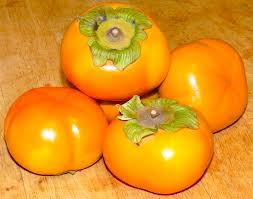 ‘Fuyu’, also referred to as Fuyugaki, is typically the most popular non-astringent tree in Florida. This particular fruit is smaller, more gratifying, and similar in color, yet appearing like a squashed tomato, and is also delicious whilst still firm. The fruit is seedless and is also great for fresh consuming or even cooking. The Fuyu ripens in November and is as fairly sweet and also crisp just as one apple. They’re well-known for their “flat” bottoms and also squat shape structures. It ripes just after being picked from the tree, therefore buying rock-hard fungus and also allowing them to ripen in your own home could be an excellent technique. Frequently consumed as raw, utilized in a salad, and also have a moderate pumpkin taste.
2. Hachiya Persimmons
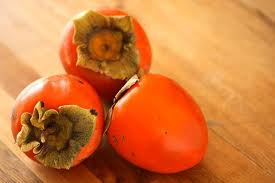 Hachiya persimmons fruits are generally mouth-puckeringly sharp until completely mature. Ripe Hachiyas are incredibly gentle – and therefore are regularly melted like a silky smooth pulp inside. They’re extended as well as in oval form. It’ll mature as soon as selected so that you can keep it on the kitchen counter to utilize. This kind of persimmon comprises roughly 90 % of the accessible fruit. It really is recognizable by its acorn-like shape. This particular persimmon is sour till it will become soft ripe.
3. Among (Yemon)
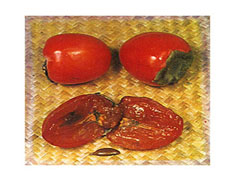 Among (Yemon) persimmon fruits within the season between the month of September to November. This particular fruit is oblate in shape on four sides. Among (Yemon) persimmon fruit ranges 2 1/4 in (5.7 cm) in length and 3 1/4 in (8.25 cm) in broad. The fruit will become fairly sweet after when it will become soften. The fruit might be seedless or even along with few seeds and therefore are dark in color round the seeds. Among (Yemon) persimmon fruit requires a subtropical to mild-temperate climate to grow.
4. Tsuru-No-Ko(Stork Egg)
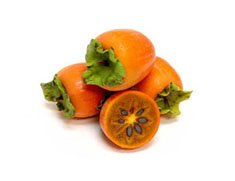 Chocolate Persimmons – it really is a Japanese variety with a bright red orange-colored skin that is occasionally diamond-shaped with a tiny black patch at the very top. A tiny amount of alcohol exhibited from the seeds leads to tannins within the flesh clumping together and reducing the astringency. This particular fruit turns the pulp into brown color by providing the nickname called “chocolate”. The flesh is a red and brown colored, pertains fairly sweet consistency and also hot and spicy, rich as well as fragile whenever its ripes.
5. Maru Persimmons
 Maru Persimmons are pretty, circular, and also oblong in form along with reddish-orange skin and also contains cinnamon-colored flesh and in addition, it appears like an Orange fruit. This particular fruit could be ingested whenever textures are approximately ripen. This sort of fruit is mild and crunchy consistency in comparison to the tsurunoko fruit. Juicy, with a spicy taste that hints of coffee and cinnamon.
Traditional uses
- Ripe fruits are used to treat constipation and hemorrhoids.
- The cooked one is used for treating diarrhea.
- Dried ripe fruit is used for treating bronchial complaints.
- The grounded powder is useful for dry coughs.
- Juice extracted from unripe fruit is used as a cure for hypertension.
- The peduncle is helpful for treating hiccups and coughs.
- Hiccups could also be treated with calyx.
- Juice extracted from unripe fruit is used to reduce blood pressure and the stem of the fruit provides relief from cough.
Precautions
- Persimmon could rarely cause lumps or bezoars that block the digestive tract.
- People with digestive problems should consume it in small quantities.
- The seeds of persimmon cause vomiting and dizziness.
- Not to be consumed on an empty stomach because it contains high content of tannin, this could result in diarrhea.
- Allergic people should not consume it.
- Use in limited quantities for children.
How to Eat
- Ripe fruit is consumed fresh or added to salads.
- It is fried or stewed like a vegetable.
- Mix the flesh to other fruits in salads.
- Season the flesh with lemon juice or lime and serve it as dessert.
- Stewed the flesh in syrup.
- Fry, the flesh cut into strips in butter and serve it with sausage, ham, or other spicy meat.
- It could be processed into jams and ice creams.
- In California, Israel, and China, fruits are dried and consumed as an energy snack.
- Fruits are made into wine, cider, and molasses.
- Fruits are also used to make cakes, pies, desserts, and bread.
- Leaves are used to enhance the flavor of pickled radishes.
- Roasted seeds are used as a substitute for coffee.
- The flesh is used in syrups, marmalades, and puddings.
- Leaves are used to make teas.
Other Facts
- In the Philippines, woods are used to make handicrafts, musical instruments, veneer, exterior work, and special furniture.
- Pulp is used in cosmetics for making face packs due to its firming qualities.
- Fuyu and Hachiya are the two types of persimmons available commercially.
- Persimmons belong to the berry family and are originated from China.
- Some persimmon is seedless and flowers of these types do not require to be pollinated for producing fruit.
- In wild, Persimmon could live up to 75 years.
References





