
RX Patient Tools
Use these quick guides before reading the article, or return to them when you need help preparing questions for a doctor.
What Should You Eat During a Crohn’s Disease Flare-up/Crohn’s disease is a chronic long-term type condition of inflammatory bowel disease that may affect any part of the gastrointestinal tract from mouth to anus. It causes infection, or irritation, often causing pain, swelling, heat, or redness. সহজ বাংলা: শরীরের প্রদাহ; ব্যথা, ফোলা বা লালভাব হতে পারে।" data-rx-term="inflammation" data-rx-definition="Inflammation is the body’s response to injury, infection, or irritation, often causing pain, swelling, heat, or redness. সহজ বাংলা: শরীরের প্রদাহ; ব্যথা, ফোলা বা লালভাব হতে পারে।">inflammation of your digestive tract, which can lead to abdominal pain, severe diarrhea, fatigue, weight loss, and malnutrition. Crohn’s disease, also called ileitis or enteritis, can affect any part of the gut, from the mouth all the way down to the anal.
Crohn disease (CD) and ulcerative colitis (UC) are two conditions commonly referred to as inflammatory bowel disease (IBD). They are immunologically mediated inflammatory diseases of the gastrointestinal tract. In CD, the infection, or irritation, often causing pain, swelling, heat, or redness. সহজ বাংলা: শরীরের প্রদাহ; ব্যথা, ফোলা বা লালভাব হতে পারে।" data-rx-term="inflammation" data-rx-definition="Inflammation is the body’s response to injury, infection, or irritation, often causing pain, swelling, heat, or redness. সহজ বাংলা: শরীরের প্রদাহ; ব্যথা, ফোলা বা লালভাব হতে পারে।">inflammation extends through the entire thickness of the bowel wall from the mucosa to the serosa. The disease runs a relapsing and remitting course. With multiple relapses, the CD can progress from an initially mild to moderate inflammatory conditions to severe penetrating (fistulization) and/or stricturing disease.[rx][rx][rx][rx]
Types of Crohn’s Disease
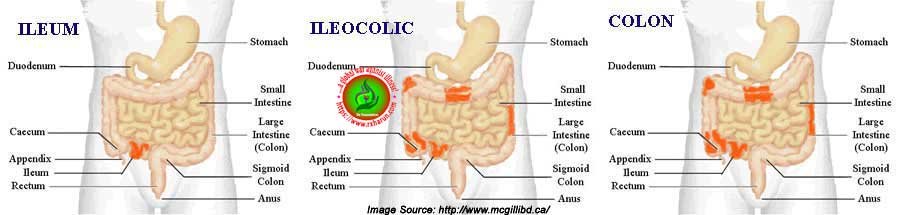
The following are five types of Crohn’s disease,
Ileocolitis
- The most common form of Crohn’s, ileocolitis affects the end of the small intestine (the ileum) and the large intestine (the colon). Symptoms include diarrhea and cramping or pain in the right lower part or middle of the abdomen. This type is often accompanied by significant weight loss.
Ileitis
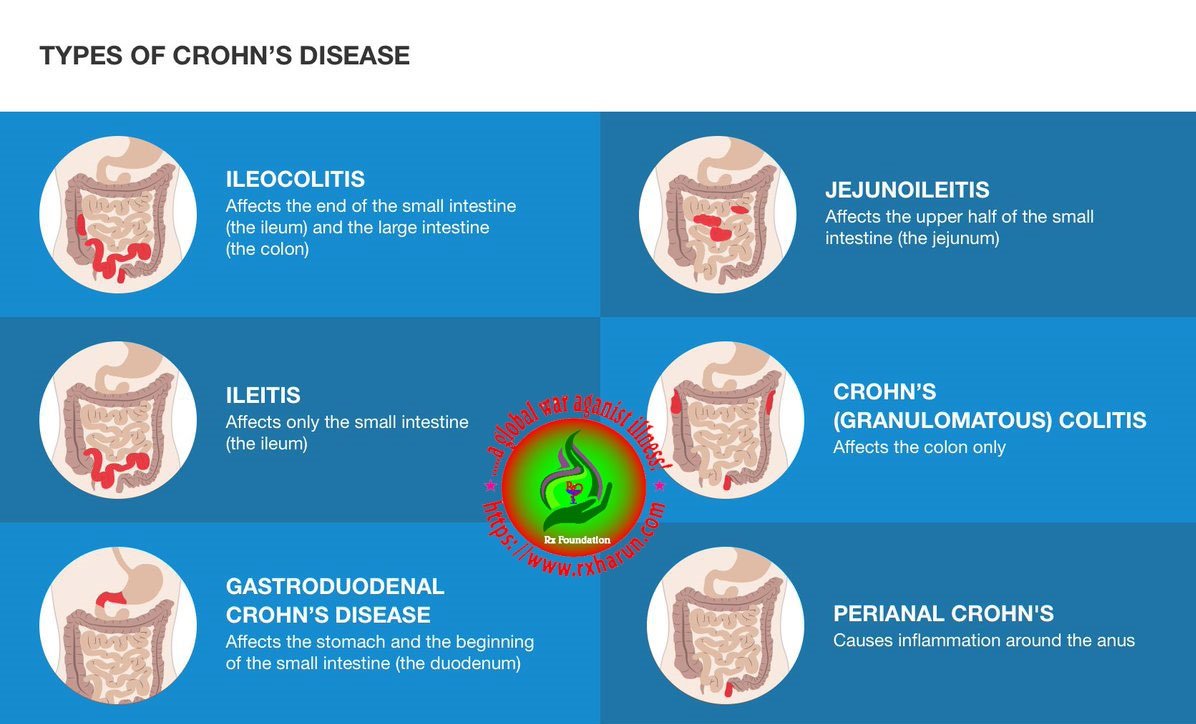
- This type affects only the ileum. Symptoms are the same as ileocolitis. In severe cases, complications may include fistulas or inflammatory abscess in the right lower quadrant of the abdomen.
Gastroduodenal Crohn’s disease
- This type affects the stomach and the beginning of the small intestine(the duodenum). Symptoms include loss of appetite, weight loss, nausea, and vomiting.
Jejunoileitis
- This type is characterized by patchy areas of infection, or irritation, often causing pain, swelling, heat, or redness. সহজ বাংলা: শরীরের প্রদাহ; ব্যথা, ফোলা বা লালভাব হতে পারে।" data-rx-term="inflammation" data-rx-definition="Inflammation is the body’s response to injury, infection, or irritation, often causing pain, swelling, heat, or redness. সহজ বাংলা: শরীরের প্রদাহ; ব্যথা, ফোলা বা লালভাব হতে পারে।">inflammation in the upper half of the small intestine (the jejunum). Symptoms include mild to intense abdominal pain and cramps following meals, as well as diarrhea. In severe cases or after prolonged periods, fistulas may form.
Crohn’s (granulomatous) colitis
- This type affects the colon only. Symptoms include diarrhea, rectal bleeding, and disease around the anus (abscess, fistulas, ulcers). Skin lesions and joint pains are more common in this form of Crohn’s than in others.
Causes of Crohn’s Disease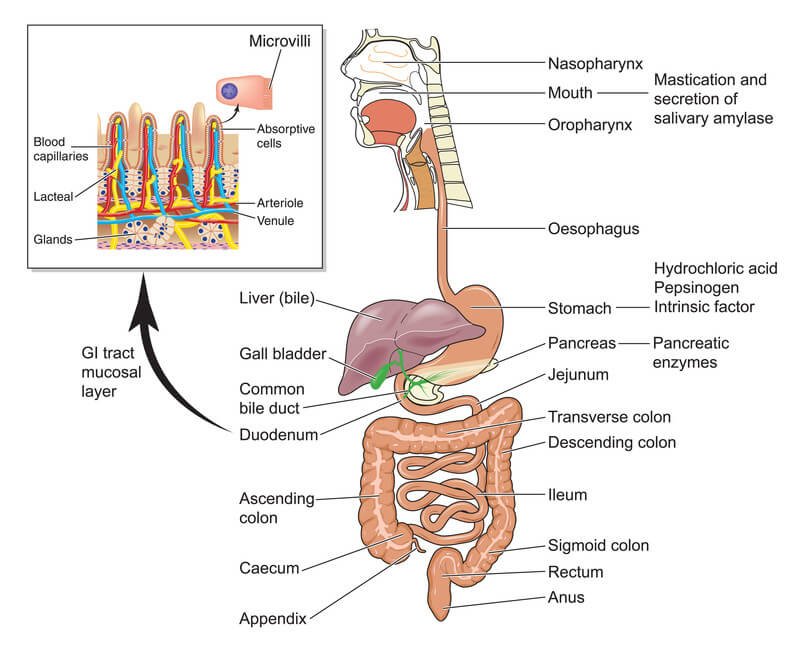
- Immune system – It’s possible that a virus or bacterium may trigger Crohn’s disease. When your immune system tries to fight off the invading microorganism, an abnormal immune response causes the immune system to attack the cells in the digestive tract, too.
- Heredity – Crohn’s is more common in people who have family members with the disease, so genes may play a role in making people more susceptible. However, most people with Crohn’s disease don’t have a family history of the disease.
- Age – Crohn’s disease can occur at any age, but you’re likely to develop the condition when you’re young. Most people who develop Crohn’s disease are diagnosed before they’re around 30 years old.
- Ethnicity – Although Crohn’s disease can affect any ethnic group, whites and people of Eastern European Jewish descent have the highest risk. However, the incidence of Crohn’s disease is increasing among blacks who live in North America and the United Kingdom.
- Family history – You’re at higher risk if you have a close relative, such as a parent, sibling or child, with the disease. As many as 1 in 5 people with Crohn’s disease has a family member with the disease.
- Cigarette smoking – Cigarette smoking is the most important controllable risk factor for developing Crohn’s disease. Smoking also leads to more severe disease and a greater risk of having surgery. If you smoke, it’s important to stop.
- Nonsteroidal anti-inflammatory medications – These include ibuprofen, naproxen sodium, diclofenac sodium, and others. While they do not cause Crohn’s disease, they can lead to inflammation of the bowel that makes Crohn’s disease worse.

Foods that may cause problems include
- Fatty or fried foods
- genetic factors
- The individual’s immune system
- Smoking
- Previous infection
- Environmental factors
- Spicy foods
- Dairy
- High-fiber foods
- Raw or dried fruit and vegetables
- Seeds
- Nuts
Symptoms of Crohn’s Disease
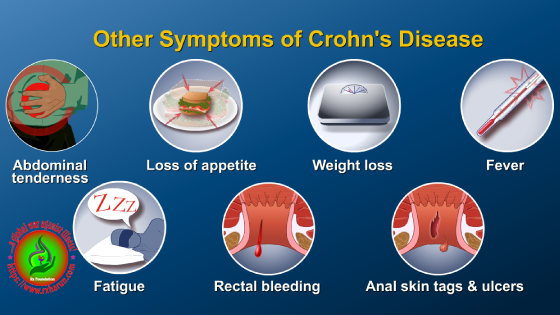
- Ulcers are raw areas in the gut that may bleed. If they do bleed, the patient might notice blood in their stools.
- Mouth ulcers – these are a common symptom.
- Diarrhea – that can be range from mild to severe. Sometimes there may be mucus, blood, or pus. The patient may get the urge to go but find nothing comes out.
- Fatigue – individuals often feel extremely tired. Fever is also possible during fatigue.
- Altered appetite– may be the time when the appetite is very low.
- Inflammation of the skin, eyes, and joints
- infection, or irritation, often causing pain, swelling, heat, or redness. সহজ বাংলা: শরীরের প্রদাহ; ব্যথা, ফোলা বা লালভাব হতে পারে।" data-rx-term="inflammation" data-rx-definition="Inflammation is the body’s response to injury, infection, or irritation, often causing pain, swelling, heat, or redness. সহজ বাংলা: শরীরের প্রদাহ; ব্যথা, ফোলা বা লালভাব হতে পারে।">Inflammation of the liver or bile ducts
- Abdominal pain and cramping
- Blood in your stool
- Mouth sores
- Reduced appetite and weight loss
- Pain or drainage near or around the anus due to infection, or irritation, often causing pain, swelling, heat, or redness. সহজ বাংলা: শরীরের প্রদাহ; ব্যথা, ফোলা বা লালভাব হতে পারে।" data-rx-term="inflammation" data-rx-definition="Inflammation is the body’s response to injury, infection, or irritation, often causing pain, swelling, heat, or redness. সহজ বাংলা: শরীরের প্রদাহ; ব্যথা, ফোলা বা লালভাব হতে পারে।">inflammation from a tunnel into the skin
- Anemia due to – loss of blood can lead to anemia.
- Rectal bleeding and anal fissures – the skin of the anus become cracked, leading to pain and bleeding.
- Persistent Diarrhea
- Rectal bleeding
- Urgent need to move bowels
- Abdominal cramps and pain
- The sensation of incomplete evacuation
- Constipation (can lead to bowel obstruction)
- uveitis (eye infection, or irritation, often causing pain, swelling, heat, or redness. সহজ বাংলা: শরীরের প্রদাহ; ব্যথা, ফোলা বা লালভাব হতে পারে।" data-rx-term="inflammation" data-rx-definition="Inflammation is the body’s response to injury, infection, or irritation, often causing pain, swelling, heat, or redness. সহজ বাংলা: শরীরের প্রদাহ; ব্যথা, ফোলা বা লালভাব হতে পারে।">inflammation)
- skin rash and inflammation
- liver or bile duct infection, or irritation, often causing pain, swelling, heat, or redness. সহজ বাংলা: শরীরের প্রদাহ; ব্যথা, ফোলা বা লালভাব হতে পারে।" data-rx-term="inflammation" data-rx-definition="Inflammation is the body’s response to injury, infection, or irritation, often causing pain, swelling, heat, or redness. সহজ বাংলা: শরীরের প্রদাহ; ব্যথা, ফোলা বা লালভাব হতে পারে।">inflammation
- delayed growth or sexual development, in children
- Fever
- Loss of appetite
- Weight Loss
- Night Sweats
Diagnosis of Crohn’s Disease
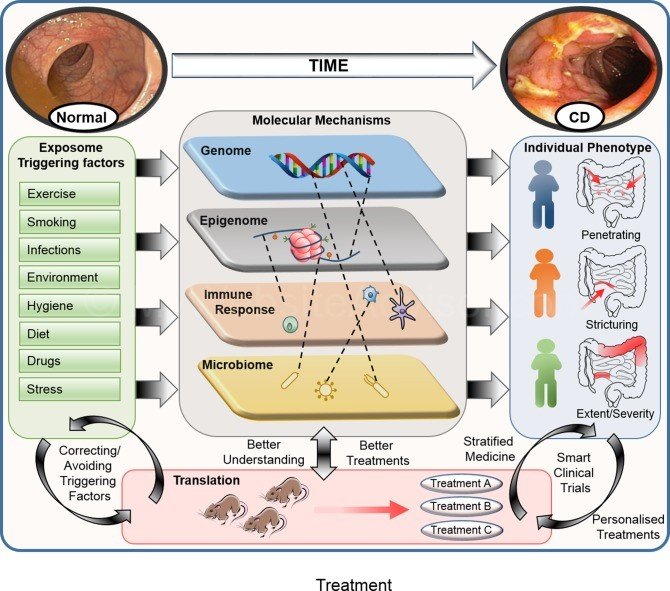
Crohn’s disease is a chronic inflammatory condition affecting the gastrointestinal tract at any point from the mouth to the rectum. Patients may experience diarrhea, abdominal pain, fever, weight loss, abdominal masses, and anemia. Extraintestinal manifestations of Crohn’s disease include osteoporosis, inflammatory arthropathies, scleritis, nephrolithiasis, cholelithiasis, and erythema nodosum. Acute phase reactants, such as C-reactive protein level and erythrocyte sedimentation rate, are often increased with inflammation and may correlate with disease activity. Levels of vitamin B12, folate, albumin, prealbumin, and vitamin D can help assess nutritional status. Colonoscopy with ileoscopy, capsule endoscopy, computed tomography enterography, and small bowel follow-through are often used to diagnose Crohn’s disease. Ultrasonography, computed axial tomography, scintigraphy, and magnetic resonance imaging can assess for extraintestinal manifestations or complications (e.g., abscess, perforation). [rx]
[stextbox id=’info’]
| Ulcerative colitis | Crohn’s disease | |
| Epidemiology | ||
| Sex ratio (M:F) | 1:1 | 2:1 |
| Nicotine | Can prevent disease* | Precipitates disease & episodes |
| Genetic components | Yes, but less than in Crohn’s disease | Yes |
| Clinical manifestations | ||
| Hematochezia | Common | Rare |
| Blood and mucus per rectum | Common | Rare |
| Small bowel involvement | No (except in “backwash ileitis”) | Yes |
| Upper GI tract involvement | No | Yes |
| Abdominal mass | Rare | Sometimes in the right lower quadrant |
| Extra-intestinal manifestations | Common | Common |
| Small bowel ileus | Rare | Common |
| Colonic obstruction | Rare | Common |
| Perianal fistulae | No | Common |
| Biochemical findings | ||
| ANCA-positive | Common | Rare |
| ASCA-positive | Rare | Common |
| Histopathology | ||
| Transmural mucosal inflammation | No | Yes |
| Abnormal crypt architecture | Yes | Unusual |
| Cryptitis and crypt abscesses | Yes | Yes |
| Granulomata | No | Yes, but rare in mucosal biopsies of the bowel |
| Fissures or so-called skip lesions | Rare | Common |
* But not in the pharmacological sense; therapeutic studies negative.
GI, gastrointestinal; ANCA, anti-neutrophilic cytoplasmic antibodies; ASCA, anti-Saccharomyces cerevisiae antibodies.
[/stextbox]
History and Physical
Patients with flare-ups of Crohn’s disease typically presents with abdominal pain (right lower quadrant), flatulence/bloating, diarrhea (can include mucus and blood), fever, weight loss, anemia.
In severe cases, perianal abscess, perianal Crohn’s disease, and cutaneous fistulas can be seen.
Crohn’s disease is associated with extraintestinal manifestations including episcleritis, uveitis, stomatitis, aphthous ulcers, liver steatosis, gallstones, cholangitis, primary sclerosing cholangitis, nephrolithiasis, hydronephrosis, urinary tract infections, arthritis (spine – sacral, knee, ankles, hips, wrist, elbows), ankylosing spondylitis, erythema nodosum, and pyoderma gangrenosum.
- Medical history – Start of symptoms; blood or mucus, or both, in stool; cramps incontinence; nocturnal diarrhea; travel and dietary history; recent intestinal infections; non-steroidal anti-inflammatory drug use; appendicectomy status; active or passive smoking; family history of Crohn’s disease or inflammatory bowel disease; recent gastroenteritis. Screen for extraintestinal symptoms.
- Physical examination – Heart rate, blood pressure, weight, height, body mass index, abdominal examination, perianal inspection for fistulas, digital-rectal examination, look for extraintestinal symptoms (in the eyes, skin, joints, and muscles).[rx]
- Laboratory studies – Electrolytes, blood urea nitrogen, creatinine, complete blood count with differential, erythrocyte sedimentation rate, liver function tests, bilirubin, transferrin, ferritin, vitamin B12, folic acid, urine strip. C-reactive protein, fecal calprotectin.
- Microbial studies – Stool cultures. Clostridium difficile.
- Pathology and histology – At least two biopsy samples from at least five segments including the ileum. Inflammatory cell infiltrate (lymphocytes, plasma cells) with focal crypt irregularity and independent granulomas.
- Blood protein levels
- Blood sedimentation rates
- Body mineral levelsBarium X-ray
- Red blood cell counts
- Stool samples to check for blood or infectious microbes
- White blood cell counts
- Blood tests – The doctor will look for signs of anemia, or a high white blood cell count, which will mean that there is inflammation or an infection somewhere in the body.
- Barium enema or small bowel series) – X-rays – are taken of either the upper or lower intestine. Barium coats the lining of the small intestine and colon and shows up as white on an X-ray, which allows the doctor to see any abnormalities.
- Colonoscopy or sigmoidoscopy – A flexible, lighted tube is inserted into the rectum to view the inside of the rectum and colon. Colonoscopy shows a greater
- Enteroclysis – This is a more invasive, complex diagnostic procedure. However, it is more sensitive at detecting certain abnormalities. You may be sedated and the doctor will pass a tube through your nose and into your gastrointestinal tract. It is similar to a double-contrast barium enema.
- Flexible Sigmoidoscopy – Two common endoscopic procedures for diagnosing Crohn’s disease are a flexible sigmoidoscopy and a colonoscopy. A flexible sigmoidoscopy examines the rectum and lower colon. A sigmoidoscope is a specialized endoscope that is a thin, flexible lighted tube that your doctor inserts inside you to see the affected area.
- Tests for anemia or infection – Your doctor may suggest blood tests to check for anemia — a condition in which there aren’t enough red blood cells to carry adequate oxygen to your tissues — or to check for signs of infection.
- Fecal occult blood test – You may need to provide a stool sample so that your doctor can test for hidden (occult) blood in your stool.
- Colonoscopy – This test allows your doctor to view your entire colon and at the very end of your ileum using a thin, flexible, lighted tube with an attached camera. During the procedure, your doctor can also take small samples of tissue for laboratory analysis, which may help confirm a diagnosis.
- Computerized tomography
- Magnetic resonance imaging (MRI) – An MRI scanner uses a magnetic field and radio waves to create detailed images of organs and tissues.
- Capsule endoscopy – For this test, you swallow a capsule that has a camera in it. The camera takes pictures of your small intestine, which are transmitted to a recorder you wear on your belt. The images are then downloaded to a computer, displayed on a monitor and checked for signs of Crohn’s disease.
- Balloon-assisted enteroscopy – For this test, a scope is used in conjunction with a device called an overture. This enables the doctor to look further into the small bowel where standard endoscopes don’t reach. This technique is useful when capsule endoscopy shows abnormalities, but the diagnosis is still in question.[rx]
[stextbox id=’info’]
Comparison of key features in Crohn’s disease and ulcerative colitis
| Key features | Crohn’s disease | Ulcerative colitis |
|---|---|---|
| Location | ||
| Upper parts of GIT | Rarely | Never |
| Distal ileum | Very common | Never |
| Colon | Common | Always |
| Rectum | Rarely | Never |
| Signs and symptoms | Pain in the lower right abdomen, swelling, thickening of the bowel wall | Pain in the lower left abdomen, diarrhea, weight loss, rectal bleeding |
Abbreviation: GIT, gastrointestinal tract.
[/stextbox]
Treatment of Crohn’s Disease
The medical treatment is broadly grouped into two classes
- Mild to moderate disease – can be treated by oral mesalamine, immunomodulators such as thiopurines (mercaptopurines, azathioprine), methotrexate, and steroids.
- Moderate to severe disease – (including fistulizing disease) will be best treated using a combination of immunomodulators and biologics (infliximab, adalimumab, golimumab, vedolizumab) or biologics alone.
-
Antibiotics – may be used when infections—such as abscesses—occur in Crohn’s disease. They can also be helpful with fistulas around the anal canal and vagina. Antibiotics used to treat bacterial infection in the GI tract include metronidazole, ampicillin, ciprofloxacin, fistulas, strictures, or prior surgery may cause bacterial overgrowth. Doctors will generally treat this by prescribing ampicillin, sulfonamide, cephalosporin, tetracycline, or metronidazole others.[5]
-
Anti-inflammation drugs – the doctor will most likely start with mesalamine (Sulfasalazine), which helps control inflammation.
-
Corticosteroids – Prednisone and methylprednisolone help treat the inflammation in moderate or severe Crohn’s disease by helping to suppress the body’s immune system. Because they can trigger both short- and long-term effects, people shouldn’t use them continuously.
-
Immunosuppressant drugs – these drugs reduce the patient’s immune response. The doctor may prescribe 6-mercaptopurine or a related drug, azathioprine. Side effects include vomiting, nausea, and a weaker resistance to infection.
-
Cyclosporine for treatment of active Crohn’s disease – The results of this review demonstrate that low dose oral cyclosporine is not effective for the treatment of active Crohn’s disease. Studies indicate that Crohn’s patients treated with a low dose (5 mg/kg/day) oral cyclosporine could experience side effects including kidney problems. Therefore the use of this medication for the treatment of chronic active Crohn’s disease is not advisable. Higher oral doses and injections of cyclosporine have not been sufficiently evaluated. Larger doses of cyclosporine are not likely to be useful for the long‐term management of Crohn’s disease due to the risk of kidney damage and the availability of other proven medications.
-
Thalidomide for induction of remission in Crohn’s disease – Crohn’s disease is a chronic inflammatory disorder of the bowel. Thalidomide may help to reduce inflammation in the gut and might be effective for the treatment of Crohn’s disease. One randomized controlled trial on the use of thalidomide for the treatment of active Crohn’s disease (and ulcerative colitis) in children is in progress and should be completed in 2011.
-
One randomized controlled trial using lenalidomide – a drug similar to thalidomide, was identified. This relatively small but well-designed study did not demonstrate a benefit for lenalidomide treatment of active Crohn’s disease. Patients treated with high dose lenalidomide (25 mg/day) were more likely than patients receiving placebo (fake drug) to experience side effects. Side effects in the study included a headache, rash, and nausea. Known side effects of thalidomide include severe birth defects. The use of thalidomide or lenalidomide for the treatment of active Crohn’s disease is not recommended.
-
Interleukin 10 (IL‐10) for induction of remission in Crohn’s disease – Crohn’s disease is an inflammatory condition of unknown origin that can affect any portion of the gastrointestinal
-
Mercaptopurine & Azathioprine – shown here in tablet form, is a first line steroid-sparing immunosuppressant
-
Azathioprine and 6-mercaptopurine (6-MP) – are the most commonly used immunosuppressants for maintenance therapy of Crohn’s disease. They are purine anti-metabolites, meaning that they interfere with the synthesis of purines required for inflammatory cells. They have a duration of action of months (slow-acting). Both drugs are dosed at 1.5 to 2.5 mg/kg, with literature supporting the use of higher doses.
-
Aminosalicylates (5-ASA) – Usually prescribed for people with a mild or moderate type of Crohn’s, these medications—which include sulfasalazine, mesalamine, olsalazine, and balsalazide— work by decreasing inflammation in the lining of the GI tract. Although they aren’t specifically approved by the Food and Drug Administration (FDA) to treat Crohn’s, they can help prevent a flare-up, according to the Crohn’s & Colitis Foundation.
-
Immunomodulators – If aminosalicylates and corticosteroids haven’t helped quell the inflammation, doctors may prescribe immunomodulators, including 6-mercaptopurine (6-MP), azathioprine, cyclosporine, and methotrexate. These medications also work by suppressing the immune system and may take several weeks or months to start working.
-
Biologics – For people who haven’t responded to other forms of Crohn’s disease treatment, doctors may prescribe newer medications called biologics, which target certain inflammation-causing proteins in the body. These drugs include certolizumab, & are following
-
Adalimumab – Adalimumab, like infliximab, is an antibody that targets tumor necrosis factor. It has been shown to reduce the signs and symptoms of and is approved for the treatment of, moderate to severe Crohn’s disease in adults who have not responded well to conventional treatments and who have lost response to or are unable to tolerate infliximab
-
Natalizumab – Natalizumab is an anti-integrin monoclonal antibody that has shown utility as induction and maintenance treatment for moderate to severe Crohn’s disease. Natalizumab may be appropriate in patients who do not respond to medications that block tumor necrosis factor-alpha, such as infliximab.
-
Ustekinumab – Ustekinumab is a monoclonal antibody that suppresses cytokines IL-12 and IL-23. Originally designed to treat psoriasis, Ustekinumab was FDA approved for the treatment of Crohn’s Disease in 2016. Evidence from four quality randomized control trials suggest that Ustekinumab is effective for induction of clinical remission and clinical improvement in patients with moderate to severe Crohn’s Disease
- Infliximab – Infliximab is a mouse-human chimeric antibody that targets tumor necrosis factor alpha (TNFα), a cytokine in the inflammatory response. It is a monoclonal antibody that inhibits the pro-inflammatory cytokine TNFα. It is administered intravenously and dosed per weight starting at 5 mg/kg and increasing according to the character of the disease.
- Aminosalicylates – 5-ASA compounds, such as mesalazine and sulfasalazine, have shown to be of very little efficacy in the treatment of Crohn’s disease, either for induction or for maintenance of remission. Current guidelines do not advise the use of 5-ASA compounds in Crohn’s disease.
- Disease-modifying agents – such as and adalimumab are used in the treatment of active moderate-to-severe Crohn’s disease that has not responded to other medications. These medications act by disrupting the inflammatory process. Their use is somewhat restricted because they are expensive.
- Small bowel resection – People with severe Crohn’s or those who develop an obstruction in the small intestine (from, for example, the accumulation of scar tissue) may need to undergo small bowel resection surgery to remove part of the intestine.
- Anti-diarrheal and fluid replacements – when the inflammation subsides, diarrhea usually becomes less of a problem. However, sometimes the patient may need something for diarrhea and abdominal pain.
- Methotrexate – is a folate anti-metabolite drug that is also used for chemotherapy. It is useful in the maintenance of remission for those no longer taking corticosteroids.
- Thalidomide – has shown efficacy in reversing endoscopic evidence of disease.
- Cannabis – may be used to treat Crohn’s disease because of its anti-inflammatory properties. Cannabis and cannabis-derived drugs may also help to heal the gut lining and may reduce the need for surgery and other medications.
- Non-steroidal anti-inflammatory drugs (NSAIDs) – such as ibuprofen and naproxen, can cause flares of inflammatory bowel disease in approximately 25% of patients. These flares tend to occur within one week after starting regular use of the NSAID.
- Iron supplements – If you have chronic intestinal bleeding, you may develop iron deficiency anemia and need to take iron supplements.
- Vitamin B-12 shots – Crohn’s disease can cause vitamin B-12 deficiency. Vitamin B-12 helps prevent anemia, promotes normal growth and development, and is essential for proper nerve function.
- Calcium and vitamin D supplements – Crohn’s disease and steroids used to treat it can increase your risk of osteoporosis, so you may need to take a calcium supplement with added vitamin D.
- Consider multivitamins – Because Crohn’s disease can interfere with your ability to absorb nutrients and because your diet may be limited, multivitamin and mineral supplements are often helpful. Check with your doctor before taking any vitamins or supplements.
- Helminthic therapy – In an experimental idea called helminthic therapy, moderate hookworm infections have been demonstrated to have beneficial effects on hosts suffering from diseases linked to overactive immune systems. This may be explained by the hygiene hypothesis. Hookworm therapy is currently in the trial stage at the University of Nottingham. Due to the unconventional nature of this therapy, it is not widely used.
- In contrast – acetaminophen (paracetamol) and aspirin appear to be safe. Celecoxib, a cox-2 inhibitor, also appears to be safe, at least in short-term studies of patients in remission and on medication for their Crohn’s disease.
Surgical Management
- The majority of patients diagnosed with CD will have a surgical resection within 10 years of their diagnosis [rx]. Surgical treatment is required for failed medical therapy, recurrent intestinal obstruction, malnutrition and for septic complications such as perforations and abscesses.
- It has a role in limiting other complications including complex perianal disease and internal fistulas [rx] as well as improving quality of life.
- However, the underlying pathology still persists resulting in high recurrence of disease, ranging from 28 to 45% at 5 years and 36 to 61% at 10 years [rx]. Surgical admissions account for more than half of all hospitalizations and account for almost 40% of total financial costs to patients [rx].
- Laparoscopy has been widely accepted in gastrointestinal surgery over open surgery in CD [rx]. Whilst laparoscopy offers certain advantages of smaller abdominal wounds, lower risk of a hernia and decreased rate of small bowel obstruction, there are concerns that occult segments of disease and severe strictures can be missed due to limited tactile ability [rx].
- However, a meta-analysis on perioperative complications and long-term outcomes between open surgery and laparoscopic surgery found a nonsignificant difference in rate of surgical recurrence and a decreased risk of perioperative complications in the laparoscopic group compared to the open surgery group (12% to 18%, RR = 0.71 CI = 0.58–0.86, p = 0.001) [rx]. The overall cost including hospital stay costs and costs associated with lost working days between laparoscopic-assisted bowel resection and open surgery was no different [rx].
The lifestyle of Crohn’s Disease
- Smoking – Smoking increase the risk of developing Crohn’s disease and can make it worse in people who already have the disease. Stopping smoking can benefit the overall digestive tract health and may provide other health benefits.
- Stress – Stress can worsen the symptoms of Crohn’s disease and may trigger flare-ups. Although it is not always possible to avoid stress, it can be managed through exercise, relaxation techniques, and breathing exercises.
- Herbal – Boswellia is an Ayurvedic herb, used as a natural alternative to drugs. One study has found that the effectiveness of H-15 extract is not inferior to mesalazine- “Considering both safety and efficacy of Boswellia serrata extract H15, it appears to be superior over mesalazine in terms of a benefit-risk-evaluation
- Diet – Crohn’s disease present in the small intestine can impair the digestion and absorption of essential nutrients from food passing through the digestive tract. During flare-ups, many people also try to avoid eating in order to prevent further symptoms. The resulting malnutrition worsens the tiredness and fatigue and can eventually lead to weight loss.
- Herbal supplements – The majority of alternative therapies aren’t regulated by the Food and Drug Administration. Manufacturers can claim that their therapies are safe and effective but don’t need to prove it. What’s more, even natural herbs and supplements can have side effects and cause dangerous interactions. Tell your doctor if you decide to try any herbal supplement.
- Acupuncture – Acupuncture is used to treat inflammatory bowel disease in China and is being used more frequently in Western society. Evidence has been put forth suggesting that acupuncture can have benefits beyond the placebo effect, improving quality of life, general well-being and a small decrease in blood-bound inflammatory markers. This study, however, had a very small test set and did not reach the threshold for the benefit.
- Probiotics – There is some evidence to suggest that some Bifidobacterium preparations may help people with Crohn’s disease to maintain remission, but some studies have found no benefits for treating Crohn’s disease with probiotics. Further research is necessary to determine its effectiveness.
- Fish oil – Studies done on fish oil for the treatment of Crohn’s haven’t shown benefit.
- Acupuncture – Some people may find acupuncture or hypnosis helpful for the management of Crohn’s, but neither therapy has been well-studied for this use.
- Prebiotics – Unlike probiotics — which are beneficial live bacteria that you consume — prebiotics are natural compounds found in plants, such as artichokes, that help fuel beneficial intestinal bacteria. Studies have not shown positive results of prebiotics for people with Crohn’s disease.
- Exercise – Even mild exercise can help reduce stress, relieve depression and normalize bowel function. Talk to your doctor about an exercise plan that’s right for you.
- Biofeedback – This stress-reduction technique may help you reduce muscle tension and slow your heart rate with the help of a feedback machine. The goal is to help you enter a relaxed state so that you can cope more easily with stress.
- Regular relaxation and breathing exercises – One way to cope with stress is to regularly relax and use techniques such as deep, slow breathing to calm down. You can take classes in yoga and meditation or use books, CDs or DVDs at home.
- Drink plenty of liquids – Try to drink plenty of fluids daily. Water is the best. Alcohol and beverages that contain caffeine stimulate your intestines and can make diarrhea worse, while carbonated drinks frequently produce gas.
Nutrition supplements
Dietician input and nutritional supplementation are highly recommended before and during treatment of Crohn’s disease.[rx][rx][rx][rx]
Consider Limiting Potential Trigger Foods
Certain foods may cause increased cramping, bloating and diarrhea and you may have to temporarily limit these foods if you are in the midst of a more severe flare and/or have a stricture. Foods/nutrients that may trigger symptoms are:
- Insoluble Fiber Foods – Insoluble fiber is found in plant foods, including fruit with skin/seeds, raw green vegetables, especially cruciferous vegetables such as broccoli or cauliflower or anything with a peel, whole nuts, and whole grains
- Lactose – Lactose is a sugar found in dairy (i.e. milk, cream, soft cheeses)
- Non-absorbable Sugars – Sugar alcohols (sorbitol, mannitol) can be found in sugar-free gum, candy, ice cream, and certain types of fruits/juices such as pear, peach, and prune
- Sugary Foods – Pastries and juices
- High-Fat Foods – Butter, coconut, margarine, and cream, as well as food that is fatty, fried or greasy
- Alcohol or Caffeinated drinks – Beer, wine, liquor, sodas, and coffee
- Spicy Foods
Recommended Foods
- Refined grains – Sourdough, potato or gluten-free bread, white pasta, white rice, and oatmeal
- Low-fiber fruit – Bananas, cantaloupe, honeydew melon, and cooked fruits
- Fully cooked – seedless, skinless, non-cruciferous vegetables: Asparagus tips, cucumbers, and squash
- Lean sources of protein – Fish, white meat poultry, lean cuts of pork, soy, eggs, and firm tofu
- Lactose-Free Dairy – Lactose-free milk, yogurt, and hard cheese (cheddar, parmesan)
- Non-dairy alternatives – Soy, rice or almond milk
Food Preparation and Meal Planning Tips
- Eat four-six small meals daily.
- Stay hydrated by drinking at least eight-10 cups of fluids daily. Broth, tomato juice, and diluted sports drinks are options in addition to water. Drink slowly and avoid using a straw (which can cause ingestion of gas).
- Prepare meals in advance, and keep your home stocked with your safe foods.
- Use simple cooking techniques (boil, grill, steam, poach) to prepare nutritious, healing foods, including grilled filled, poached eggs, steamed veggies, and boiled and mashed potatoes.
- Keep a food journal to help keep track of what you eat and symptoms you may experience.
Complication
- Stricture – This is a narrowing of part of the gut (gastrointestinal tract). It is due to scar tissue that may form in the wall of an inflamed part of the gut. A stricture can cause difficulty in food passing through (an obstruction). This leads to pain and being sick (vomiting).
- Osteoporosis – weakening of the bones caused by the intestines not absorbing nutrients and the use of steroid medication to treat Crohn’s disease
- Iron deficiency anemia – a condition that can occur in people with Crohn’s disease because of bleeding in the digestive tract; common symptoms include tiredness, shortness of breath and a pale complexion
- Vitamin B12 or folate deficiency anemia – a condition caused by a lack of vitamin B12 or folate being absorbed by the body; common symptoms include tiredness and lack of energy
- Pyoderma gangrenosum – a rare skin reaction that causes painful skin ulcers
- Perforation – This is a small hole that forms in the wall of the gut. The contents of the gut can then leak out and cause infection or an abscess inside the tummy (abdomen). This can be serious and life-threatening.
- Fistula – This occurs when inflammation causes a channel to form between two parts of the body. For example, a fistula may form between a part of the small intestine and a part of the colon. Fistulas can also form between the part of the gut and the other organs such as the bladder or womb (uterus). The contents of the gut may then leak into these other organs. A perianal fistula sometimes develops. This is a fistula that goes from the anus or rectum and opens on to the skin near to the anus.
- Cancer – People with Crohn’s disease have a small increased risk of developing cancer of the colon compared with the risk of the general population.
- ‘Thinning’ of the bones – The increased risk of this is related to the poor absorption of food that occurs in some people with severe Crohn’s disease.
- Dehydration – diarrhea causes your body to lose fluid, which can lead to dehydration. Severe dehydration can damage your kidneys.
- Anemia – reduced iron in the diet combined with losing blood from the bowel can lead to anemia (the blood does not carry enough oxygen).
- Weight loss – reduced appetite and poor absorption of food nutrients can cause weight loss.
- Reduced growth (in children) – inadequate nutrition during childhood and adolescence can impair a child’s growth and physical development.
[stextbox id=’info’]
| Extra-intestinal manifestations | Associated autoimmune diseases | ||
| Musculoskeletal manifestations | Addison’s disease | ||
| – peripheral arthritis | Autoimmune hemolytic anemia | ||
| (type I: pauciarticular arthritis) | Idiopathic thrombocytopenic purpura (ITP) | ||
| (type II: polyarthritis) | Myasthenia gravis | ||
| – axial arthropathies | Multiple sclerosis | ||
| (ankylosing spondylitis/Bekhterev’s disease with sacroiliitis/enthesitis) | Systemic lupus erythematosus | ||
| Dermatological manifestations | Psoriasis | ||
| – pyoderma gangrenosum | Celiac sprue | ||
| – erythema nodosum | Polymyalgia rheumatica | ||
| Ocular manifestations | Asthma | ||
| – anterior/posterior uveitis | Thyroiditis | ||
| – episcleritis/scleritis | Autoimmune pancreatitis | ||
| Hepatobiliary manifestations | Pericarditis | ||
| – primary sclerosing cholangitis (PSC) | Nephritis | ||
| – autoimmune hepatitis (AIH) | Bronchitis | ||
| – overlap syndrome/autoimmune cholangitis | Diabetes mellitus type I | ||
[/stextbox]
Referances
- https://en.wikipedia.org/wiki/Crohn%27s_disease
- https://www.sciencedirect.com/science/article/pii/S0140673612600269
- https://www.sciencedaily.com/news/health_medicine/crohn’s_disease/
- https://books.google.com.bd/books/about/Crohn_s_Disease.html?id=DKFnCgAAQBAJ&redir_esc=y
- https://www.ncbi.nlm.nih.gov/pubmed/24424189
- https://www.ncbi.nlm.nih.gov/pubmed/18456695
- https://www.ncbi.nlm.nih.gov/pmc/articles/PMC4447044/
- https://www.ncbi.nlm.nih.gov/pubmed/28601423
- https://www.ncbi.nlm.nih.gov/pmc/articles/PMC2695363/
- https://www.ncbi.nlm.nih.gov/pmc/articles/PMC4853609/
- https://www.ncbi.nlm.nih.gov/books/NBK436021/
- https://www.ncbi.nlm.nih.gov/pmc/articles/PMC4106026/
- https://www.ncbi.nlm.nih.gov/pmc/articles/PMC4447044/
- https://www.ncbi.nlm.nih.gov/pubmedhealth/c/pmh_sr/?term=crohn%27s%20disease
- https://www.ncbi.nlm.nih.gov/pmc/articles/PMC4622286/
- https://books.google.com.bd/books/about/Crohn_s_Disease.html?id=YEQc8hJIrHgC&redir_esc=y


