

Post Ileal Appendix Dysfunction refers to problems arising in the appendix, a small pouch attached to the large intestine near where the small intestine ends, just after the ileum. Although traditionally known for its involvement in appendicitis, the appendix can have other disorders that cause significant discomfort and health problems.
This article aims to cover the anatomy, types, causes, symptoms, diagnostic tests, treatments, prevention, and more. It will be explained in simple, clear language so it can be easily understood and helpful for readers.
Anatomy of the Appendix
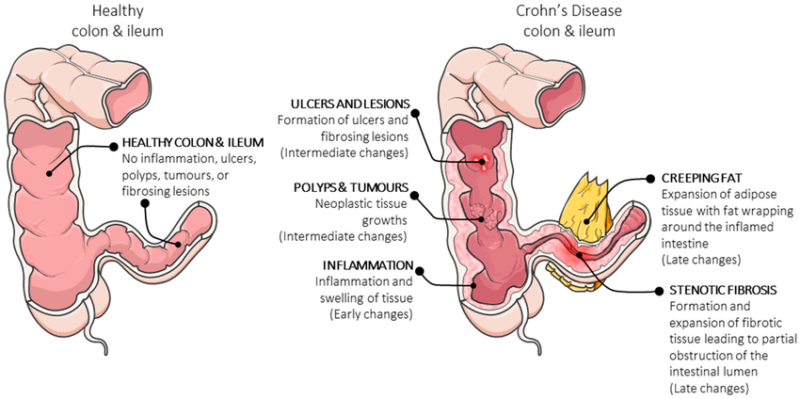
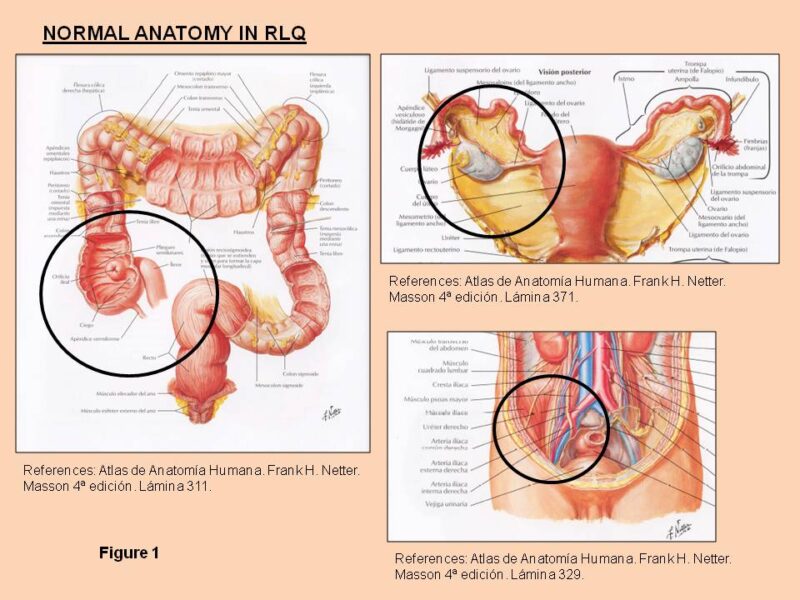
The appendix is a narrow, tube-shaped sac measuring about 3 to 4 inches in length. It is located in the lower right abdomen, at the junction of the small intestine (ileum) and large intestine (cecum). While its exact function is not entirely clear, it’s believed to play a role in the immune system during early life by storing beneficial bacteria.
Key anatomical features:
- Location: Attached to the cecum (beginning of the large intestine) after the ileum (last part of the small intestine).
- Size: Roughly 3-4 inches long and 0.5-1 inch wide.
- Function: Historically considered vestigial, recent studies suggest it may be involved in gut immunity and storing “good” bacteria.[rx]
Types of Post Ileal Appendix Dysfunction
Various types of appendix-related dysfunctions can occur after issues with the ileum or due to the appendix itself. These include:
- Appendicitis: Inflammation of the appendix, the most common problem.
- Chronic Appendicitis: Persistent low-grade inflammation.
- Perforated Appendix: A ruptured appendix leading to severe infection.
- Appendix Tumors: Rare, but possible, tumors in the appendix.
- Appendiceal Mucoceles: Mucus buildup in the appendix.
- Abscess Formation: A collection of pus in the appendix due to infection.
- Appendiceal Endometriosis: Endometrial tissue growing in the appendix.
- Appendix Cysts: Fluid-filled sacs forming on the appendix.
- Post-Surgical Adhesions: Scar tissue formation after appendix surgery.
- Appendix Intussusception: Rare condition where the appendix folds into itself.
Common Causes of Post Ileal Appendix Dysfunction
- Obstruction of the Appendix: A blockage can lead to inflammation.
- Infection: Bacterial or viral infections can cause appendix issues.
- Inflammatory Bowel Disease: Conditions like Crohn’s or ulcerative colitis.
- Foreign Objects: Rarely, swallowed objects can block the appendix.
- Fecaliths (Hard Stools): Hardened stool can obstruct the appendix.
- Tumors: Growths in or around the appendix.
- Lymphoid Hyperplasia: Swelling of lymphatic tissue in the appendix.
- Dietary Factors: Low fiber diets may contribute to appendix problems.
- Genetics: Family history of appendix problems may increase risk.
- Trauma: Physical injury to the abdominal area.
- Autoimmune Disorders: Misfiring of the immune system.
- Previous Infections: Past infections can trigger later dysfunction.
- Vascular Disorders: Poor blood flow to the appendix.
- Allergic Reactions: Severe allergies may indirectly affect the appendix.
- Appendix Tumors: Can block or cause dysfunction.
- Endometriosis: In females, tissue outside the uterus can spread to the appendix.
- Diverticulitis: Inflammation of other parts of the digestive tract.
- Pelvic Inflammatory Disease: Infections spreading to nearby organs.
- Parasitic Infections: Worms or parasites can cause blockages.
- Surgical Complications: Scar tissue formation from previous surgeries.
Common Symptoms of Post Ileal Appendix Dysfunction
- Abdominal Pain: Especially in the lower right abdomen.
- Nausea: Feeling sick to the stomach.
- Vomiting: Frequently accompanies abdominal pain.
- Loss of Appetite: You may not feel like eating.
- Fever: Often accompanies appendicitis or infection.
- Swelling: The abdomen may feel tender or swollen.
- Constipation: Difficulty passing stool.
- Diarrhea: Sometimes the opposite, loose or watery stools.
- Bloating: A feeling of fullness or tightness in the abdomen.
- Cramping: Stomach cramps can occur.
- Rebound Tenderness: Pain when pressing and then quickly releasing the lower right abdomen.
- Inability to Pass Gas: A sign of obstruction.
- General Malaise: Feeling generally unwell.
- Rapid Breathing: Breathing fast can happen with severe pain or infection.
- Increased Heart Rate: Rapid heartbeat due to infection or pain.
- Chills: Often accompany fever.
- Rigidity in Abdomen: The muscles in your belly may feel hard or tense.
- Pain Worsening with Movement: Pain may intensify when walking or coughing.
- Back Pain: Some people may experience discomfort in the lower back.
- Difficulty Urinating: Inflammation can spread, affecting urination.
Diagnostic Tests for Post Ileal Appendix Dysfunction
- Physical Exam: The doctor presses on your abdomen to check for pain.
- Blood Tests: To check for infection or inflammation.
- Urinalysis: To rule out a urinary tract infection.
- Abdominal Ultrasound: To visualize the appendix and surrounding organs.
- CT Scan: More detailed images of the appendix.
- MRI Scan: Used especially in pregnant women to avoid radiation.
- X-rays: To rule out other conditions like bowel obstruction.
- Laparoscopy: A small camera is inserted into the abdomen to view the appendix.
- CRP Test: Measures C-reactive protein levels, which rise during inflammation.
- Erythrocyte Sedimentation Rate (ESR): Another test for inflammation.
- Barium Enema: An X-ray with contrast dye to examine the intestines.
- Pelvic Exam: For women, to check for other causes of lower abdominal pain.
- Pregnancy Test: To rule out ectopic pregnancy in women.
- Stool Test: To check for blood or infection in the stool.
- Colonoscopy: In some cases, to view the large intestine.
- Capsule Endoscopy: Swallowing a small camera to examine the small intestine.
- Liver Function Test: To check if liver disease is involved.
- Electrolyte Panel: To check for dehydration or imbalances.
- Chest X-ray: Sometimes used to rule out pneumonia.
- Exploratory Surgery: If all else fails, surgery may be required to diagnose the issue.
Non-Pharmacological Treatments for Post Ileal Appendix Dysfunction
- Rest: Resting helps the body heal.
- Ice Packs: To reduce swelling and pain.
- Heat Therapy: For relief from muscle cramps or stiffness.
- Hydration: Drinking plenty of water helps flush out toxins.
- High-Fiber Diet: To prevent constipation.
- Low-Fat Diet: To reduce strain on the digestive system.
- Herbal Teas: Chamomile or peppermint can soothe the stomach.
- Probiotics: Promote gut health.
- Acupuncture: Helps manage pain.
- Massage Therapy: Gentle massage can relieve tension.
- Chiropractic Care: Realignment of the body may help with pain management.
- Aromatherapy: Essential oils like lavender can reduce stress and pain.
- Yoga: Gentle stretches help reduce pain.
- Breathing Exercises: To control pain and anxiety.
- Mindfulness Meditation: Helps manage stress.
- Cognitive Behavioral Therapy (CBT): To cope with chronic pain.
- Biofeedback: Monitors physiological responses to manage stress.
- Progressive Muscle Relaxation: Helps to relax the body.
- Electrotherapy: Devices like TENS units help control pain.
- Postural Correction: Improving posture may reduce abdominal pressure.
- Exercise: Light movement helps stimulate digestion.
- Walking: A gentle form of exercise to stimulate digestion.
- Sitz Bath: Warm water bath for the lower abdomen.
- Compression Garments: To reduce bloating.
- Avoiding Triggers: Keeping a food diary to avoid triggers.
- Sleep Hygiene: Proper sleep can aid recovery.
- Cleansing Diet: Short-term elimination of certain foods.
- Supplements: Such as omega-3 fatty acids for inflammation.
- Fiber Supplements: If diet alone doesn’t help.
- Posture Support Devices: To relieve abdominal pressure.
Drugs for Treating Post Ileal Appendix Dysfunction
- Antibiotics: Amoxicillin, Ciprofloxacin for infections.
- Pain Relievers: Acetaminophen or ibuprofen.
- Anti-Inflammatories: Corticosteroids for inflammation.
- Antispasmodics: Dicyclomine for muscle spasms.
- Laxatives: Lactulose to relieve constipation.
- Antiemetics: Ondansetron to reduce nausea.
- Proton Pump Inhibitors: For acid reflux (Omeprazole).
- H2 Blockers: Ranitidine to reduce stomach acid.
- IV Fluids: For severe dehydration.
- Probiotics: For gut health.
- Anti-anxiety Medications: Benzodiazepines for stress relief.
- Antidepressants: Tricyclic antidepressants for pain management.
- Antidiarrheals: Loperamide to control diarrhea.
- Stool Softeners: For relief from constipation.
- Immunosuppressants: For autoimmune causes (Methotrexate).
- Antifungals: For fungal infections.
- Antiparasitics: For parasitic infections (Albendazole).
- Antiviral Medications: For viral causes.
- Nutritional Supplements: Vitamin D, iron supplements.
- Steroid Injections: For severe inflammation.
Surgeries for Post Ileal Appendix Dysfunction
- Appendectomy: Surgical removal of the appendix (standard treatment).
- Laparoscopic Appendectomy: Minimally invasive removal of the appendix.
- Open Appendectomy: Traditional surgery for appendix removal.
- Drainage of Abscess: For pus-filled abscesses.
- Peritoneal Lavage: Washing the abdominal cavity to remove infection.
- Exploratory Laparotomy: To diagnose or treat complicated cases.
- Tumor Removal: If the appendix contains a tumor.
- Colectomy: Partial removal of the colon if infection spreads.
- Bowel Resection: If part of the intestine is damaged.
- Surgical Adhesion Removal: For post-surgery complications.
Ways to Prevent Post Ileal Appendix Dysfunction
- Eat a High-Fiber Diet: Prevents constipation and blockage.
- Stay Hydrated: Drinking enough water supports digestion.
- Regular Exercise: Keeps the digestive system moving.
- Avoid Straining During Bowel Movements: Reduces the risk of blockages.
- Quit Smoking: Smoking increases inflammation and infection risk.
- Reduce Processed Foods: Processed foods can contribute to digestive problems.
- Manage Stress: Stress can worsen gastrointestinal symptoms.
- Get Regular Checkups: Especially if you have a family history of appendix problems.
- Avoid Unnecessary Medications: Some drugs can irritate the gut.
- Maintain a Healthy Weight: Obesity can contribute to digestive issues.
When to See a Doctor
- Severe Abdominal Pain: Especially in the lower right side.
- Fever and Chills: Accompanying abdominal pain.
- Nausea or Vomiting: That doesn’t go away.
- Swelling or Tenderness in the Abdomen: Or if your abdomen feels hard.
- Changes in Bowel Habits: Sudden constipation or diarrhea.
- Difficulty Passing Gas: Especially with other symptoms.
- Blood in Stool or Urine: Could indicate a serious condition.
- Loss of Appetite: Along with other symptoms.
- Severe Fatigue: Or weakness that comes on suddenly.
- Dizziness: Especially with abdominal pain or fever.
FAQs About Post Ileal Appendix Dysfunction
- What is post ileal appendix dysfunction? Post ileal appendix dysfunction refers to various problems that occur in the appendix, including appendicitis, chronic inflammation, or blockages.
- What is the appendix’s function? The appendix is believed to help in storing good bacteria for the gut and may play a role in the immune system.
- What are the most common symptoms of appendix dysfunction? Symptoms include abdominal pain, nausea, vomiting, fever, and changes in bowel habits.
- What causes appendix dysfunction? Common causes include blockages, infections, and inflammatory bowel disease.
- How is appendix dysfunction diagnosed? Diagnosis is often done through physical exams, blood tests, imaging like ultrasound or CT scans, and sometimes surgery.
- How can appendix dysfunction be treated? Treatment varies but can include medications, lifestyle changes, or surgery such as an appendectomy.
- Is appendix removal always necessary? Not always, but it is often the best treatment for appendicitis or severe dysfunctions.
- Can appendix problems recur after surgery? Once the appendix is removed, problems related to it should not recur.
- What are the risks of appendix surgery? Risks include infection, bleeding, or complications from anesthesia.
- What happens if appendicitis is untreated? If left untreated, appendicitis can lead to a ruptured appendix and severe infections.
- How can I prevent appendix dysfunction? Maintaining a healthy diet, staying hydrated, and regular exercise can reduce your risk.
- Can appendix dysfunction cause long-term problems? Yes, especially if it leads to complications like infections or adhesions.
- What is the recovery time after appendix surgery? Recovery typically takes a few weeks, but you may return to light activities within a few days.
- Can I live a normal life without an appendix? Yes, most people live normal, healthy lives without an appendix.
- When should I seek emergency care? Seek emergency care if you have severe abdominal pain, fever, vomiting, or inability to pass gas.
Conclusion
Post ileal appendix dysfunction can range from mild discomfort to life-threatening conditions like appendicitis. Early recognition of symptoms and timely medical intervention are key to preventing complications. Leading a healthy lifestyle with a balanced diet, regular exercise, and proper hydration can help prevent many of the issues related to appendix dysfunction.
Disclaimer: Each person’s journey is unique, treatment plan, life style, food habit, hormonal condition, immune system, chronic disease condition, geological location, weather and previous medical history is also unique. So always seek the best advice from a qualified medical professional or health care provider before trying any treatments to ensure to find out the best plan for you. This guide is for general information and educational purposes only. Regular check-ups and awareness can help to manage and prevent complications associated with these diseases conditions. If you or someone are suffering from this disease condition bookmark this website or share with someone who might find it useful! Boost your knowledge and stay ahead in your health journey. We always try to ensure that the content is regularly updated to reflect the latest medical research and treatment options. Thank you for giving your valuable time to read the article.





