
Weight loss in the context of medicine, health, or physical fitness, refers to a reduction of the total body mass, due to a mean loss of fluid, body fat or adipose tissue or lean mass, namely bone mineral deposits, muscle, tendon, and other connective tissue. Weight loss can either occur unintentionally due to malnourishment or an underlying disease or arise from a conscious effort to improve an actual or perceived overweight or obese state.
A Healthy Weight for Older Adults
Research published in 2023 was based on 58 studies that included more than 1.1 million people ages 65 and older. Its focus was the “obesity paradox,” in which extra weight may have a protective effect in older adults but leads to health risks in younger adults. Results include the following:8
- More than half of the studies found evidence for a protective effect in older adults, especially when serious medical problems arose.
- The authors note there were mixed results depending on age. For example, extra weight appeared to offer a benefit to people aged 75 or older who were diagnosed with an atrial fibrillation heart arrhythmia but not those between ages 65 and 74.9
- The authors note results varied by diagnosis. Weight didn’t help the death rate for people hospitalized with COVID-19, but it did with hip fracture and sepsis infection. Results on cancer were mixed.
Another 2023 study found increased mortality risk when BMI in older adults exceeded 30, but less so at lower “overweight” levels.10 The research follows older studies that identified an increased risk of death in older adults when BMI was below 23 or above 33.11
Taken together, the healthiest weight for older adults may fall between BMIs of 25 and 27, maintained with a healthy diet and regular exercise.2 The following chart shows the height and weight that correspond to these BMI categories:
Causes of Weight Loss
Potential causes of unexplained weight loss include
- Addison’s disease
- Cancer
- Coeliac disease
- Chronic diarrhoea
- Dementia
- Depression
- Diabetes mellitus
- Eating disorders (anorexia and bulimia)
- Exocrine Pancreatic Insufficiency
- HIV/AIDS
- Hypercalcemia
- Hyperthyroidism
- Infection
- Malnutrition
- Medicines, including chemotherapy drugs, laxatives, and thyroid medications
- Parkinson’s disease
- Recreational drugs, including amphetamines and cocaine
- Smoking
- Tuberculosis
Disease-related malnutrition can be considered in four categories
| Problem | Cause |
|---|---|
| Impaired intake | Poor appetite can be a direct symptom of an illness, or an illness could make eating painful or induce nausea. Illness can also cause food aversion.Inability to eat can result from: diminished consciousness or confusion, or physical problems affecting the arm or hands, swallowing or chewing. Eating restrictions may also be imposed as part of treatment or investigations. Lack of food can result from: poverty, difficulty in shopping or cooking, and poor quality meals. |
| Impaired digestion &/or absorption | This can result from conditions that affect the digestive system. |
| Altered requirements | Changes to metabolic demands can be caused by illness, surgery and organ dysfunction. |
| Excess nutrient losses | Losses from the gastrointestinal can occur because of symptoms such as vomiting or diarrhea, as well as fistulae and stomas. There can also be losses from drains, including nasogastric tubes.Other losses: Conditions such as burns can be associated with losses such as skin exudates. |
Weight loss issues related to specific diseases include
- As chronic obstructive pulmonary disease (COPD) advances, about 35% of patients experience severe weight loss called pulmonary cachexia, including diminished muscle mass.Around 25% experience moderate to severe weight loss, and most others have some weight loss. Greater weight loss is associated with poorer prognosis.Theories about contributing factors include appetite loss related to reduced activity, additional energy required for breathing, and the difficulty of eating with dyspnea (labored breathing).
- Cancer, a very common and sometimes fatal cause of unexplained (idiopathic) weight loss. About one-third of unintentional weight loss cases are secondary to malignancy. Cancers to suspect in patients with unexplained weight loss include gastrointestinal, prostate, hepatobiliary (hepatocellular carcinoma, pancreatic cancer), ovarian, hematologic or lung malignancies.
- People with HIV often experience weight loss, and it is associated with poorer outcomes. Wasting syndrome is an AIDS-defining condition.
- Gastrointestinal disorders are another common cause of unexplained weight loss – in fact they are the most common non-cancerous cause of idiopathic weight loss pssible gastrointestinal etiologies of unexplained weight loss include: celiac disease, peptic ulcer disease, inflammatory bowel disease (crohn’s disease and ulcerative colitis), pancreatitis, gastritis, and many other GI conditions.
- Infection. Some infectious diseases can cause weight loss. Fungal illnesses, endocarditis, many parasitic diseases, AIDS, and some other subacute or occult infections may cause weight loss.
- Renal disease. Patients who have uremia often have poor or absent appetite, vomiting and nausea. This can cause weight loss.
- Cardiac disease. Cardiovascular disease, especially congestive heart failure, may cause unexplained weight loss.
- Connective tissue disease
- Neurologic disease, including dementia
- Oral, taste or dental problems (including infections) can reduce nutrient intake leading to weight loss.
Best health tips for weight loss
- Eat a high-protein breakfast – Eating a high-protein breakfast has been shown to reduce cravings and calorie intake throughout the day.
- Avoid sugary drinks and fruit juice – These are the most fattening things you can put into your body, and avoiding them can help you lose weight.
- Drink water a half hour before meals – One study showed that drinking water a half hour before meals increased weight loss by 44% over 3 months.
- Choose weight loss-friendly foods (see list) – Certain foods are very useful for losing fat. Here is a list of the 20 most weight loss-friendly foods on earth.
- Eat soluble fiber – Studies show that soluble fibers may reduce fat, especially in the belly area. Fiber supplements like glucomannan can also help.
- Drink coffee or tea – If you’re a coffee or tea drinker, then drink as much as you want as the caffeine can in them boost your metabolism by 3–11 %.
- Eat mostly whole, unprocessed foods – Base most of your diet on whole foods. They are healthier, more filling and much less likely to cause overeating.
- Eat your food slowly – Fast eaters gain more weight over time. Eating slowly makes you feel more full and boosts weight-reducing hormones.
- Weigh yourself every day – Studies show that people who weigh themselves every day are much more likely to lose weight and keep it off for a long time.
- Get a good night’s sleep, every night – Poor sleep is one of the strongest risk factors for weight gain, so taking care of your sleep is important.
Best Protein Sources For Weight Loss
Eggs

They just might be the best way to start your day. For just 140 calories, 2 large eggs will deliver 14g protein. That, combined with the fat in the yolks, will keep your blood sugar levels nice and steady, which can help stave off diet-derailing cravings. In fact, findings show that eating eggs for breakfast dampens the production of the hunger hormone ghrelin—and helps you eat less for the next 36 hours. Incredible, right? (Try these 7 egg breakfasts nutritionists love.)
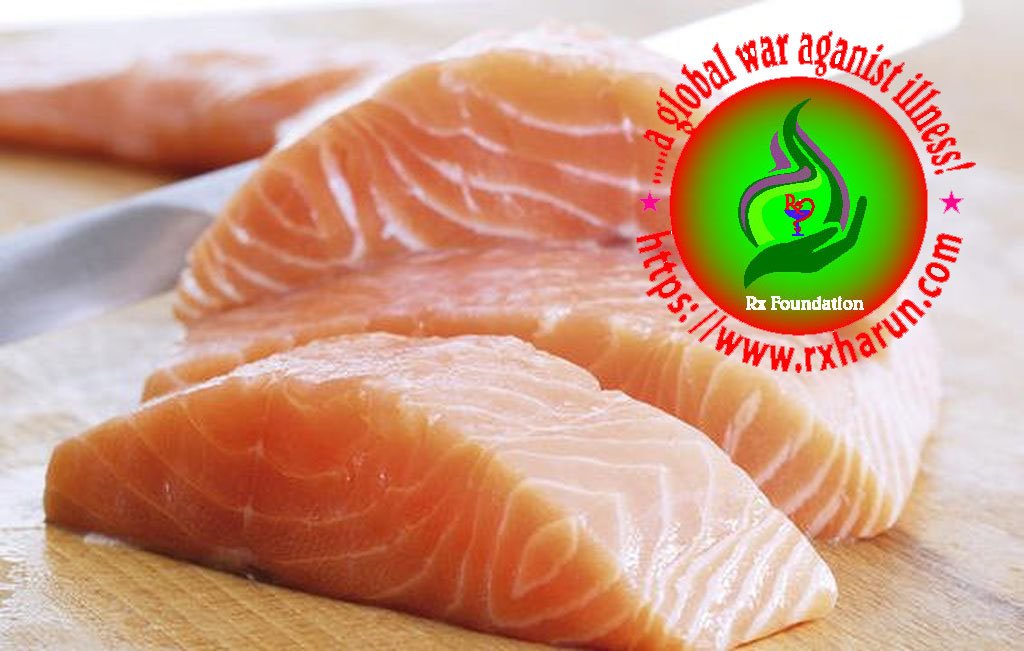 Wild-caught salmon
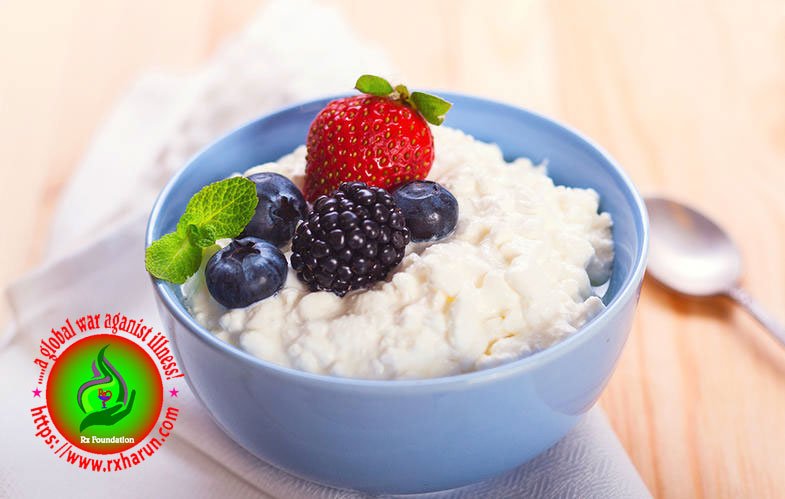
Low-fat cottage cheese
Sure, it’s not as popular as Greek yogurt. But a cup of low-fat cottage cheese actually delivers more protein—28g versus 24g—for just 163 calories. And that’s not the only reason it’s a top pick for weight loss. (Try adding it to a smoothie.) Overweight women who consumed more protein-rich dairy foods like cottage cheese lost more fat and gained more muscle compared to those who skipped the stuff, found one Canadian study. As an added bonus? It’s relatively inexpensive. Ounce per ounce, cottage cheese costs less than Greek yogurt, so you can stock up on more of it.
 Boneless, skinless chicken breast
A cup of cooked lentils won’t just give you nearly 18g protein. It’ll also serve up a whopping 15g fiber, which helps slow the digestion of your meal and stabilize your blood sugar, so you stay satisfied for hours. The combo means that these humble pulses pack a potent weight loss punch. In a recent Canadian review, subjects who ate just one serving of lentils daily lost half a pound in just six weeks—without making any other changes to their diet. Now, just imagine what lentils could do as part of a healthy eating and exercise plan. Pork tenderloin
 Tmpeh
TmpehCanned tuna
Like wild salmon, it’s another great source of fat-burning omega-3s and packs 16g protein per 3-ounce serving. But unlike it’s a pink counterpart, canned tuna is crazy inexpensive—around $2 per can. Plus, having it on hand means you always have the makings of a healthy, filling meal. So you can stick to your weight-loss plan—and reach your goals—no matter what. If you’re concerned about your mercury intake, stick with lower-mercury chunk light tuna instead of albacore.
References


