Stretching Exercise – How Stretching Exercise to Reduce Pain

Patient Tools

Read, save, and share this guide

Use these quick tools to make this medical article easier to read, print, save, or share with a family member.

Patient Mode

Understand this article easily

Switch between simple English and easy Bangla patient notes. This is for education and does not replace a doctor consultation.

Stretching is a form of physical exercise in which a specific muscle or tendon (or muscle group) is deliberately flexed or stretched in order to improve the muscle's felt elasticity and achieve comfortable muscle tone. The result is a feeling of increased muscle control, flexibility, and range of motion. Stretching is also used therapeutically to alleviate cramps. Stretching is...

For severe symptoms, danger signs, pregnancy, child illness, or sudden worsening, seek urgent medical care.

বাংলা রোগী নোট এখনো যোগ করা হয়নি। পোস্ট এডিটরে “RX Bangla Patient Mode” বক্স থেকে সহজ বাংলা সারাংশ যোগ করুন।

এই তথ্য শিক্ষা ও সচেতনতার জন্য। এটি ডাক্তারি পরীক্ষা, রোগ নির্ণয় বা প্রেসক্রিপশনের বিকল্প নয়।

Article Summary

Stretching is a form of physical exercise in which a specific muscle or tendon (or muscle group) is deliberately flexed or stretched in order to improve the muscle's felt elasticity and achieve comfortable muscle tone. The result is a feeling of increased muscle control, flexibility, and range of motion. Stretching is also used therapeutically to alleviate cramps. Stretching is a common activity used by athletes, older adults, rehabilitation patients, and anyone participating in a fitness program. While the benefits...

Key Takeaways

  • This article explains Stretching  before  playing in simple medical language.
  • This article explains STRETCHING EXERCISES in simple medical language.
  • This article explains Bottom to heels stretching in simple medical language.
Educational health guideWritten for patient understanding and clinical awareness.
Reviewed content workflowUse writer and reviewer profiles for stronger trust.
Emergency safety firstUrgent warning signs are highlighted below.

Seek urgent medical care if you notice

These warning signs are general safety guidance. Local emergency numbers and clinical judgment should always come first.

  • Severe symptoms, breathing difficulty, fainting, confusion, or rapidly worsening illness.
  • New weakness, severe pain, high fever, or symptoms after a serious injury.
  • Any symptom that feels urgent, unusual, or unsafe for the patient.
1

Emergency now

Use emergency care for severe, sudden, rapidly worsening, or life-threatening symptoms.

2

See a doctor

Book a professional medical evaluation if symptoms persist, worsen, recur often, affect daily activities, or occur in a high-risk patient.

3

Learn safely

Use this article to understand possible causes, tests, treatment options, prevention, and questions to ask your clinician.

Before reading

RX Patient Tools

Use these quick guides before reading the article, or return to them when you need help preparing questions for a doctor.

Start here Choose the right pathway for symptoms, reports, medicines, or urgent warning signs. Disease article roadmap Read this topic step by step: meaning, symptoms, warning signs, diagnosis, treatment, prevention, and follow-up. Treatment planner Prepare questions about treatment choices, benefits, risks, side effects, and follow-up. Family & caregiver guide Organize symptoms, reports, medicines, questions, and follow-up safely. Nutrition & diet guide Prepare food, hydration, supplement, and medicine-timing questions safely. Prevention guide Organize risk factors, protective habits, screening, and warning signs. Recovery guide Prepare a safe plan for activity, rehabilitation, warning signs, and follow-up.
Definition

Stretching is a form of physical exercise in which a specific muscle or tendon (or muscle group) is deliberately flexed or stretched in order to improve the muscle’s felt elasticity and achieve comfortable muscle tone. The result is a feeling of increased muscle control, flexibility, and range of motion. Stretching is also used therapeutically to alleviate cramps.

Stretching is a common activity used by athletes, older adults, rehabilitation patients, and anyone participating in a fitness program. While the benefits of stretching are known, controversy remains about the best type of stretching for a particular goal or outcome. The purpose of this clinical commentary is to discuss the current concepts of muscle stretching interventions and summarize the evidence related to stretching as used in both exercise and rehabilitation.

Increasing flexibility through stretching is one of the basic tenets of physical fitness. It is common for athletes to stretch before (for warming up) and after exercise in an attempt to reduce the risk of injury and increase performance, though these practices are not always based on scientific evidence of effectiveness.

Stretching  before  playing
Stretching Exercise - How Stretching Exercise to Reduce Pain

A series of exercise routines you can do to help reduce any pain, including tension, stiffness, and soreness.

These exercises from physiotherapist and BackCare expert Nick Sinfield help to stretch, strengthen and mobilize the lower back.

When starting out, go gently to get used to the movements and work out how far you can go into each position without feeling pain. Aim to do this routine at least once a day if the pain allows. You can complement this routine with walking, cycling and water-based activities.

You are advised to seek medical advice before starting these pain: Back pain means pain in the spine, muscles, discs, joints, or nerves of the back. সহজ বাংলা: পিঠ/কোমরের ব্যথা।" data-rx-term="back pain" data-rx-definition="Back pain means pain in the spine, muscles, discs, joints, or nerves of the back. সহজ বাংলা: পিঠ/কোমরের ব্যথা।">back pain exercises, and to stop immediately if you feel any pain.

Stretching Exercise - How Stretching Exercise to Reduce Pain

Stretching exercises should form an integral part of any conditioning program. Performed consistnetly, the stretching exercises below can help to do the following…

  • Increase the range of motion about a joint reducing the risk of muscle and tendon tears during competitive activity.
  • Relieve muscle tightness and stiffness.
  • Improve postural imbalances and help to reduce chronic pain: Back pain means pain in the spine, muscles, discs, joints, or nerves of the back. সহজ বাংলা: পিঠ/কোমরের ব্যথা।" data-rx-term="back pain" data-rx-definition="Back pain means pain in the spine, muscles, discs, joints, or nerves of the back. সহজ বাংলা: পিঠ/কোমরের ব্যথা।">back pain.
  • Increase localized blood flow to the muscles being stretched.
  • Possibly relieve muscle soreness after intense physical activity and help to reduce the severity of DOMS (dleayed Onset Muscle Sorness).

STRETCHING EXERCISES

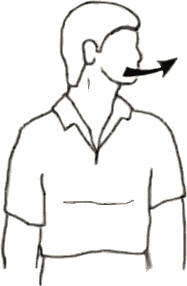
Stretches for the side of neck

  • Sit or stand with arms hanging loosely at sides
  • Turn head to one side, then the other
  • Hold for 5 seconds, each side
  • Repeat 1 to 3 times

Stretching Exercise - How Stretching Exercise to Reduce Pain

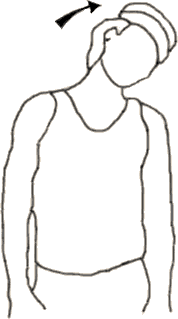
Stretches side of the neck

  • Sit or stand with arms hanging loosely at sides
  • Tilt head sideways, first one side then the other
  • Hold for 5 seconds
  • Repeat 1-3 times

Stretching Exercise - How Stretching Exercise to Reduce Pain


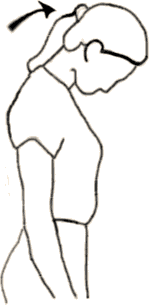
Stretches back of the neck

  • Sit or stand with arms hanging loosely at sides
  • Gently tilt head forward to stretch back of the neck
  • Hold 5 seconds
  • Repeat 1-3 times

Stretching Exercise - How Stretching Exercise to Reduce Pain

Stretches side of shoulder and back of the upper arm

  • Stand or sit and place right hand on left shoulder
  • With left hand, pull right elbow across chest toward left shoulder and hold 10 to 15 seconds
  • Repeat on another side

Stretching Exercise - How Stretching Exercise to Reduce Pain

Stretches shoulder, middle back, arms, hands, fingers, wrist

  • Interlace fingers and turn palms out
  • Extend arms in front at shoulder height
  • Hold 10 to 20 seconds, relax, and repeat
Stretching Exercise - How Stretching Exercise to Reduce Pain

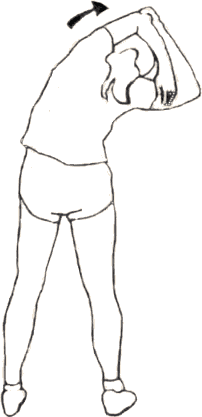
Stretches triceps, top of shoulders, waist

  • Keep knees slightly flexed>
  • Stand or sit with arms overhead
  • Hold elbow with the hand of the opposite arm
  • Pull elbow behind head gently as you slowly lean to side until a mild stretch is felt
  • Hold 10 to 15 sec
  • Repeat on another side

Stretching Exercise - How Stretching Exercise to Reduce Pain

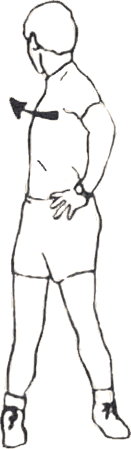
Stretches middle back

  • Stand with hands on hips
  • Gently twist torso at the waist until a stretch is felt
  • Hold 10 to 15 sec
  • Repeat on another side
  • Keep knees slightly flexed
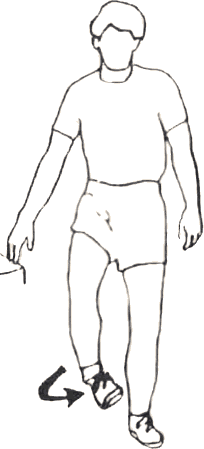
  • Stretches ankles
  • Stand and hold onto something for balance
  • Lift right foot and rotate foot and ankle 8 to 10 times clockwise, then 8 to 10 times counterclockwise.
  • Repeat on another side

(Note: can also be done sitting)
Stretching Exercise - How Stretching Exercise to Reduce Pain

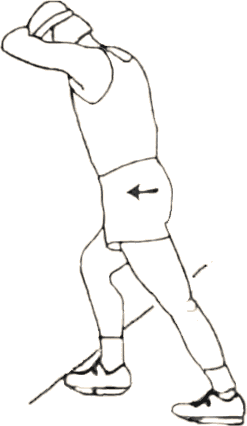
Stretches calf

  • Stand a little way from the wall and lean on it with forearms, head resting on hands
  • Place right foot in front of you, leg bent left leg straight behind you
  • Slowly move hips forward until you feel stretch in the calf of left leg
  • Keep left heel flat and toes pointed straight ahead
  • Hold easy stretch 10 to 20 seconds
  • Do not bounce
  • Repeat on another side
  • Do not hold breath

Stretching Exercise - How Stretching Exercise to Reduce Pain

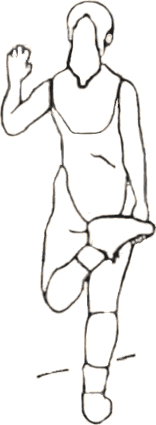
Stretches front on the thigh (quadriceps)

  • Stand a little away from the wall and place left hand on the wall for support
  • Standing straight, grasp the top of the left foot with right hand
  • Pull heel toward buttock
  • hold 10 to 20 sec
  • Repeat on another side

Stretching Exercise - How Stretching Exercise to Reduce Pain

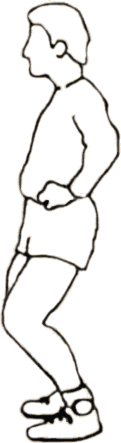
Relaxes hamstrings stretch calves, Achilles, and ankles

  • Stand with feet shoulder-width apart
  • Keep heels flat, toes pointed straight ahead
  • Assume bent knee position (quarter squat)
  • Hold 30 sec

Stretching Exercise - How Stretching Exercise to Reduce Pain

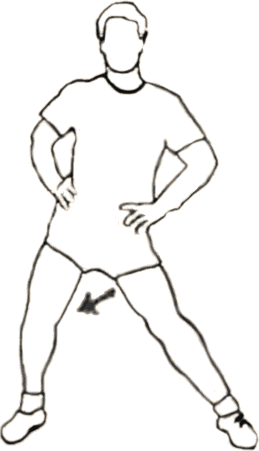
Stretches inner thigh, groin

  • Stand with feet pointed straight ahead, a little more than shoulder-width apart
  • Bend right knee slightly and move left hip downward toward right knee
  • Hold 10 to 15 seconds
  • Repeat on another side
  • If necessary, hold on to something (chair, etc.) for balance
Stretching Exercise - How Stretching Exercise to Reduce Pain

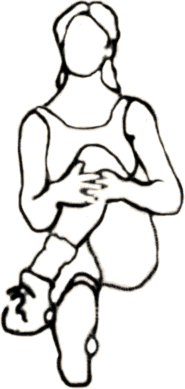
Stretches side of hip, hamstrings

  • Sit on the floor with right leg straight out in front
  • Bend left leg, cross left foot over, place outside right knee
  • Pull left knee across body toward the opposite shoulder
  • Hold 10 to 20 seconds
  • Repeat on another side
  • Breathe easily

Stretching Exercise - How Stretching Exercise to Reduce Pain

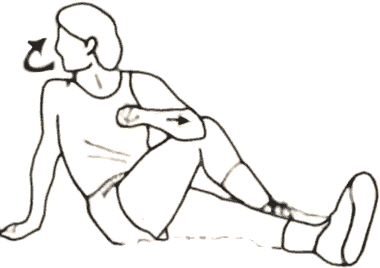
Stretches lower back, side of hip, and neck

  • Sit on the floor with left leg straight out in front
  • Bend right leg, cross right foot over, place outside left knee
  • Bend left elbow and rest it outside right knee
  • Place right hand behind hips on the floor
  • Turn head over right shoulder, rotate upper body right
  • Hold 10 to 15 seconds
  • Repeat on another side
  • Breathe in slowly

Stretching Exercise - How Stretching Exercise to Reduce Pain

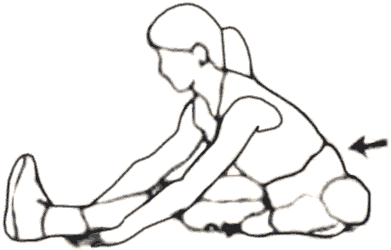
Stretches back of the leg and lower back

  • Sit on the floor, legs straight out at sides
  • Bend left leg in at the knee
  • Slowly bend forward from hips toward the foot of straight leg until you feel a slight stretch
  • Do no dip head forward at the start of a stretch
  • Hold this developmental stretch 10 to 20 seconds
  • Repeat on other side
  • Foot of straight leg upright, ankles and toes relaxed
  • Use a towel if you cannot easily reach your feet
Stretching Exercise - How Stretching Exercise to Reduce Pain

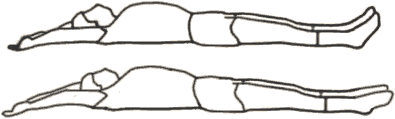
Stretches shoulders, arms, hands, feet, and ankles

  • Lie on floor, extend arms overhead, keep legs straight
  • Reach arms and legs in opposite directions
  • Stretch 5 sec, relax

Stretching Exercise - How Stretching Exercise to Reduce Pain


Stretching Exercise - How Stretching Exercise to Reduce Pain

Bottom to heels stretching

  • A series of exercise routines you can do to help reduce any lower pain: Back pain means pain in the spine, muscles, discs, joints, or nerves of the back. সহজ বাংলা: পিঠ/কোমরের ব্যথা।" data-rx-term="back pain" data-rx-definition="Back pain means pain in the spine, muscles, discs, joints, or nerves of the back. সহজ বাংলা: পিঠ/কোমরের ব্যথা।">back pain (occasionally referred to as low back pain), including tension, stiffness and soreness.
  • These exercises from physiotherapist and BackCare expert Nick Sinfield help to stretch, strengthen and mobilize the lower back.
  • When starting out, go gently to get used to the movements and work out how far you can go into each position without feeling pain.
  • Aim to do this routine at least once a day if the pain allows. You can complement this routine with walking, cycling, and water-based activities.
  • You are advised to seek medical advice before starting these pain: Back pain means pain in the spine, muscles, discs, joints, or nerves of the back. সহজ বাংলা: পিঠ/কোমরের ব্যথা।" data-rx-term="back pain" data-rx-definition="Back pain means pain in the spine, muscles, discs, joints, or nerves of the back. সহজ বাংলা: পিঠ/কোমরের ব্যথা।">back pain exercises and to stop immediately if you feel any pain.

Bottom to heels stretch

Stretches and mobilizes the spine
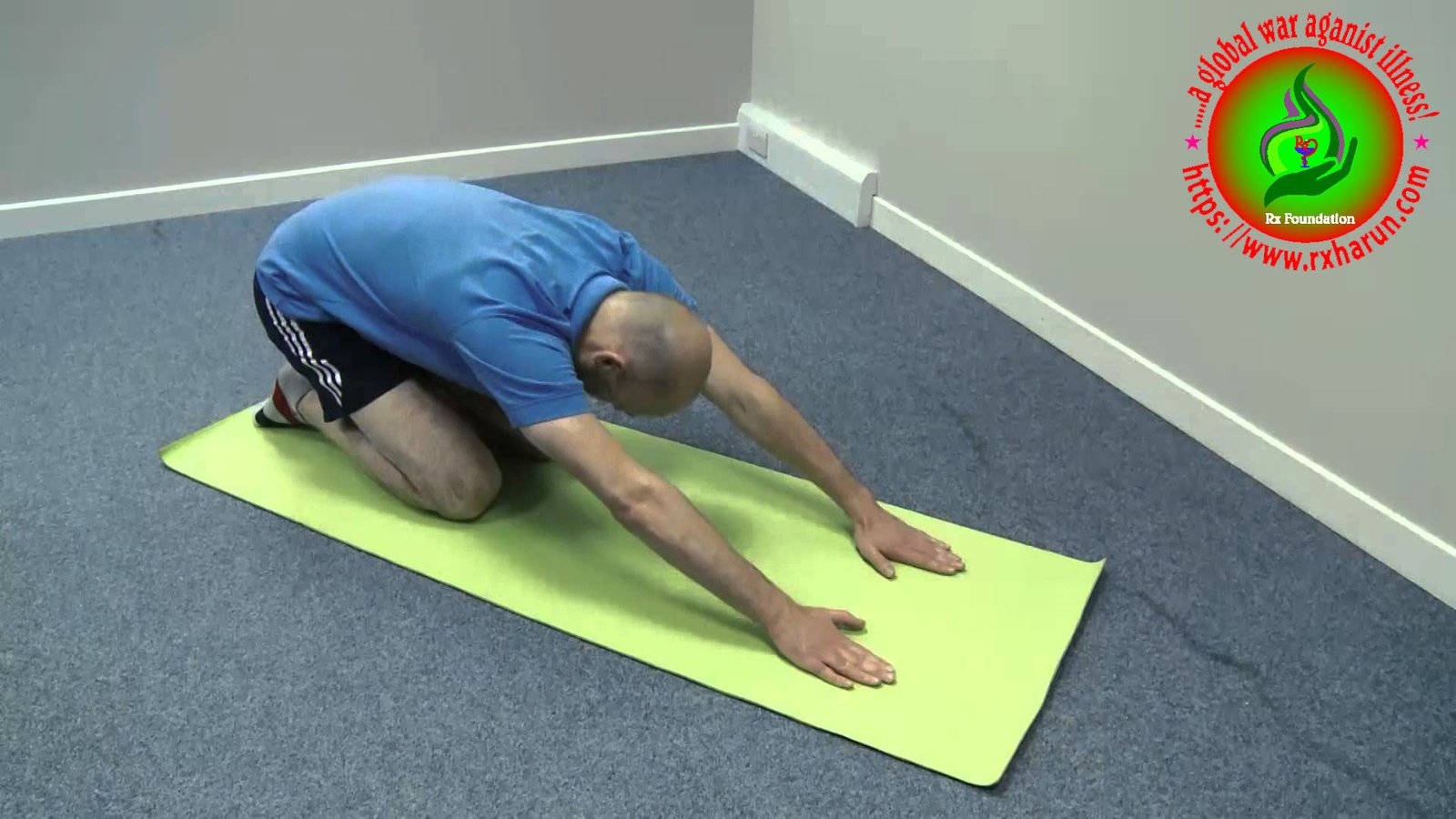
Stretching Exercise - How Stretching Exercise to Reduce Pain
  • Start position: Kneel on all fours, with your knees under hips and hands under shoulders. Don’t over-arch your lower back. Keep your neck long, your shoulders back and don’t lock your elbows.
  • Action: Slowly take your bottom backward, maintaining the natural curve in the spine. Hold the stretch for one deep breath and return to the starting position.
  • Repeat 8 to 10 times.

Tips:

  • Avoid sitting back on your heels if you have a knee problem.
  • Ensure correct positioning with the help of a mirror.
  • Only stretch as far as feels comfortable.

Knee rolls

Stretches and mobilises the spine
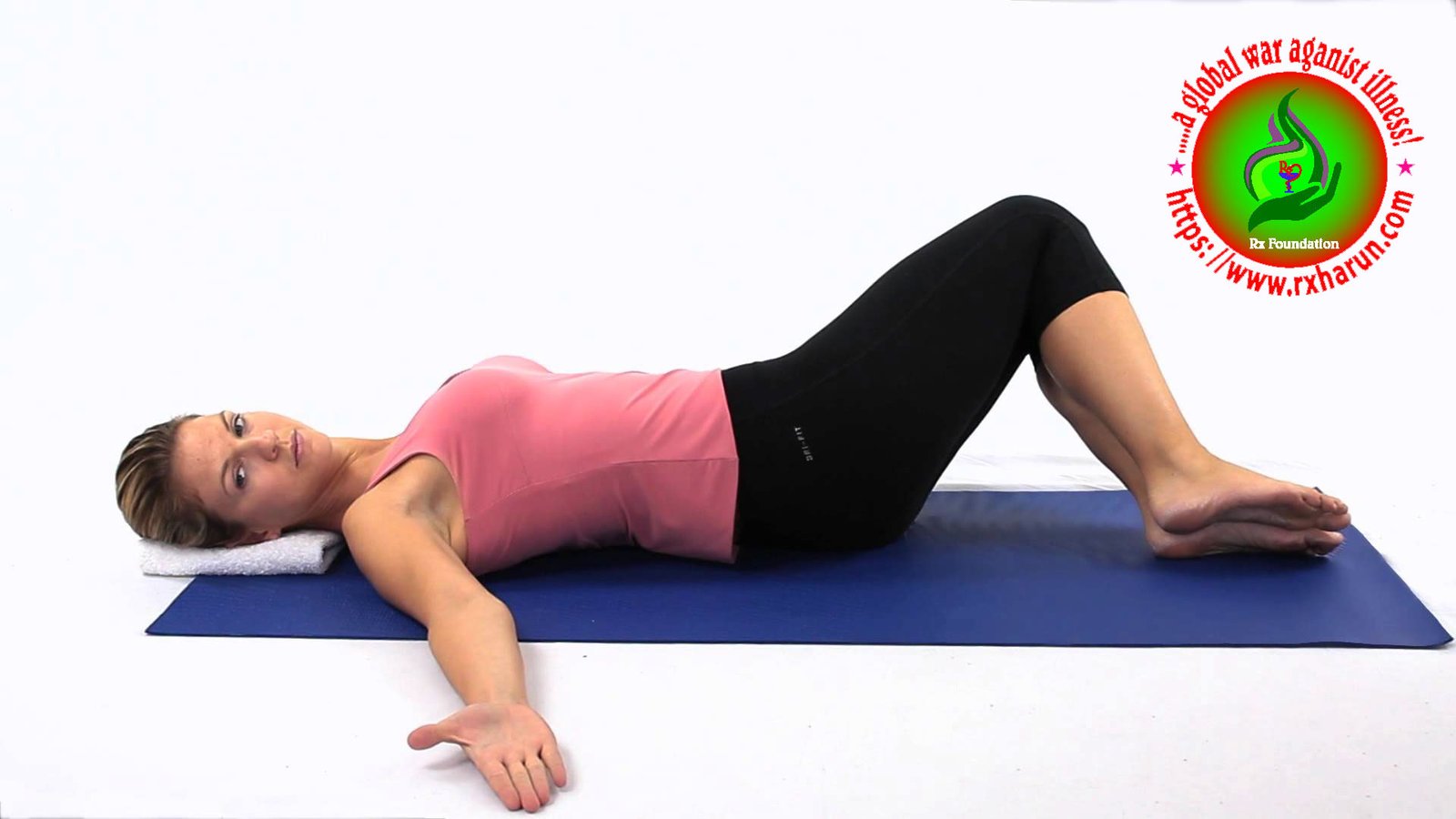
Stretching Exercise - How Stretching Exercise to Reduce Pain
  • Start position: Lie on your back. Place a small flat cushion or book under your head. Keep your knees bent and together. Keep your upper body relaxed and your chin gently tucked in.
  • Action: Roll your knees to one side, followed by your pelvis, keeping both shoulders on the floor. Hold the stretch for one deep breath and return to the starting position.
  • Repeat 8 to 10 times, alternating sides.

Tips:

  • Only move as far as feels comfortable.
  • Place a pillow between your knees for comfort.

Back extensions

Stretches and mobilizes the spine backward
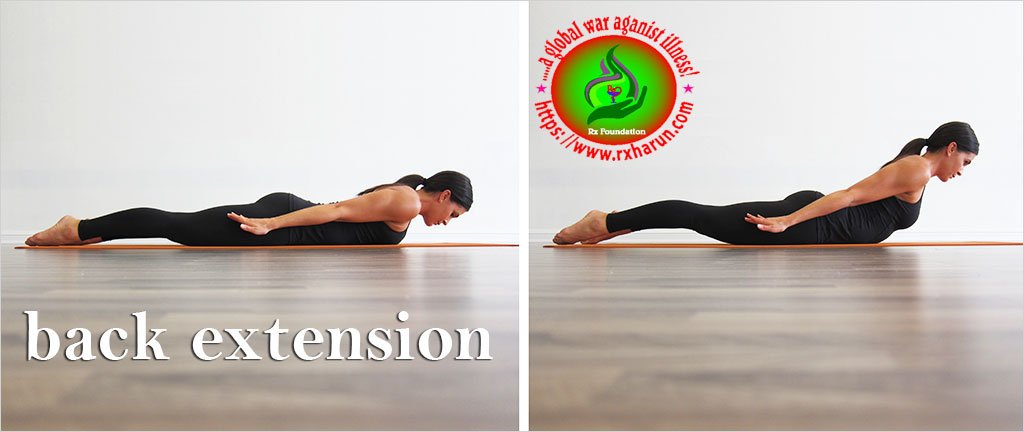
Stretching Exercise - How Stretching Exercise to Reduce Pain
  • Start position: Lie on your stomach, and prop yourself on your elbows, lengthening your spine. Keep your shoulders back and neck long.
  • Action: Keeping your neck long, arch your back up by pushing down on your hands. You should feel a gentle stretch in the stomach muscles as you arch backward. Breathe and hold for 5 to 10 seconds. Return to the starting position.
  • Repeat 8 to 10 times.

Tips:

  • Don’t bend your neck backwards.
  • Keep your hips grounded.

Deep abdominal strengthening

Strengthens the deep supporting muscles around the spine
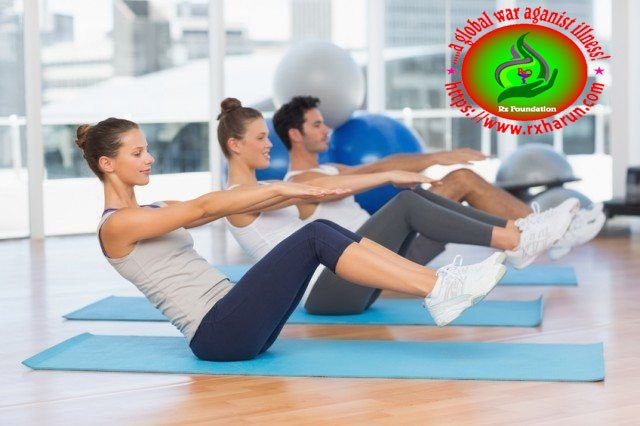
Stretching Exercise - How Stretching Exercise to Reduce Pain
  • Start position: Lie on your back. Place a small, flat cushion or book under your head. Bend your knees and keep your feet straight and hip-width apart. Keep your upper body relaxed and your chin gently tucked in.
  • Action: As you breathe out, draw up the muscles of your pelvis and lower abdominals, as though you were doing up an imaginary zip along your stomach. Hold this gentle contraction while breathing from your abdomen for 5 to 10 breaths, and relax.

Repeat 5 times.

Tips:

  • This is a slow, gentle tightening of the lower abdominal region. Don’t pull these muscles in using more than 25% of your maximum strength.
  • Make sure you don’t tense up through the neck, shoulders or legs.

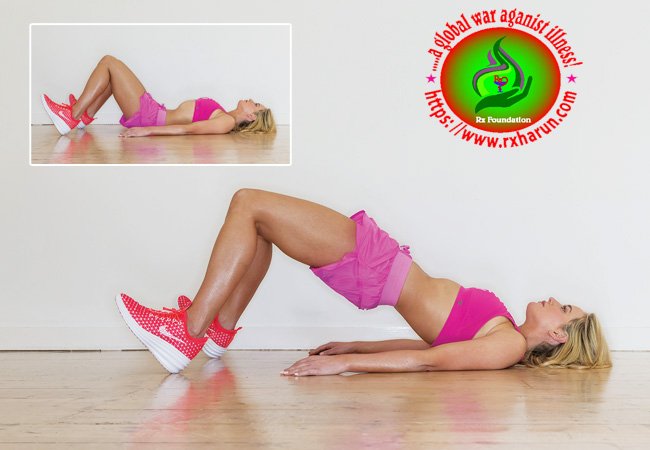
Pelvic Tilts

Stretches and strengthens the lower back
Stretching Exercise - How Stretching Exercise to Reduce Pain
  • Start position: Lie on your back. Place a small, flat cushion or book under your head. Bend your knees and keep your feet straight and hip-width apart. Keep your upper body relaxed and your chin gently tucked in.
  • Action: Gently flatten your low back into the floor and contract your stomach muscles. Now tilt your pelvis towards your heels until you feel a gentle arch in your lower back, feeling your back muscles contracting and return to the starting position.
  • Repeat 10 to 15 times, tilting your pelvis back and forth in a slow rocking motion.

Tips:

  • Keep your deep abdominals working throughout.
  • Don’t press down through the neck, shoulders or feet.

Modification
Place one hand on your stomach and the other under your lower back to feel the correct muscles working

 References

Doctor visit helper

Prepare before seeing a doctor

A simple rural-patient checklist to help you explain symptoms clearly, ask better questions, and avoid unsafe self-treatment.

Safety note: This is not a prescription or diagnosis. For severe symptoms, pregnancy danger signs, children with serious illness, chest pain, breathing difficulty, stroke-like weakness, or major injury, seek urgent care.

Which doctor may help?

Start with a registered doctor or the nearest qualified health center.

What to tell the doctor

  • Write when the problem started and how it changed.
  • Bring old prescriptions, investigation reports, and current medicines.
  • Write allergies, pregnancy status, diabetes, kidney/liver disease, and major past illnesses.
  • Bring one family member if the patient is weak, elderly, confused, or a child.

Questions to ask

  • What is the most likely cause of my symptoms?
  • Which danger signs mean I should go to hospital quickly?
  • Which tests are necessary now, and which can wait?
  • How should I take medicines safely and what side effects should I watch for?
  • When should I come for follow-up?

Tests to discuss

  • Vital signs: temperature, pulse, blood pressure, oxygen saturation
  • Basic physical examination by a clinician
  • CBC, urine test, blood sugar, or imaging only when clinically needed

Avoid these mistakes

  • Do not use antibiotics, steroid tablets/injections, or strong painkillers without proper medical advice.
  • Do not hide pregnancy, kidney disease, ulcer, allergy, or blood thinner use.
  • Do not delay emergency care when danger signs are present.

Medicine safety and first-aid guide

This section is for patient education only. It does not replace a doctor, pharmacist, or emergency care.

Safe first steps

  • Avoid heavy lifting, sudden bending, and prolonged bed rest.
  • Use comfortable posture and gentle movement as tolerated.
  • Discuss physiotherapy, X-ray, or MRI only when clinically needed.

OTC medicine safety

  • For mild back pain, pain-relief medicine may be discussed with a doctor or pharmacist.
  • Avoid repeated painkiller use if you have kidney disease, stomach ulcer, uncontrolled blood pressure, or are taking blood thinners.

Avoid these mistakes

  • Do not start antibiotics without a proper medical decision.
  • Do not use steroid tablets or injections casually for quick relief.
  • Do not delay emergency care because of home remedies.

Get urgent help if

  • Back pain with leg weakness, numbness around private area, loss of urine/stool control, fever, cancer history, or major injury needs urgent care.
Medicine names, dose, and timing must be decided by a qualified clinician or pharmacist after checking age, pregnancy, allergy, other diseases, and current medicines.

For rural patients and family caregivers

Patient health record and symptom diary

Write your symptoms, medicines already taken, test results, and questions before visiting a doctor. This note stays on your device unless you print or copy it.

Doctor to discuss: Orthopedic / spine specialist, physical medicine doctor, or qualified clinician
Tests to discuss with doctor
  • Neurological examination for leg power, sensation, reflexes, and straight leg raise
  • X-ray only if injury, deformity, long-lasting pain, or doctor suspects bone problem
  • MRI discussion if severe nerve symptoms, weakness, bladder/bowel problem, or persistent symptoms
Questions to ask
  • What is the most likely cause of my symptoms?
  • Which warning signs mean I should go to emergency care?
  • Which tests are really needed now?
  • Which medicines are safe for my age, pregnancy status, allergy, kidney/liver/stomach condition, and current medicines?
  • Is physiotherapy, posture correction, or activity modification needed?

Emergency warning signs such as chest pain, severe breathing difficulty, sudden weakness, confusion, severe dehydration, major injury, or loss of bladder/bowel control need urgent medical care. Do not wait for online information.

Safe pathway to proper treatment

Care roadmap for: Stretching Exercise – How Stretching Exercise to Reduce Pain

Use this simple roadmap to understand the next safe steps. It is educational and does not replace examination by a doctor.

Go to emergency care if you notice:
  • Severe or rapidly worsening symptoms
  • Breathing difficulty, chest pain, fainting, confusion, severe weakness, major injury, or severe dehydration
Doctor / service to discuss: Qualified healthcare provider; specialist depends on symptoms and examination.
  1. Step 1

    Check danger signs first

    If danger signs are present, seek emergency care and do not wait for online information.

  2. Step 2

    Record the symptom story

    Write when symptoms started, severity, medicines already taken, allergies, pregnancy status, and test results.

  3. Step 3

    Visit a qualified clinician

    A doctor, nurse, or qualified healthcare provider can examine you and decide which tests or treatment are needed.

  4. Step 4

    Do only useful tests

    Do tests after clinical assessment. Avoid unnecessary tests, random antibiotics, or repeated medicines without diagnosis.

  5. Step 5

    Follow up and return early if worse

    If symptoms worsen, new warning signs appear, or treatment is not helping, return for review quickly.

Rural patient practical tips
  • Take a written symptom diary and all previous prescriptions/test reports.
  • Do not hide medicines already taken, even herbal or over-the-counter medicines.
  • Ask which warning signs mean urgent referral to hospital.

This roadmap is for education. A real diagnosis and treatment plan requires history, examination, and clinical judgment.

RX Patient Help

Ask a health question safely

Write your symptom story. A health professional or site editor can review it before any answer is prepared. This box is not for emergency care.

Emergency first: Severe chest pain, breathing trouble, unconsciousness, stroke signs, severe injury, heavy bleeding, or rapidly worsening symptoms need urgent local medical care now.

Frequently Asked Questions

Is this article a replacement for a doctor?

No. It is educational content only. Patients should consult a qualified clinician for diagnosis and treatment.

When should I seek urgent care?

Seek urgent care for severe symptoms, rapidly worsening condition, breathing difficulty, severe pain, neurological changes, or any emergency warning sign.

References

Add references, clinical guidelines, textbooks, journal articles, or trusted medical sources here. You can edit this area from the RX Article Professional Blocks panel.